
韓國旅遊攝影完全攻略|首爾、釜山、濟州、慶州 Top10 拍點 + 7 天行程|跟著在地攝影師 TotoKuo 玩韓國 South Korea Travel & Photography Guide — Seoul, Busan, Jeju & Gyeongju Top10 Photo Spots + 7 Day Itinerary
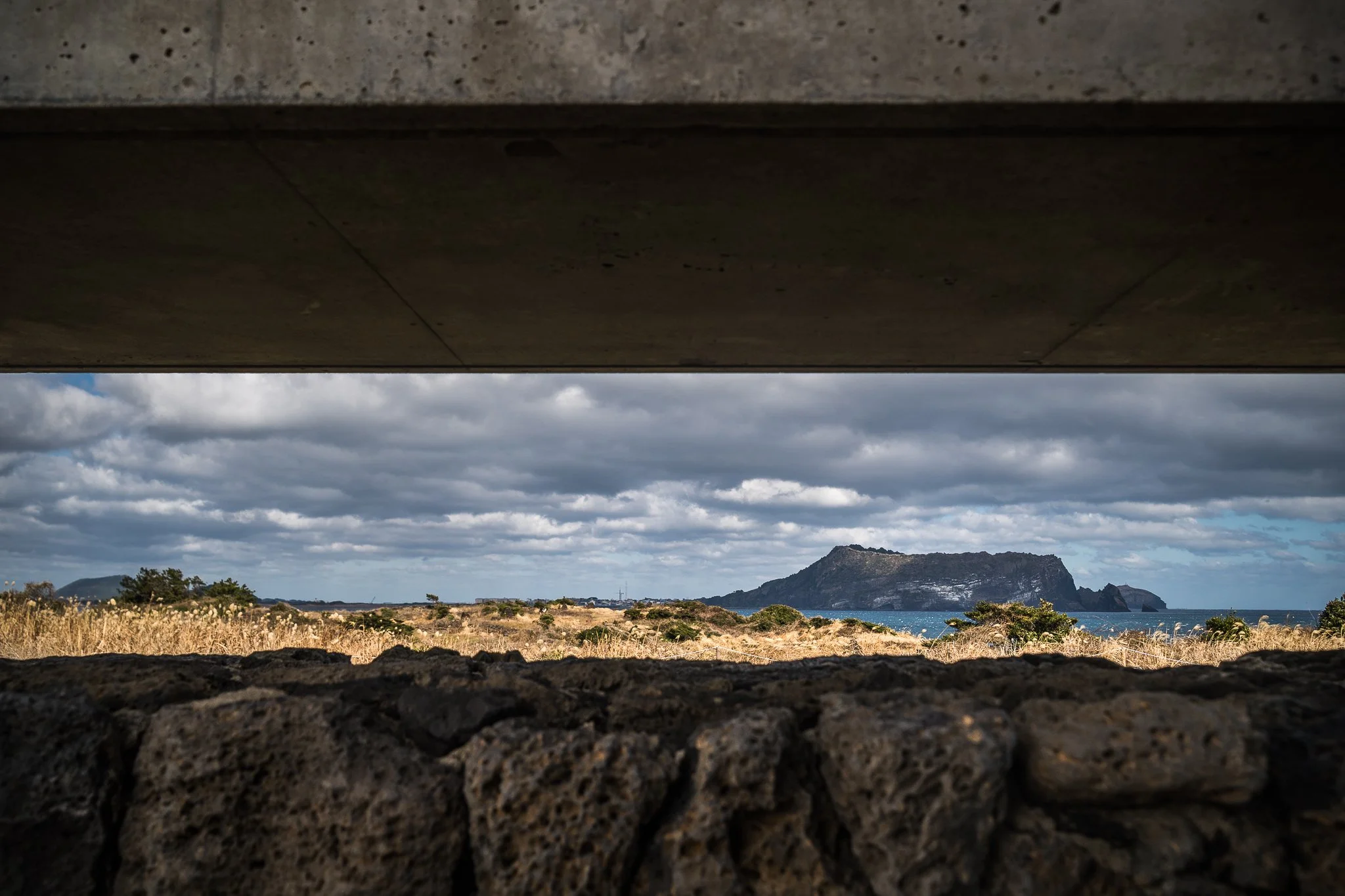
【探索韓國必遊景點】旅遊攝影全攻略
想把韓國拍得不一樣?從首爾的韓屋村與宮殿,到釜山的彩色街區與漁市場,再到濟州的火山奇觀,最後走進慶州的千年佛國。本篇完整攻略收錄 5 個有趣冷知識、Top10 必拍景點、7–10 天行程、交通與住宿建議、美食推薦、攝影 Tips,幫你規劃一趟兼顧文化、美食與自然的深度韓國之旅。
Please see English version below
目錄 TOC
5 個有趣冷知識
Top 10 必拍景點
7–10 天行程規劃
交通方式
住宿建議
推薦餐廳與美食
最佳旅行時間
預算建議
必備物品清單
攝影 Tips
韓國旅遊 FAQS(Korea Travel 常見問題)
總結


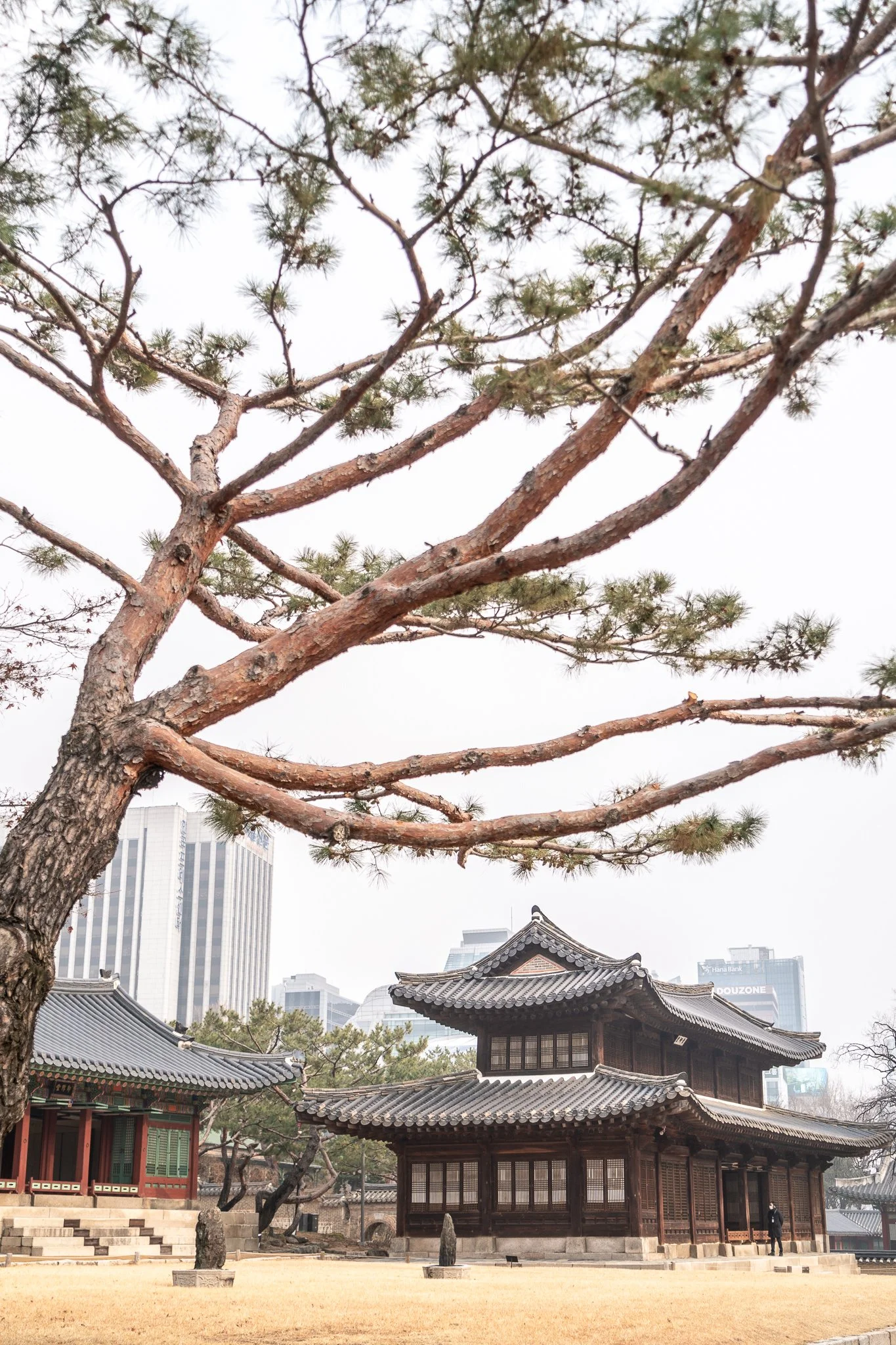
5 個有趣冷知識
韓國有超過 3,000 座島嶼,但僅有一部分有人居住。
首爾地鐵不只便利,還提供 免費 WiFi 與地鐵圖觸控螢幕。
韓國咖啡館密度極高,僅次於義大利與美國,咖啡文化非常盛行。
慶州被稱為「沒有圍牆的博物館」,遍地都是古墳與遺跡。
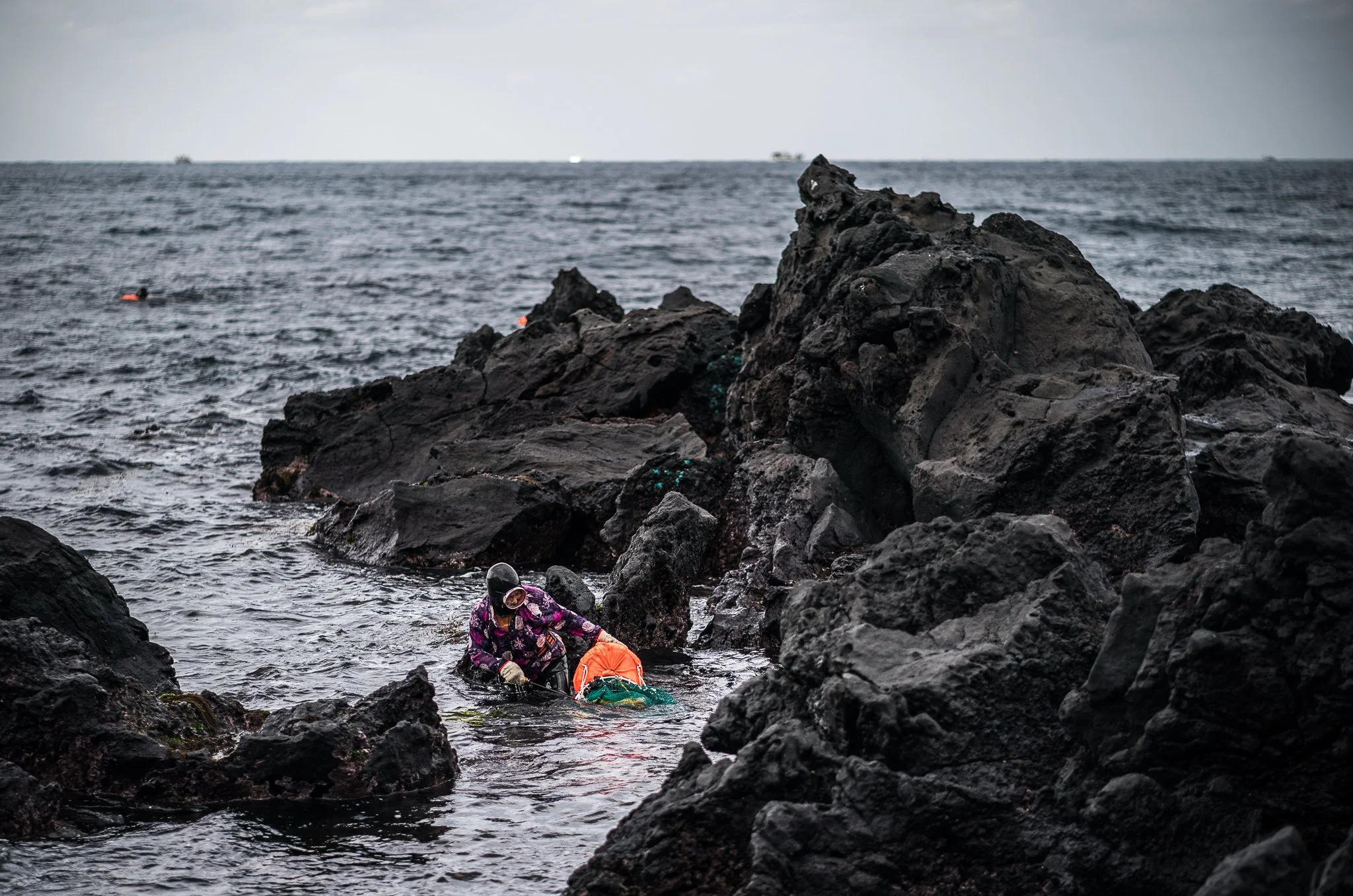
濟州島不僅以自然聞名,也因「黑豬烤肉」成為美食天堂。
韓國 Top 10 必拍景點詳解 — 首爾、釜山、濟州與慶州攝影攻略
導語:從首爾古今交錯的巷弄到釜山海岸的漁村色彩,從濟州火山口的曙光到慶州千年古寺,韓國擁有多樣題材讓攝影師流連忘返。以下為 Top 10 必拍景點的推薦理由、交通方式與最佳拍攝建議
北村韓屋村(Bukchon Hanok Village,首爾)
推薦原因/特色:傳統韓屋(hanok)群落坐落於現代首爾之中,形成強烈時代對比與文化層次,是城市人文與建築攝影的寶地。
交通:地鐵安國站或鍾路三街站下車,步行抵達北村各觀景點。
最佳拍攝建議:清晨或黃昏遊覽可避開人潮,使用 24–70mm 拍建築與巷弄透視,50mm 定焦適合環境人像;尊重居民,勿高聲喧嘩或進入私人空間。
景福宮(Gyeongbokgung Palace,首爾)
推薦原因/特色:代表性王宮建築,傳統宮闕與韓服體驗(Hanbok)相結合,能拍到莊嚴建築與色彩服飾的經典畫面。
交通:地鐵景福宮站(Gyeongbokgung Station)或光化門站,步行即到。
最佳拍攝建議:清晨開門或換崗儀式時段拍攝,廣角呈現庭院尺度,人在畫面能增加故事性;若拍攝穿韓服的人像,請事先取得同意。
弘大 / 明洞街區(Hongdae / Myeongdong,首爾)
推薦原因/特色:夜晚霓虹、街頭文化與時尚潮流匯集,適合街拍、夜景與人文紀實。
交通:地鐵弘大入口站或明洞站下車,步行可達各商圈。
最佳拍攝建議:夜間提高 ISO 並帶定焦(35/50mm)進行街頭人像;用慢速快門拍車流與霓虹光軌,注意個資與拍攝禮儀。
甘川文化村(Gamcheon Culture Village,釜山)
推薦原因/特色:彩色房屋層疊在山坡上,街巷充滿藝術裝置與階梯構圖,是色彩與幾何構圖的攝影勝地。
交通:釜山地鐵至 Toseong 或 bus 到 Gamcheon,依標示步行上山。
最佳拍攝建議:利用早晨或午後側光增強色彩飽和;廣角捕捉幾何排列,長焦壓縮色塊形成圖案美感。
札嘎其市場(Jagalchi Fish Market,釜山)
推薦原因/特色:韓國最大海鮮市場之一,漁獲、叫賣與工作場景是紀實攝影的絕佳題材。
交通:釜山地鐵 Nampo 或 Jagalchi 站,步行即可到達。
最佳拍攝建議:清晨或早市時段最熱鬧;使用中長焦(70–200mm)紀錄市場細節與人像,拍攝食材時留意光線與反光。
海雲台(Haeundae Beach,釜山)
推薦原因/特色:釜山最著名沙灘,冬日日出與夏日海岸生活都很吸引人,是海景與人文活動並重的拍攝地。
交通:地鐵海雲台站下車,步行即可到沙灘。
最佳拍攝建議:日出時拍海平線與晨運人物,黃昏拍剪影;廣角能呈現沙灘與城市交界的尺度。
城山日出峰(Seongsan Ilchulbong,濟州)
推薦原因/特色:世界遺產火山口,日出景緻壯麗,常見雪峰般的光線層次,是濟州拍日出的首選。
交通:從濟州機場或西歸浦租車前往,亦有公車直達。
最佳拍攝建議:預留早晨拍攝時間(sunrise),廣角呈現火山口全貌,長焦拉近海面與山脊細節;登山步道要留意風力與安全。
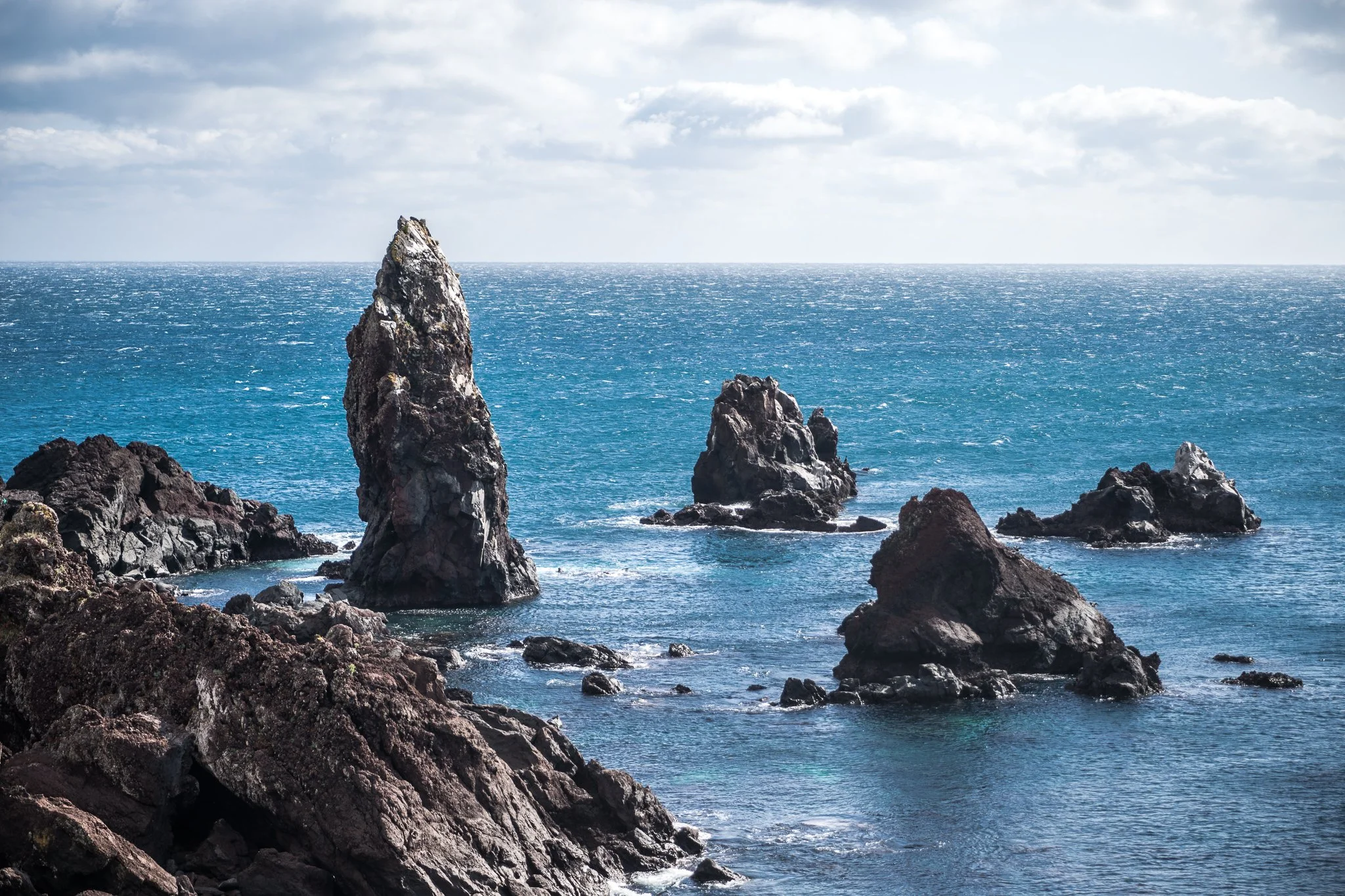
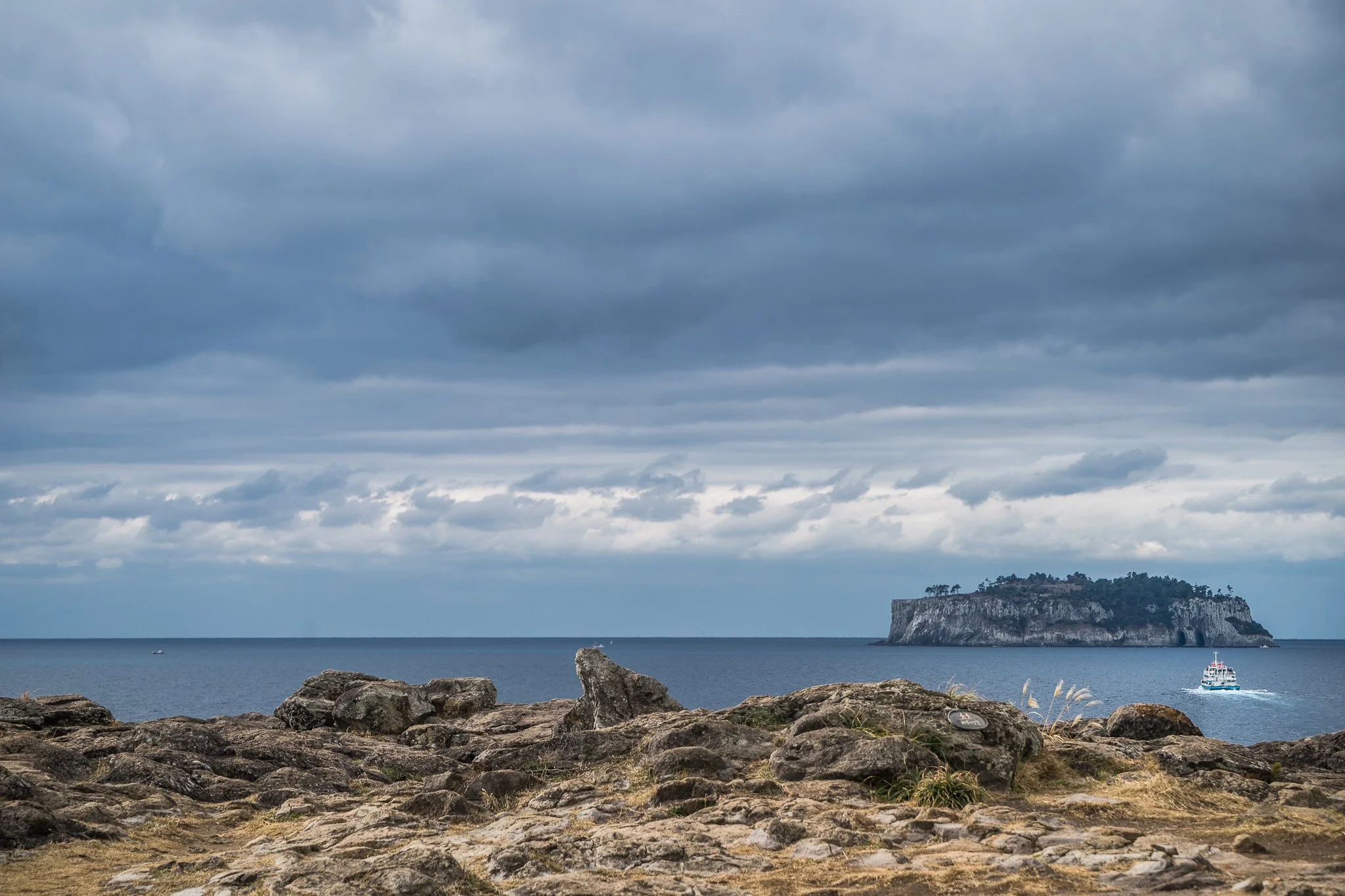
牛島(Udo Island,濟州)
推薦原因/特色:白沙海岸、燈塔與牧場風光,島上單純生活與海岸線適合慢節奏創作。
交通:濟州本島城山港搭渡船到牛島,島上可租電動摩托或單車環島。
最佳拍攝建議:帶 24–70mm 拍海岸與人文組合,日落或清晨光線最美;使用偏光鏡加深海色。
佛國寺(Bulguksa,慶州)
推薦原因/特色:聯合國世界遺產,佛教寺院建築與古代石雕保存完整,適合宗教與歷史建築攝影。
交通:從慶州市區搭公車或計程車前往景區。
最佳拍攝建議:清晨拍寺院空間感,使用中焦拍建築細部與雕刻;尊重宗教儀式與拍攝規範。
石窟庵(Seokguram,慶州)
推薦原因/特色:保存完好的石窟佛像與寧靜氛圍,晨光下的光影對佛像輪廓極具戲劇性。
交通:從慶州出發包車或公車前往山上石窟,步道短程徒步。
最佳拍攝建議:晨光與陰天都帶有神秘感,使用中長焦拍佛像局部與環境氛圍。
韓國 7–10 天完美行程規劃|首爾、釜山、濟州與慶州攝影與美食重點
導語
想用 7 到 10 天深度走訪韓國(Korea)嗎?這份首爾(Seoul)、釜山(Busan)、濟州(Jeju)、慶州(Gyeongju)一周到十日行程,幫你把文化、自然與都市體驗全部納入行程,同時提供交通建議、必吃美食與攝影打卡時段,助你拍出最上鏡、玩得最順的韓國之旅。
行程概覽
Day 1–3:首爾 Seoul — 傳統與潮流的完美交錯
必訪:景福宮(Gyeongbokgung)、北村韓屋村(Bukchon Hanok Village)、仁寺洞(Insadong) — 早晨與黃昏的古建築光線最佳。
購物與街拍:明洞(Myeongdong)、弘大(Hongdae)、新村(Sinchon) — 夜間霓虹與街頭文化題材豐富。
夜景生活:南山首爾塔(N Seoul Tower)日落或漢江公園(Hangang Park)夜間散步與城市生活紀實。
交通:首爾地鐵(Subway)網絡發達,建議購買 T‑money 交通卡;機場快線(AREX)直連 Incheon。
攝影建議:清晨拍景福宮抓空景,夜間在漢江用長曝光記錄城市燈帶;街拍用 35/50mm 定焦捕捉動態與表情。
Day 4–5:釜山 Busan — 海岸色彩與都市漁村風情
必訪:甘川文化村(Gamcheon Culture Village) — 彩色立面與階梯街拍;札嘎其市場(Jagalchi Market) — 海鮮紀實。
海岸景點:海雲台(Haeundae Beach)日出、廣安大橋(Gwangandaegyo Bridge)夜景。
夜生活:西面(Seomyeon)美食街與咖啡酒吧。
交通:高鐵 KTX 或飛機從首爾抵達釜山;市內使用地鐵與市區巴士。
攝影建議:甘川清晨與午後側光都好拍;札嘎其市場早市最生動,用 70–200mm 拍細節與人像。
Day 6–7:濟州 Jeju — 火山地貌與海岸奇觀
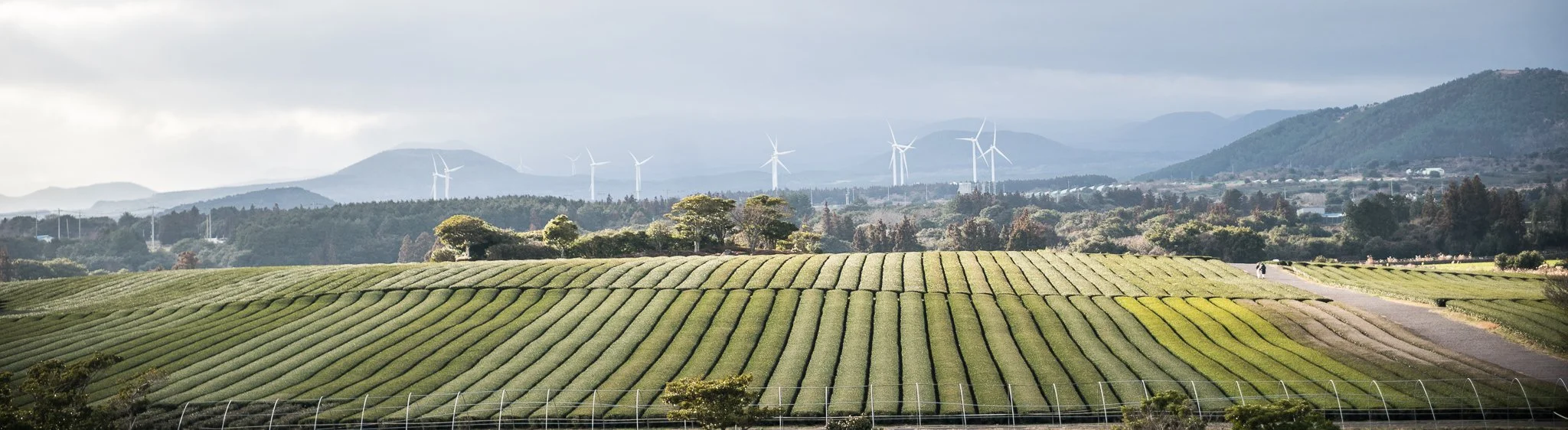
必訪:城山日出峰(Seongsan Ilchulbong) UNESCO 日出拍攝、萬丈窟(Manjanggul Lava Tube)洞穴奇景。
自然探索:牛島(Udo Island)白沙海岸、正房瀑布(Jeongbang)與漢拏山(Hallasan)健行。
美食:濟州黑豬肉一條街必吃在地燒烤。
交通:從首爾或釜山飛濟州(Jeju Airport),島上租車最方便。
攝影建議:城山日出最佳光線在清晨,帶廣角與中焦;洞穴內使用強力手電與高感光微距鏡頭。
Day 8–9:慶州 Gyeongju — 新羅王朝的千年古都(僅 9–10 日或加入)
必訪:佛國寺(Bulguksa)與石窟庵(Seokguram) UNESCO,還有大陵苑古墳群(Daereungwon)。
夜遊:皇理團路(Hwangridan‑gil)小巷與咖啡店的文青氛圍。
交通:從濟州搭飛機回首爾再轉車或從釜山包車前往;慶州古蹟集中,步行與租借自行車皆方便。
攝影建議:佛寺建築細節與晨霧是拍攝重點;石窟庵晨光柔和、適合靜謐構圖。
Day 10:返回首爾與最後採買
市場採買:南大門市場(Namdaemun)購買伴手禮,東大門設計廣場(DDP)享受當代設計與夜市。
交通與退房:預留機場所需時間與市內回程交通安排(KTX / AREX / 機場巴士)。
行程縮短建議
若只有 7 天:首爾(4 天)+釜山(2 天)+濟州(1 天)精選重點行程。
若有 10 天:完整首爾→釜山→濟州→慶州路線,兼具城市、人文、海岸與歷史文化。
實用交通與預訂建議
高鐵 KTX:快速連接首爾與釜山,節省城際移動時間,是行程效率關鍵(關鍵字:KTX Seoul Busan)。
國內航班:首爾→濟州航線頻繁,建議提前購票以抓到早班與晚班。
島內交通:濟州租車或報當地小團最靈活;首爾與釜山地鐵系統方便且票價親民(關鍵字:Jeju car rental、Seoul subway)。
預訂小建議:熱門景點(城山日出峰、Samaria 類)與餐廳、K‑POP 或限定活動需提前預約。
攝影與行李小貼士
攝影器材:廣角(16–35mm)、標準變焦(24–70mm)、中長焦(70–200mm)、偏光鏡/ND 濾鏡與穩定三腳架。
時段規劃:清晨日出場景(城山、海雲台)、黃昏日落(廣安大橋、Chania 港口等)、藍調時刻(城市夜景)最搶眼。
衣物:韓國四季分明,濟州與釜山海風吹拂,備防風外套與保暖內搭。
安全與尊重:寺廟與傳統村落拍攝請穿著端莊並尊重規範。
🚍 韓國交通方式
KTX 高速列車
連接首爾-釜山約 2.5 小時,舒適省時。
建議購買 KORAIL PASS(外國人專用鐵路通票),省錢又方便。
地鐵與公車
首爾與釜山地鐵發達,交通便利。
使用 T-money 卡,可搭乘全韓國大眾交通工具。
國內航班
首爾(金浦)-濟州:約 1 小時,每日多班次。
建議提早預訂,淡季單程可低至 USD $30。
市區交通 APP
Kakao T(計程車)、Naver Map/Kakao Map(導航,Google Map 在韓國不精準)。
巴士/租車
城市間巴士價格便宜,適合預算有限旅客。
濟州島建議自駕或包車,探索小眾秘境更便利。
韓國住宿建議
首爾 Seoul
明洞/弘大:購物與美食便利,適合年輕旅客。
江南區:高級飯店與商務氛圍。
推薦住宿:Lotte Hotel Seoul、RYSE Autograph Collection、明洞 24 Guesthouse(平價)。
釜山 Busan
海雲台區:面海度假感十足。
西面區:交通便利、夜生活豐富。
推薦住宿:Park Hyatt Busan、Shilla Stay Haeundae、Blue Backpackers Hostel。
濟州 Jeju Island
濟州市區:交通便利,適合短停留。
西歸浦/海邊度假村:適合休閒與自然探索。
推薦住宿:Grand Hyatt Jeju、Hidden Cliff Hotel & Nature、Jeju Backpackers。
慶州 Gyeongju
文化古都區域:靠近佛國寺、大陵苑。
推薦住宿:Hilton Gyeongju、Hwangnamguan Hanok Village(韓屋體驗)。


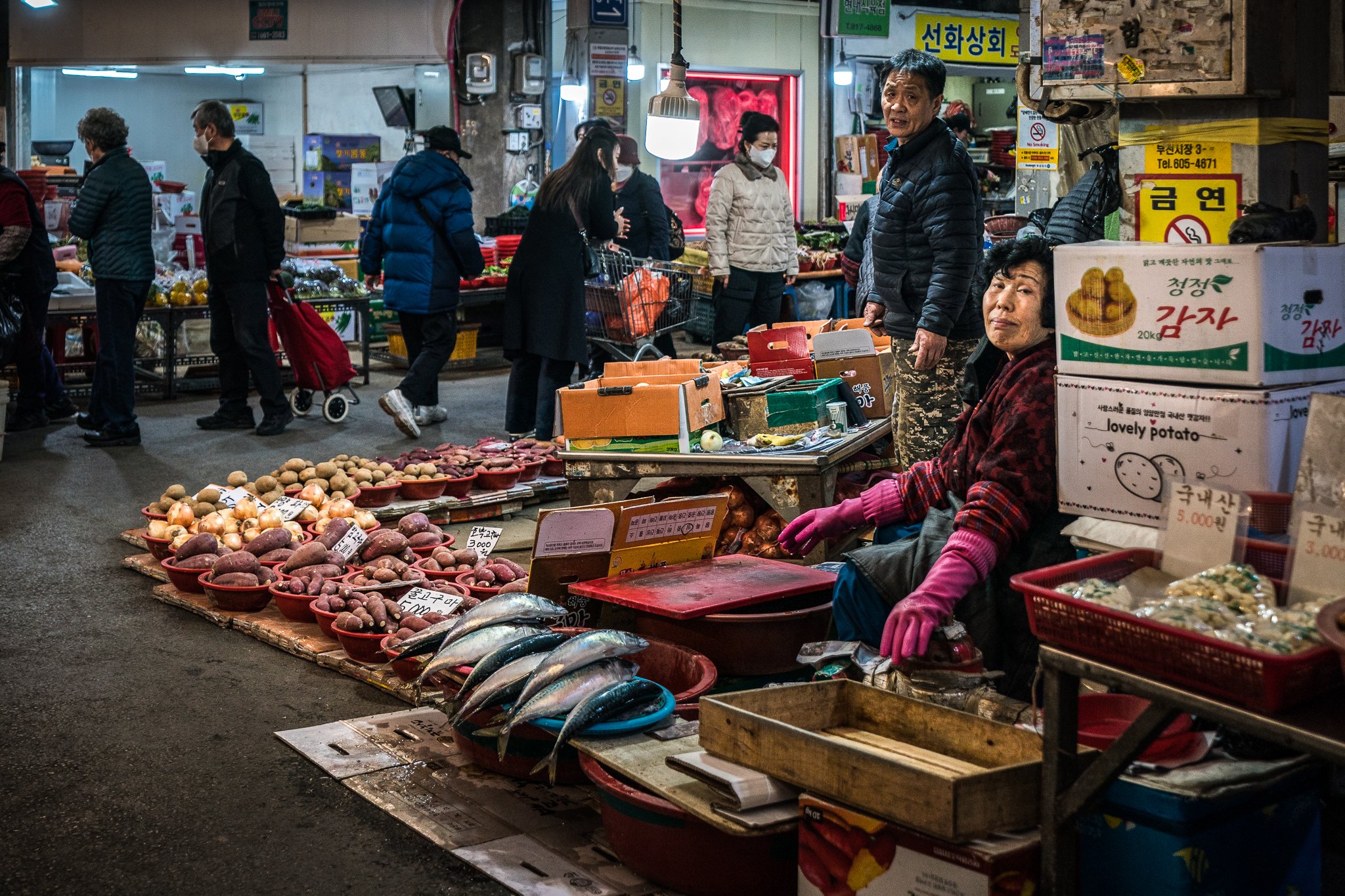


首爾(Seoul)Top 3 推薦餐廳
土俗村蔘雞湯(Tosokchon Samgyetang)
推薦原因:首爾人氣老店,以滋補的人參雞湯聞名,適合想體驗正宗韓式補身料理的旅人。非常適合在韓國四季轉換時暖胃。
必吃餐點:蔘雞湯(Samgyetang)整隻嫩雞燉入人參與糯米。
價位範圍:約 KRW 15,000–20,000(約 USD 12–18)/ 人。
交通如何到達:靠近景福宮 / 安國站,地鐵安國站步行可達(Google Maps 搜尋):https://www.google.com/maps/search/?api=1&query=Tosokchon+Samgyetang
小貼士:假日與午餐尖峰常排隊,建議避開 12:00–13:30 或提早到場。
2. 明洞餃子(Myeongdong Kyoja)
推薦原因:明洞老字號刀削麵與手工餃子,以簡單家常味爆紅,位置在觀光重點區,方便餐後逛街。
必吃餐點:刀削麵(Kalguksu)、手工水餃(Mandu)、冷麵。
價位範圍:約 KRW 8,000–12,000(約 USD 6–9)/ 人。
交通如何到達:明洞站(Myeongdong Station)步行可達(Google Maps 搜尋):https://www.google.com/maps/search/?api=1&query=Myeongdong+Kyoja
小貼士:店內位置多為吧檯式,快速入座與翻桌效率高,適合快速用餐。
3. 廣藏市場(Gwangjang Market)內人氣攤位
推薦原因:首爾最地道的傳統市場之一,集合綠豆煎餅(Bindaetteok)、活力街頭小吃與韓式生牛肉(Yukhoe),非常適合街頭美食攝影與味蕾探索。
必吃餐點:綠豆煎餅、麻藥紫菜飯捲、韓式生牛肉、韓式煎餅。
價位範圍:約 KRW 3,000–12,000(約 USD 2–9)/ 份。
交通如何到達:鐘路五街或東大門方向地鐵,步行可達(Google Maps 搜尋):https://www.google.com/maps/search/?api=1&query=Gwangjang+Market+Seoul
小貼士:市場光線與攤販互動極具拍攝張力,拍攝攤販前請先示意與購買支持。
釜山(Busan)Top 3 推薦餐廳
札嘎其市場內海鮮攤(Jagalchi Market stalls)
推薦原因:韓國最大海鮮市場之一,新鮮生魚片、海膽與章魚直送桌邊,是海鮮紀實攝影與味覺體驗首選。
必吃餐點:生魚片(Hwe)、海鮮拼盤、章魚熱炒。
價位範圍:約 KRW 10,000–40,000(約 USD 8–30)/ 人(視食材等級)。
交通如何到達:札嘎其站(Jagalchi Station)下車步行可達(Google Maps 搜尋):https://www.google.com/maps/search/?api=1&query=Jagalchi+Market+Busan
小貼士:選擇有現撈標誌且清潔的攤位,市場清晨最熱鬧也最鮮。
2. 海雲台生魚片中心(Haeundae sashimi spots)
推薦原因:海雲台海濱新鮮海產多,海景餐廳邊看海邊吃生魚片非常愜意。
必吃餐點:生魚片拼盤、海鮮湯。
價位範圍:約 KRW 15,000–50,000(約 USD 12–38)/ 人。
交通如何到達:地鐵海雲台站步行可達;多家餐廳在海邊大道上(Google Maps 搜尋):https://www.google.com/maps/search/?api=1&query=Haeundae+sashimi+restaurant
小貼士:午後或傍晚預約海景座位捕捉夕陽與海景用餐攝影。
3. 本粥(Bonjuk 或當地粥店)
推薦原因:健康養生粥在晨間或旅途中非常合適,口味清爽且溫暖腸胃,適合健行或移動日的第一餐。
必吃餐點:海鮮粥、雞肉粥或南瓜粥等養生款。
價位範圍:約 KRW 5,000–12,000(約 USD 4–9)/ 人。
交通如何到達:釜山市區多個分店,步行或地鐵轉乘(Google Maps 搜尋):https://www.google.com/maps/search/?api=1&query=Bonjuk+Busan
小貼士:粥類店清晨或午餐時段最方便,適合想輕食過一餐的旅人。
濟州(Jeju Island)Top 3 推薦餐廳
黑豬肉一條街(Black Pork Street, Jeju)— 多家推薦炭火烤肉店
推薦原因:濟州黑豬為島上招牌,炭火烤出香氣與油脂風味,是到濟州必嚐的地道料理。
必吃餐點:濟州黑豬燒烤(grilled black pork)、蒜香配菜、泡菜。
價位範圍:約 KRW 15,000–35,000(約 USD 12–27)/ 人(視份量)。
交通如何到達:黑豬肉一條街多集中於濟州市或熱門旅遊區,租車或計程車較方便(Google Maps 搜尋):https://www.google.com/maps/search/?api=1&query=jeju+black+pork+street
小貼士:炭火烤肉搭配燒酒是常見吃法,建議多人分食才划算。
2. 海鮮湯(Haemul‑tang 推薦店)
推薦原因:濟州海鮮鮮度高,海鮮湯以辣味與海鮮精華聞名,特別適合當地較涼時節暖胃。
必吃餐點:海鮮湯、海鮮煮物、配飯小菜。
價位範圍:約 KRW 10,000–25,000(約 USD 8–20)/ 人。
交通如何到達:在濟州各大市區與漁港都有熱門海鮮店,租車或計程車抵達最靈活(Google Maps 搜尋示例):https://www.google.com/maps/search/?api=1&query=haemul+tang+jeju
小貼士:選擇靠海或漁港附近的店家常更鮮。
3. 濟州柑橘甜點與果汁(local cafes & dessert shops)
推薦原因:濟州柑橘聞名,當地的柑橘冰淇淋、果汁與甜點都是清爽解渴的在地小吃。
必吃餐點:柑橘冰淇淋、柑橘果汁、柑橘蛋糕。
價位範圍:約 KRW 3,000–8,000(約 USD 2–6)/ 人。
交通如何到達:濟州市區或旅遊點多有咖啡館販售,步行或租車均可(Google Maps 搜尋示例):https://www.google.com/maps/search/?api=1&query=jeju+tangerine+dessert
小貼士:試試本地柑橘品種,口味與香氣與市售柑橘不同。
慶州(Gyeongju)Top 3 推薦餐廳
皇南餅專賣(Hwangnam Bread shops)
推薦原因:慶州代表伴手禮,傳統紅豆餡小糕點,是在地老店與遊客常買的手信。
必吃餐點:皇南餅(Hwangnam bread)。
價位範圍:約 KRW 1,000–2,500(約 USD 1–2)/ 個或禮盒價格不同。
交通如何到達:慶州古城或市場區多有販售,步行可達(Google Maps 搜尋):https://www.google.com/maps/search/?api=1&query=Hwangnam+bread+Gyeongju
2. 傳統韓屋餐廳(Traditional hanok restaurants for Korean set meals)
推薦原因:在古城區的韓屋改建餐廳,能吃到正宗的韓定食(Hanjeongsik)與當地風味,享受千年古都的用餐氛圍。
必吃餐點:韓定食、傳統小菜與地方甜點。
價位範圍:約 KRW 12,000–30,000(約 USD 9–23)/ 人。
交通如何到達:位於慶州歷史公園與古墓群周邊,步行或短程計程車可達(Google Maps 搜尋示例):https://www.google.com/maps/search/?api=1&query=traditional+hanok+restaurant+gyeongju
3. 當地家庭式小館(local family restaurants)
推薦原因:小店以家常味道與親切服務見長,價格平易且可嘗試慶州地方小吃。
必吃餐點:地方燉菜、米飯套餐、當季小菜。
價位範圍:約 KRW 6,000–15,000(約 USD 5–12)/ 人。
交通如何到達:市區步行圈或市場周邊即可找到(Google Maps 搜尋示例):https://www.google.com/maps/search/?api=1&query=local+restaurant+gyeongju
實用建議
預約:熱門餐廳(如 Tosokchon、Symphony、Arena Beach)在旅遊旺季需提前預約,搜尋「restaurant reservation + city name」常能找到訂位入口。
現金:韓國多數商家接受信用卡,但街頭小吃與市場常以現金為主,建議備少量韓元(KRW)。
衛生與安全:選擇翻桌率高的攤位與評價良好的餐廳以降低腸胃不適風險。
拍攝禮儀:拍攝攤販或內場餐廳時先徵求同意,購買一份小點作回饋是友善做法。
韓國最佳旅行時間
韓國四季分明,每個季節都有不同魅力:
春季(3–5 月)
賞櫻聖地:首爾汝矣島、釜山南川洞、鎮海軍港節。
氣溫舒適(10–20℃),適合戶外散步與文化探索。
夏季(6–8 月)
海灘度假:釜山海雲台、濟州島。
音樂祭、啤酒節熱鬧非凡,但氣溫偏高(25–35℃)。
秋季(9–11 月)
紅葉名所:雪嶽山、內藏山、首爾北漢山。
氣候涼爽(15–20℃),是最推薦的旅遊季節。
冬季(12–2 月)
滑雪與雪景:江原道(平昌、Vivaldi Park 滑雪場)。
首爾樂天世界、新村聖誕燈飾,增添節慶氛圍。
👉 最佳推薦時間:
春秋季(3–5 月、9–11 月):氣候宜人、人潮適中,特別適合 韓國自由行、攝影與深度文化探索。
💰 韓國旅遊預算建議
韓國物價介於日本與台灣之間,自由行旅客可依需求控制預算:
1. 背包客(Budget)
每日約 USD $50–70
住宿:青年旅館(USD $15–30/晚)
餐飲:街頭小吃、便利商店(USD $3–7/餐)
交通:地鐵+巴士(T-money 卡超划算)
2. 中階旅行者(Mid-range)
每日約 USD $100–180
住宿:三星/四星級飯店(USD $60–120/晚)
餐飲:餐廳+特色料理(USD $10–30/餐)
活動:景點門票、KTX、部分體驗(韓服租借、演出)
3. 奢華旅行(Luxury)
每日約 USD $250–500+
住宿:五星級飯店或韓屋高級住宿(USD $200–400/晚)
餐飲:米其林餐廳、韓牛套餐、頂級海鮮(USD $50–100/餐)
體驗:私人導覽、文化課程、溫泉/SPA
韓國必備物品清單
1. 旅遊證件與必需品
護照與簽證(效期至少 6 個月,台灣護照 90 天免簽,仍需 K-ETA 登錄)
旅遊保險(涵蓋醫療與航班延誤,出國必備)
信用卡+部分現金(韓國普遍刷卡,但小攤販仍以現金為主)
韓國 SIM 卡或 WiFi 分享器(Naver Map、Kakao Map 導航必備)
2. 衣物與配件
春秋(4–6 月、9–11 月):輕便外套、長袖 T 恤、舒適運動鞋。
夏季(7–8 月):短袖、透氣衣物、防曬外套、帽子與墨鏡。
冬季(12–2 月):厚羽絨衣、圍巾、手套與暖暖包,特別是釜山以北容易下雪。
舒適鞋款:韓國景點多需步行,建議穿運動鞋或登山鞋。
3. 美妝與護理用品
高係數防曬乳(SPF50+):夏天避免曬傷,冬天避免乾燥。
保濕用品:氣候乾冷,建議隨身攜帶護手霜與護唇膏。
個人藥品:腸胃藥、暈車藥,韓國外藥房英文標示有限。
4. 電子與攝影設備
萬用插頭(韓國 220V,兩孔圓形插座)
行動電源(拍攝+導航耗電量大)
相機與額外記憶卡(首爾夜景、濟州日出、釜山海景必拍)
小型腳架(適合夜拍與自拍)
5. 其他貼心物品
T-money 交通卡(便利商店即可購買,全韓國大眾交通通用)
輕便雨具(春秋偶爾有陣雨)
保溫水壺(夏天補水、冬天保暖兩用)
📸 韓國攝影 Tips
首爾
景福宮穿韓服拍照:建議早上 9 點開門就入場,人少光線好。
北村韓屋村:利用小巷與屋簷線條構圖,拍攝古今融合感。
釜山
甘川文化村:最佳拍攝時間為上午,光線柔和、建築色彩最亮麗。
廣安大橋夜景:帶腳架拍長曝光,橋燈與夜景特別壯觀。
濟州
城山日出峰:日出前 30 分鐘上山卡位,才能拍到 UNESCO 級夢幻日出。
牛島海邊:用廣角拍攝湛藍大海+火山岩岸邊。
慶州
佛國寺與石窟庵:清晨光線灑落,寺廟氛圍最莊嚴。
大陵苑古墳群:傍晚時分,夕陽與古墳的剪影特別詩意。
韓國禮儀小提醒
宮殿穿韓服規則:在景福宮、昌德宮等宮殿,只要穿韓服即可免費入場。但需注意保持服裝整潔,避免在古蹟內飲食或喧嘩。
市場拍照禮貌:在札嘎其市場、廣藏市場拍攝攤販前,最好先用眼神或簡單詢問(韓文:사진 괜찮아요? / 可以拍照嗎?)。大多數攤販樂於被拍,但表示尊重很重要。
寺廟與佛像:在佛國寺或石窟庵拍攝佛像時,請避免使用閃光燈,並保持安靜。
公共交通:地鐵上不要大聲講話,長輩上車時應讓座。
飲食文化:用餐時避免把筷子直插在飯碗裡,這被視為不吉利。
韓國旅遊 FAQS(Korea Travel 常見問題)
Q1:第一次去韓國自由行,應該從哪幾個城市開始?
(Where should I go on my first trip to Korea?)
第一次規劃 韓國旅遊(Korea travel),最常見的組合是:
首爾 Seoul:購物、美食、宮殿與夜生活,是多數人韓國自由行的第一站。
釜山 Busan:海灘、咖啡街與海鮮市場,適合安排 2–3 天的 Busan trip。
慶州 Gyeongju、全州 Jeonju、水原 Suwon、大邱 Daegu 等城市,則適合第二次深度 Korea city & culture itinerary。
Q2:去韓國需要簽證嗎?
(Do I need a visa for Korea?)
是否需要 Korea visa 取決於國籍與最新政策:
很多國家可享有短期 visa‑free entry to Korea 或電子旅行認證(如 K‑ETA)
部分護照則需事先申請旅遊簽證
建議在安排行程前,上 Korea immigration / embassy 官方網站確認最新入境規定。
Q3:什麼時候去韓國最好?
(What is the best time to visit Korea?)
Korea travel 最大亮點之一就是四季分明:
春季(3–5 月):櫻花、油菜花與溫暖天氣,是許多人心中的 best time to visit Korea。
秋季(9–11 月):楓葉與銀杏季節,非常適合城市散步與國家公園健行。
夏季(6–8 月):適合海邊與音樂祭,但部分時間較潮濕炎熱。
冬季(12–2 月):適合 Korea ski trip、冰雪景色與聖誕/新年氣氛。
Q4:韓國境內交通方便嗎?
(How do I get around Korea?)
Korea transport 整體非常完善:
城市間:
KTX 高鐵 連接 Seoul、Busan、Daegu、Gwangju、Mokpo 等主要城市,是長距離移動首選。
高速巴士適合預算有限或想前往中小城市的旅人。
城市內:
Seoul subway、Busan subway 網路密集,配合 T‑money / Korea transit card 使用非常方便。
計程車與 Kakao T 等 App 也很普及。
Q5:韓國自由行有哪些必吃美食?
(What food should I try when traveling in Korea?)
撰寫 Korea food guide 時,可以重點介紹:
韓式烤肉 Korean BBQ、烤五花肉 samgyeopsal
拌飯 bibimbap、辣炒年糕 tteokbokki、韓式炸雞 Korean fried chicken
部隊鍋、雪濃湯、冷麵、嫩豆腐鍋 等經典湯鍋料理
街頭小吃(Hotteok、魚板、糖餅)與 韓式咖啡館 dessert
每個城市又有不同代表菜色,例如 Jeonju bibimbap、Busan eomuk、Daegu makchang 等。
Q6:韓國適合自助旅行與親子旅遊嗎?
(Is Korea safe and suitable for independent and family travel?)
整體來說,Korea 治安良好,是相當適合 independent Korea travel 與 family trip to Korea 的國家:
首爾與釜山等大城市治安穩定,夜晚街上仍有不少人潮。
需要注意的主要是 扒手、小偷與夜間飲酒人群,尤其是鬧區與地鐵、觀光熱點周邊。
只要遵守一般 Asia city travel safety 原則(看好隨身物品、避免深夜走進偏僻小巷),多數旅人都覺得韓國旅遊相當安心。
Q7:韓國 Wi‑Fi 與網路怎麼解決?
(How do I stay connected to the internet in Korea?)
Korea internet 速度世界有名,連接方式很多:
機場租借 Wi‑Fi egg / pocket Wi‑Fi
購買 Korea prepaid SIM / eSIM,常附高速流量與通話
咖啡館、地鐵站與許多旅館都有免費 Wi‑Fi
對於使用地圖、翻譯軟體與即時搜尋 Korea travel info 非常方便。
Q8:第一次去韓國自由行,要住哪一區比較好?
(Where should I stay on my first trip to Korea?)
依不同城市可以簡單這樣選:
Seoul 首爾:
Myeongdong / Euljiro 明洞·乙支路:適合購物與初訪者,是最熱門的 Seoul accommodation area。
Hongdae 弘大:年輕氛圍、咖啡館與夜生活,適合喜歡文青與音樂的旅人。
Gangnam 江南:現代商圈與辦公區,方便商務與高級飯店住宿。
Busan 釜山:
Seomyeon 西面:交通中樞、餐廳多。
Haeundae / Gwangalli 海雲台·廣安里:海景飯店與海灘,是典型 Busan beach stay 選擇。
總結
韓國是一個能兼顧 歷史文化、都市潮流、美食饗宴與自然奇觀 的旅遊天堂。
行程規劃上,可安排 首爾文化+釜山海景+濟州自然+慶州歷史。
交通方式,靈活運用 KTX、高速巴士與國內航班,再配合 T-money 卡。
住宿方面,首爾適合明洞或弘大,釜山選擇海雲台,濟州體驗度假村,慶州住韓屋。
美食從街邊小吃到韓牛大餐,價格彈性大,適合不同預算。
👉 想規劃一趟難忘的 韓國自由行(Korea Travel Guide)?馬上收藏這份攻略,準備好相機和食慾,親身感受韓國的多樣魅力!
延伸閱讀:韓國完整旅遊攻略
關於作者|Toto Kuo
大家好,我是 Toto Kuo,來自台灣,目前定居在浪漫的 希臘聖托里尼。身為一名熱愛探索的攝影師與旅人,我曾以背包客的身分走遍 超過 80 個國家,並曾旅居 加拿大、紐約、巴黎,且在 4 個國家打工度假,用旅行的方式體驗世界的多元文化。
目前,我與希臘先生在聖托里尼一起經營一家 希臘餐廳 Karma與 聖托里尼婚紗攝影工作室,同時把我最熱愛的攝影、旅行、美食與文化分享給更多人。無論是 希臘小島推薦、聖托里尼完整攻略、在地美食推薦、咖啡館探訪、旅遊攝影指南,和自由行的行程安排,我都會透過文字與影像帶你親身感受。


South Korea Travel & Photography Guide
Discover South Korea beyond the highlights: from Seoul’s hanok villages and palaces, Busan’s colorful streets and seafood markets, Jeju’s volcanic wonders, to Gyeongju’s UNESCO temples. This guide includes 5 fun facts, Top 10 photo spots, itineraries, transport tips, food, and photography advice for an unforgettable trip.
Table of Contents
5 Fun Facts
Top 10 Photo Spots
7–10 Day Itinerary
Transport Tips
Where to Stay
Restaurants & Food
Best Time to Visit
Budget Tips
Packing List
Photography Tips
Korea Travel FAQS(Korea Free‑Independent Trip Q&A)
Final Thoughts


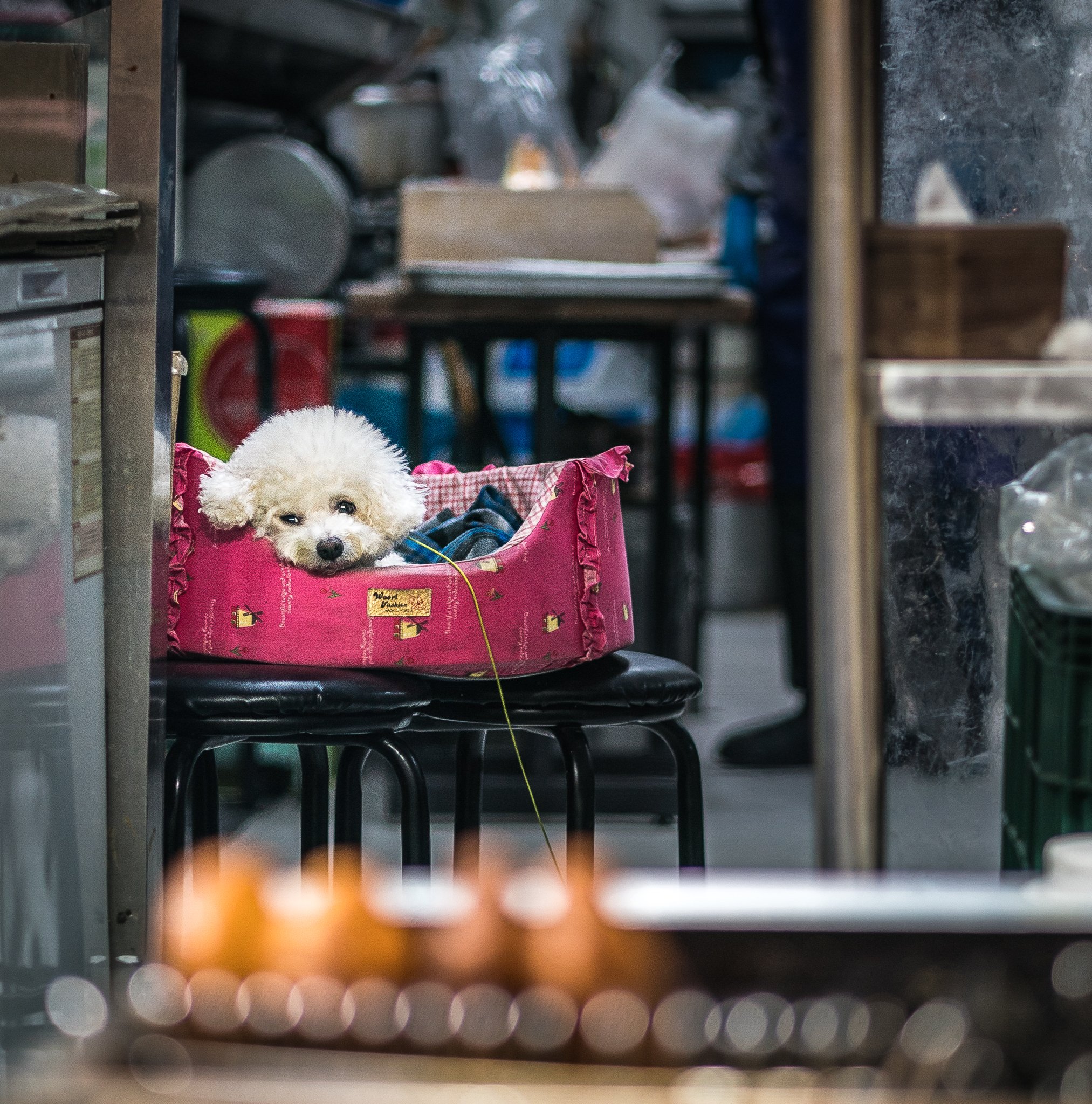


5 Fun Facts
Korea has over 3,000 islands, but only a portion are inhabited.
Seoul Metro offers free WiFi and touchscreen maps.
Korea ranks top in coffee shop density worldwide.
Gyeongju is nicknamed an “open-air museum” full of tombs and ruins.
Jeju is famous not only for landscapes but also for black pork BBQ.
Top 10 Must‑Shoot Spots in South Korea — Seoul, Busan, Jeju & Gyeongju Photo Guide
Intro: South Korea offers a rich tapestry for photographers—from Seoul’s Hanok alleys to Busan’s colorful hills and Jeju’s volcanic coastlines. Below are 10 must‑shoot locations with reasons to visit, transport tips, and photography recommendations to help you capture the best images.
Bukchon Hanok Village (Seoul)
Why visit: Traditional hanok houses amid modern Seoul create striking contrasts—ideal for cultural and architectural compositions.
Getting there: Subway to Anguk or Jongno area, then walk.
Photo tips: Early morning for empty alleys; 24–70mm for environment shots and 50mm for portraits; be respectful of residents.Gyeongbokgung Palace (Seoul)
Why visit: Iconic Joseon dynasty palace where you can combine architecture shots with Hanbok portrait sessions.
Getting there: Gyeongbokgung Station (Line 3) on the metro.
Photo tips: Arrive for the changing of the guard and use wide angles for courtyards, mid‑telephoto for details.Hongdae / Myeongdong (Seoul)
Why visit: Vibrant nightlife, street culture and neon signs—perfect for night street photography and portraiture.
Getting there: Hongik Univ. Station (Hongdae) or Myeongdong Station.
Photo tips: High ISO, fast primes (35/50mm); use motion blur for dynamic city scenes.Gamcheon Culture Village (Busan)
Why visit: Tiled, multicolored houses stacked on a hillside—graphic, colorful and full of alleyway compositions.
Getting there: Local buses to Gamcheon Cultural Village from Busan Center.
Photo tips: Shoot from higher viewpoints for patterns; use telephoto to compress and isolate color blocks.Jagalchi Fish Market (Busan)
Why visit: Korea’s largest seafood market and a living portrait of coastal trade and cuisine.
Getting there: Jagalchi Station, Busan Metro.
Photo tips: Early morning for the freshest activity; 70–200mm for candid vendor shots and fish details.Haeundae Beach (Busan)
Why visit: Famous beach with sunrise and urban skyline—great for seascapes and lifestyle shots.
Getting there: Haeundae Station, Busan Metro.
Photo tips: Dawn for calm reflections; long exposures to smooth waves.Seongsan Ilchulbong (Jeju)
Why visit: A UNESCO‑listed tuff cone offering dramatic sunrise views over the ocean and Jeju’s lunar landscape.
Getting there: Drive or bus from Jeju City; parking at the base and a short climb.
Photo tips: Sunrise window; wide angle to include crater and ocean; bring wind protection.Udo Island (Jeju)
Why visit: White sand beaches, pastoral scenery and coastal panoramas—ideal for relaxed island photography.
Getting there: Ferry from Seongsan Port to Udo.
Photo tips: Low angles on beaches, polarizer for saturated water colors.Bulguksa Temple (Gyeongju)
Why visit: UNESCO temple complex showcasing Buddhist architecture and national heritage—timeless scenes for cultural photography.
Getting there: Bus or taxi from Gyeongju city center.
Photo tips: Soft morning light for temple courtyards; mid‑tele for carved stone detail.Seokguram Grotto (Gyeongju)
Why visit: Mountain grotto with serene Buddha statue—perfect for contemplative, spiritual imagery.
Getting there: Short drive from Bulguksa with a short walk uphill.
Photo tips: Morning or overcast days for diffused light; telephoto for serene compositions.
7–10 Day Korea Itinerary — Seoul, Busan, Jeju & Gyeongju Photo‑Friendly Route
Intro
Planning 7–10 days in South Korea? This photo‑friendly Korea itinerary combines Seoul city culture, Busan coastal charm, Jeju’s volcanic landscapes, and Gyeongju’s ancient heritage. Includes transport tips (KTX, domestic flights), must‑eat street food, and ideal shooting windows to maximize your travel photography opportunities.
Suggested itinerary breakdown
Day 1–3: Seoul — Culture, street life & cityscapes
Must‑see: Gyeongbokgung Palace, Bukchon Hanok Village, Insadong for traditional culture; Myeongdong, Hongdae, Sinchon for shopping & street food; N Seoul Tower and Hangang Park for night scenes.
Transport: Seoul Subway (T‑money card recommended); AREX airport express to central Seoul.
Photo tips: Early morning palace shots, golden hour at hanok village, long exposure at Hangang for urban light trails.
Day 4–5: Busan — Colorful hillside villages & seaside life
Must‑see: Gamcheon Culture Village (colorful stacked houses), Jagalchi Fish Market (seafood documentary), Haeundae Beach sunrise, Gwangandaegyo Bridge night view.
Transport: KTX from Seoul or domestic flight; Busan metro for local transit.
Photo tips: Dawn light at Haeundae, golden hour at Gamcheon viewpoints, market close‑ups with 70–200mm.
Day 6–7: Jeju Island — Volcanoes & coastal panoramas
Must‑see: Seongsan Ilchulbong (Sunrise Peak UNESCO), Manjanggul Lava Tube, Udo Island, Jeongbang Waterfall, Hallasan hiking.
Transport: Fly Seoul→Jeju; rent a car for island flexibility.
Photo tips: Seongsan sunrise for crater silhouettes, Manjanggul for texture detail, Udo for coastal panoramas.
Day 8–9: Gyeongju — Silla dynasty heritage
Must‑see: Bulguksa Temple (UNESCO), Seokguram Grotto (UNESCO), Daereungwon Tumuli, Anapji Pond.
Transport: Bus or train from Busan/Daegu; Gyeongju’s sites are compact and bike‑friendly.
Photo tips: Morning temple light, Seokguram for contemplative shots, tombs for landscape sequences.
Day 10: Return to Seoul, last‑minute shopping & departure
Must‑see: Namdaemun Market for souvenirs, Dongdaemun Design Plaza (DDP) for modern architecture.
Tips: Reserve buffer time for airport (Incheon/ Gimpo) transfers and shopping.
Shorter trip options
7‑day: Seoul + Busan + Jeju (best for first‑timers wanting variety).
10‑day: Add Gyeongju for historical depth and slower cultural exploration.
Transport & booking essentials
KTX trains (Seoul↔Busan) save time and maximize shooting windows (keyword: KTX Korea).
Domestic flights (Seoul→Jeju) are frequent; book early for low fares.
Car rental is recommended on Jeju for remote photo spots (keyword: Jeju car rental).
Book popular activities and hotels in peak season (spring bloom and autumn foliage).
Photo & packing tips
Lenses: 16–35mm, 24–70mm, 70–200mm and a fast prime.
Filters & tripod: Polarizer for coastal clarity, ND for long exposures, compact tripod for night and landscape.
Clothing: Layer for varying climates—Jeju can be windy; Seoul/Busan seasonality matters.
Etiquette: Respect religious and cultural sites—ask before photographing people in temples or villages.
🚍 Transport Tips
International: Seoul Incheon (ICN), Busan Gimhae (PUS).
KTX high-speed rail: Seoul ↔ Busan ~2.5 hrs.
Domestic flights: Seoul/Busan ↔ Jeju ~1 hr.
Local transport: Metro in Seoul/Busan; buses or car rental in Jeju.
Where to Stay
Seoul: Myeongdong hotels or hanok guesthouses.
Busan: beach-view hotels at Haeundae.
Jeju: resorts or seaside pensions.
Gyeongju: hanok-style guesthouses.




South Korea Restaurants & Food
Seoul — Top 3 Restaurants
1.Tosokchon Samgyetang (Tosokchon)
Why visit: Famous, long‑running eatery in Seoul for traditional ginseng chicken soup — a cultural and culinary must‑try, especially for first‑time visitors seeking authentic Korean comfort food.
Must‑try: Samgyetang (ginseng chicken soup) — whole young chicken stuffed with rice and ginseng.
Price range: KRW 15,000–20,000 per person (~USD 12–18).
How to get there: Near Gyeongbokgung/Anguk area; take the subway to Gyeongbokgung or Anguk Station and walk.
Google Maps quick search: https://www.google.com/maps/search/?api=1&query=Tosokchon+Samgyetang+Seoul
2.Myeongdong Kyoja (Myeongdong Kyoja, Myeongdong)
Why visit: Iconic noodle and dumpling spot in bustling Myeongdong — simple, fast and extremely popular with locals and tourists alike. Great for a satisfying, budget‑friendly meal while shopping.
Must‑try: Kalguksu (hand‑cut noodle soup), dumplings (mandu), spicy mandu.
Price range: KRW 8,000–12,000 per person (~USD 6–9).
How to get there: Myeongdong Station (Line 4); short walk from the shopping district.
Google Maps quick search: https://www.google.com/maps/search/?api=1&query=Myeongdong+Kyoja
3.Gwangjang Market stalls (Gwangjang Market)
Why visit: One of Seoul’s best traditional markets for street food photography and tasting local specialties — lively, colorful and ideal for sampling many classic Korean snacks.
Must‑try: Bindaetteok (mung bean pancake), mayak kimbap (mini seaweed rice rolls), yukhoe (Korean raw beef).
Price range: KRW 3,000–12,000 per item (~USD 2–9).
How to get there: Jongno 5‑ga or Euljiro area; take the subway to Jongno 5‑ga Station and follow the signs.
Google Maps quick search: https://www.google.com/maps/search/?api=1&query=Gwangjang+Market+Seoul
Busan — Top 3 Restaurants
1.Jagalchi Market stalls (Jagalchi Fish Market)
Why visit: Korea’s largest seafood market — fresh sashimi, sea urchin and live seafood prepared on the spot; perfect for seafood lovers and documentary food photography.
Must‑try: Hwe (sashimi), grilled seafood platters, live octopus dishes.
Price range: KRW 10,000–40,000 per person (~USD 8–30) depending on selection.
How to get there: Jagalchi Station (Busan Metro) — short walk from the market.
Google Maps quick search: https://www.google.com/maps/search/?api=1&query=Jagalchi+Market+Busan
2.Haeundae seafood spots (Haeundae area)
Why visit: Varied beachfront restaurants offering fresh catches with seaside views — ideal for a leisurely seafood dinner after a day at Haeundae Beach.
Must‑try: Fresh sashimi combos, grilled fish, seafood hot pots.
Price range: KRW 15,000–50,000 per person (~USD 12–38).
How to get there: Haeundae Station (Busan Metro); restaurants along the beach are walkable from the station.
Google Maps quick search: https://www.google.com/maps/search/?api=1&query=Haeundae+seafood+restaurant
3.Bonjuk (Bonjuk / local porridge chains)
Why visit: Popular porridge chain offering healthy, warming options — great for mornings or when you want a light, soothing meal after travel or outdoor activity.
Must‑try: Seafood juk, ginseng chicken porridge, vegetable porridge.
Price range: KRW 5,000–12,000 per person (~USD 4–9).
How to get there: Multiple locations across Busan; check the nearest branch to your accommodation.
Google Maps quick search: https://www.google.com/maps/search/?api=1&query=Bonjuk+Busan
Jeju Island — Top 3 Restaurants
1.Jeju Black Pork district BBQ (various restaurants)
Why visit: Jeju’s signature specialty — black pork grilled over charcoal with distinct local flavor; a must‑try for meat lovers visiting Jeju.
Must‑try: Grilled Jeju black pork, side dishes, dipping sauces.
Price range: KRW 15,000–35,000 per person (~USD 12–27).
How to get there: Popular in Jeju City and Seogwipo areas; best reached by car or taxi.
Google Maps quick search (example): https://www.google.com/maps/search/?api=1&query=Jeju+black+pork+restaurant
2.Haemultang shops (Jeju seafood stews)
Why visit: Rich, spicy seafood stew featuring fresh island catches — perfect for cooler days and for tasting Jeju’s seafood bounty.
Must‑try: Haemultang (spicy seafood stew), side dishes, local rice.
Price range: KRW 10,000–25,000 per person (~USD 8–20).
How to get there: Many coastal towns and markets on Jeju Island offer excellent seafood stews; car rental recommended.
Google Maps quick search: https://www.google.com/maps/search/?api=1&query=haemultang+jeju
3.Jeju citrus desserts & juice cafés
Why visit: Jeju tangerines are famous — enjoy fresh juice, ice cream and desserts made from local citrus; perfect as a refreshing snack between shoots.
Must‑try: Citrus ice cream, fresh tangerine juice, tangerine cakes.
Price range: KRW 3,000–8,000 (~USD 2–6).
How to get there: Cafés and market stalls across Jeju — especially near tourist hubs.
Google Maps quick search: https://www.google.com/maps/search/?api=1&query=jeju+citrus+dessert
Gyeongju — Top 3 Food Picks
1.Hwangnam bread shops (Hwangnam bread)
Why visit: Iconic local pastry of Gyeongju — sweet red‑bean filled cookies/rolls perfect for souvenirs and tasting local flavor.
Must‑try: Hwangnam bread (small red bean cakes).
Price range: KRW 1,000–2,500 each (~USD 1–2) or box prices.
How to get there: Available in Gyeongju town, historic area and markets.
Google Maps quick search: https://www.google.com/maps/search/?api=1&query=Hwangnam+bread+Gyeongju
2.Traditional hanok restaurants (Gyeongju)
Why visit: Experience Silla‑era style multi‑course meals (hanjeongsik) in restored hanok settings, great for cultural dining and photography.
Must‑try: Hanjeongsik (traditional set meal), local banchan and desserts.
Price range: KRW 12,000–30,000 per person (~USD 9–23).
How to get there: Historic districts near Bulguksa and downtown—reachable by taxi or walking.
Google Maps quick search (example): https://www.google.com/maps/search/?api=1&query=hanjeongsik+gyeongju
3.Local family run eateries (local restaurants)
Why visit: For affordable, authentic local dishes and friendly service — a great way to taste regional specialties and support local businesses.
Must‑try: Regional stews, rice dishes and seasonal sides.
Price range: KRW 6,000–15,000 per person (~USD 5–12).
How to get there: Numerous small restaurants near tourist sites and markets; walkable in town centers.
Google Maps quick search: https://www.google.com/maps/search/?api=1&query=local+restaurant+Gyeongju
Practical tips for dining in Korea
Reservations: Busy restaurants in Seoul or popular Jeju black pork venues may require reservations, especially during peak travel seasons. Use phrases like “restaurant reservation Seoul” or local booking platforms.
Payment: Credit cards widely accepted in cities; smaller stalls and markets prefer cash (KRW).
Food safety: Choose busy stalls for fresh food; if you have dietary restrictions, ask staff (many places can accommodate).
Photo etiquette: Ask permission before photographing people or interior scenes; a small purchase is polite if photographing a vendor.
Best Time to Visit
Spring (Mar–May): cherry blossoms.
Autumn (Sep–Nov): fall foliage.
Summer (Jun–Aug): beaches & festivals.
Winter (Dec–Feb): snow & skiing.
Budget Tips
Avg daily: ₩100,000–200,000 (≈ $80–150).
Save more:
Use T-money card for metro/bus.
Book KTX in advance.
Eat at local markets.
Packing List
Comfortable shoes
Camera + extra battery
Seasonal clothes
Translation app / Naver Map
Power bank



📷 Photography Tips
Bukchon: morning light, fewer tourists
Gyeongbokgung: rent hanbok for free entry
Gamcheon: sunset glow over colorful houses
Seongsan: sunrise from crater peak
Bulguksa: golden hour for temples
Etiquette Tips in Korea
Hanbok at Palaces: Wearing hanbok grants free entry to palaces like Gyeongbokgung and Changdeokgung. Keep outfits neat and avoid eating or shouting inside heritage sites.
Market Photography: At Jagalchi or Gwangjang markets, ask vendors before taking photos (say in Korean: sajin gwaenchanayo? / “May I take a picture?”). Most are friendly if you show respect.
Temples & Buddha Statues: At Bulguksa or Seokguram, avoid flash photography and keep silence.
Public Transport: Speak softly on the metro; offer seats to elders.
Dining Etiquette: Never stick chopsticks upright in rice — it symbolizes funeral rites.
South Korea Travel FAQS
Q1: Where should I go on my first trip to Korea?
For a first‑time Korea travel experience, most visitors choose:
Seoul: for palaces, shopping, street food and nightlife
Busan: for beaches, seafood and coastal cafés
Add‑ons like Gyeongju, Jeonju, Suwon, Daegu are great for a second‑round Korea itinerary focused on culture and regional food.
Q2: Do I need a visa for Korea?
Whether you need a Korea visa depends on your passport:
Many nationalities can enter Korea visa‑free or via K‑ETA for short stays
Others may require a regular tourist visa
Always check the latest rules on official Korea immigration or embassy websites before your Korea trip.
Q3: What is the best time to visit Korea?
Korea is a true four‑season destination:
Spring (Mar–May): cherry blossom and mild weather – a very popular best time to visit Korea
Autumn (Sep–Nov): colourful foliage and clear skies, ideal for hiking and city walks
Summer: hot and humid but good for beaches and festivals
Winter: cold but perfect for Korea ski resorts and winter scenery
Q4: How do I get around Korea?
Korea transport is efficient and tourist‑friendly:
KTX high‑speed trains connect major cities like Seoul, Busan, Daegu, Gwangju, Mokpo
Intercity and express buses reach smaller cities and towns
In cities, rely on Seoul subway, Busan subway, buses and taxis / Kakao T
A Korea Rail Pass / KORAIL Pass can be worthwhile for long‑distance train travel.
Q5: What Korean foods should I try?
A solid Korea food guide should feature:
Korean BBQ (samgyeopsal, galbi)
Bibimbap, tteokbokki, Korean fried chicken
Hearty soups and stews like kimchi jjigae, sundubu jjigae, seolleongtang and budae jjigae
Street food and café culture – hotteok, odeng (fish cake), bingsu, specialty coffee and desserts
Every city also has its own specialties, e.g. Jeonju bibimbap, Busan eomuk, Daegu makchang.
Q6: Is Korea safe for independent and family travel?
Yes, Korea is considered very safe for independent travel and family trips:
Urban areas like Seoul and Busan are generally safe day and night
Usual city travel safety applies: be aware of pickpockets in crowded shopping streets and late‑night bar districts
Most visitors find Korea travel smooth, convenient and comfortable.
Q7: How do I stay connected to the internet in Korea?
Staying online during Korea travel is easy:
Rent a pocket Wi‑Fi / Wi‑Fi egg at the airport
Buy a Korea prepaid SIM or eSIM with data
Use free Wi‑Fi in cafés, subways and many hotels
Fast, stable Korea internet makes navigating and using translation or map apps very convenient.
Q8: Where should I stay in Seoul and Busan?
For Seoul accommodation:
Myeongdong / Euljiro: best for first‑timers; great for shopping and central access
Hongdae: youthful, artsy area with cafés, nightlife and street performances
Gangnam: modern, business‑oriented, with many hotels and restaurants
For Busan accommodation:
Seomyeon: central transport hub with lots of food options
Haeundae / Gwangalli: ideal Busan beach areas with sea views, cafés and bars
Final Thoughts
South Korea combines history, culture, and modern charm. From Seoul to Busan, Jeju to Gyeongju, every corner is picture-perfect.
Ready for your Korea adventure?Save & share this guide!
Comment your dream Korean photo spot → I’ll help you design your itinerary.
About the Author | Toto Kuo
I’m Toto Kuo, a Taiwan-born photographer and traveler now based in Santorini, Greece. After exploring 80+ countries and living abroad in Canada, New York, and Paris, I settled in Oia, where I run Karma Greek Restaurant and a Santorini wedding photography studiowith my Greek husband.
Here I share my passions for photography, travel, food, and culture — from Greek islands travel guides and Greek island hopping tips to local food recommendations and secret photo spots. If you’re planning a trip to Santorini or looking for wedding photography inspiration, I’d love to help you capture the island’s magic.


All photos by Toto Kuo
#韓國 #旅行指南 #旅行韓國 #探索韓國 #攝影 #首爾 #釜山 #濟州島 #慶州 #安東 #韓國旅行 #發現韓國 #旅行攝影 #探索韓國 #背包客旅行 #旅遊分享 #行程攻略 #旅遊景點推薦 #旅遊部落格 #Korea #TravelGuide #TravelPhotography #Explore #AdventureAwaits #Seoul #Busan #JejuIsland #GyeongbokgungPalace #Korean cuisine #Traditionalmarkets
