
波蘭格但斯克 Gdańsk 自由行攻略:漫步琥珀之路,探索波羅的海最美海港城 Gdańsk Travel Guide: Explore Poland’s Amber City and the Most Beautiful Baltic Harbour
Please see English version below
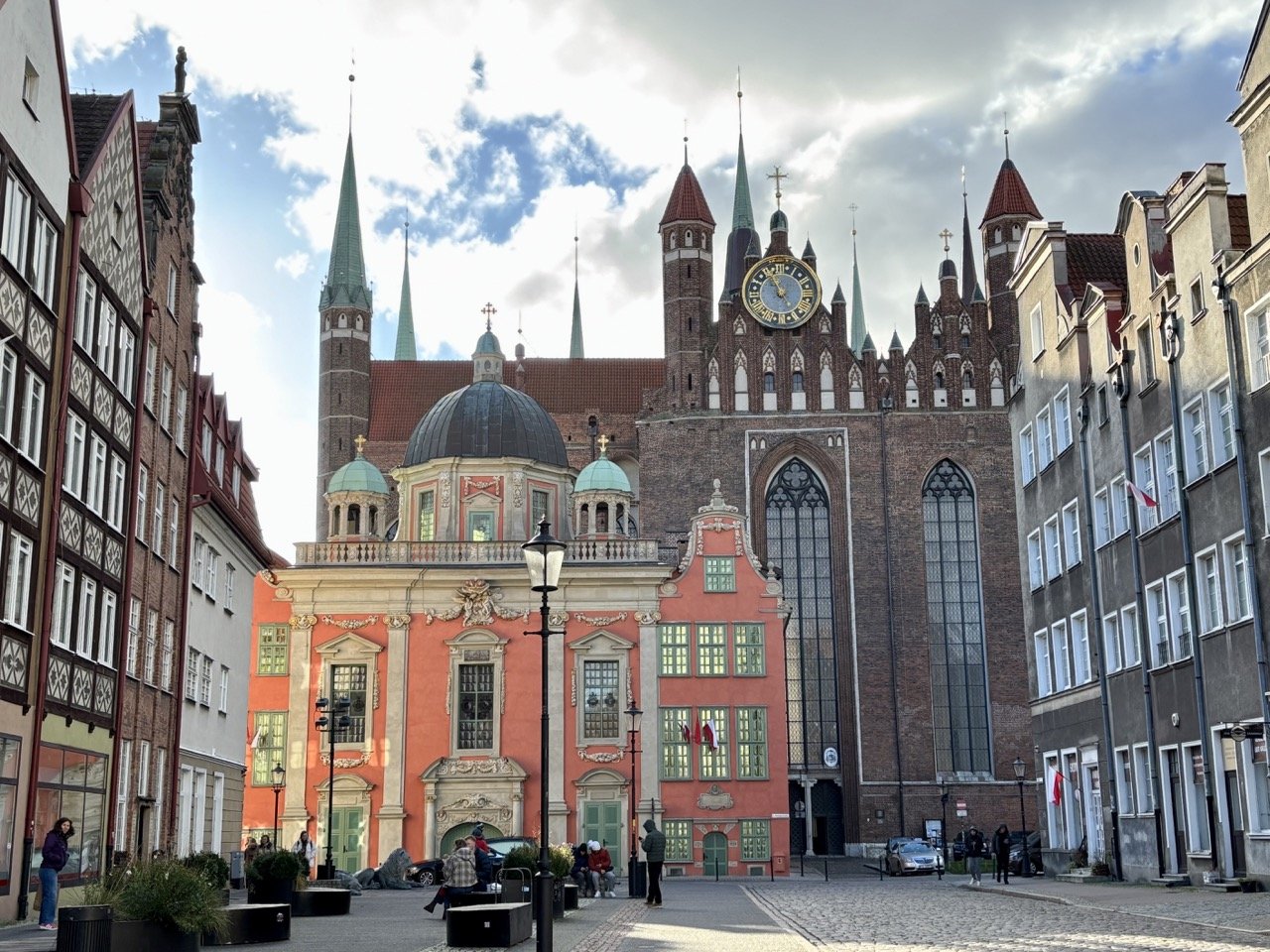
你是否夢想過前往一個結合了中古世紀輝煌歷史、波羅的海迷人海風,以及無處不在的「琥珀文化」的旅遊目的地?波蘭格但斯克 (Gdańsk) 就是這一切的答案。作為波羅的海最重要的貿易港口,這座城市不僅經歷了深刻的二戰歷史,更在戰後重建中展現了絕美的建築風貌。這份詳盡的 波蘭格但斯克自由行 指南,將帶你從古老的 Główne Miasto (主要城區) 出發,穿梭於著名的 Mariacka 街,解鎖這座城市的獨特魅力。
目錄
為什麼選擇格但斯克:不可錯過的 5 個原因
關於格但斯克的 5 個有趣冷知識
攝影愛好者必訪:Top 5 必拍景點詳細指南
2 日經典行程推薦
實用指南:交通、住宿與最佳旅遊時間
Top 5 推薦餐廳與在地美食
常見問題 (FAQ)
為什麼選擇格但斯克:不可錯過的 5 個原因
格但斯克是體驗 波蘭旅遊 的精髓所在,以下是你必須造訪的理由:
深厚的歷史底蘊: 這裡不僅是第二次世界大戰爆發地,也是現代波蘭「團結工聯」運動的誕生地,歷史意義重大。
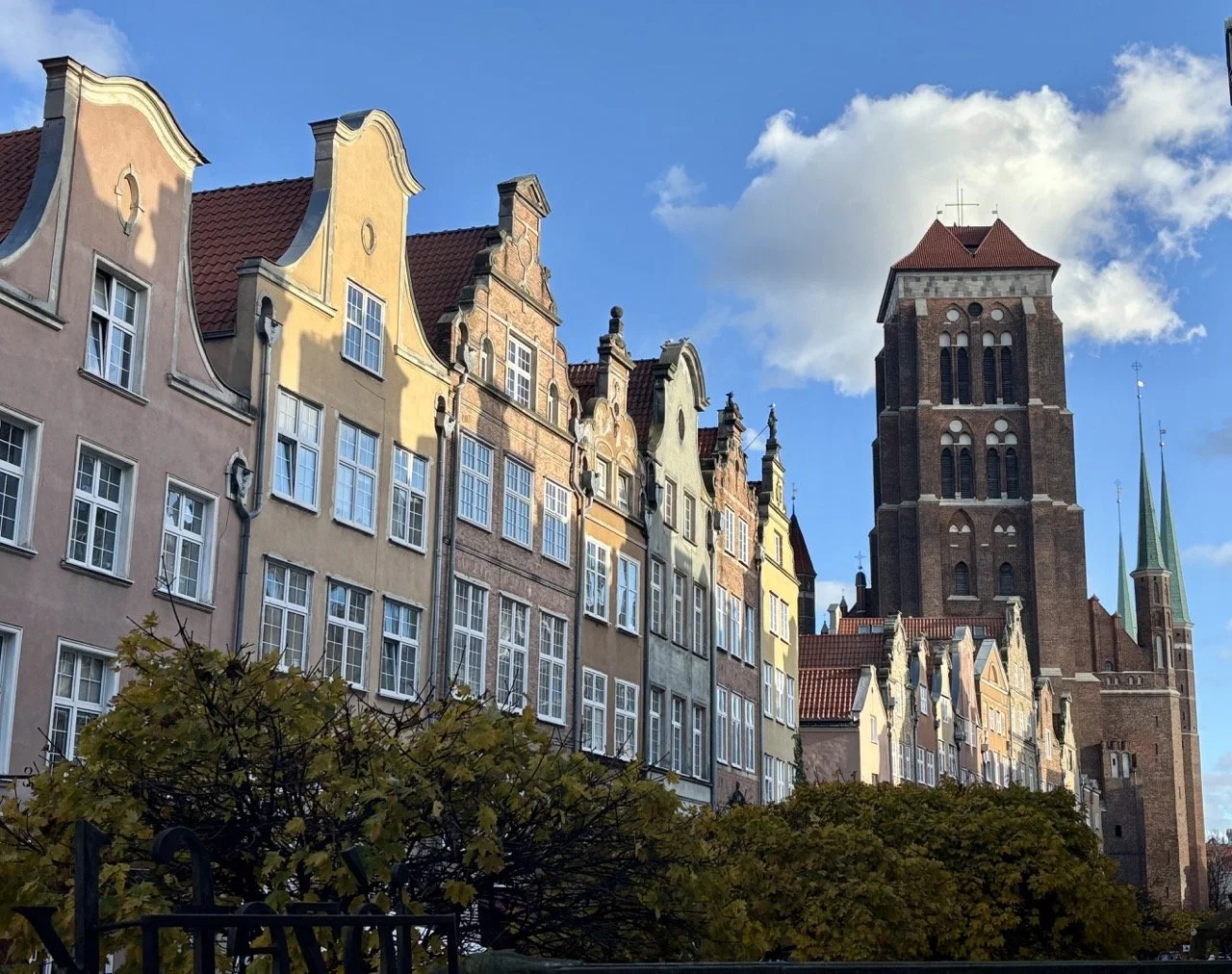
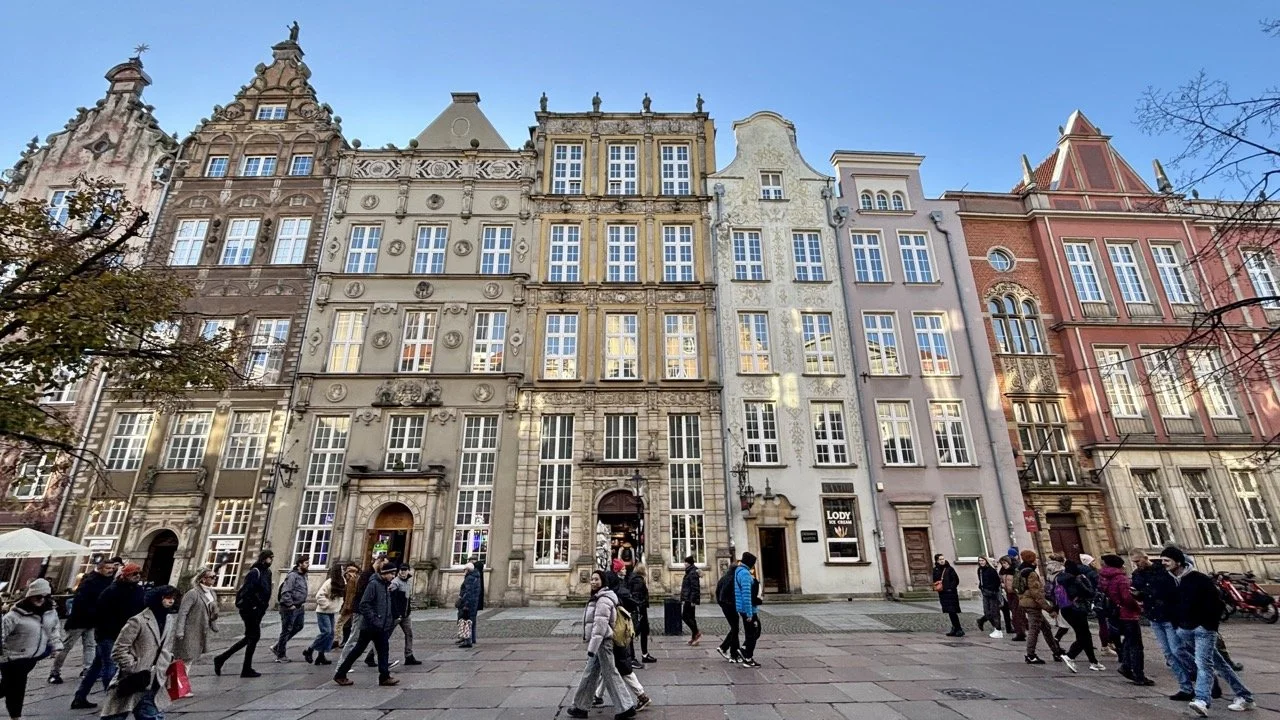
迷人的建築風格: Główne Miasto 區的建築融合了荷蘭、德國與波蘭特色,色彩繽紛,拍照效果極佳。
琥珀之路的核心: 作為世界的琥珀之都,你在這裡能買到世界上最精緻的琥珀工藝品。
絕佳的海岸氛圍: 沿著奧得河與波羅的海,享受充滿海港風情的慢活時光。
高性價比: 與西歐相比,格但斯克的住宿與餐飲價格更為親民,能享受高品質的旅遊體驗。
關於格但斯克的 5 個有趣冷知識
曾是獨立國: 在歷史上,格但斯克曾以「但澤自由市」的身份獨立存在,地位極高。
不只是海港: 雖然以海港聞名,但這裡也是波蘭重要的造船與電子工業基地。
琥珀之城: 世界上約 80% 的琥珀加工產自波蘭,而格但斯克正是其最大的交易中心。
發音挑戰: Gdańsk 的發音對外國人來說是一大挑戰,波蘭人的發音接近「格-丹-斯克」。
音樂之魂: 這裡擁有豐富的爵士文化,許多地下酒吧都隱藏在古老的建築中。
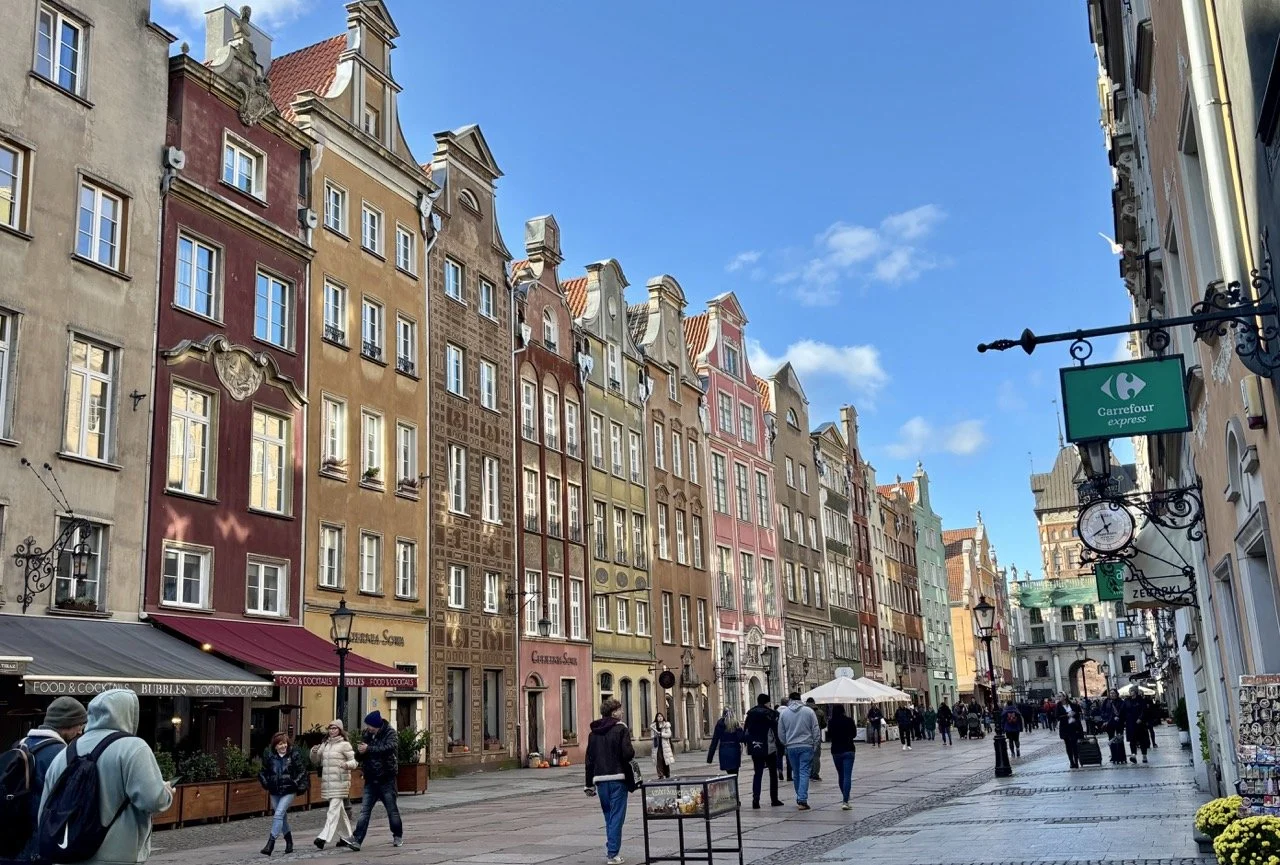
攝影愛好者必訪:Top 10 必拍景點詳細指南
格但斯克不僅是琥珀之都,更是鏡頭下的藝術之城。無論你是追求歷史建築的厚重感,還是喜愛工業遺產的粗獷美,這裡都能滿足你。
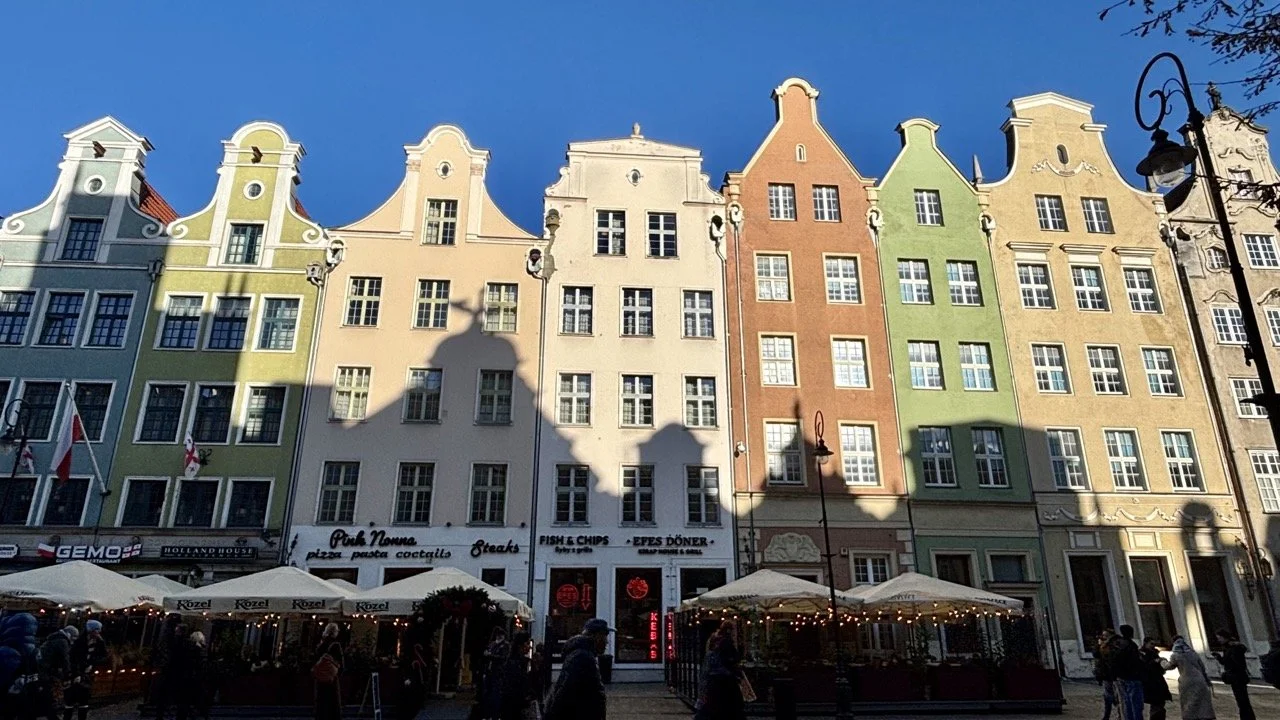
1. 長廣場 (Long Market / Długi Targ)
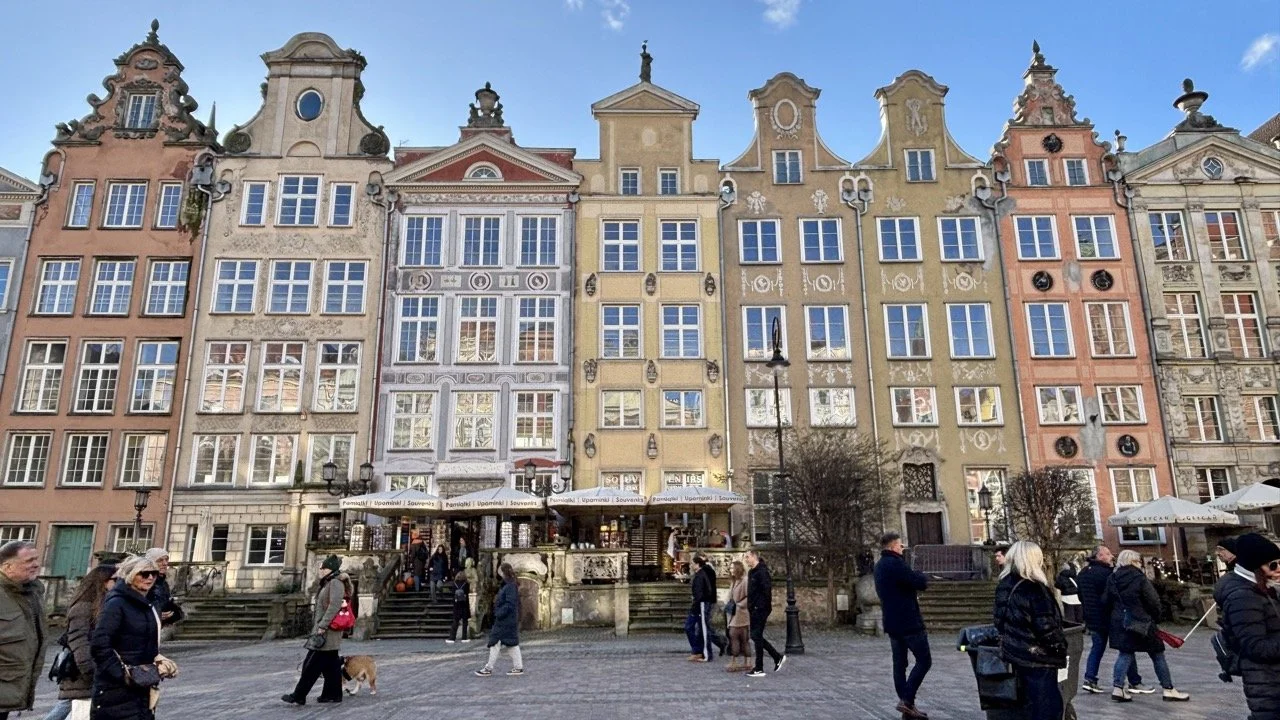
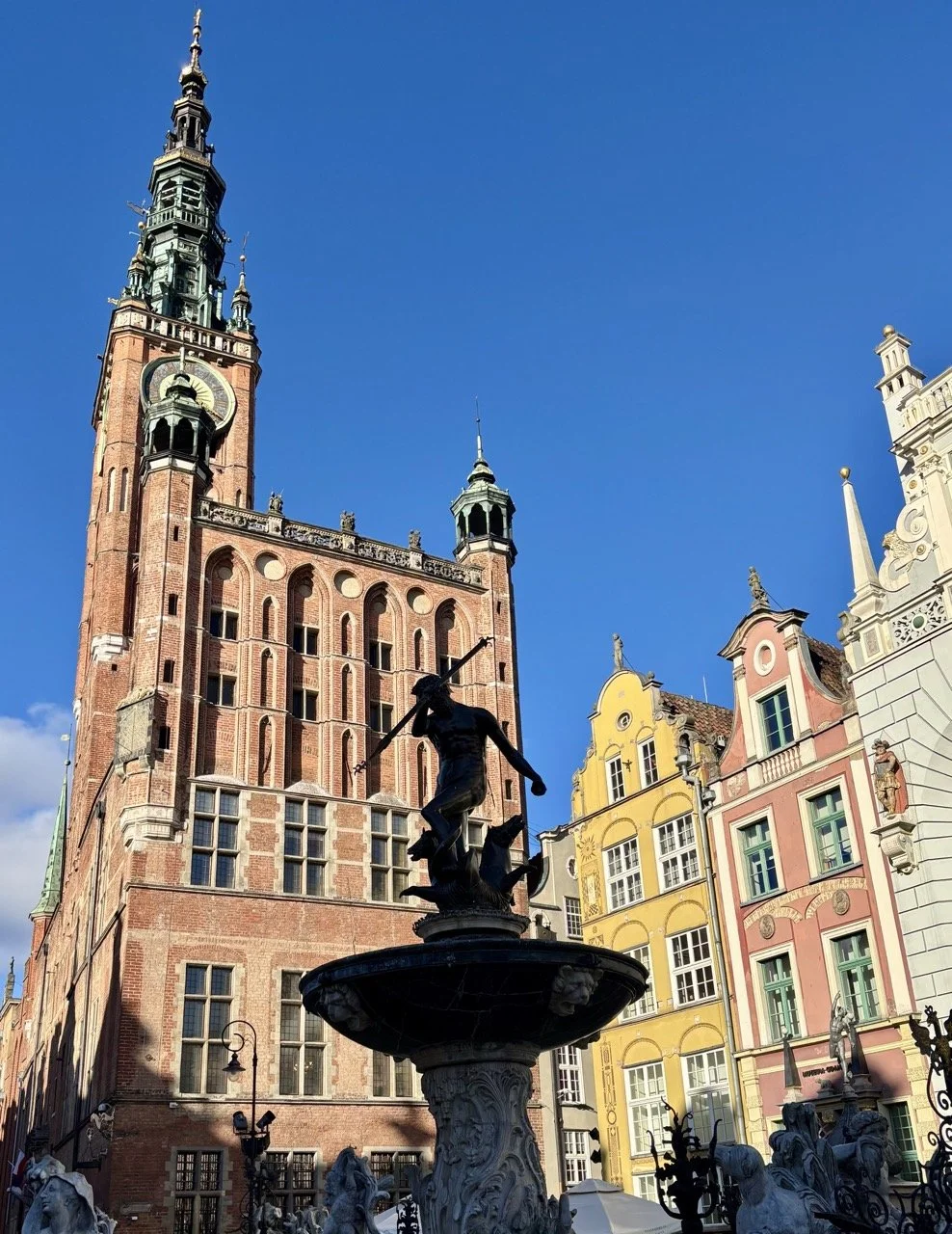
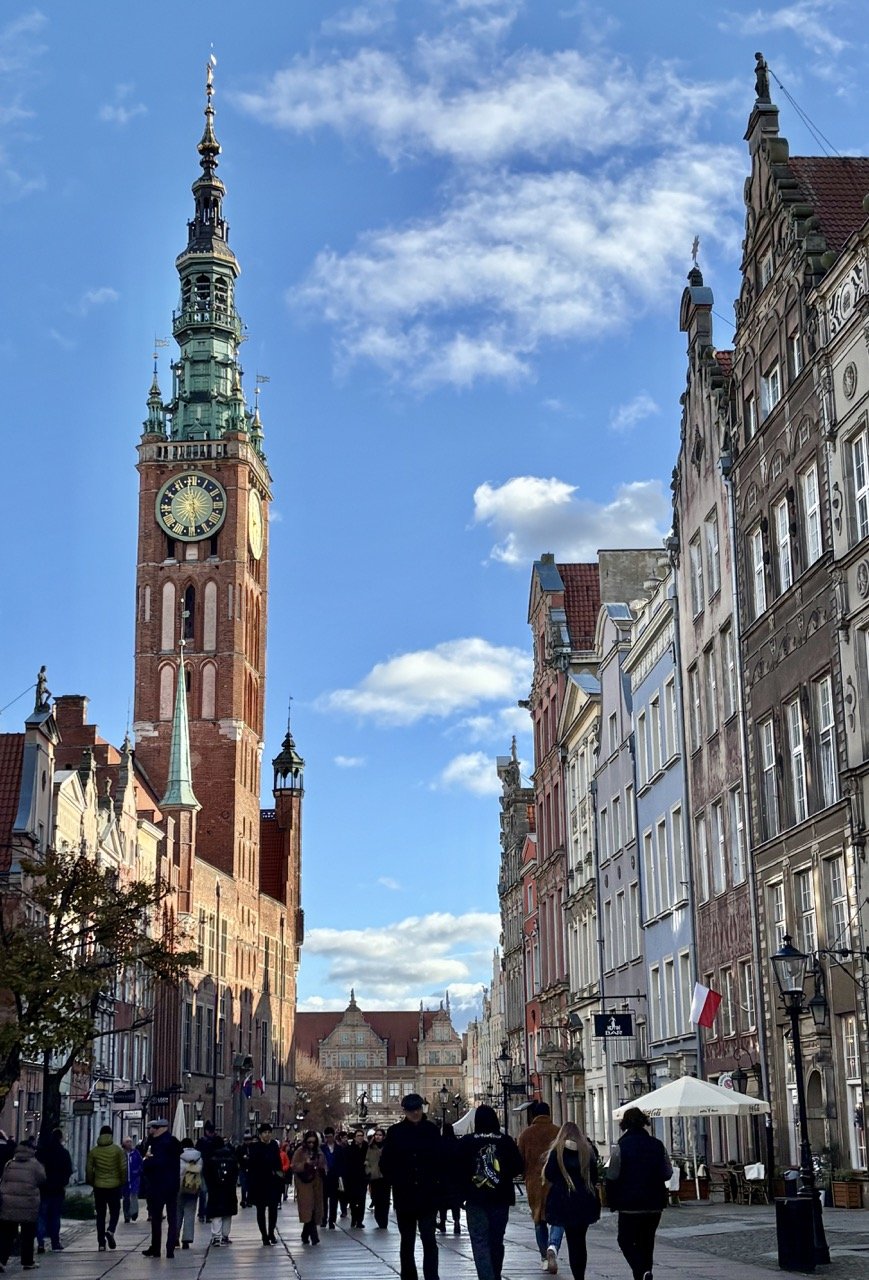
推薦原因: 格但斯克心臟地帶,海神噴泉 (Neptune's Fountain) 與宏偉的市政廳交織出最具代表性的城市明信片場景,濃縮了漢薩同盟時期的繁華。
開放時間: 全天開放(廣場公共空間)。
交通如何到達: 位於老城中心,搭乘電車至「Brama Wyżynna」站下車,步行即達。
攝影小技巧: 建議清晨 6-7 點拍攝,避開遊客潮,能捕捉到晨曦灑在彩色建築立面上的絕美色澤。使用長焦鏡頭壓縮空間,可讓背景的市政廳鐘樓與前景的海神噴泉緊密結合。
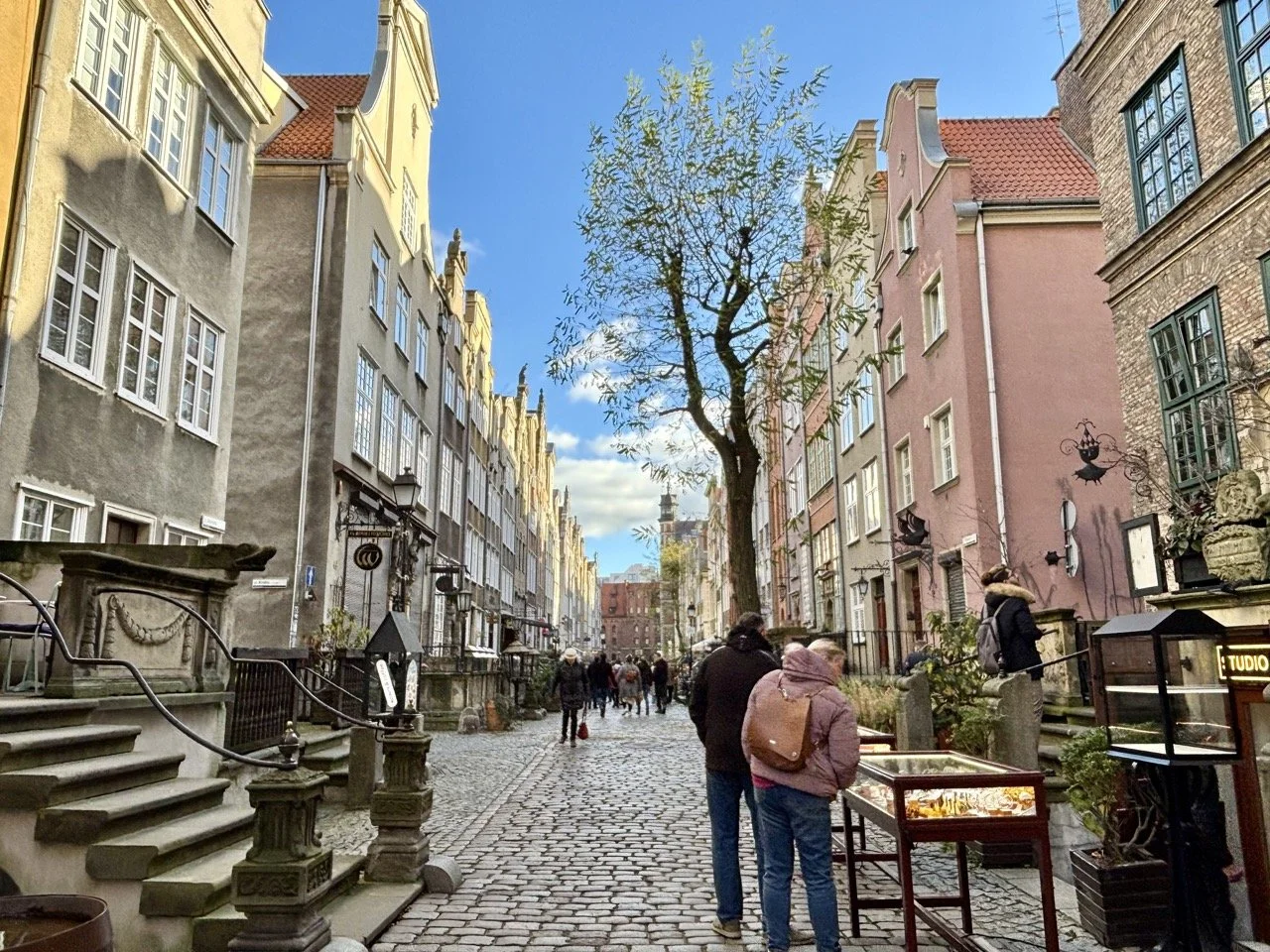
2. 馬利亞茨卡街 (Mariacka Street)
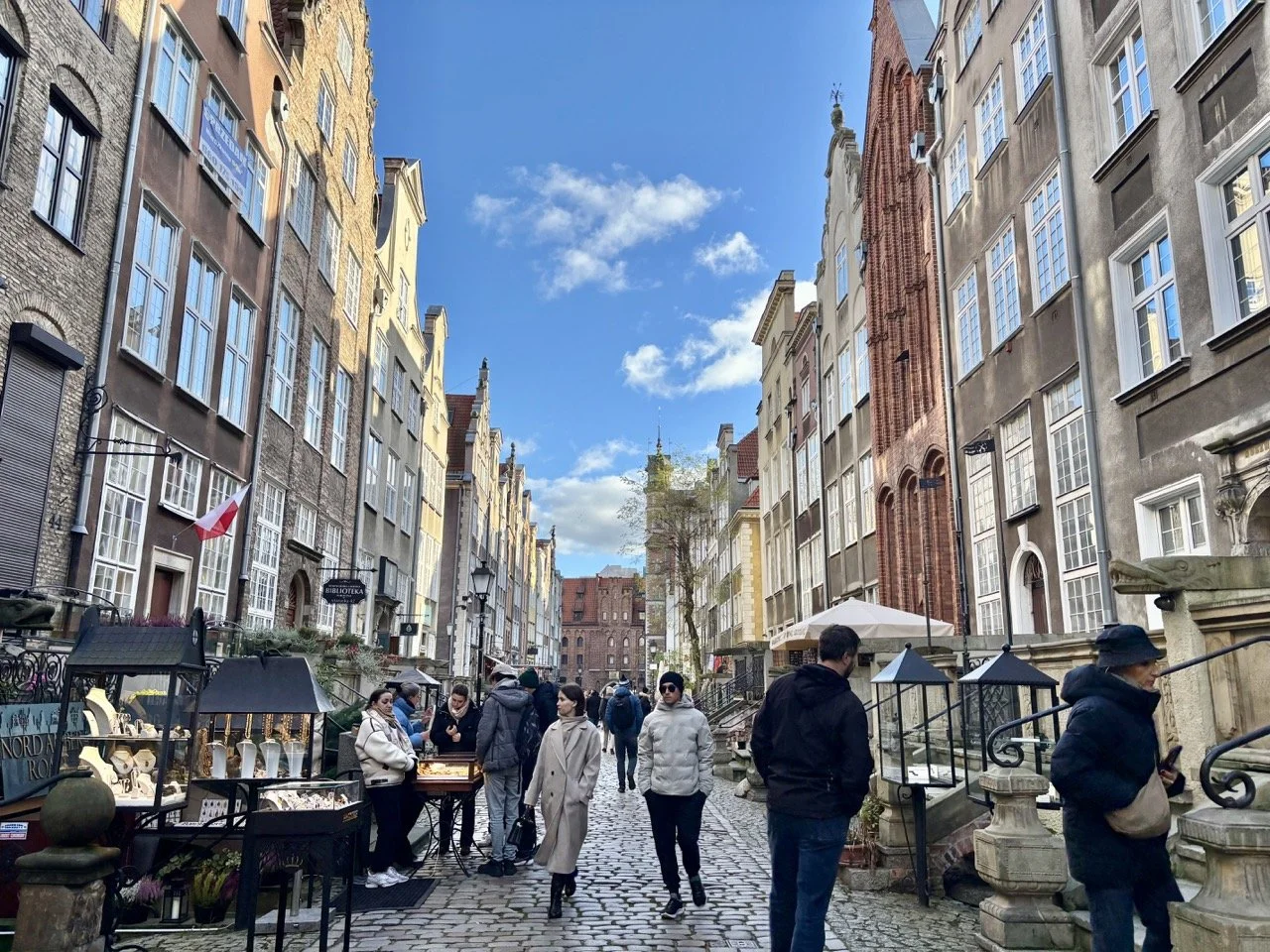
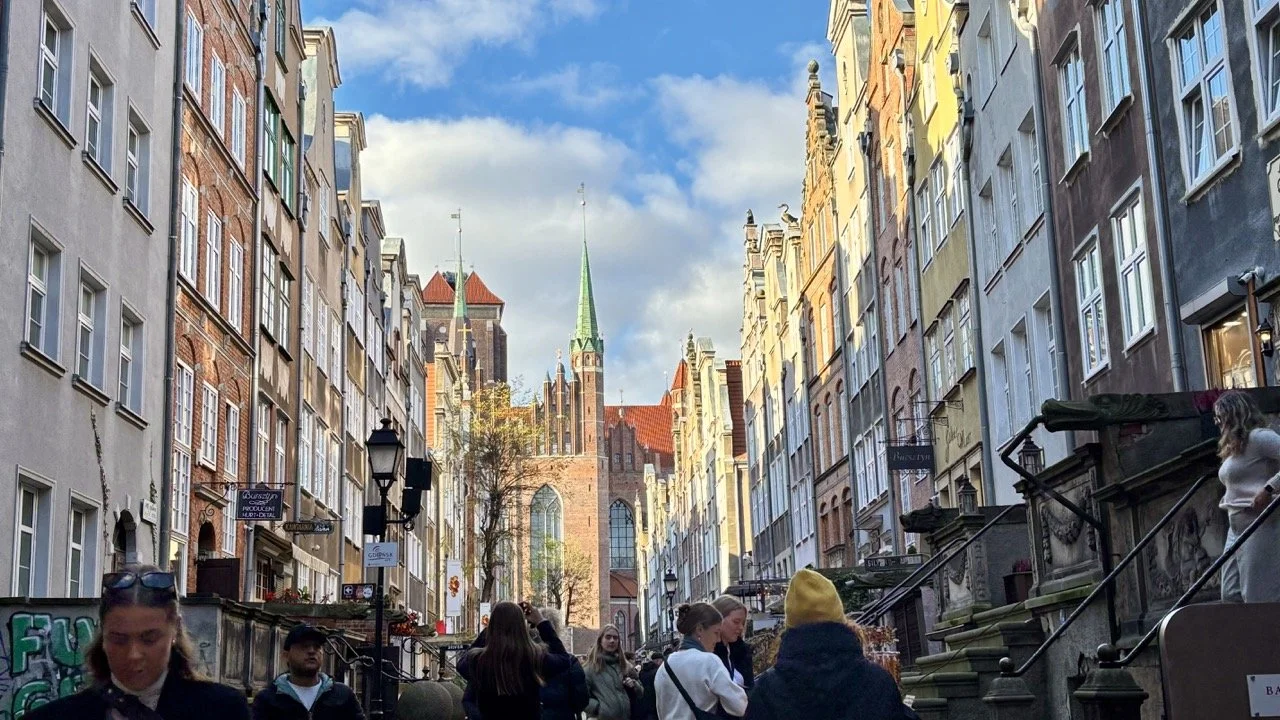
推薦原因: 歐洲最優雅的街道之一,兩旁盡是保存完好的傳統聯排別墅與琥珀精品店,街頭露台獨具特色,氛圍極其浪漫。
開放時間: 全天開放(商店約 10:00-19:00)。
交通如何到達: 從長廣場步行約 5 分鐘即可抵達。
攝影小技巧: 黃昏「藍色時段」(Blue Hour) 是這條街的靈魂時刻,街燈亮起與建築暖光的冷暖對比,能營造出極具魔幻的氛圍。推薦使用中焦段(35mm-50mm)捕捉街道的景深感。
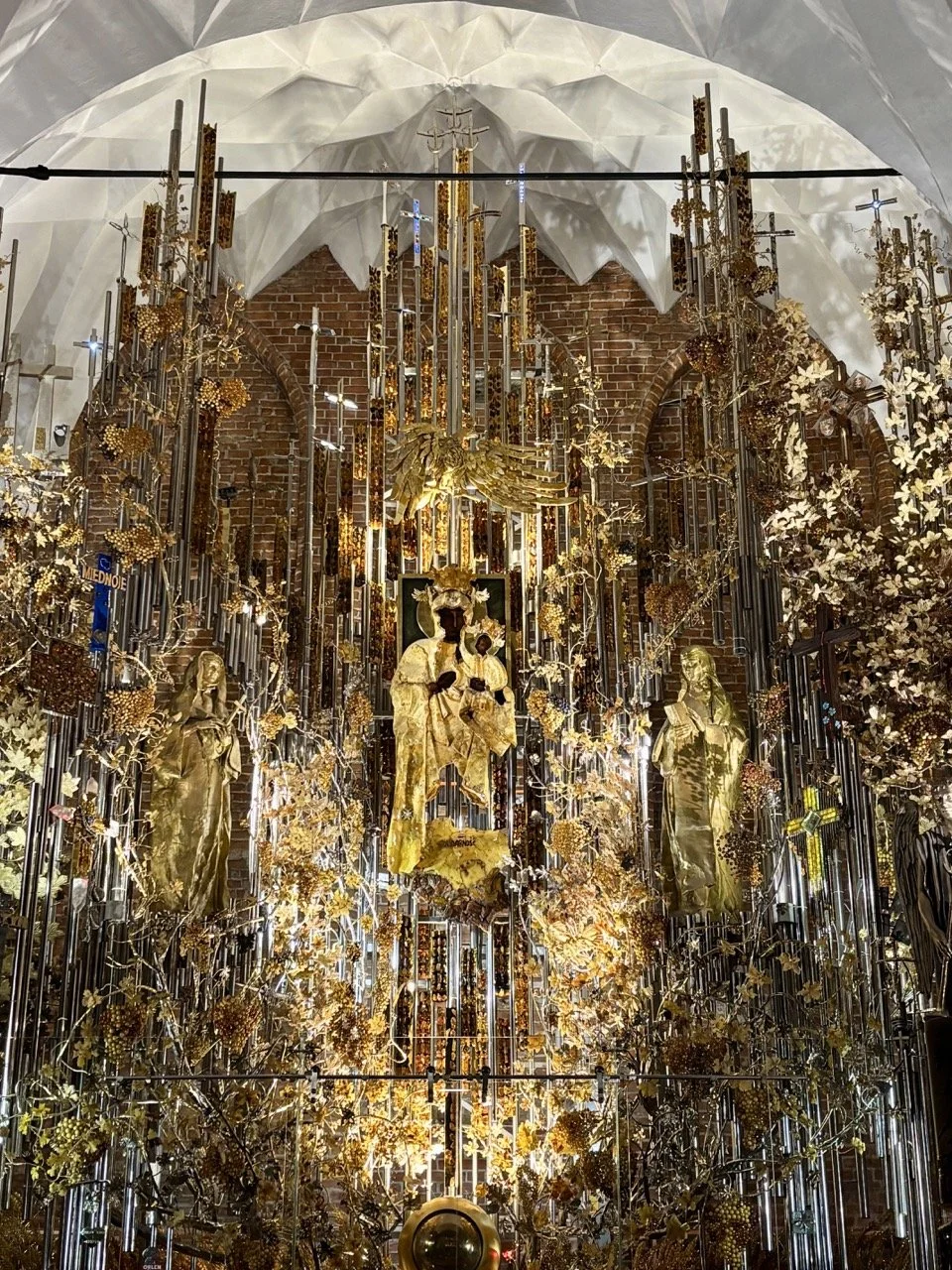
3. 聖布里吉達大教堂 (Basilica of St. Bridget)
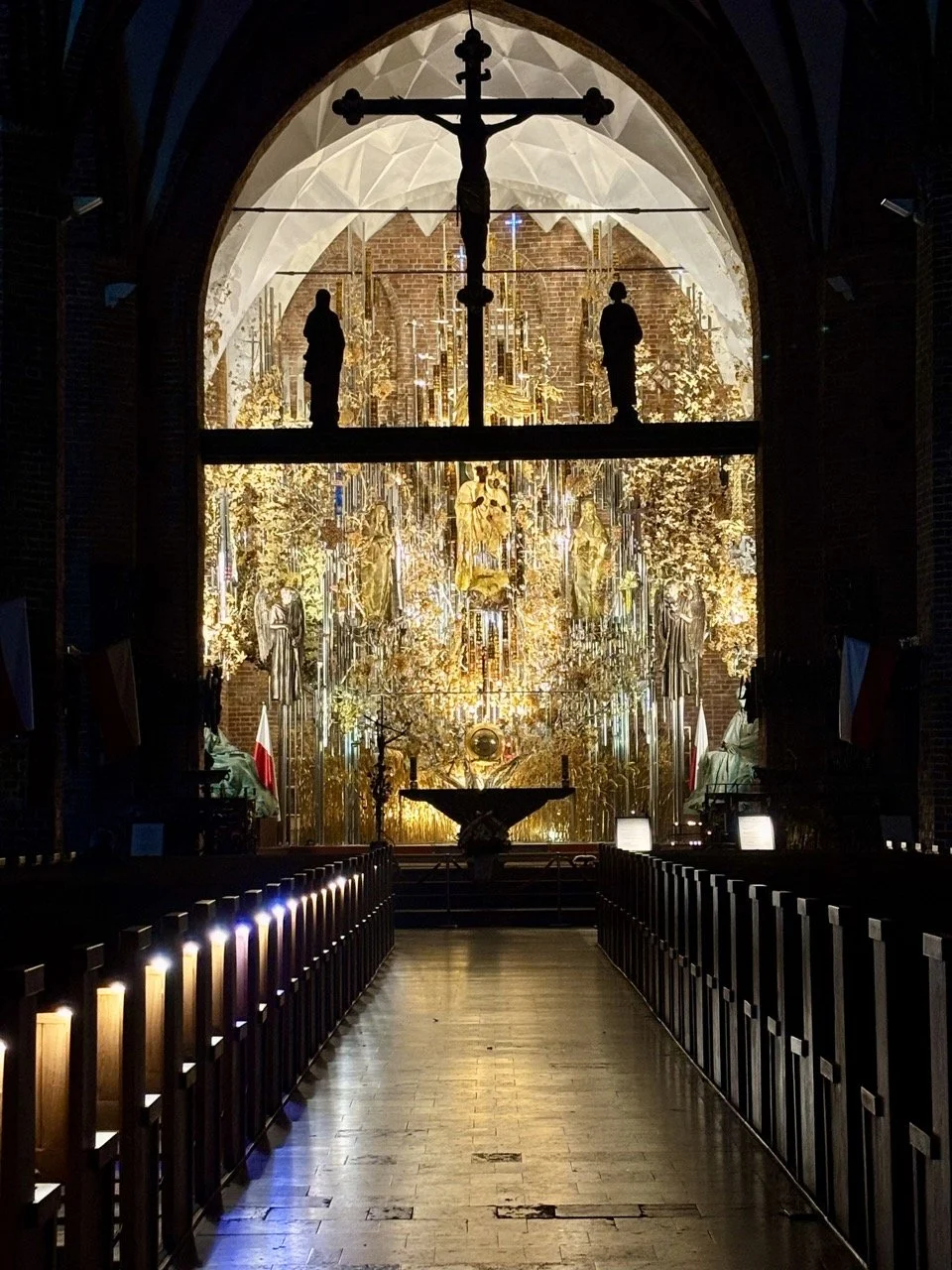
推薦原因: 這裡藏有舉世無雙的「琥珀祭壇」,以數噸琥珀精心打造,工藝極致細膩,是信仰與藝術的完美融合。
開放時間: 每日 09:00 – 18:00(請避開禮拜時間)。
交通如何到達: 位於老城區北部,步行約 10-15 分鐘。
攝影小技巧: 祭壇區域光線較暗,強烈建議使用三腳架配合低 ISO 長曝光,以保留琥珀溫潤的通透感與紋理。
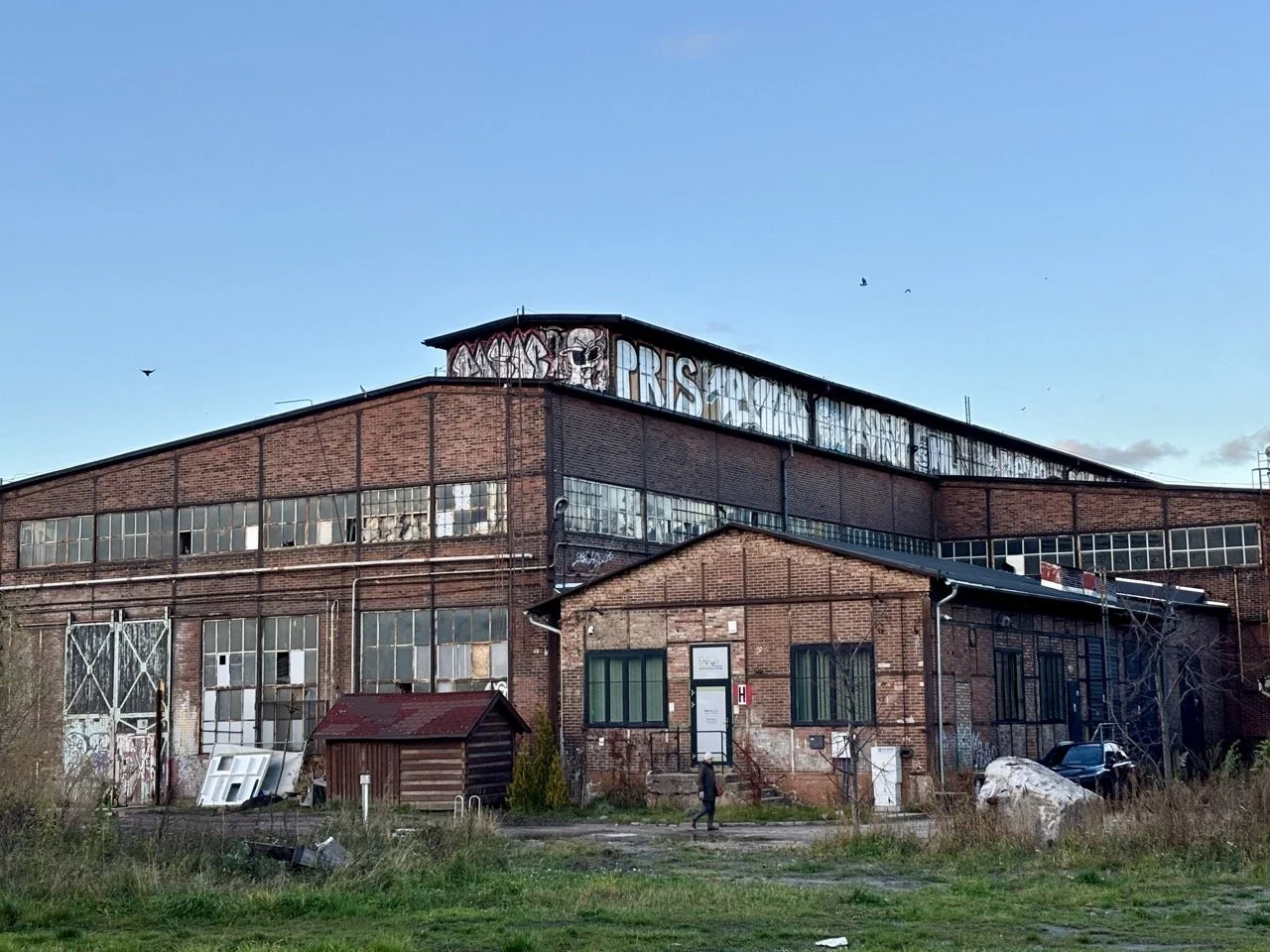
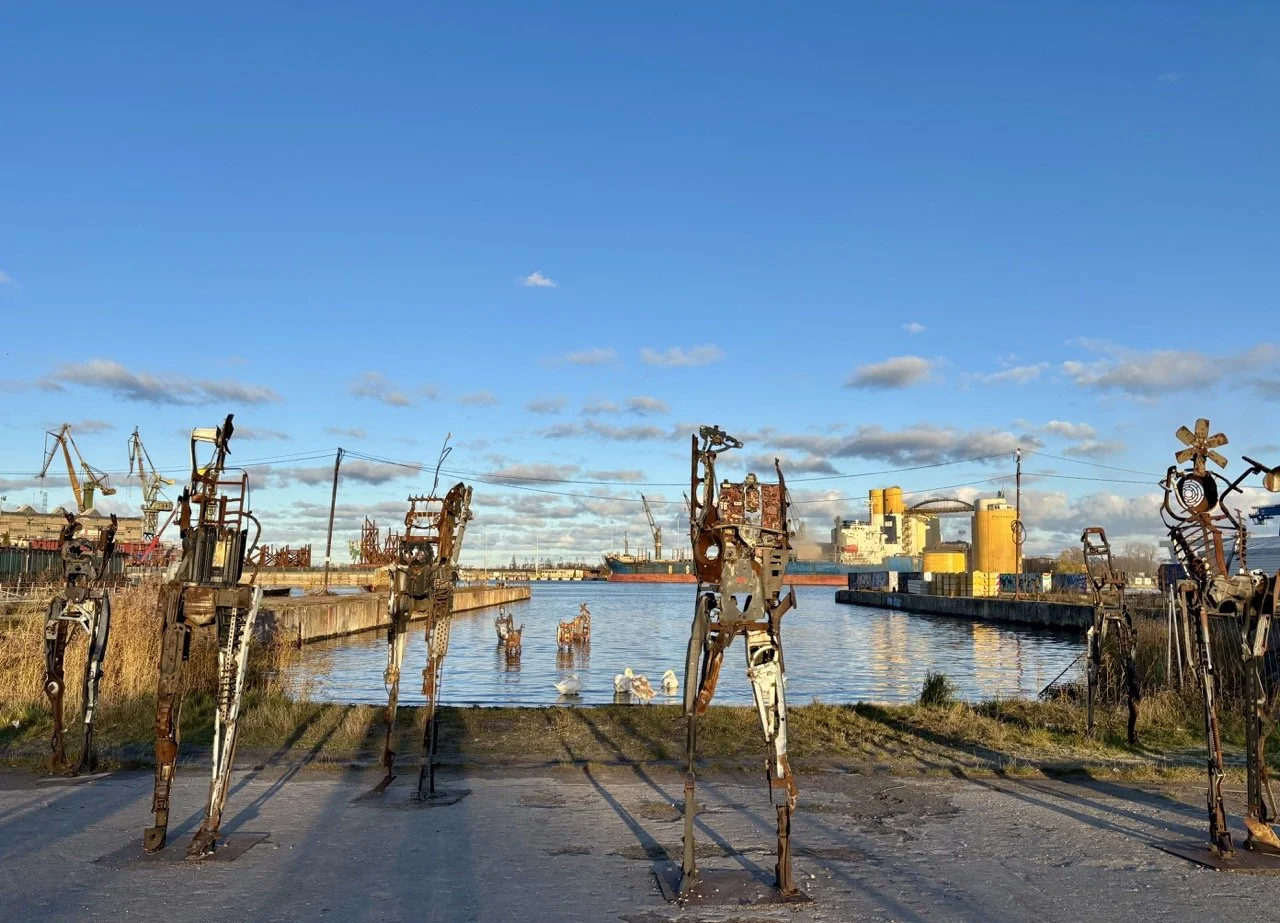
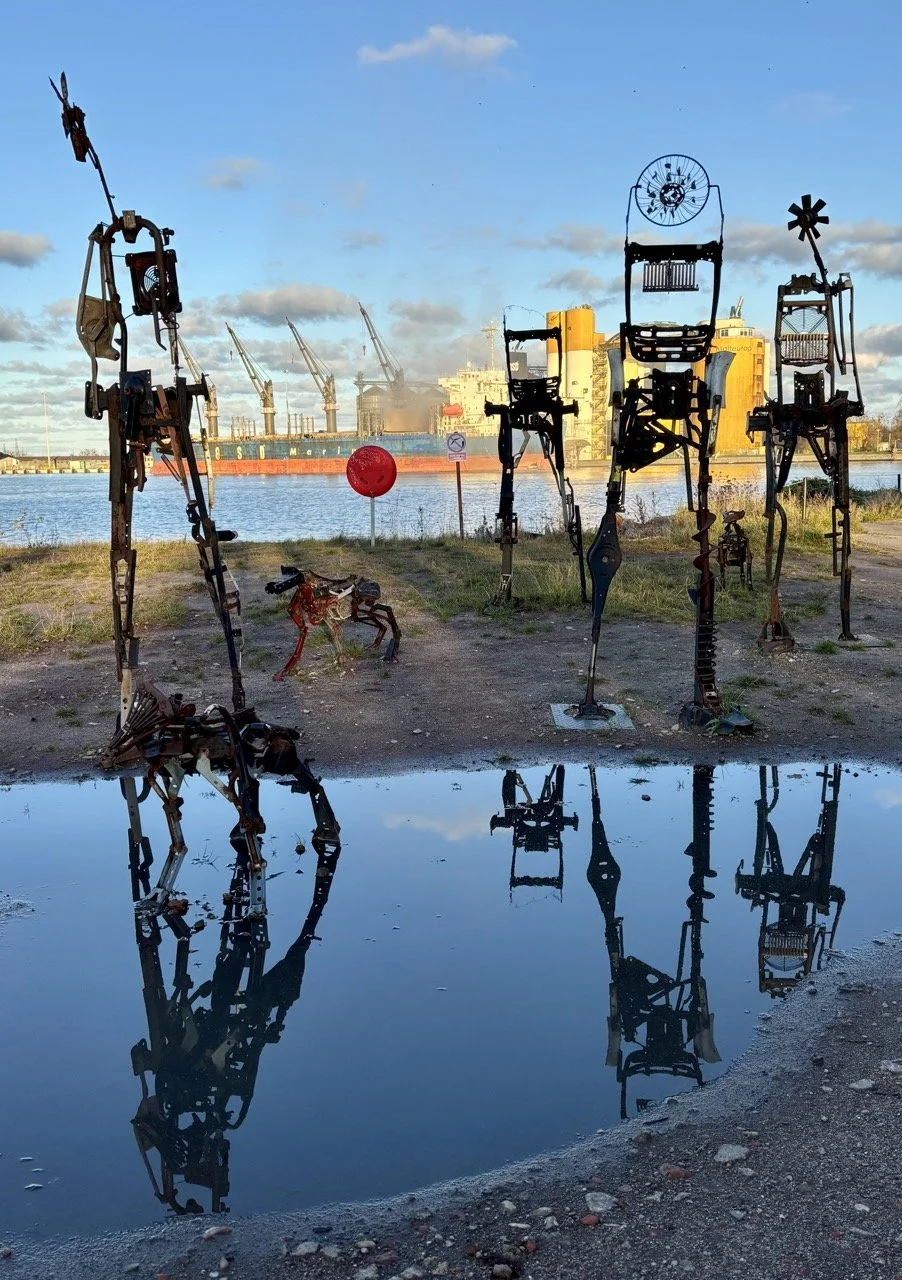
4. Przestrzeń Sztuki WL4 Mleczny Piotr
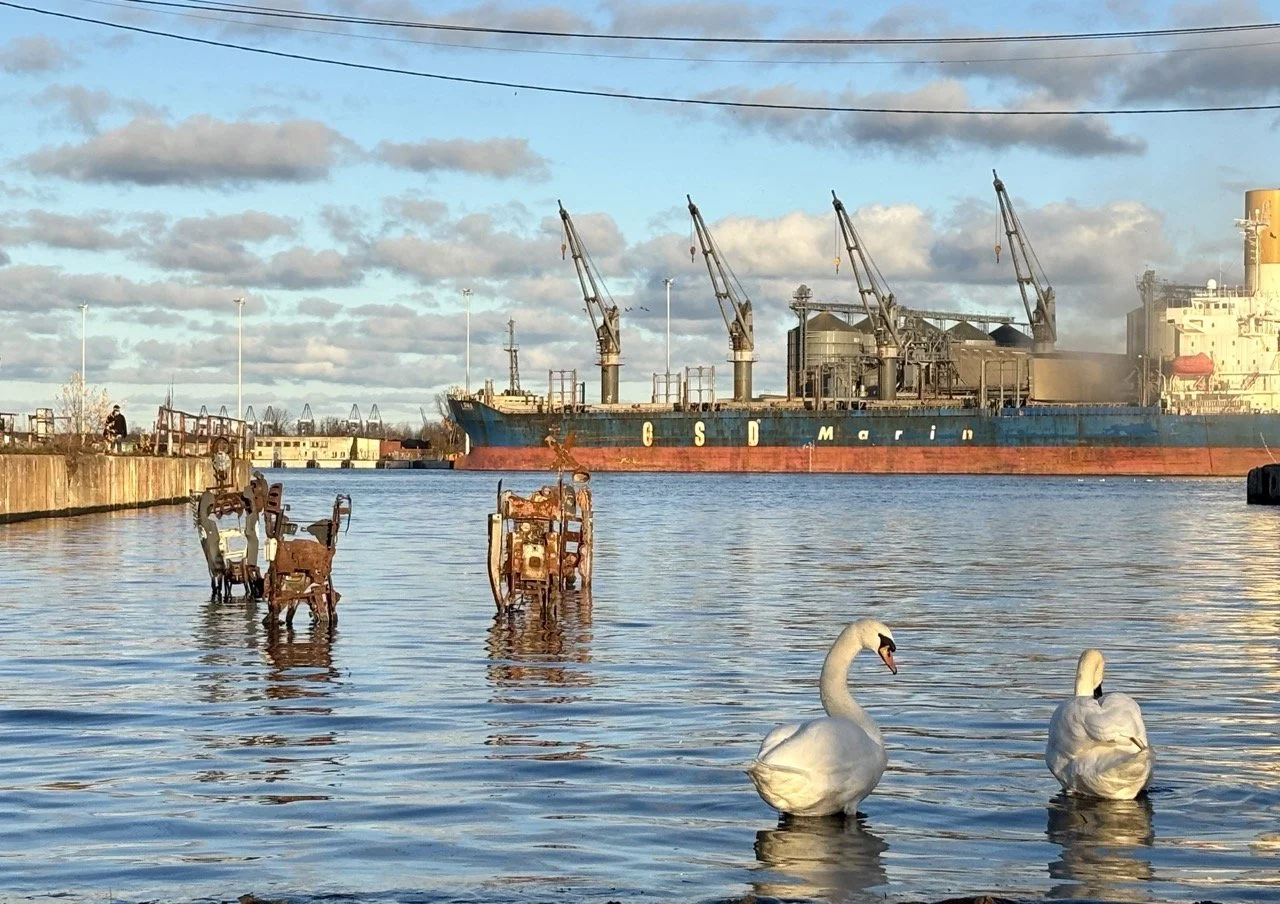
推薦原因: 隱身於舊造船廠的先鋒藝術空間,結合了鏽蝕的工業遺產與現代裝置藝術,攝影層次感豐富。
開放時間: 每日 12:00 – 20:00(建議出發前檢查官方社群頁面)。
交通如何到達: 位於造船廠碼頭區,推薦騎腳踏車前往,沿途可感受濃厚的工業廢墟美學。
攝影小技巧: 利用鏽蝕的金屬、斑駁的牆面作為人像拍攝的背景,能展現強烈的視覺衝擊感,適合黑白或高對比度的色調後期。
5. 格但斯克起重機 (Żuraw)
推薦原因: 這座歐洲現存最古老的港口木結構起重機,見證了格但斯克作為貿易重鎮的輝煌歷史,也是城市的精神地標。
開放時間: 每日 10:00 – 16:00(內部博物館)。
交通如何到達: 沿著奧得河岸漫步即可輕鬆發現。
攝影小技巧: 推薦在河對岸的步道架設腳架,配合日落時分的金色色溫拍攝起重機倒影。若有 ND 鏡,可進行更長時間的曝光以平滑水面,提升畫面質感。
6. 歐洲團結中心 (European Solidarity Centre)
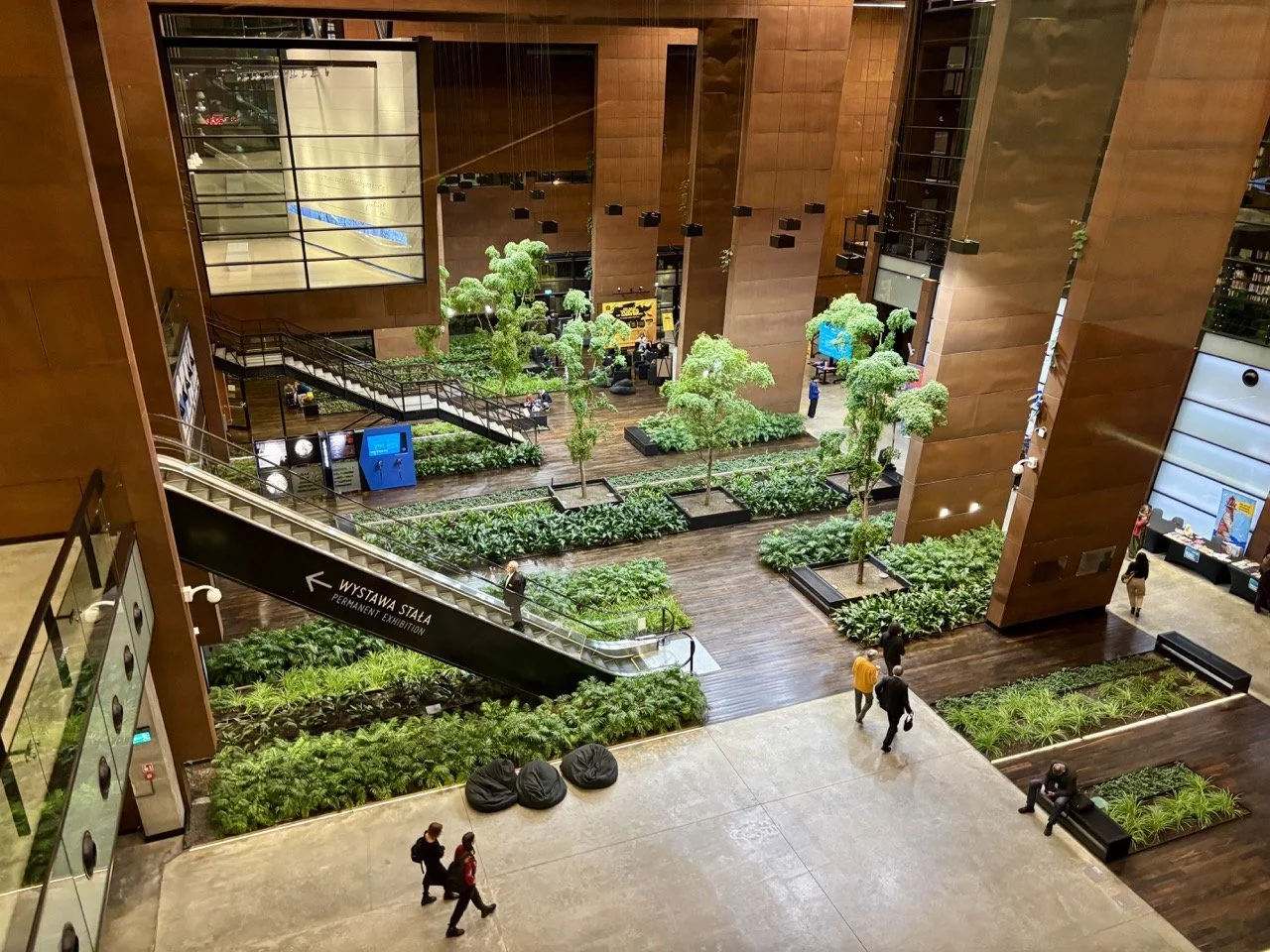
推薦原因: 這是一座充滿紀念意義的現代建築,外觀宛如鏽蝕的船舶殘骸,象徵著波蘭民主運動的艱辛歷程。
開放時間: 週一至週五 10:00 – 18:00,週末 10:00 – 19:00。
交通如何到達: 搭乘電車至「Plac Solidarności」站即達。
攝影小技巧: 拍攝建築外觀時,建議使用超廣角鏡頭,由下往上仰拍,強調金屬外牆的張力感。內部中庭的光影互動極佳,適合捕捉建築幾何線條。
7. 奧利瓦主教座堂 (Oliwa Cathedral)
推薦原因: 以其巨大的管風琴聞名,內部裝飾華麗,巴洛克式雕刻充滿細節,展現出神聖的建築高度。
開放時間: 每日 09:00 – 17:00(音樂會期間請遵守規定)。
交通如何到達: 搭乘火車 (SKM) 至「Gdańsk Oliwa」站,步行可達。
攝影小技巧: 教堂長廊的對稱性極佳,適合採用嚴格的對稱構圖。拍攝時確保水平線垂直,能展現出宏偉的建築空間感。
8. 聖瑪麗大教堂 (St. Mary's Church)
推薦原因: 世界最大的磚砌教堂,登上塔頂可 360 度俯瞰格但斯克紅磚屋頂與遠處的波羅的海。
開放時間: 每日 09:00 – 18:00(塔頂觀景台視天氣而定)。
交通如何到達: 位於老城中心,Mariacka 街旁。
攝影小技巧: 在塔頂拍攝時,推薦使用廣角鏡頭拍攝全景,捕捉老城區像玩具模型般的錯落紅屋頂,下午順光時色彩最飽和。
9. 莫特拉瓦河岸 (Motława Riverfront)
推薦原因: 這裡是格但斯克最具活力的地方,河岸兩側滿是歐式特色建築,夜晚時燈光璀璨,是夜景攝影的絕佳去處。
開放時間: 全天開放。
交通如何到達: 沿著舊城區河邊步道即可到達。
攝影小技巧: 使用大光圈或三腳架拍攝,捕捉河水中燈光的星芒效果。建議攜帶偏光鏡 (CPL) 減少水面反光,讓河中倒影更加清晰。
10. 韋斯特普拉特半島 (Westerplatte)
推薦原因: 二戰爆發的紀念地,充滿歷史的滄桑,巨大的紀念碑矗立在半島上,環境極為沈靜肅穆。
開放時間: 全天開放。
交通如何到達: 推薦從河岸搭乘觀光船前往,體驗海上的歷史感。
攝影小技巧: 這裡是拍攝紀實風格影像的絕佳地點。陰天時拍攝,能更好地表現紀念碑的歷史厚重感與肅穆氛圍。建議運用簡約構圖,將紀念碑放置在畫面的三分線上。
2 日經典行程推薦
第 1 天:探索老城歷史
上午:參觀長廣場與海神噴泉,漫步 Główne Miasto。
下午:深入 Mariacka 街,尋找心儀的琥珀飾品。
傍晚:登上聖瑪麗大教堂塔樓俯瞰全城。
第 2 天:工業遺產與文化
上午:參觀聖布里吉達大教堂,欣賞琥珀祭壇。
下午:前往造船廠區,探訪 Przestrzeń Sztuki WL4 Mleczny Piotr 體驗藝術氛围。
晚上:在河岸邊的特色餐廳享用海鮮晚餐,結束完美旅程。
實用指南:交通、住宿與最佳旅遊時間
交通方式: 市內交通以電車 (Tram) 為主,十分便利。從華沙前往可搭乘火車 (PKP),約 3 小時車程。
住宿建議: 強烈建議住宿在 Główne Miasto (老城區),雖然價格稍高,但所有景點皆在步行範圍內。
最佳旅行時間: 5 月至 9 月,天氣宜人,適合戶外攝影與漫步。
Top 5 推薦餐廳與在地美食
1. Józef K.
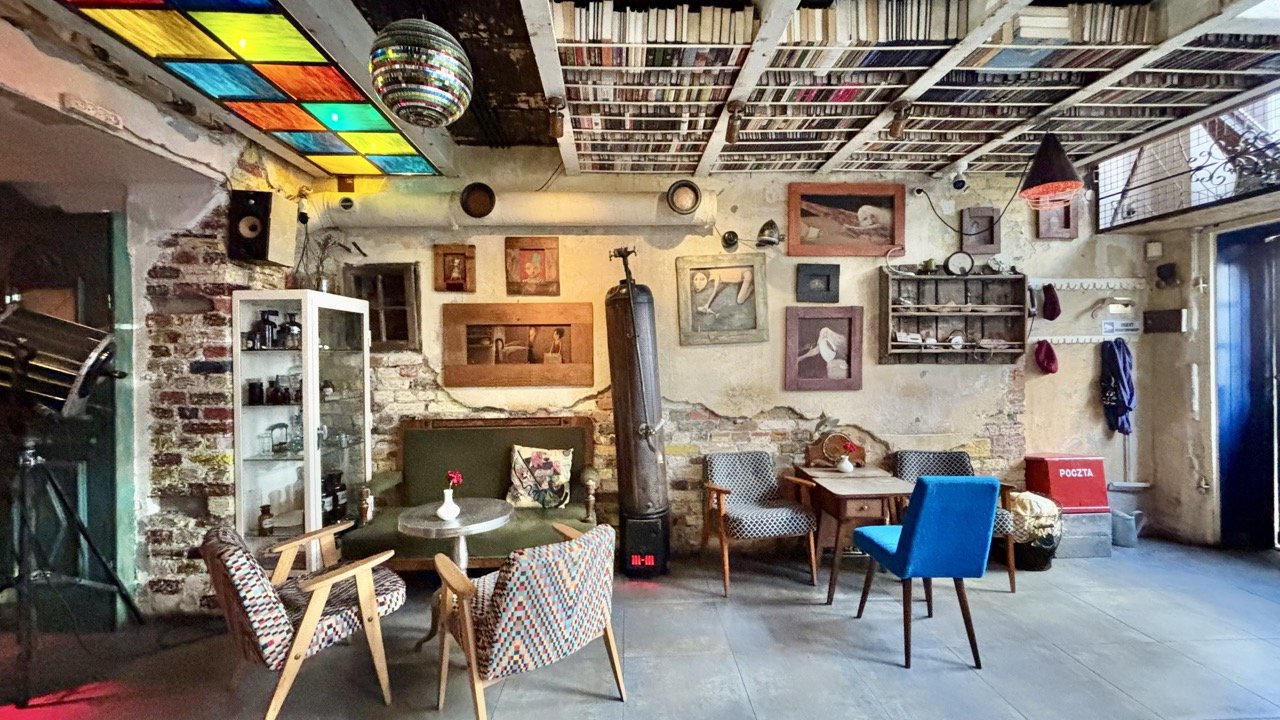
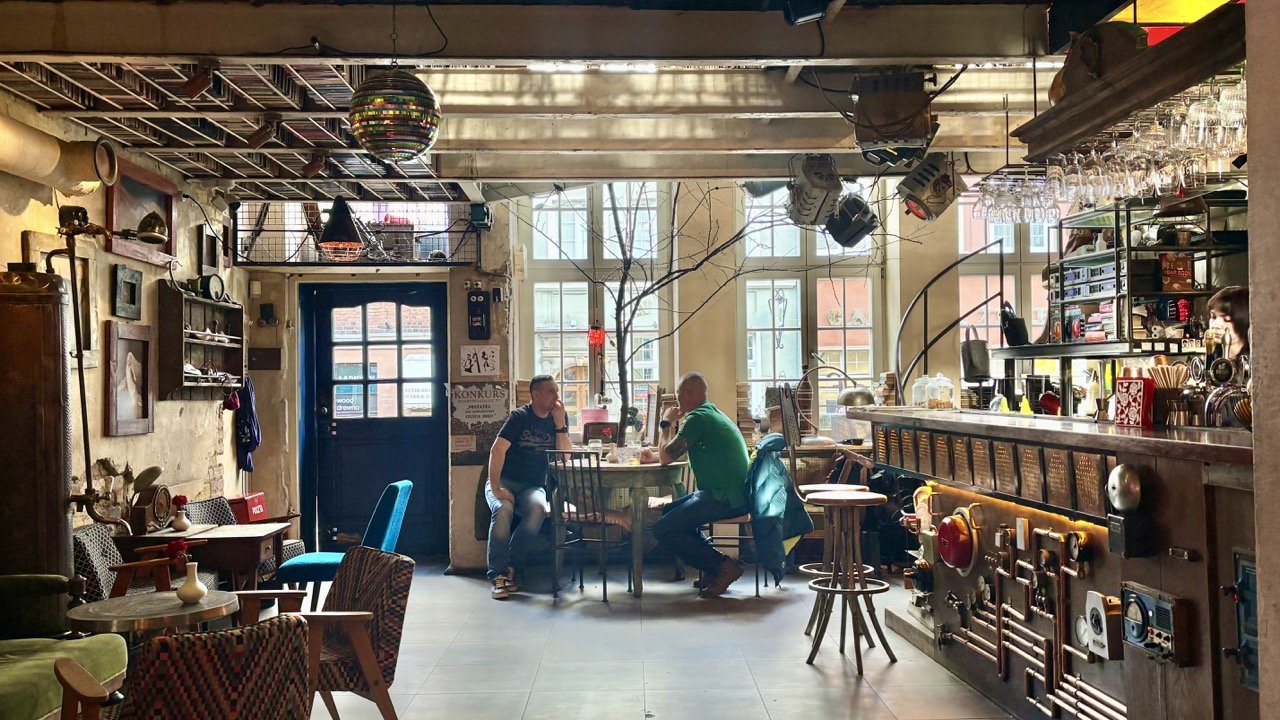
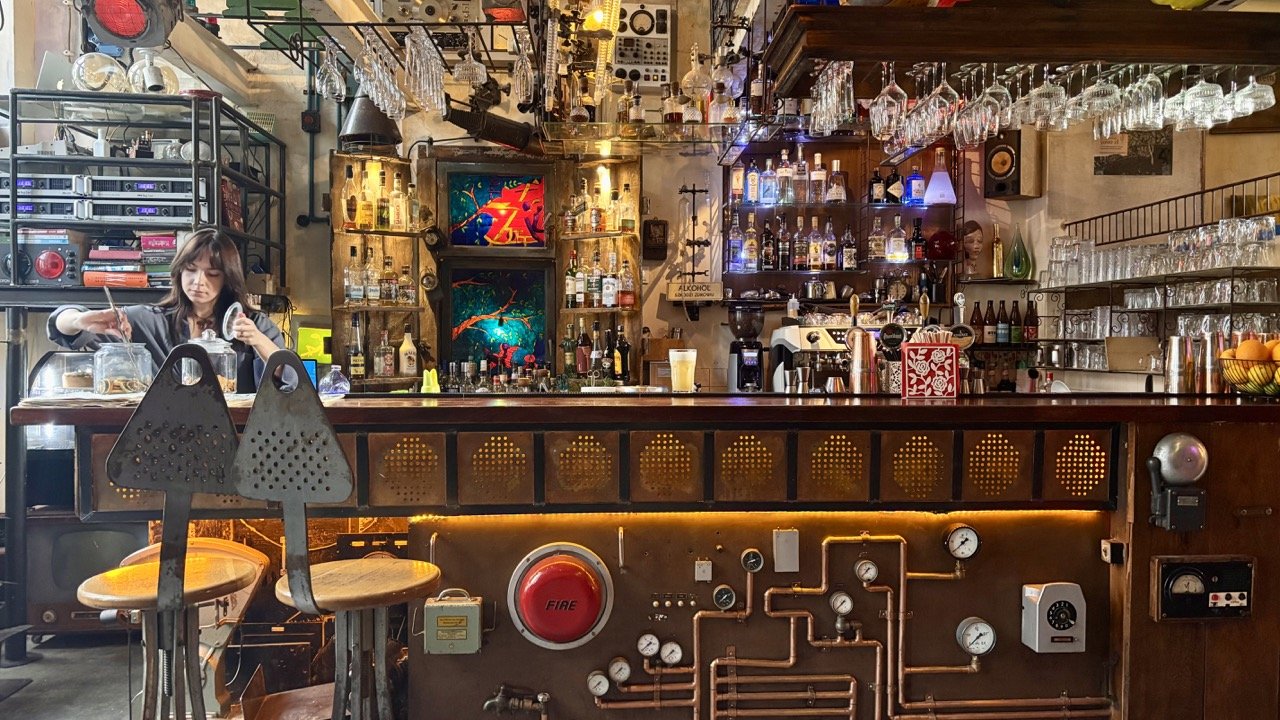
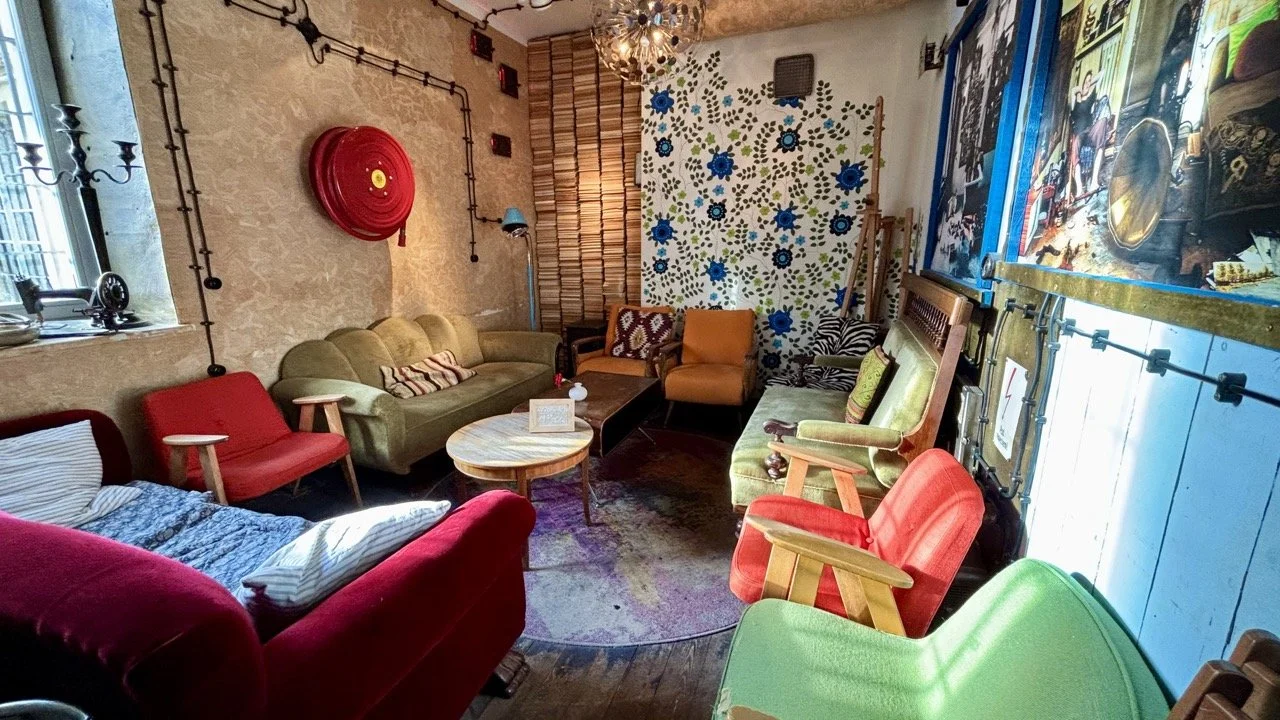
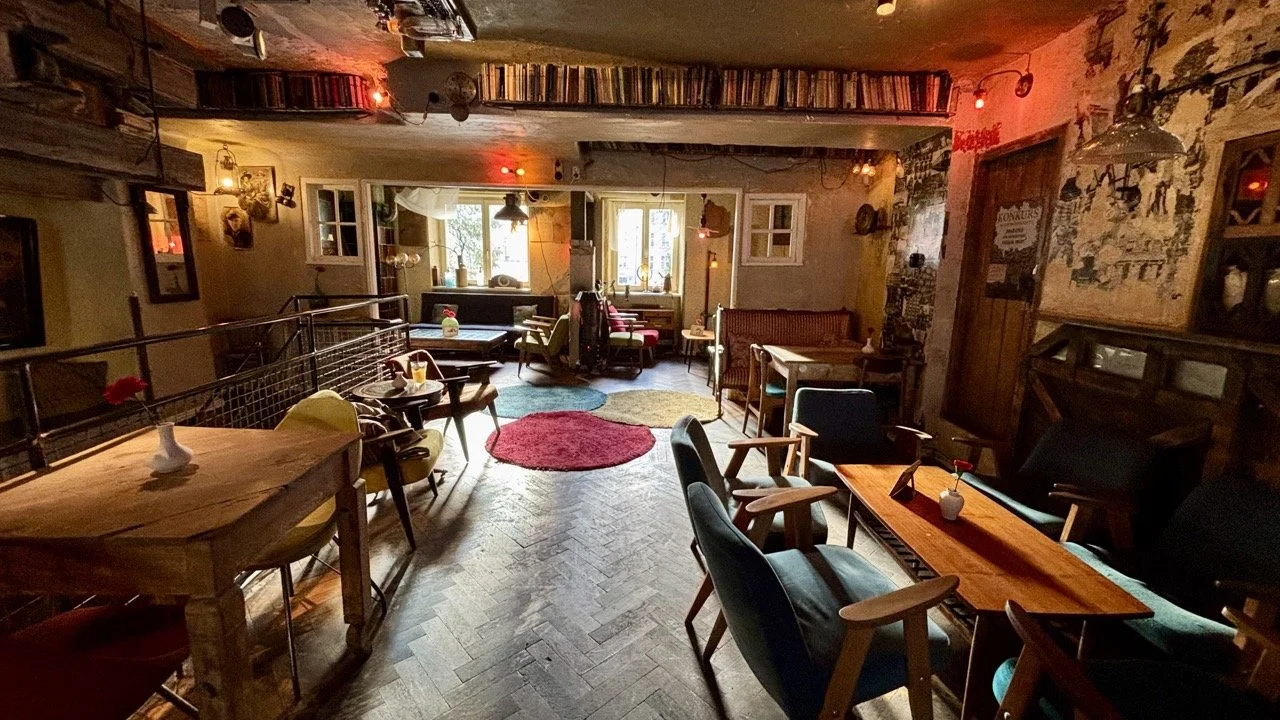
推薦原因: 極具藝術感與懷舊氛圍,是當地文青最愛的爵士酒吧兼餐廳,環境舒適。
必吃餐點: 精釀啤酒、波蘭傳統特色小吃盤。
價位範圍: 中等。
交通: 位於老城區巷弄內,點擊查看 Google Maps。
如何到達: 從長廣場步行約 5 分鐘即可抵達。
2. Pierogarnia Stary Młyn
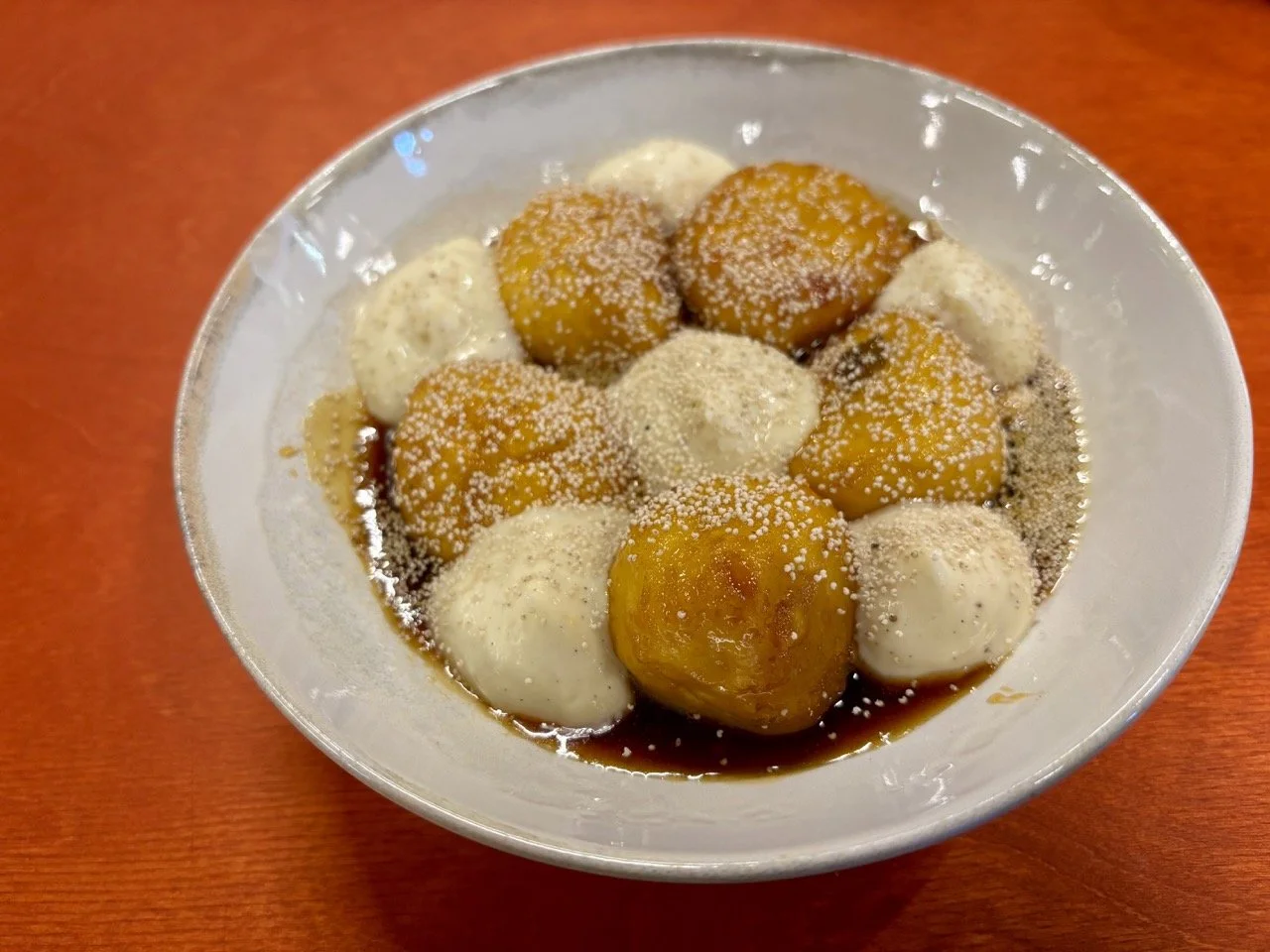
推薦原因: 以傳統波蘭餃子聞名,有多種口味可供選擇,環境非常溫馨。
必吃餐點: 手工傳統煎餃 (Pierogi)。
價位範圍: 平價親民。
交通: 位於老城主要幹道,點擊查看 Google Maps。
如何到達: 位於熱鬧的觀光區中心。

3. Gdański Bowke
推薦原因: 完美的河岸餐廳,提供道地的波蘭海港美食,歷史氛圍濃厚。
必吃餐點: 燉魚料理、傳統黑麥湯。
價位範圍: 中高。
交通: 位於河岸邊,點擊查看 Google Maps。
如何到達: 從起重機景點步行即可抵達。
4. Restauracja Kubicki
推薦原因: 格但斯克最古老的餐廳之一,擁有絕佳的河景視野,適合正式晚餐。
必吃餐點: 烤鴨料理、特色沙拉。
價位範圍: 高。
交通: 河岸邊,點擊查看 Google Maps。
如何到達: 鄰近格但斯克起重機。
5. Chleb i Wino
推薦原因: 名氣響亮的早午餐與晚餐點,主打新鮮麵包與豐富的歐式料理。
必吃餐點: 特色早午餐盤、烤肉類拼盤。
價位範圍: 中等。
交通: 老城區主要街道,點擊查看 Google Maps。
如何到達: 位於老城區步行街內。
常見問題 (FAQ)
Q:格但斯克需要準備多少預算? A:波蘭物價比西歐便宜,單日約 1500-2500 元台幣即可享受高品質體驗。
Q:這裡安全嗎? A:非常安全,作為熱門旅遊城市,治安良好,只需注意觀光區扒手即可。
Q:是否推薦買琥珀? A:非常推薦,建議在 Mariacka 街 的合法珠寶店購買,並要求開具認證書。
準備好踏上你的 波蘭格但斯克自由行 之旅了嗎?這座充滿故事的海港城,正等著你親自來探索。現在就規劃你的假期,在下一個假期,成為那漫步在琥珀之路上的旅人吧!
延伸閱讀:波蘭完整旅遊攻略
關於作者|Toto Kuo
大家好,我是 Toto Kuo,來自台灣,目前定居在浪漫的 希臘聖托里尼。身為一名熱愛探索的攝影師與旅人,我曾以背包客的身分走遍 超過 80 個國家,並曾旅居 加拿大、紐約、巴黎,且在 4 個國家打工度假,用旅行的方式體驗世界的多元文化。
目前,我與希臘先生在聖托里尼一起經營一家 希臘餐廳 Karma與 聖托里尼婚紗攝影工作室,同時把我最熱愛的攝影、旅行、美食與文化分享給更多人。無論是 希臘小島推薦、聖托里尼完整攻略、在地美食推薦、咖啡館探訪、旅遊攝影指南,和自由行的行程安排,我都會透過文字與影像帶你親身感受。
Gdańsk Travel Guide: Explore Poland’s Amber City and the Most Beautiful Baltic Harbour
Are you looking for a European destination filled with medieval architecture, fascinating history, colourful streets and refreshing Baltic Sea air? Gdańsk, Poland, may be the perfect choice.
Once one of the most important trading ports on the Baltic Sea, Gdańsk combines Hanseatic heritage, World War II history, Solidarity movement landmarks and beautifully reconstructed old-town architecture. From the elegant streets of Główne Miasto to the amber shops of Mariacka Street, every corner offers something memorable.
This practical Gdańsk travel guide covers the best things to do, top photography locations, transport, accommodation, restaurants, a recommended 2-day itinerary and useful travel tips.
Important: Museum opening hours, church access, tower visits, restaurant prices and public transport schedules may change. Always check the official website shortly before your visit.
Table of Contents
Why Visit Gdańsk?
Five Interesting Facts About Gdańsk
Top 10 Photography Spots in Gdańsk
A Practical 2-Day Gdańsk Itinerary
Transport in Gdańsk
Where to Stay in Gdańsk
Best Time to Visit Gdańsk
Top 5 Restaurants and Local Food
Photography Tips for Gdańsk
Frequently Asked Questions
Why Visit Gdańsk? Five Reasons Not to Miss This Baltic City
1. A city shaped by European history
Gdańsk has been influenced by Polish, German, Dutch and Baltic cultures. Its location on the Baltic Sea made it a major trading centre, while its more recent history connects it to both World War II and the birth of the Solidarity movement.
Visitors can explore medieval streets, historic shipyard buildings, museums and memorials within a relatively compact area.
2. Beautiful architecture in Główne Miasto
The central historic district, commonly known by visitors as Główne Miasto, is filled with colourful merchant houses, ornate façades and impressive public buildings.
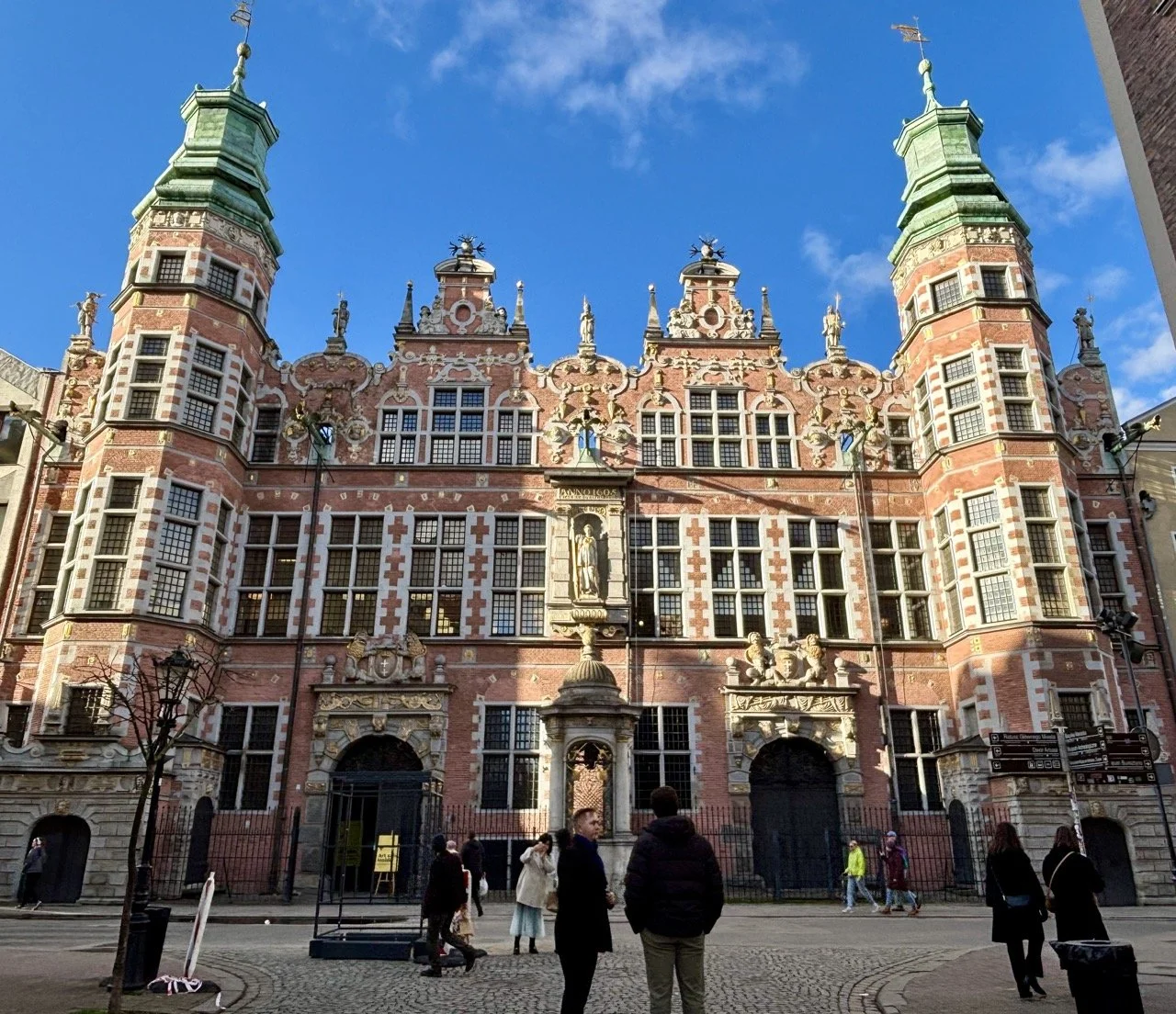
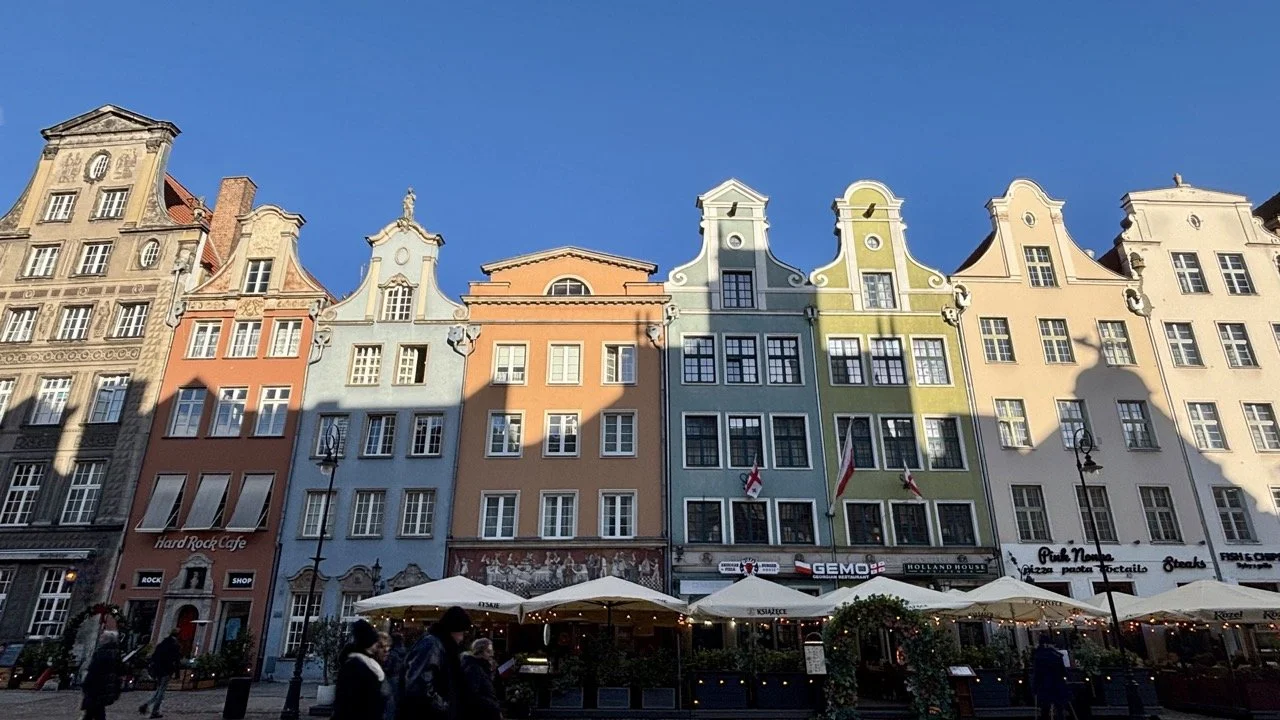
The most famous route runs along Długa Street and Long Market, where you can see the Neptune Fountain, Artus Court and the historic Main Town Hall.
3. Gdańsk is the heart of Poland’s amber culture
Gdańsk is internationally associated with amber, also known as Baltic gold. You will find amber jewellery, sculptures and decorative pieces throughout the city, especially along Mariacka Street.
When buying amber, choose a reputable shop, request a receipt and ask about certification or information regarding the material.
4. A unique combination of city and coast
Gdańsk is not only a historic city destination. It is also part of the Tricity metropolitan area, together with Sopot and Gdynia.
You can combine sightseeing in the old town with a visit to the beach, a walk along the coast or a short train journey to Sopot.
5. Excellent value for a European city break
Compared with many major Western European destinations, Gdańsk can offer good value for accommodation, dining and public transport. Prices vary according to the season, but travellers can enjoy a comfortable city break without the cost of destinations such as Paris, Amsterdam or Copenhagen.
Five Interesting Facts About Gdańsk
1. Gdańsk was once known as Danzig
Throughout history, the city has had different names and political identities. The German name Danzig is still encountered in historical references, while Gdańsk is the modern Polish name.
2. Gdańsk played a major role in the Solidarity movement
The city’s shipyards became the birthplace of the Solidarity movement, which played a crucial role in Poland’s political transformation. The European Solidarity Centre tells this story through exhibitions, photographs and personal accounts.
3. Gdańsk is closely connected with Baltic amber
Baltic amber has been collected and traded in the region for centuries. Today, Gdańsk remains one of the most important centres for amber craftsmanship and jewellery.
4. The city has been rebuilt more than once
Large parts of Gdańsk were severely damaged during World War II. The historic centre was carefully reconstructed, creating the colourful streets and architectural landmarks visitors see today.
5. Gdańsk is part of the Tricity
Gdańsk, Sopot and Gdynia form the Tricity, or Trójmiasto, area. This makes Gdańsk an excellent base for exploring beaches, seaside promenades, museums and neighbouring coastal towns.
Top 10 Photography Spots in Gdańsk
Gdańsk is a rewarding destination for photographers. Historic façades, amber displays, red-brick churches, shipyard architecture and riverside reflections create plenty of opportunities for travel photography.
1. Long Market — Długi Targ
Why visit
Long Market, or Długi Targ, is the visual centre of historic Gdańsk. The colourful façades, Neptune’s Fountain, Artus Court and the Main Town Hall create one of the most recognisable city scenes in Poland.
The square is especially atmospheric early in the morning, before the streets become busy.
Opening hours
The public square is open 24 hours. Individual attractions, museums and shops have separate opening hours.
How to get there
Walk from Gdańsk Główny Railway Station in approximately 15–20 minutes.
Take a tram to the Brama Wyżynna area, then continue on foot.
The square is within walking distance of most Główne Miasto attractions.
Photography tips
Arrive between 6:00 and 8:00 in the morning to avoid crowds.
Use a 24–70 mm lens for architectural scenes and street photography.
Try a telephoto lens to frame Neptune’s Fountain with the historic façades behind it.
Visit again during blue hour when the façades and streetlights create a warm, cinematic atmosphere.
2. Mariacka Street
Why visit
Mariacka Street is one of the most atmospheric streets in Gdańsk. Its stone steps, carved terraces, decorative façades and amber shops create a distinctive medieval atmosphere.
The street leads towards St. Mary’s Church and is one of the best places to browse for amber jewellery.
Opening hours
The street is open 24 hours. Most shops generally open during daytime hours, often from around 10:00 to 18:00 or 19:00, although schedules vary.
How to get there
Walk approximately five minutes from Long Market.
Enter from the side of St. Mary’s Church or the Motława River.
The street is easily explored on foot as part of a historic-centre walking route.
Photography tips
Photograph the street during the blue hour, when the lamps begin to glow.
Use a 35 mm or 50 mm lens to create natural perspective.
Include the stone terraces in the foreground for greater depth.
Look closely at doorways, gargoyles, amber displays and architectural details.
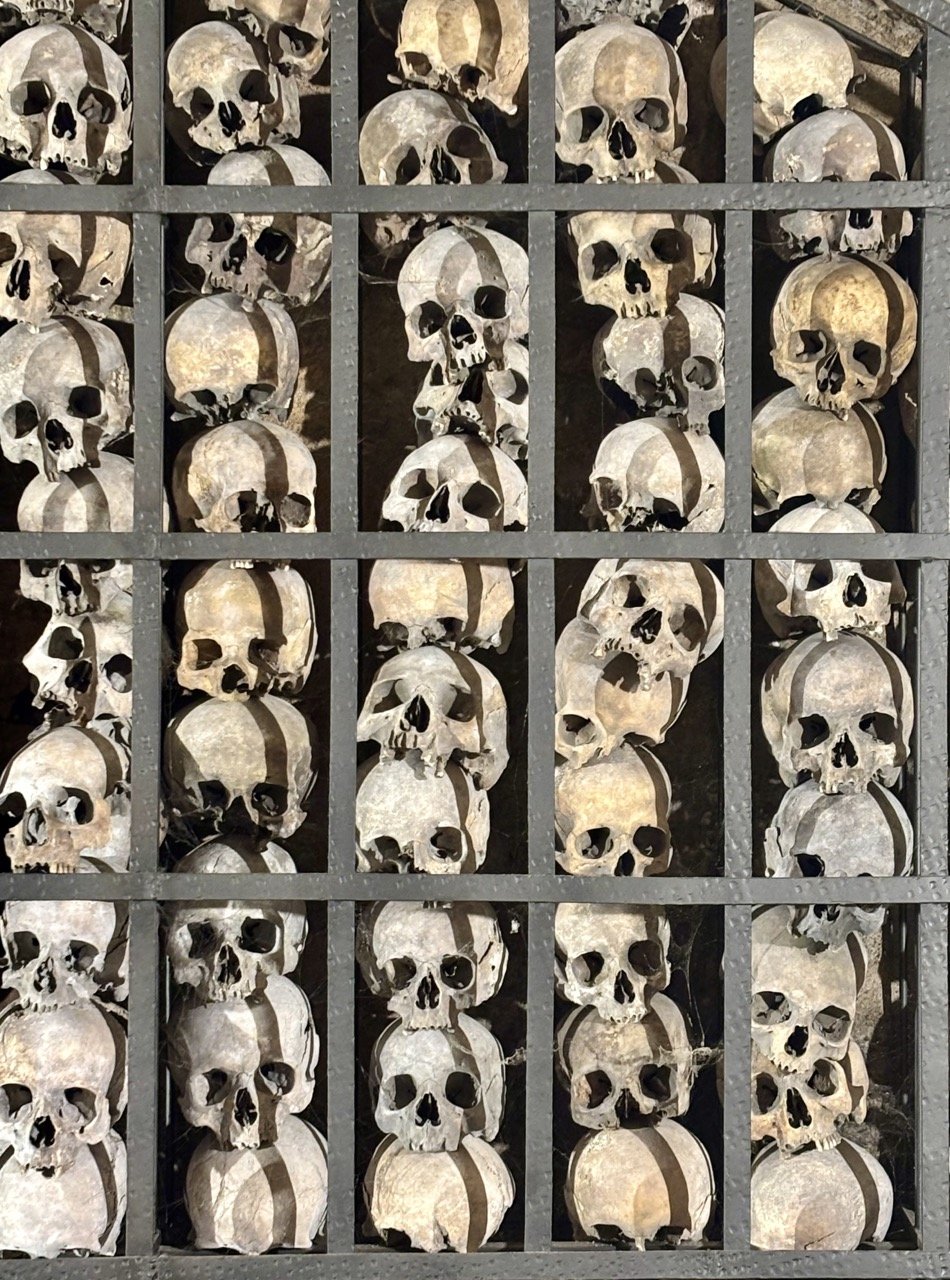
3. Basilica of St. Bridget
Why visit
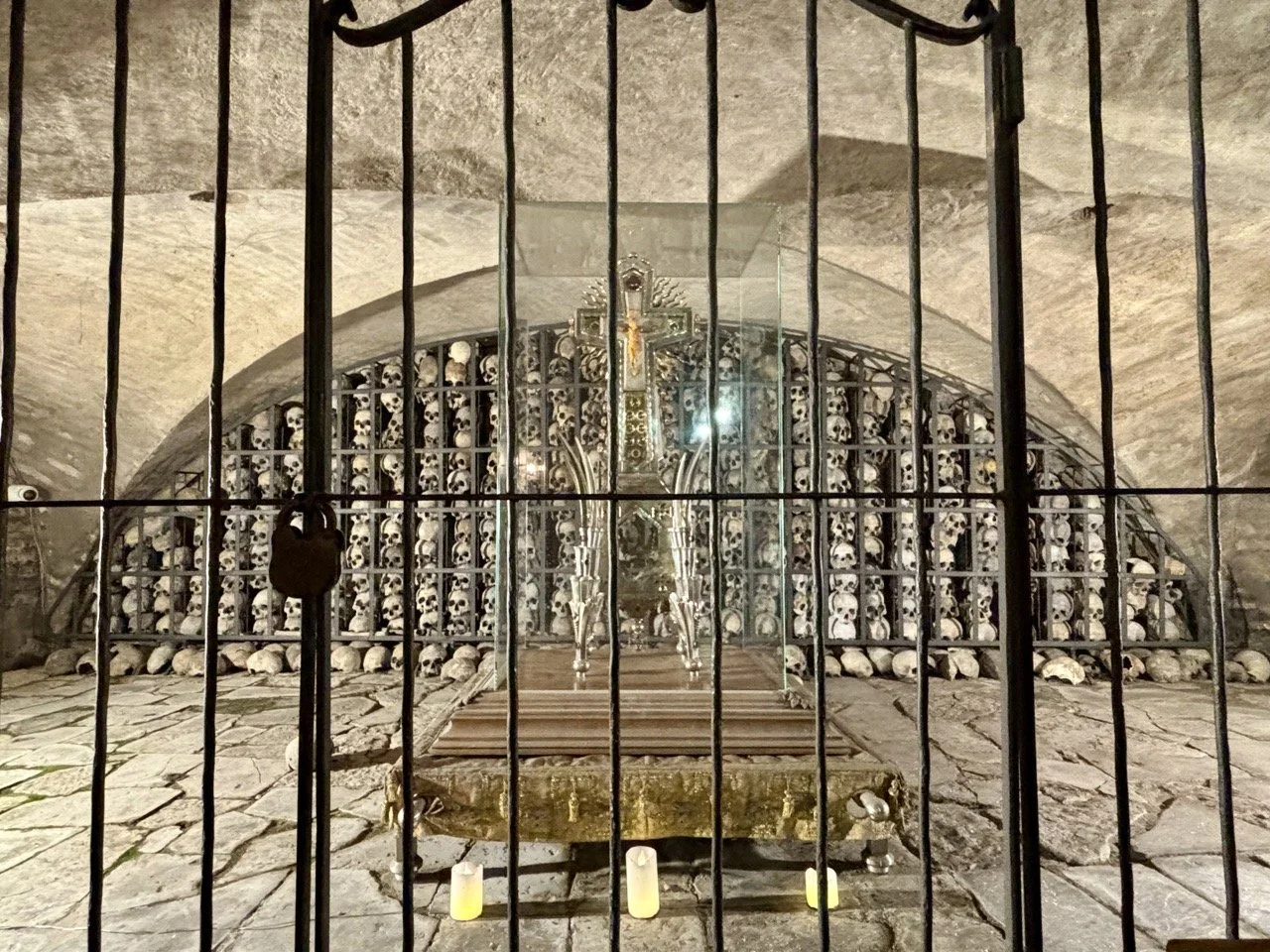
The Basilica of St. Bridget is famous for its monumental amber altar. The church combines religious heritage with one of the most impressive examples of amber craftsmanship in Gdańsk.
The warm colour and natural texture of amber make the interior particularly interesting for detail photography.
Opening hours
Opening times vary according to religious services, ceremonies and special events. Check the official church information before visiting and avoid photographing during Mass.
How to get there
Walk approximately 10–15 minutes from the centre of Główne Miasto.
The basilica is located north of the main historic-centre route.
It can be combined with a visit to the European Solidarity Centre and the former shipyard district.
Photography tips
Keep your ISO as low as possible to preserve detail.
Use a wide aperture for close-up details, but stop down slightly for larger altar scenes.
A small tripod may be useful where permitted.
Always follow church photography rules and avoid flash unless explicitly allowed.
4. Przestrzeń Sztuki WL4 Mleczny Piotr
Why visit
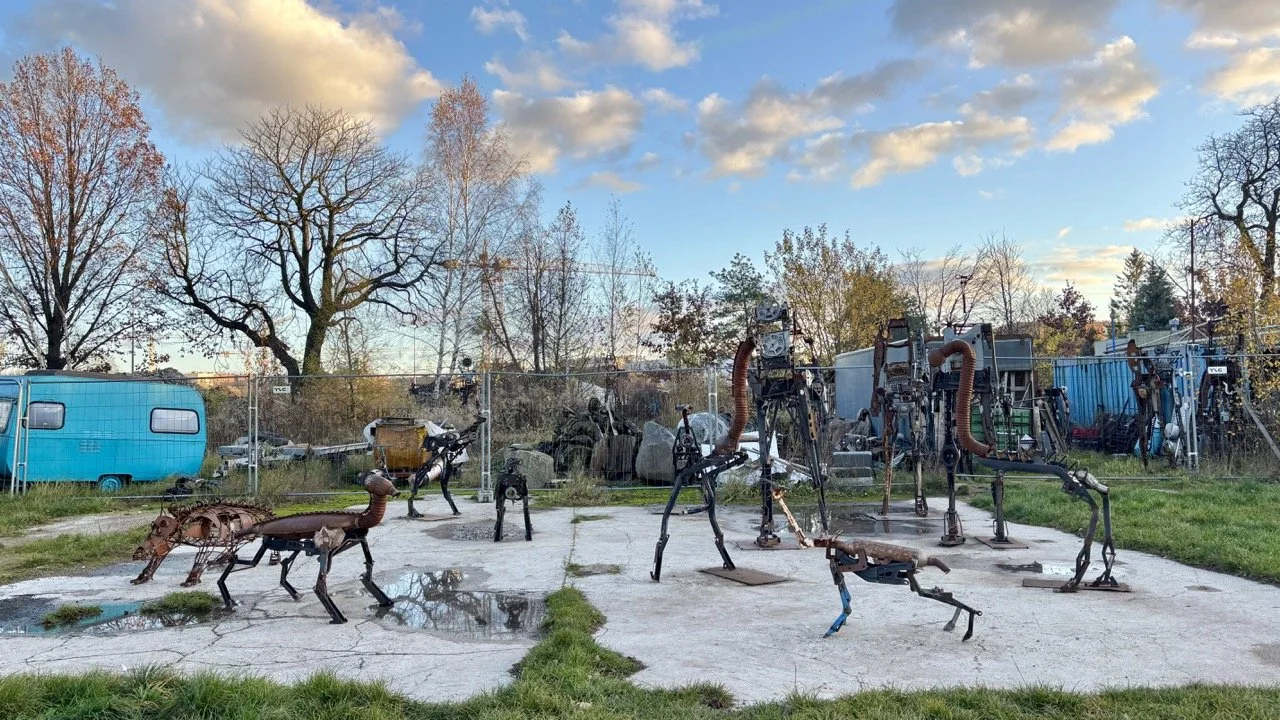
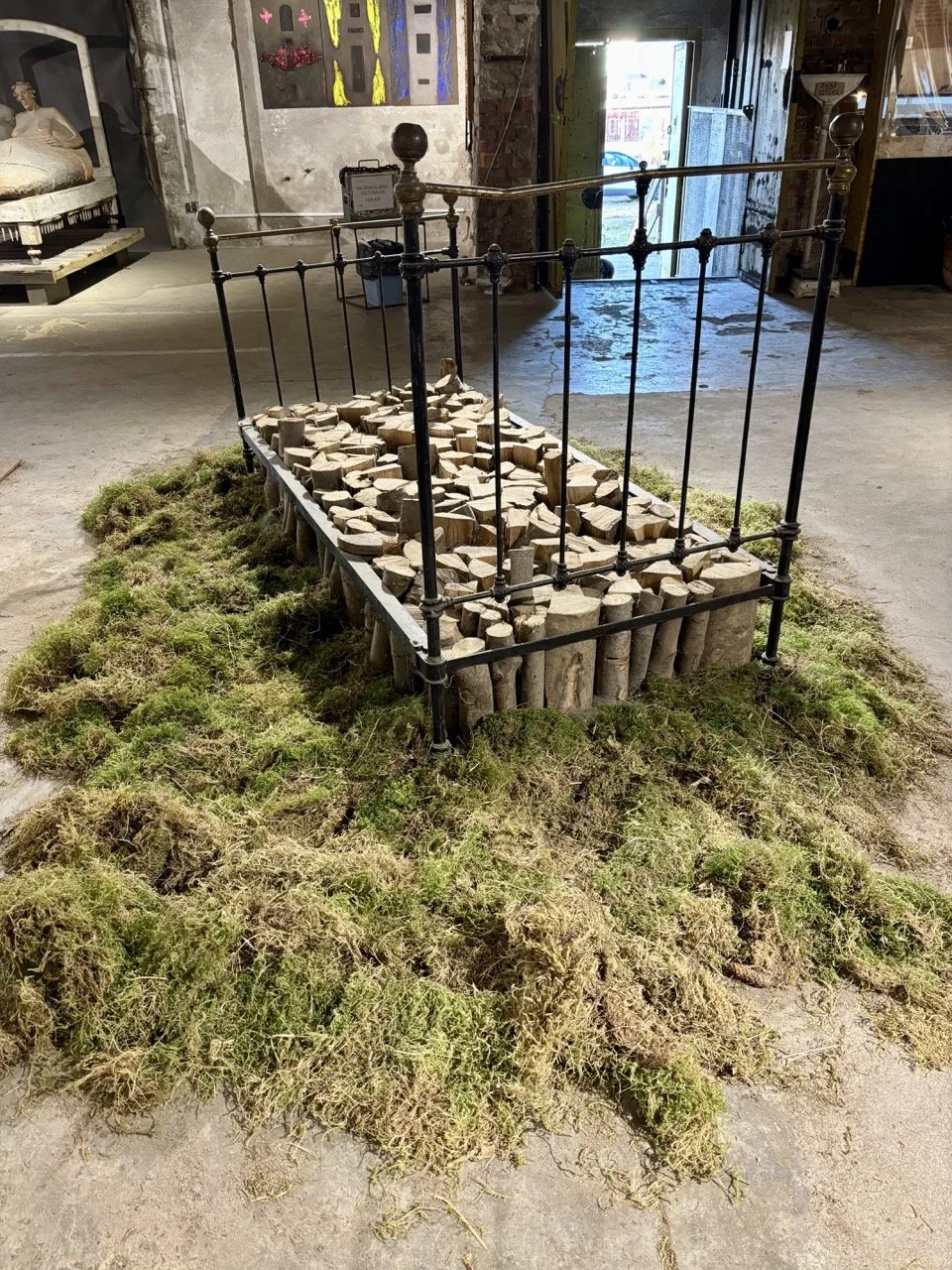
Przestrzeń Sztuki WL4 Mleczny Piotr is an alternative art space located in the historic shipyard area. It brings together contemporary art, industrial architecture, murals and weathered surfaces.
This is one of the best places in Gdańsk for urban, conceptual and portrait photography.
Opening hours
Opening hours may change depending on exhibitions and events. Check the venue’s official social media channels or website before travelling.
How to get there
Walk or cycle from the historic centre towards the former shipyard.
Allow additional time to explore the surrounding industrial streets.
Public transport options vary according to the exact entrance and current route changes.
Photography tips
Use rusted metal, concrete walls and industrial structures as layered backgrounds.
A wide-angle lens works well for architectural compositions.
A 35 mm or 50 mm lens is suitable for portraits.
Try black-and-white editing to emphasise texture and contrast.
Be aware that some areas may be restricted or active working spaces.
5. Gdańsk Crane — Żuraw
Why visit
The historic Gdańsk Crane, known as Żuraw, is one of the city’s most recognisable landmarks. Once used for loading cargo and raising ship masts, it symbolises Gdańsk’s maritime and trading heritage.
Opening hours
The riverside area is open throughout the day. The museum section inside the crane has separate opening hours, which may vary by season.
How to get there
Walk along the Motława River from Long Market.
The crane stands directly on the historic waterfront.
It is easy to combine with the Green Bridge, Mariacka Street and riverside restaurants.
Photography tips
Photograph the crane from the opposite side of the river for a wider composition.
Sunset creates warm light on the wooden structure.
Use a tripod for reflections and evening photography.
A neutral-density filter can help create smoother water when conditions allow.
Include boats or riverside buildings to provide scale.
6. European Solidarity Centre
Why visit
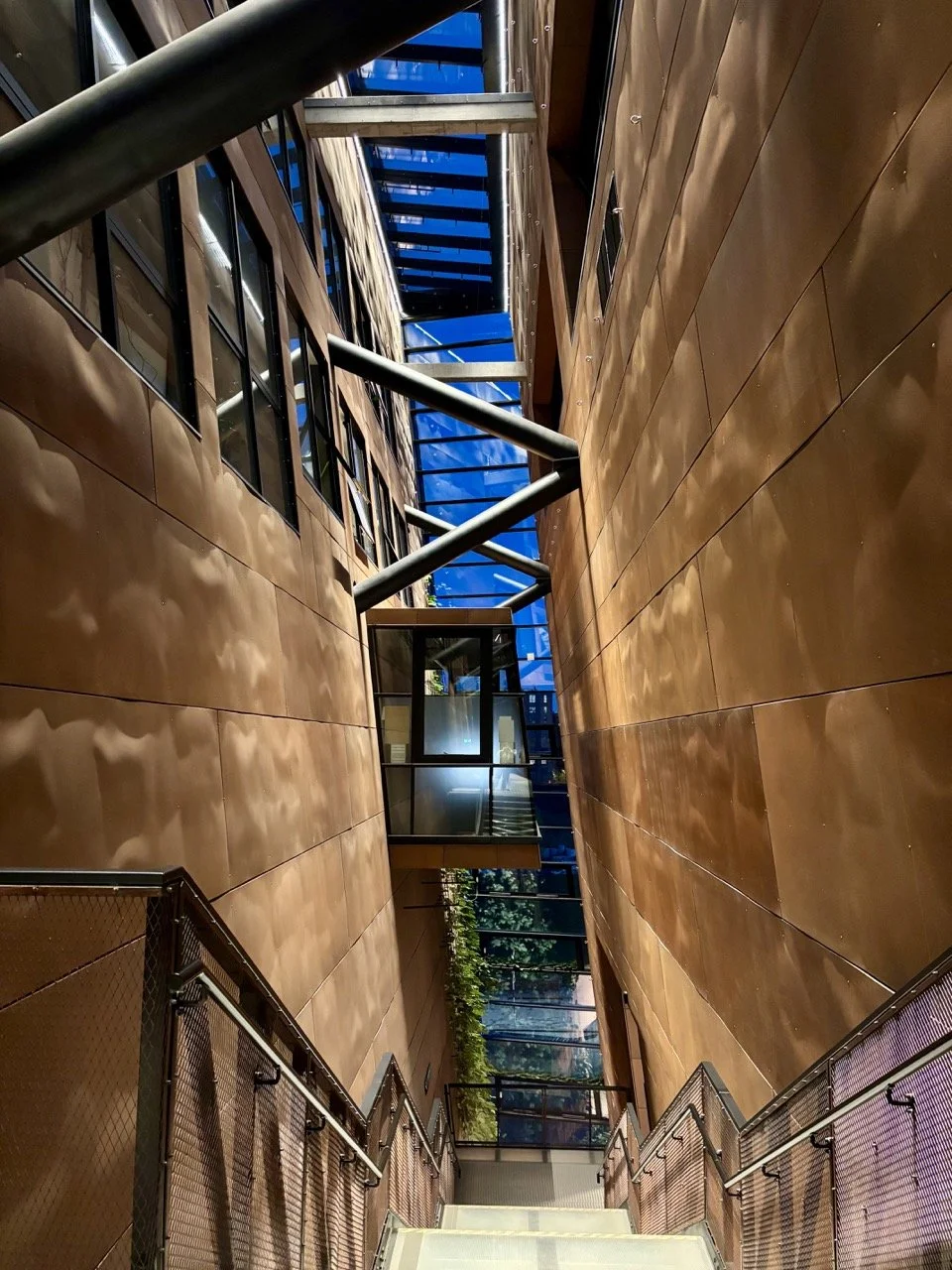
The European Solidarity Centre is both an important museum and one of Gdańsk’s most distinctive modern buildings. Its rust-coloured steel exterior evokes a shipyard and reflects the industrial character of the city.
Inside, exhibitions explain the history of the Solidarity movement, the shipyard workers and Poland’s path towards democracy.
Opening hours
Opening hours can change according to the season and public holidays. Check the official European Solidarity Centre website before your visit.
How to get there
Walk approximately 15–20 minutes from Gdańsk Główny Railway Station.
Take a tram towards the Plac Solidarności area.
The centre is close to the historic shipyard and can be combined with WL4 Mleczny Piotr.
Photography tips
Use a wide-angle lens to emphasise the dramatic steel exterior.
Try a low-angle composition to make the building appear more monumental.
Look for geometric lines, staircases and reflections inside the building.
The surrounding memorial area is suitable for documentary-style photography.
Be respectful when photographing memorials and visitors.
7. Oliwa Cathedral
Why visit
Located in the Oliwa district, Oliwa Cathedral is known for its ornate interior, historic architecture and magnificent organ. The cathedral offers a quieter and more reflective atmosphere away from the busy old town.
The surrounding Oliwa Park is also attractive for gardens, pathways and seasonal photography.
Opening hours
Opening hours vary according to religious services and organ concerts. Check the cathedral’s official schedule before arriving.
How to get there
Take the SKM train to Gdańsk Oliwa station, then walk to the cathedral.
Trams and buses also connect Oliwa with central Gdańsk.
Allow extra time to visit Oliwa Park nearby.
Photography tips
Use symmetrical compositions along the central aisle.
Keep vertical lines straight when photographing the architecture.
A wide-angle lens is useful inside, subject to church rules.
Do not use flash during services or concerts.
Visit Oliwa Park afterwards for exterior and nature photographs.
8. St. Mary’s Church
Why visit
St. Mary’s Church, or Bazylika Mariacka, is one of the world’s largest brick churches. Its monumental interior, historic details and central location make it one of the essential places to visit in Gdańsk.
The tower may offer panoramic views over the old town, depending on weather and access conditions.
Opening hours
Opening hours and tower access vary according to religious services, maintenance and season. Check the official church information before visiting.
How to get there
The church is located beside Mariacka Street.
Walk approximately five minutes from Long Market.
It is easily included in a walking tour of Główne Miasto.
Photography tips
Use a wide-angle lens to capture the scale of the interior.
Look for repeating arches, brick textures and symmetrical lines.
If the tower is open, use a panoramic technique to capture the red rooftops.
Morning or late-afternoon light can create attractive shadows across the old town.
Follow all restrictions regarding tripods and photography.
9. Motława Riverfront
Why visit
The Motława Riverfront is one of the liveliest parts of Gdańsk. Historic façades, restaurants, boats and the iconic crane create a dynamic waterfront scene during the day and a glowing cityscape at night.
Opening hours
The public riverside promenade is open 24 hours.
How to get there
Walk from Long Market towards the river.
Follow the waterfront in either direction to reach the crane and bridges.
The area is easily accessible from Mariacka Street.
Photography tips
Visit during sunset for reflections over the river.
Return after dark for city-light photography.
Use a tripod and a low ISO for sharper images.
A polarising filter can help manage reflections during daylight.
Include moving boats to add energy and scale to your composition.
10. Westerplatte Peninsula
Why visit
Westerplatte is one of the most important historical sites near Gdańsk. It is associated with the beginning of World War II and includes memorials, coastal landscapes and remnants of military structures.
The atmosphere is quiet and reflective, making it suitable for documentary and historical photography.
Opening hours
The outdoor area is generally accessible throughout the day. Individual exhibitions, memorial buildings and transport services may have separate schedules.
How to get there
Take a local bus from central Gdańsk.
In the tourist season, consider a sightseeing boat from the Motława waterfront.
Check seasonal boat timetables before planning your visit.
Photography tips
Use minimalist compositions to reflect the solemn atmosphere.
Overcast weather can enhance the monument’s emotional and historical character.
Place the memorial on a rule-of-thirds intersection.
Include the surrounding landscape to provide context.
Avoid disruptive behaviour and be respectful at memorial sites.
A Practical 2-Day Gdańsk Itinerary
Day 1: Historic Główne Miasto and the waterfront
Morning
Begin at the Golden Gate and walk towards Długa Street.
Explore Long Market and photograph Neptune’s Fountain.
Visit Artus Court or the Main Town Hall if open.
Continue towards Mariacka Street.
Afternoon
Browse the amber shops on Mariacka Street.
Visit St. Mary’s Church.
Walk to the Motława Riverfront and the Gdańsk Crane.
Stop for coffee or a traditional Polish lunch.
Evening
Photograph the waterfront during sunset.
Enjoy dinner near the river or in the old town.
Return to Mariacka Street during blue hour for quieter evening photographs.
Day 2: History, shipyards and Oliwa
Morning
Visit the Basilica of St. Bridget.
Continue to the European Solidarity Centre.
Explore the surrounding shipyard district.
Afternoon
Visit Przestrzeń Sztuki WL4 Mleczny Piotr if it is open.
Travel to Oliwa Cathedral and Oliwa Park, or visit Westerplatte instead.
Allow additional time for transport if choosing Westerplatte.
Evening
Return to the city centre.
Enjoy seafood or traditional Polish food.
Take a final evening walk along the Motława River.
Getting Around Gdańsk
Walking
Walking is the best way to explore the historic centre. Long Market, Mariacka Street, St. Mary’s Church, the Gdańsk Crane and the Motława waterfront are all close to one another.
Comfortable shoes are essential because many streets have cobblestones.
Trams and buses
Gdańsk has an extensive public transport network covering the city and surrounding districts.
Trams are useful for reaching Oliwa, the railway station area and outer districts.
Buses connect the city centre with Westerplatte and other coastal locations.
Buy tickets through authorised machines, mobile applications or official sales points.
Validate paper tickets when required.
Check current routes and ticket rules before travel.
Trains
The SKM suburban railway is useful for travelling between Gdańsk, Sopot and Gdynia. Long-distance trains connect Gdańsk with Warsaw, Kraków, Poznań and other Polish cities.
A train from Warsaw commonly takes several hours, depending on the service and route.
Taxis and ride-hailing
Official taxis and reputable ride-hailing applications are convenient for late-night journeys or trips with luggage. Confirm the destination and estimated fare before departure.
Where to Stay in Gdańsk
Główne Miasto
Best for first-time visitors, photographers and travellers who want to walk to the major attractions.
Advantages include:
Easy access to Long Market and Mariacka Street
Many restaurants and cafés
Convenient evening photography
Short walking distance to the Motława River
The area can be busy and more expensive during summer.
Near Gdańsk Główny Railway Station
This is a practical option for travellers arriving by train or planning day trips to Sopot, Gdynia or other Polish cities.
Wrzeszcz
Wrzeszcz offers a more local atmosphere, shopping centres, cafés and good public transport connections. It can be a good choice for longer stays or travellers seeking better value.
Oliwa
Oliwa is quieter and greener, with convenient access to Oliwa Cathedral, Oliwa Park and the SKM railway. It is suitable for travellers who prefer a peaceful neighbourhood.
Best Time to Visit Gdańsk
May to June
Late spring usually offers comfortable temperatures, longer daylight and fewer visitors than the peak summer season. It is an excellent period for walking tours and photography.
July to August
Summer is the busiest season, with warmer weather, outdoor events and easier access to coastal attractions. Book accommodation early, especially for weekends.
September to October
Early autumn offers softer light, fewer crowds and attractive colours in parks. The weather can change quickly, so bring a light waterproof jacket.
November to March
Winter is quieter and may offer lower accommodation prices. However, daylight hours are shorter and some attractions may operate reduced schedules.
Top 5 Restaurants and Local Food in Gdańsk
Restaurant menus, opening hours and prices can change. Check the venue’s current menu and Google Maps listing before visiting.
1. Józef K.
Why visit
Józef K. is known for its artistic, nostalgic atmosphere and relaxed bar setting. It is a good choice for travellers looking for an evening drink, casual food and a less formal atmosphere.
What to order
Polish-style sharing plates
Local beer
Traditional snacks
Simple evening dishes, depending on the current menu
Price range
Mid-range.
How to get there
Located in the historic-centre area and reachable on foot from Long Market. Check the current location on Google Maps before visiting:
2. Pierogarnia Stary Młyn
Why visit
For many visitors, no Poland travel experience is complete without trying pierogi. Pierogarnia Stary Młyn offers a warm, casual setting centred around Poland’s famous dumplings.
What to order
Traditional pierogi
Pan-fried dumplings
Potato and cheese pierogi
Seasonal sweet pierogi
Price range
Budget to mid-range.
How to get there
The restaurant is located in the central tourist area and can be reached on foot from the main old-town attractions.
Google Maps: Pierogarnia Stary Młyn, Gdańsk
3. Gdański Bowke
Why visit
Located near the waterfront, Gdański Bowke offers a maritime atmosphere and traditional Polish-inspired dishes. It is a suitable choice after visiting the Gdańsk Crane and Motława Riverfront.
What to order
Fish dishes
Traditional Polish soup
Regional meat dishes
Local beer
Price range
Mid-range to upper mid-range.
How to get there
Walk along the Motława waterfront from the Gdańsk Crane. The location is convenient for an evening meal after sightseeing.
4. Restauracja Kubicki
Why visit
Restauracja Kubicki is one of the city’s historic dining venues and is known for its riverside setting. It is a good option for a more traditional and formal meal.
What to order
Polish meat dishes
Duck dishes
Seasonal salads
Traditional desserts
Price range
Upper mid-range to expensive.
How to get there
Located near the Motława waterfront and within walking distance of the Gdańsk Crane.
Google Maps: Restauracja Kubicki, Gdańsk
5. Chleb i Wino
Why visit
Chleb i Wino is a popular choice for breakfast, brunch and European-style meals. The name means “bread and wine”, reflecting the restaurant’s focus on bakery products and relaxed dining.
What to order
Breakfast or brunch plates
Fresh bread
Grilled meat dishes
Wine and European-style starters
Price range
Mid-range.
How to get there
The restaurant is located in or near the historic centre, making it convenient for a meal during a day of sightseeing.
Google Maps: Chleb i Wino, Gdańsk
Traditional Food to Try in Gdańsk
During your Gdańsk city break, look for these Polish dishes:
Pierogi: Polish dumplings with savoury or sweet fillings.
Żurek: Sour rye soup, often served with sausage and egg.
Bigos: A hearty stew made with cabbage and meat.
Placki ziemniaczane: Crispy potato pancakes.
Kaszanka: A traditional blood sausage.
Smoked or fried Baltic fish: A natural choice in this historic port city.
Pączki: Polish filled doughnuts, ideal with coffee.
Photography Tips for Gdańsk
Start early for empty streets in Główne Miasto.
Use blue hour for Mariacka Street and the Motława waterfront.
Carry a wide-angle lens for churches and modern architecture.
Use a telephoto lens for façade details and compressed compositions.
Bring a tripod for low-light riverfront photography, where permitted.
Protect your equipment from wind and rain near the Baltic coast.
Check church and museum photography rules before using a tripod or flash.
Photograph people respectfully, especially in religious and memorial locations.
Leave extra time for unexpected details such as doors, amber displays, signs and street art.
Frequently Asked Questions About Gdańsk
Is Gdańsk worth visiting?
Yes. Gdańsk offers a combination of historic architecture, Baltic coastal scenery, museums, amber culture, excellent food and accessible public transport. It is suitable for a weekend city break or a longer northern Poland itinerary.
How many days do I need in Gdańsk?
Two full days are enough to explore the main historic centre, Mariacka Street, the Motława Riverfront, St. Mary’s Church and the European Solidarity Centre. Stay three to four days if you also want to visit Sopot, Gdynia, Oliwa and Westerplatte.
Is Gdańsk safe for tourists?
Gdańsk is generally considered a safe destination for visitors. As in any busy European city, keep valuables secure and be especially careful in crowded areas, railway stations and nightlife districts.
What currency is used in Gdańsk?
Poland uses the Polish złoty, abbreviated as PLN or zł. Card payments are widely accepted, but carrying a small amount of cash can be useful for markets, small cafés and public transport machines.
Is Gdańsk expensive?
Gdańsk can be more expensive during the summer and major events, particularly in the historic centre. Booking accommodation early and eating slightly outside the main tourist streets can help reduce costs.
Where should I buy amber in Gdańsk?
Mariacka Street is one of the most popular places to browse for amber jewellery. Choose an established retailer, ask for a receipt and request information about the material and any certification.
Can I visit Sopot and Gdynia from Gdańsk?
Yes. The SKM railway makes it convenient to travel between Gdańsk, Sopot and Gdynia. Sopot is known for its beach and pier, while Gdynia offers a modern harbour atmosphere and maritime attractions.
Final Thoughts
Gdańsk is more than a beautiful old town. It is a city where medieval trading history, Baltic maritime culture, amber craftsmanship, shipyard heritage and modern European identity come together.
From the colourful façades of Long Market and the stone terraces of Mariacka Street to the historic Gdańsk Crane, the European Solidarity Centre and the atmospheric Motława waterfront, the city offers something for history lovers, photographers, foodies and independent travellers.
Whether you are planning a short Gdańsk city break, a wider Poland itinerary or a photography-focused trip around the Baltic coast, this remarkable harbour city deserves a place on your travel list.
About the Author | Toto Kuo
I’m Toto Kuo, a Taiwan-born photographer and traveler now based in Santorini, Greece. After exploring 80+ countries and living abroad in Canada, New York, and Paris, I settled in Oia, where I run Karma Greek Restaurant and a Santorini wedding photography studiowith my Greek husband.
Here I share my passions for photography, travel, food, and culture — from Greek islands travel guides and Greek island hopping tips to local food recommendations and secret photo spots. If you’re planning a trip to Santorini or looking for wedding photography inspiration, I’d love to help you capture the island’s magic.
