
Please see English version below
模里西斯深度旅遊:從路易斯港中央市場美食散步、一覽世界文化遺產阿普拉瓦西加特與勒莫恩完整旅遊指南與十大私藏景點到完整公車指南,提供交通、門票、開放時間、拍攝技巧與預訂連結,適合想深入體驗 Mauritius 的旅人。
目錄(TOC)
在路易市港遇見模里西斯的味道:一次與 Cindy 的沈浸式私旅
首都路易斯港(Port Louis)中央市場傳統小吃:Dholl Puri / Alouda / Chouchou 佛手瓜丸 詳解
模里西斯兩大 UNESCO 世界文化遺產:阿普拉瓦西加特與勒莫恩完整旅遊指南
模里西斯公車旅遊攻略:熱門景點到哪搭公車?完整路線與常見公車號碼一覽
模里西斯私藏景點完全攻略:七瀑布、紅教堂、布拉德水公園到朗姆莊園的深度遊(含交通、攝影與票價資訊)
最佳拍攝時段與攝影技巧(景點分類)
模里西斯旅遊常見問題(FAQ):行前規劃、簽證、交通、治安與必玩推薦
在路易市港遇見模里西斯的味道:一次與 Cindy 的沈浸式私旅
導語
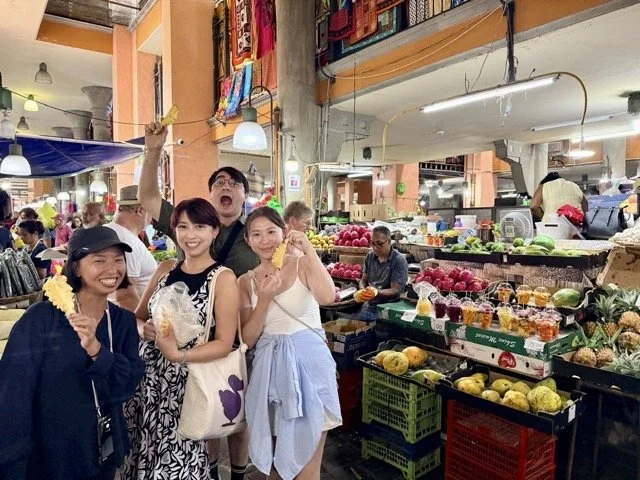
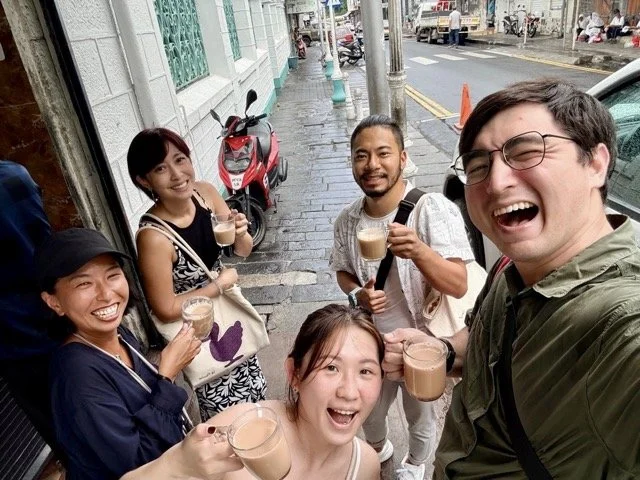
這不單單只是一場城市漫步,而是一場穿梭於歷史、文化與味蕾之間的輕鬆探索。聽了好幾集介紹模里西斯的 podcast,我聯絡了訪談中的 Cindy,她便爽快的幫我安排了一日沈浸式私旅——路易市港拾味漫遊。有時候,認識一個地方最快的方式,就是跟著一位在地朋友,一邊走、一邊吃、一邊聽故事。
從 podcast 到真實相遇
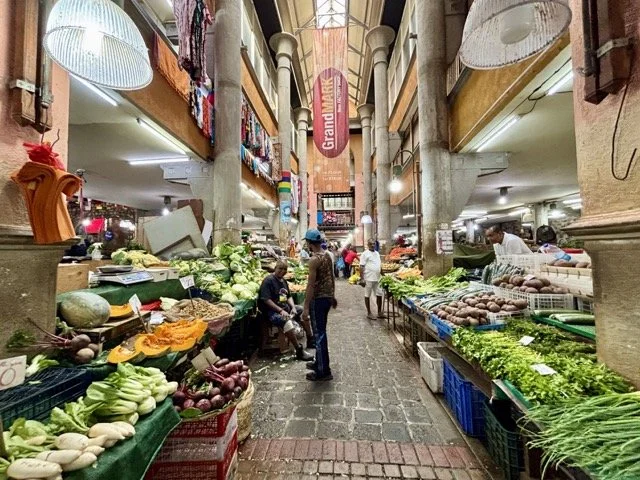
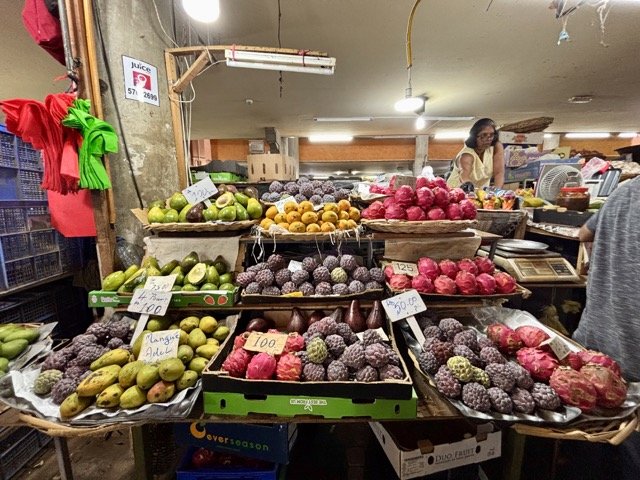
從 podcast 裡的聲音介紹,到遇見本人 Cindy——她就是「模里西斯我的家」作者,也是這趟路易市港私旅的靈魂人物。初見 Cindy,本人比聲音還健談開朗,她笑起來真的很有感染力。她像老友一樣帶我穿梭市場巷弄,講述每個小吃背後的移民故事與家庭傳承,讓每一口都變得更有溫度。
旅程亮點:一邊走一邊吃的日常儀式
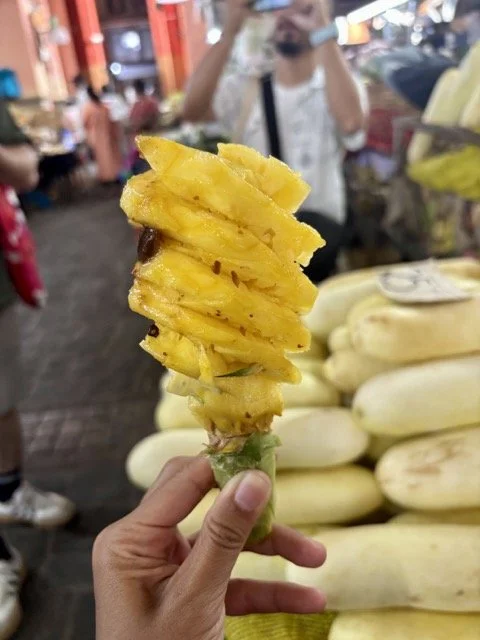
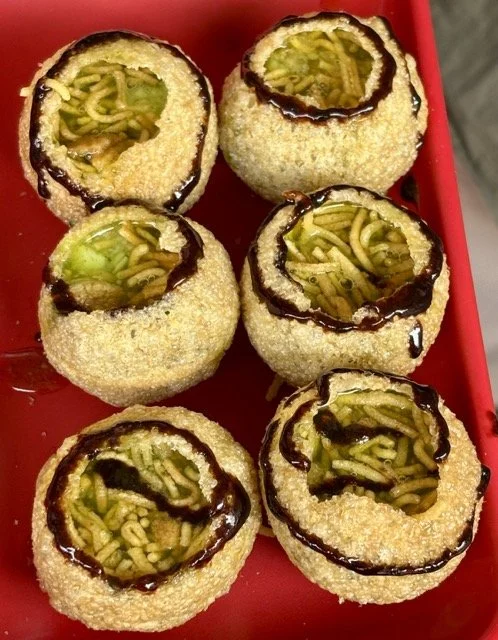
我們吃不停,Cindy 帶我去的攤位多半是她認識的老店家。從市集中最樸實的攤位開始,Cindy 示範如何用手抓起一塊熱騰騰的 Dholl Puri(模里西斯豆餅卷)第一口咬下:外皮薄、豆泥綿,搭配酸辣 Atchar 與番茄 Rougaille,味覺馬上醒來——這就是街頭文化的實況轉播。
接著是驚喜 Alouda:一杯冰冷、奶香滿溢的奶昔,裡頭有 Q 彈的瓊脂與膨脹的羅勒籽。Alouda 的甜與 Dholl Puri 的鹹互補,成了我口中的最佳拍檔,行程結束之後我竟又一人回去攤販再喝一杯,真的是很滿足很幸福的滋味。
個人感受:像認識了在地新朋友
整趟一日遊結束時,我覺得我不只是看過路易市港,還像是認識了一位在地的新朋友。Cindy 不只是導遊,她用故事把城市拼湊起來:她讓 Dholl Puri 不只是小吃,而是移民故事的縮影;她讓 Alouda 不只是飲料,而是炎熱午後的一次療癒。那種被在地人接待的溫暖,比任何景點打卡都更值得保存。
為什麼這是最地道的旅遊方式
深度連結:有導遊、有故事,旅行由表面變成記憶。
味覺導覽:以食物作為文化入口,Dholl Puri 與 Alouda 是必試招牌。
輕鬆互動:私旅彈性高,像和朋友相約散步而非被行程追著跑。
當地支持:小攤與家庭式店鋪都是文化守護者,行程同時支持在地經濟。
小貼士
預約:建議事先預約 Cindy 的私旅行程,可告知飲食偏好或過敏。
攜帶現金:攤販多以現金交易。
空腹而來:這是真的,空腹吃小吃會更幸福,且這行程真的會讓你吃超飽超滿足的。
拍照禮儀:詢問店家是否可拍照,尊重在地文化。
結語
如果你也像我一樣,喜歡把味道當地圖、把故事當地景,請務必把路易市港的拾味漫遊放進行程表。帶著好奇心、空腹與一點勇氣,跟 Cindy 約一個上午或一整天,她也有4天3夜和7天6夜的沈浸式旅遊,詳情可參考:沈浸私旅系列。保證你會帶回比照片更多的收藏:一串笑聲、一道故事,還有 Dholl Puri 與 Alouda 在舌尖上的回憶。
首都路易斯港(Port Louis)中央市場傳統小吃 : Dholl Puri / Alouda / Chouchou佛手瓜丸 詳解
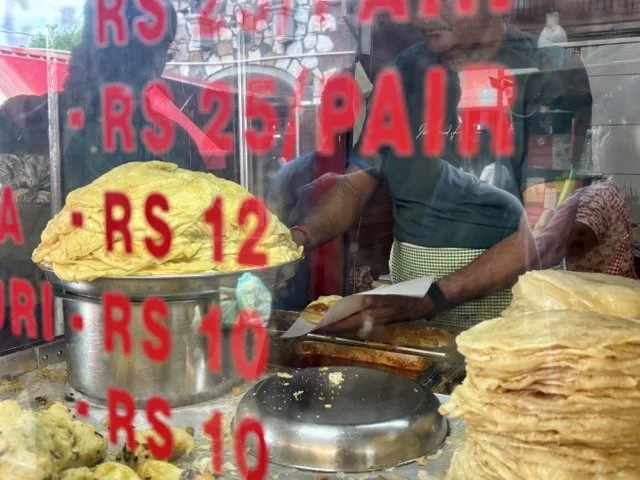
Dholl Puri(中文常稱毛里求斯豆餅卷或豆泥脆餅)
是毛里求斯最具代表性的街頭小吃之一,常被視為該國的「國菜」。薄薄的平坦餅皮包裹著研磨黃扁豆泥,搭配多款咖喱與酸辣配料,口感層次豐富,是到毛里求斯旅遊不可錯過的在地美味。
一、Dholl Puri 的起源與文化意義
Dholl Puri 起源於19世紀印度移民自比哈爾(Bihar)等地帶來的飲食文化,經過在毛里求斯數代演變,形成獨特的當地風味。它普及於街頭攤販、早餐車與家庭餐桌,是毛里求斯人日常的主要碳水來源之一,也是社交與社區生活的一部分。在婚慶、節慶或市集,Dholl Puri 常見且價格親民,象徵著融合與在地化。
二、食材與口感解析(為何如此迷人) 主要原料
黃扁豆(Chana Dal / Dholl):主內餡,口感綿密又帶豆香。
中筋麵粉:做成薄皮的基底,有時混合少量米粉或油以增加柔軟度。
香料:孜然粉、薑、蒜、胡椒與少許鹽,局部作為內餡調味或咖喱搭配。
油或酥油:煎餅使之微焦、香脆。
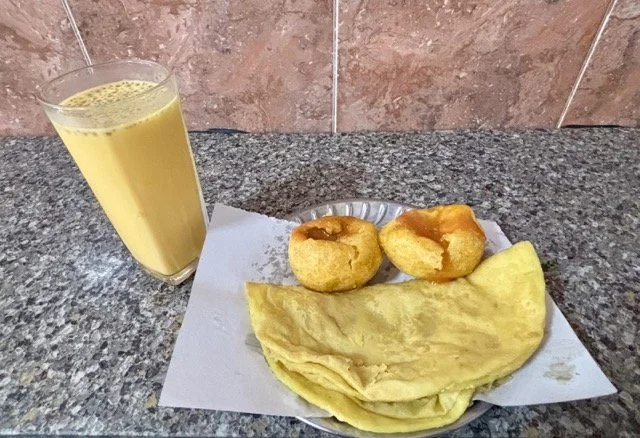
口感特徵 Dholl Puri 外皮薄而帶彈性,內層的黃扁豆泥柔軟綿密,佐以咖喱或酸辣醬汁時,餅皮吸收汁液,吃起來鹹香、微辣且層次豐富。熱食最佳,溫度與口感是關鍵。
三、經典搭配與吃法(在地吃法詳解) 傳統上,Dholl Puri 並非單純把豆泥封在餅裡,而是將煎好的餅層層包裹以下配料,形成卷餅式吃法。常見搭配包括:
豆類咖哩(Gros Pois / Butter Bean curry):濃郁且鹹香,為主要蛋白來源。
番茄 Rougaille(克里奧爾風味番茄醬):酸甜提味,為範例代表之一。
酸辣腌菜(Atchar):如芒果腌菜或青辣椒腌菜,提供刺激的酸辣口感。
香菜酸辣醬(Coriander Chutney):清新香草風味中和油膩。
檸檬片或生辣椒切片:依個人口味增添酸或辣度。
食用方式 當地人常以手抓取、把兩張餅對折或捲起,配上大量咖喱與腌菜,趁熱吃。路邊攤通常一次賣兩張,有時會加份配菜(如辣豆咖哩)一起販售。
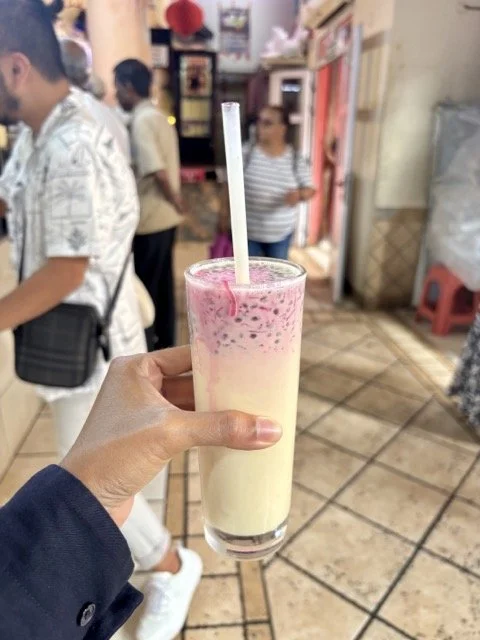
模里西斯必喝飲品Alouda
是模里西斯代表性的粉紅色冷飲,靈感來自印度經典甜飲 Falooda。這款 Alouda 在當地極受歡迎,以牛奶、玫瑰糖漿、瓊脂條與羅勒籽為主,口感滑順、香甜且帶有獨特的嚼勁,是遊客與在地人消暑、逛市場的首選。無論你是想在路邊小攤品嚐,或回家自己做,這篇 Alouda 完整指南都能幫你掌握要點。
一、Alouda 的起源與文化背景
Alouda 起源於印度的 Falooda,隨印度移民傳入模里西斯後演變成當地特色飲品。它融合了印度傳統配料與模里西斯本地口味,成為市集、海灘與路邊攤常見的清涼飲品。Alouda 在模里西斯不只是飲料,也代表夏日街頭文化與社交風味。
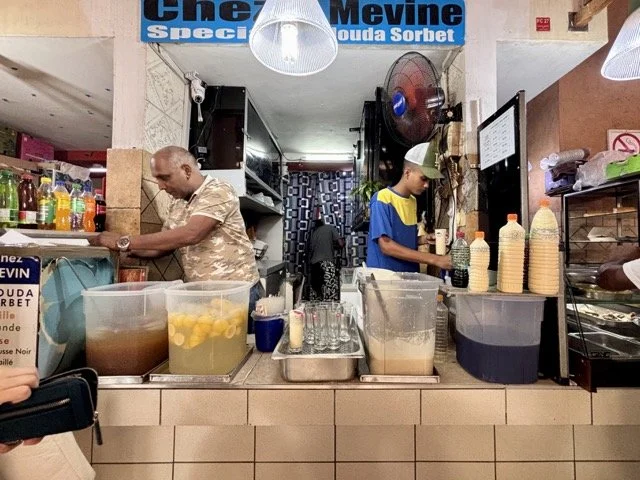
二、經典配方與靈魂食材(為何口感特別) 主要食材介紹
牛奶:Alouda 的基底,多用全脂牛奶或加煉乳以提升濃郁度。
玫瑰糖漿(Rose syrup):提供標誌性粉紅色與玫瑰香,是 Alouda 模里西斯 風味的靈魂。
瓊脂條(agar strips / jelly):切碎或磨碎後加入,帶出 Q 彈口感。
羅勒籽(Tukmaria / basil seeds):需先浸泡,膨脹後呈滑嫩顆粒狀,增加咀嚼層次。
其他:香草精、杏仁精、糖或煉乳;有時加入冰淇淋或切碎水果增豐富度。
口感特徵 Alouda 結合了滑順牛奶、花香玫瑰與瓊脂、羅勒籽帶來的嚼勁,冷飲入口即化又有豐富口腔層次,是消暑與解渴的極佳選擇。
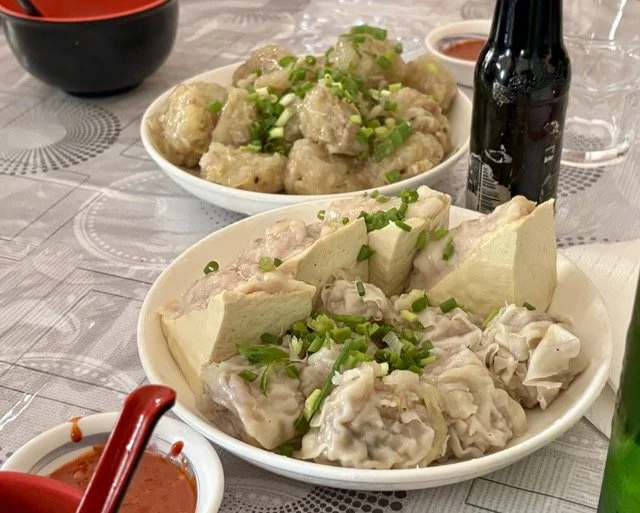
模里西斯必吃餐點Chouchou佛手瓜丸
是模里西斯結合華人烹飪與克里奧爾口味的代表小吃:鮮脆的蔬菜絲與海鮮或肉漿混合,蒸或炸後既可入湯也可當小吃。若你想體驗在地日常美味,Chouchou 佛手瓜丸絕對值得列入美食清單。
Chouchou(佛手瓜丸)是什麼?(文化與特色)
Chouchou(當地稱 chouchou 或 chayote)在模里西斯廣泛栽種,當地華人烹飪習慣與克里奧爾調味結合,形成佛手瓜丸(Chouchou Balls)。口感可清脆(保留蔬菜纖維)或外酥內嫩(油炸版),常作為湯料或街頭小吃,呈現模里西斯多元飲食文化。
在地吃法與推薦搭配(必試)
湯品:放入本地魚湯或雞湯,與米粉(virmicelli / noodles)同吃。
小吃:炸版搭配辣醬(Rougaille)或酸辣 Atchar,口感鹹香帶脆。
便當/家常:與咖哩或蔬菜一起拌食,平衡膳食纖維與蛋白質。
模里西斯哪裡可以吃到 Chouchou 佛手瓜丸(在地推薦)
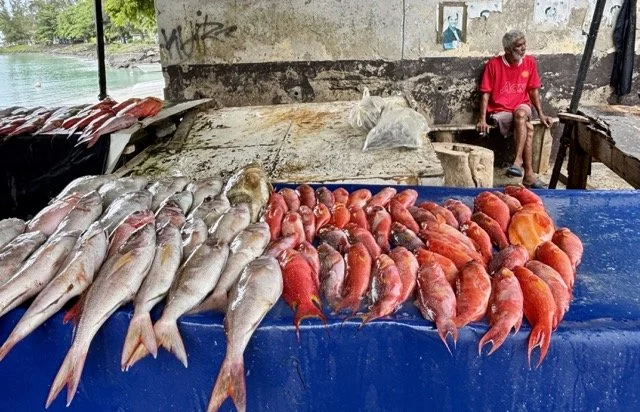
Port Louis 中央市場(Central Market):多家小攤販有賣湯粉與 Chouchou 丸,價格親民、口味道地。
Mahebourg 舊漁港市場:當地海鮮市集周邊攤販常售現做丸子入湯。
當地小餐館與路邊小吃:詢問「Chouchou balls」或「boulettes de chouchou」。
私房體驗:參加在地美食導覽(如 Cindy 的 Port Louis 食味漫遊)可品嚐不同版本並學做。
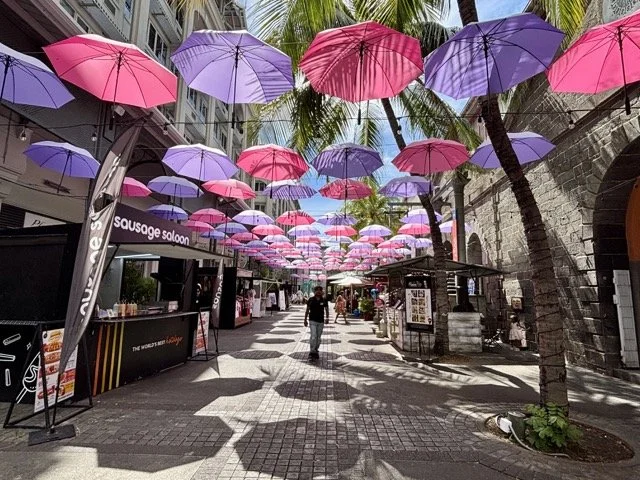
模里西斯兩大 UNESCO 世界文化遺產:阿普拉瓦西加特與勒莫恩完整旅遊指南
模里西斯擁有兩處被聯合國教科文組織(UNESCO)列為世界文化遺產的地點:阿普拉瓦西加特(Aapravasi Ghat)與勒莫恩文化景觀(Le Morne)。這兩處景點分別見證了印度契約勞工遷移與逃亡奴隸的歷史,是理解模里西斯族群與文化形成的重要場域。以下為詳細歷史背景、交通方式、為何值得造訪與實用開放時間資訊,方便旅客安排行程。
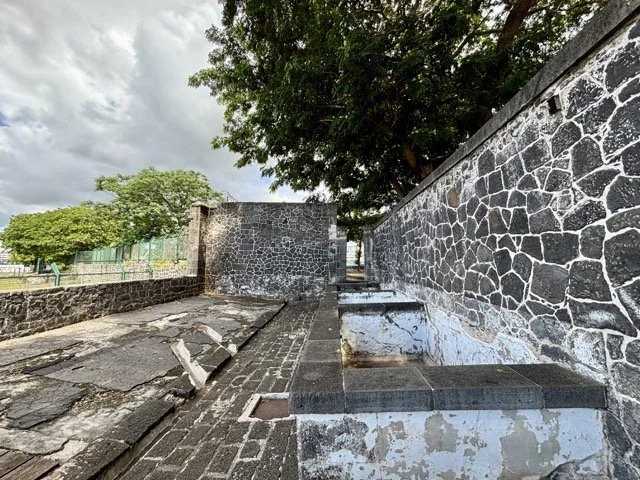
一、阿普拉瓦西加特(Aapravasi Ghat)——歷史背景
歷史意義:阿普拉瓦西加特位於路易港(Port Louis),為19世紀英國殖民時期印度契約勞工(indentured labourers)抵達模里西斯的主要登陸與登記處。自1834年英國逐步廢除奴隸制度後,殖民政府引入大量印度勞工替代,阿普拉瓦西加特因此成為現代契約勞工制度的發源地之一。2006年被列入 UNESCO 世界文化遺產,代表全球移民與勞動史的重要見證。
現況保存:遺址包含修復的碼頭平台、解說中心與博物館展覽,透過文物、檔案與口述史,呈現契約勞工的生活環境與遷移歷程。
如何到達(交通指引)
地點:位於路易港市中心海岸邊,鄰近 Central Market 與金融區。
大眾交通:可由 Port Louis 市區步行或搭乘市區公車至 Port Louis / Aapravasi Ghat 附近停靠站。多數市區巴士路線都能到達路易港中心。
計程車/包車:從旅館或機場(Sir Seewoosagur Ramgoolam International Airport,約 45–60 分鐘車程,視交通而定)搭乘計程車或預約包車最為方便。
自駕:路易港停車位有限,建議早點出發或將車停在市中心停車場。
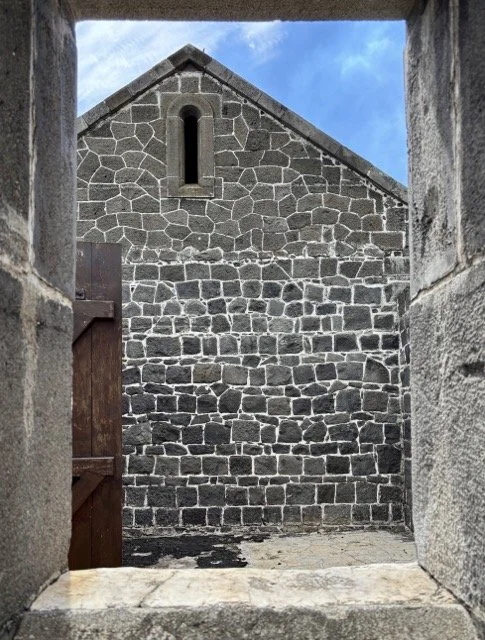
為什麼值得造訪
歷史教育價值高:了解印度契約勞工對模里西斯人口結構與文化的深遠影響。
博物館與展示豐富:原始檔案、名單、生活物件與多媒體導覽,適合對殖民史、移民史感興趣的旅客。
城市近距離:可與路易港市集(Central Market)、港口散步行程合併,行程彈性大。
開放時間與門票(實用資訊)
一般開放時間(參考):週二至週日 09:00–16:00;週一與特定國定假日休館(實際時間以官方公告為主)。
門票:部分展覽或導覽可能收費,當地居民/學生有折扣。建議出發前至官方網站或旅遊資訊中心確認最新開放時間與票價。
導覽建議:現場有導覽或語音導覽,預約團體導覽能獲得更深入解說。
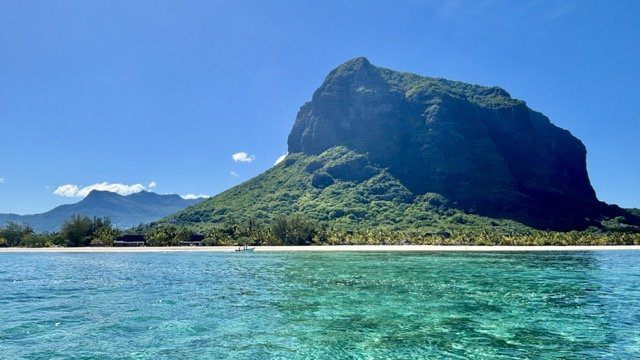
二、勒莫恩文化景觀(Le Morne Cultural Landscape)——歷史背景
歷史意義:勒莫恩山位於模里西斯西南角,山勢陡峭,19世紀曾為逃亡奴隸(maroons)藏身避難的天然堡壘與象徵。勒莫恩的地理屏障與社會傳說,使其成為自由抗爭與反抗壓迫精神的象徵。2008 年列入 UNESCO 世界文化遺產,以紀念奴隸反抗與人類對自由的追求。
文化傳說:當地有關奴隸與避難者的口述史與紀念場所,山坡上與周邊亦有歷史遺跡與保育區。
如何到達(交通指引)
地點:位於島西南端,靠近 Le Morne 村與海灘(Le Morne Beach)。
從首都/機場交通:自首都路易港或機場驅車約 1–1.5 小時(視路況)。可租車、包車或搭乘長途巴士至 Le Morne 附近,再換乘計程車或步行前往登山入口。
導覽與接駁:部分旅遊業者提供半日或全天的 Le Morne 登山與文化導覽行程(含接駁、導遊與安全說明)。自助登山需確認路徑與體力狀況。
為什麼值得造訪
自然與人文合一:勒莫恩結合壯麗的自然景觀(海景、懸崖、珊瑚海)與深刻的人權歷史,視野壯闊且情感震撼。
徒步登頂體驗:登上勒莫恩山可俯瞰印度洋與周邊珊瑚礁,是拍攝日出/日落與全景照的熱門地點。
紀念意義:對於理解模里西斯奴隸史與當地多元族群脈絡有重要意義,適合作為深度文化旅遊行程的一部分。
開放時間與注意事項(實用資訊)
開放時間(參考):登山步道通常在清晨至傍晚開放,大致為 06:00–18:00;部分路段或保育區可能有季節性限制。
入場/導覽費用:登山本身多為免費,但若參加導覽或保護區需付費。旅遊業者行程包含交通與導遊費。
安全提醒:登山路線具坡度且部分路段陡峭,請穿著防滑登山鞋、攜帶足夠水與防曬,並避免在午後雷雨季節登山。夜間或單獨行動風險較高,建議跟團或有經驗導遊同行。
保育與尊重:勒莫恩具有重要紀念性,遊客請尊重當地文化與紀念設施,不在禁區亂丟垃圾或破壞植被。
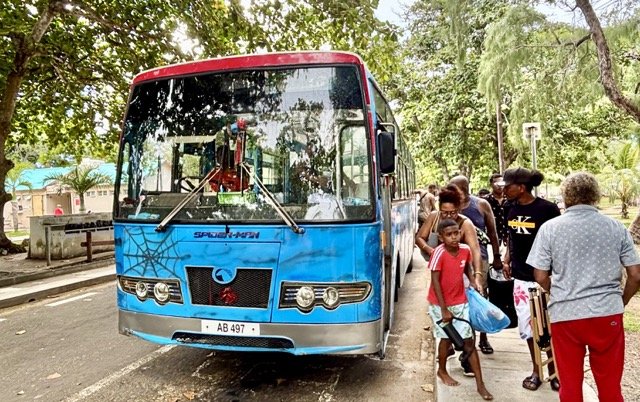
模里西斯公車旅遊攻略:熱門景點到哪搭公車?完整路線與常見公車號碼一覽
模里西斯公車是體驗在地生活與最經濟的旅遊方式。以下以路易斯港(Port Louis)為出發樞紐,列出前往各大熱門景點的常見公車號碼與搭車要點。提醒:公車班次、號碼或路線會有變動,出發前以當地站牌、Bus Conductor 或 Google Maps 實時資訊為準。
熱門景點與常見公車號碼(以 Port Louis 出發 / 轉乘為主) 說明:下列為當地普遍使用的路線號碼或路線組合(若無直達,請在 Port Louis 或主要換乘站換車)。出發前請再次確認班次與站牌。
Grand Baie(北部熱門海灘、夜生活)
常見公車號碼:20、21、22、23、24、25(由 Port Louis Immigration Square 出發)
為何去:沙灘、餐廳與夜市聚集地,適合購物與海濱散步。
小提醒:旺季與假日車滿,提早出發或搭早班車。
2.Trou aux Biches / Mont Choisy(北海灘)
常見公車號碼:同上北向路線(20–25 系列)或部份 121 路線延伸。
為何去:白沙灘、浮潛與家庭度假勝地。
3.Pamplemousses Botanical Garden(帕普勒慕斯植物園)
常見公車號碼:可從 Port Louis 搭 30、31 或北向公車在 Pamplemousses 下車(視路線而定),或搭至 Grand Baie 再短程轉乘。
為何去:世界知名的熱帶植物園,觀賞巨型睡蓮與香料樹。
4.Port Louis(路易斯港市場、Aapravasi Ghat)
常見公車號碼:多數路線起訖於 Port Louis(市內短程可步行或搭市內巴士)。
為何去:中央市場、殖民地建築與 Aapravasi Ghat 遺址。
5.Flic en Flac(西部海灘、夕陽)
常見公車號碼:123(由 Port Louis Victoria Square 出發為主要路線)
為何去:長沙灘、衝浪與日落景觀。
小提醒:西岸路程較長,車程時間請預留充裕。
6.Black River Gorges National Park(黑河峽谷國家公園)
常見公車號碼:無直達觀光快線,建議搭往 Black River / Chamarel 的長途路線,或自駕/包車、參加一日團。
為何去:登山健行、看瀑布與原始森林景觀。
7.Chamarel(七色土、瀑布)
常見公車號碼:部分長途路線可到 Rivière Noire / Chamarel 地區,但班次稀少,建議參加一日遊或包車。
為何去:七色土地貌、Chamarel 瀑布與朗姆酒莊。
8.Le Morne(Le Morne Brabant 山與海灘)
常見公車號碼:無穩定直達公車;可搭往 Le Morne 區的長途車或旅遊接駁(多數遊客以包車/旅遊業者前往)。
為何去:文化遺產、登山健行與潛水/風帆運動。
小提醒:建議參加有導遊的行程以兼顧安全與歷史導覽。
9.Blue Bay / Mahebourg(東南海域、Ile aux Aigrettes)
常見公車號碼:搭乘前往 Mahebourg 的長途路線,於 Mahebourg 或 Blue Bay 停靠。部分路線需在 Port Louis 換車。
為何去:浮潛、藍海保護區與歷史城鎮 Mahebourg。
10.Ile aux Cerfs(需至渡船碼頭)
常見公車號碼:搭公車或計程車至 Trou d’Eau Douce(東岸)碼頭後轉船前往 Ile aux Cerfs。公車直達較少,建議以旅遊業者或包車安排。
為何去:熱門度假小島,水上活動豐富。
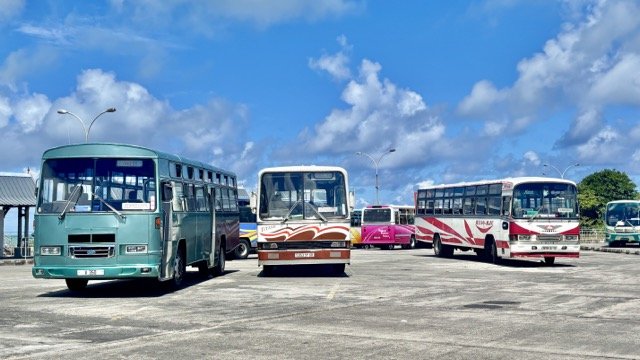
常見注意事項與搭車實務 Tips
轉運中心:以 Port Louis(Victoria Square / Immigration Square)為中轉樞紐,幾乎能到達島上主要城鎮。
票價與付款:車上以現金購票(約 15–35 MUR 小額票價),請準備零錢。
班次時間:城市區域約 05:30–20:00;下午 18:00 後班次大幅減少,夜間交通不便。
車型差異:Express(快速路線)與普通路線(較慢、停靠多站)。
查詢工具:出發前用 Google Maps 與當地旅館確認路線號碼與月台(Bus Stop),並詢問 Bus Conductor 現場資訊。官方路線查詢:模里西斯公車系統官方路線查詢:https://www.mauritius-buses.com/line/215/
若無直達公車:選擇包車、計程車或報名一日遊會更省時、安全與方便。
模里西斯私藏景點完全攻略:七瀑布、紅教堂、布拉德水公園到朗姆莊園的深度遊(含交通、攝影與票價資訊)
探索模里西斯私藏景點:Seven Waterfalls、Red Church、Bras D'Eau、Château de Labourdonnais、L'Aventure du Sucre、Grand Bassin、Casela。本文提供推薦理由、必看項目、攝影建議、交通方式與開放時間/票價參考,幫你規劃深度文化與生態旅程。
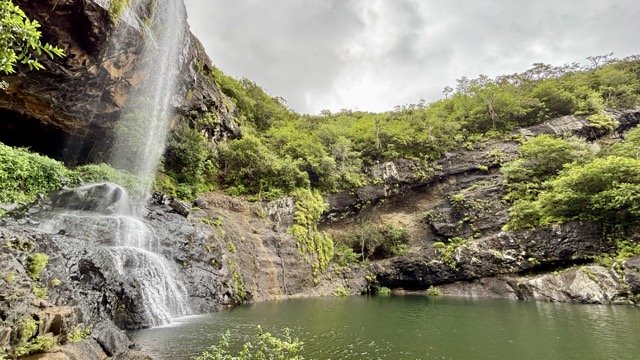
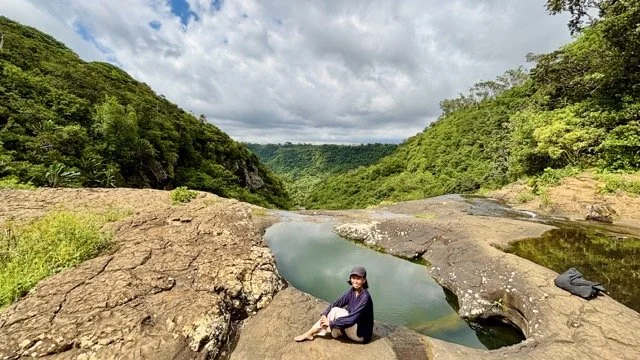
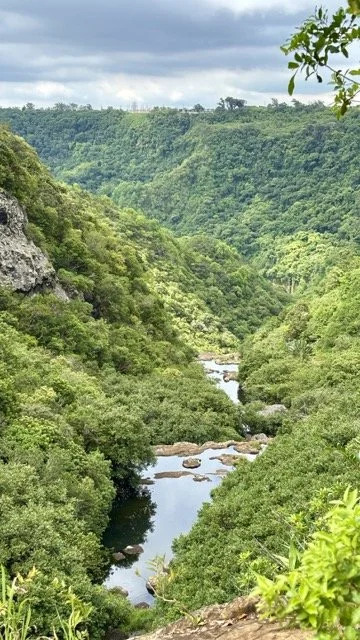
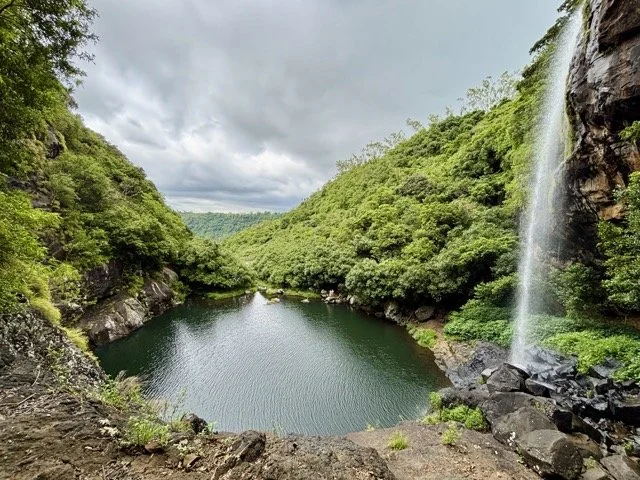
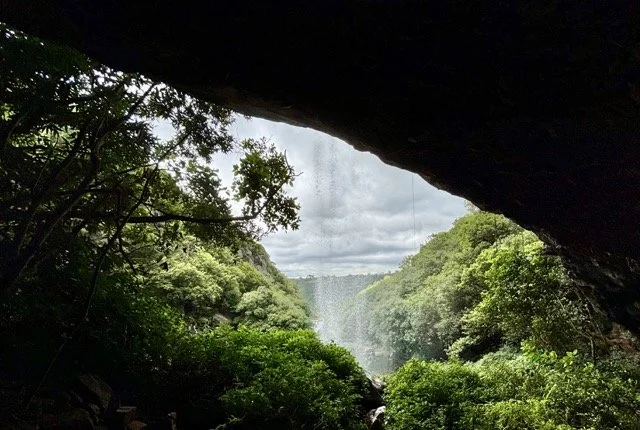
Seven Waterfalls(七瀑布)— 生態健行與瀑布長曝天堂
推薦理由:密集瀑布群、原生植被與清澈潭水,兼具健行、野泳與攝影價值。
必看推薦:每一層瀑布的落差與天然泳池;沿途的原生植物與野鳥。
攝影建議:使用 ND 濾鏡與三腳架做長曝(1/2 秒到幾秒),清晨或陰天可保留水色細節;廣角鏡拍瀑布全景,長焦拍水滴與細節。
交通:建議包車或自駕,部分路段需步行入山;若跟團,確認是否含導覽與安全裝備。
開放時間與票價:多屬自然區,通常免費;若有當地導覽,可能收象徵性導覽費(請以現場或導遊公告為準)。
小提醒:穿防滑鞋、攜帶換洗衣物與防蚊液,雨季道滑要特別注意安全。
2. Red Church(紅教堂 / Cap Malheureux 近郊小教堂)— 在地宗教與人文紀實
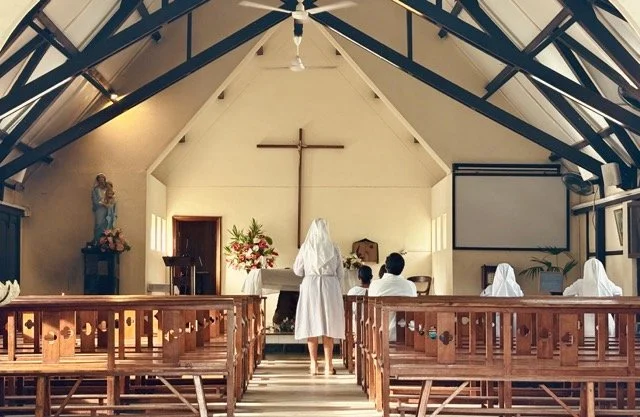
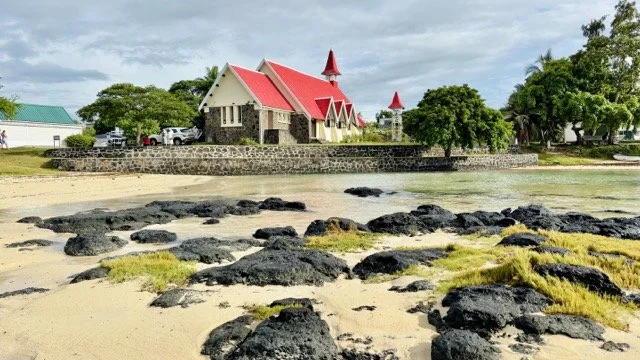
推薦理由:鮮紅屋頂教堂為地標式小景點,色彩強烈且反映當地宗教生活與社區氛圍。
必看推薦:教堂正面建築、祭禮或週日禮拜時的信眾風貌,以及附近海景。
攝影建議:利用側光拍攝教堂與藍天對比;若拍攝祭典人物特寫,請先徵詢同意並保持尊重。
交通:多為鄉間小點,建議自駕或包車,計程車亦可抵達。
開放時間與票價:一般為公開宗教場所、免費參觀;特殊活動或導覽另行公告。
3. Bras D'Eau National Park(布拉德水國家公園)— 森林步道與鳥類觀察
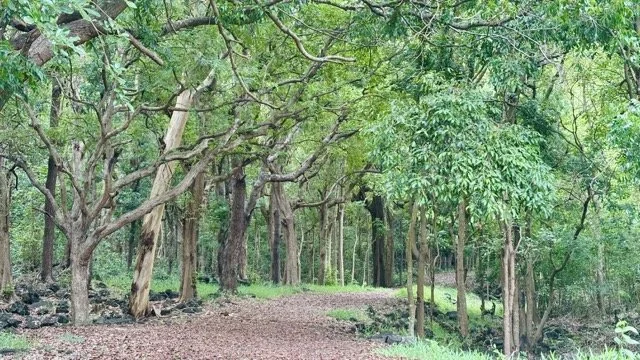
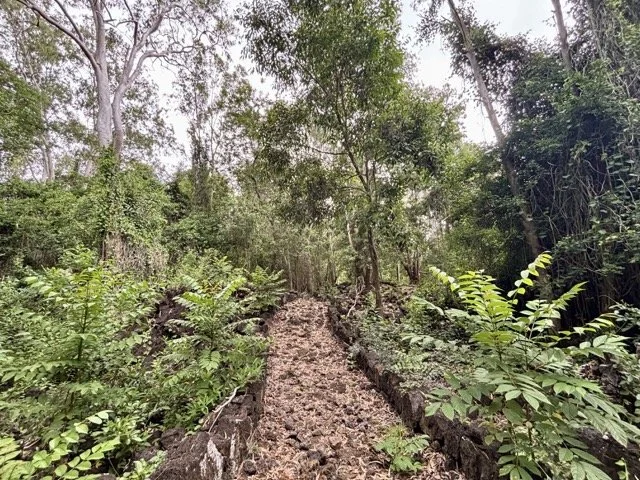
推薦理由:熱帶森林、淡水濕地與多條漫遊步道,是鳥類觀察與生態攝影的好去處。
必看推薦:沼澤地鳥類、原生樹種與沿岸步道景觀。
攝影建議:清晨或黃昏鳥類活躍,建議攜帶長焦鏡(200–400mm)與三腳架;使用低 ISO 捕捉細節,注意光線變化。
交通:位於東岸或中部區域(依入口不同),較方便自駕或參加生態導覽團。
開放時間與票價:多為國家公園管理,部分區域免費或收象徵性保育費,建議查詢當地公園管理處資訊。
4. Château de Labourdonnais(拉伯多納莊園)— 殖民庭園與朗姆酒文化
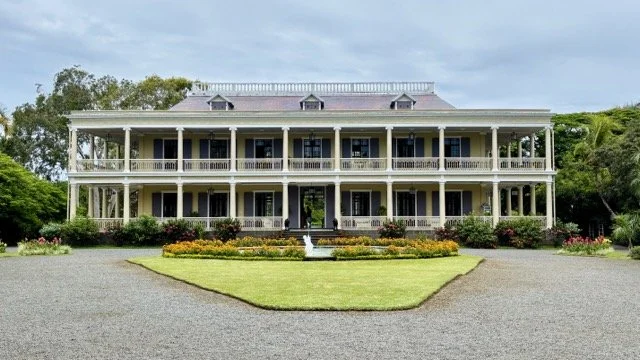
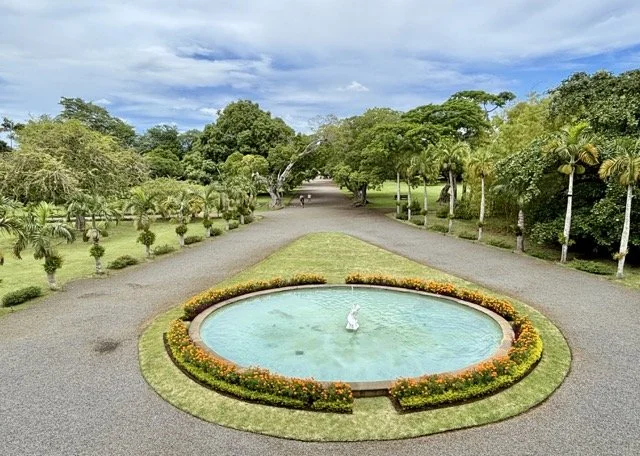
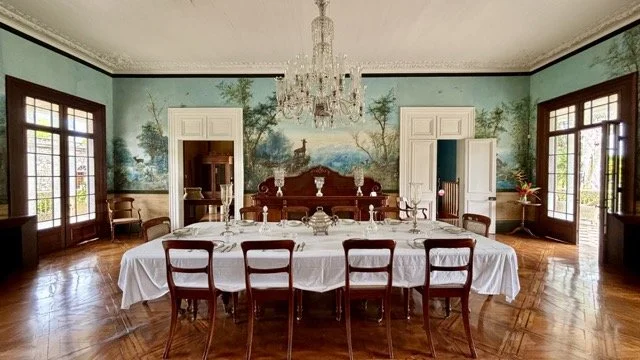
推薦理由:保存良好的殖民時期別墅、熱帶果園與朗姆酒館,適合作為文化與美食兼具的一站。
必看推薦:莊園建築細節、果園漫步、朗姆酒品鑑與莊園餐廳菜單。
攝影建議:白天以自然光拍攝建築外觀與庭園;使用標準或短望遠鏡頭(50–135mm)捕捉建築細節與花卉特寫。
交通:位於北部 Pamplemousses 區,建議自駕或參團前往。
開放時間與票價:常有導覽與餐廳服務,入場/導覽費視活動而定(參考 €5–15,實際以莊園公告為準)。
5. L'Aventure du Sucre(糖業博物館)— 糖業史與品酒體驗
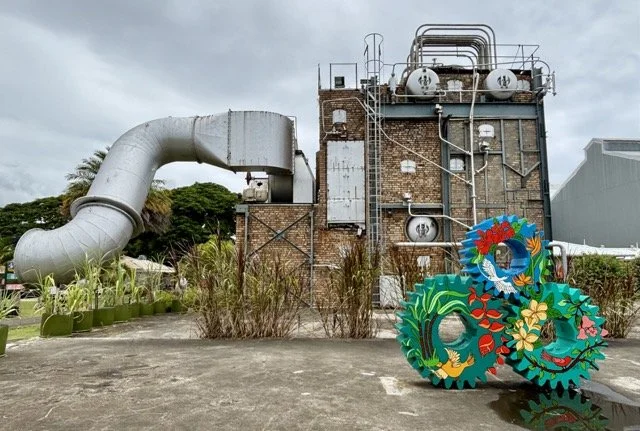
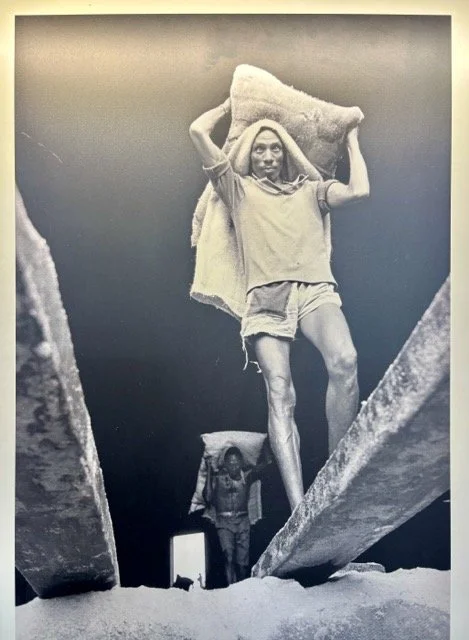
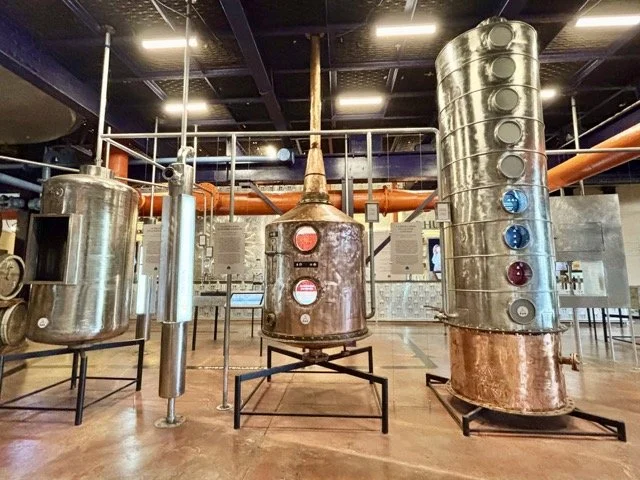
推薦理由:深入了解模里西斯糖業歷史、契約勞工故事與朗姆酒(rum tasting)文化,適合文化旅遊者。
必看推薦:糖業機具展示、歷史檔案、互動展區與朗姆酒品鑑體驗。
攝影建議:展廳光源多變,建議使用閃燈或高 ISO(但注意展品保護規定),拍攝互動展示製作故事型圖像。
交通:位於北部或中部主要路線,方便自駕或跟團納入半日遊。
開放時間與票價:博物館有固定票價(約 €8–12 參考),建議官網查最新票價與導覽時段。
6. Grand Bassin(Ganga Talao)— 印度教聖地與重要節慶場域
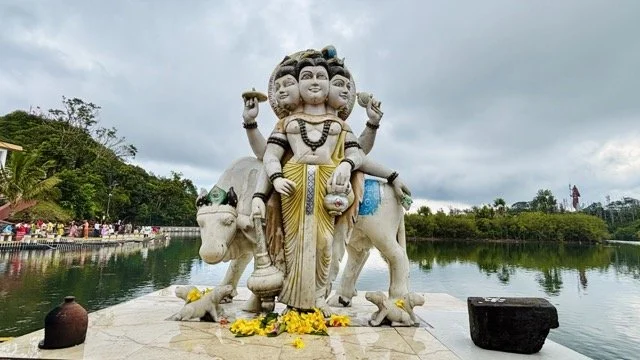
推薦理由:島上重要的印度教聖地,宗教色彩濃厚,尤其在 Maha Shivaratri 節慶時分外熱鬧。
必看推薦:湖畔大佛像、節慶遊行、供品與燈飾夜景。
攝影建議:節慶時的色彩與人群為拍攝重點;夜間可用高 ISO 與三腳架拍燈光與燈籠反射。拍攝信眾與儀式請保持禮貌並先徵求同意。
交通:位於內陸火山湖區,建議包車或計程車前往。
開放時間與票價:公開宗教場所,免費參訪;節慶期間人潮眾多,請提前安排交通。
7.Blue Bay & Mahebourg 完整攻略|浮潛海洋保護區、歷史港鎮與拍攝秘訣
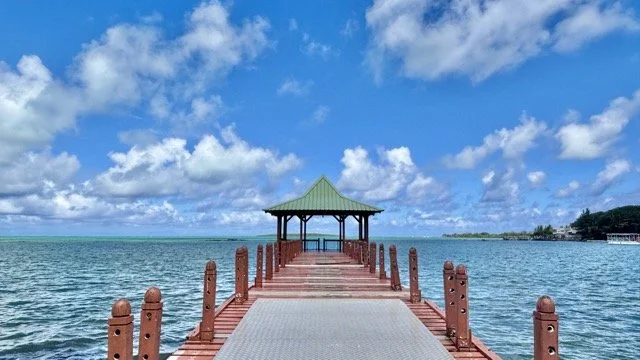
攝影建議(Photo tips)
水下攝影:使用專業防水殼(或向業者租借水下相機),廣角水下鏡頭拍攝珊瑚礁與魚群;注意避免用閃光驚擾海洋生物。
玻璃底船拍攝:傍晚或上午光線較柔,從側窗或甲板拍攝水面反光與魚群。
市區與人文:Mahebourg 市集建議早晨時段拍攝攤販與人像,使用自然光與大光圈(f/1.8–2.8)獲得背景虛化。
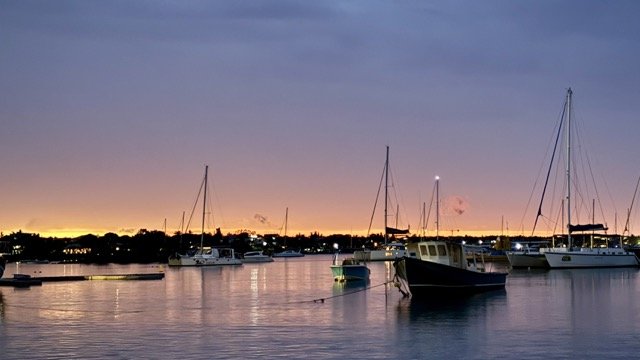
港口黃昏:用三腳架拍攝長曝水面倒影或夕陽剪影,建議使用濾鏡控制光線。
保護區拍攝禮儀:拍攝野生動物或珊瑚時保持距離,不觸碰或踩踏珊瑚。
交通方式(How to get there)
自駕/租車:從 Port Louis 或度假區出發約 45–70 分鐘車程(視路況)。自駕最靈活,可同日串訪其他東岸景點。
公車:有長途公車可抵 Mahebourg;到 Blue Bay 需從 Mahebourg 轉乘或搭短程計程車。
計程車/包車:適合當日往返或攜家帶老者,價格視距離與議價而定。
船:從 Mahebourg 碼頭可搭船前往 Ile aux Aigrettes 或近海浮潛點,浮潛行程通常由當地業者提供接送與裝備。
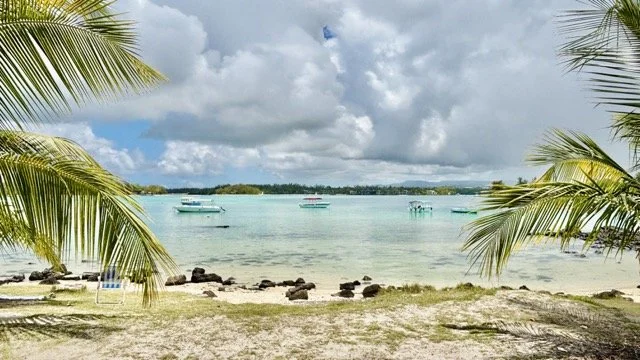
開放時間與票價參考(Hours & Fees)
Blue Bay Marine Park:浮潛與船遊為主,公園本身開放;浮潛或船票價格約 MUR 300–1500(依行程長短與裝備含否),可向當地船家或旅遊業者預訂。
Ile aux Aigrettes 生態導覽:需預約導覽,價格約 MUR 600–1500(含船資與導覽費,視團體大小)。
結語與實用小貼士
行程規劃:若時間有限,建議分北部/西部/東部一日或半日排程,將文化與生態點串聯成主題行程(如「植物園+莊園+糖廠」或「瀑布+黑河峽谷」)。
交通建議:偏遠或保育區建議包車或參加當地導覽團,既安全又節省等待與轉乘時間。
攝影器材:必備三腳架、ND 濾鏡、長焦鏡頭與備用電池;戶外請備防塵防水包。
尊重文化與環境:在宗教與保育場所請遵守服裝、拍攝與垃圾處理規範,支持在地生態保育與社區經濟。
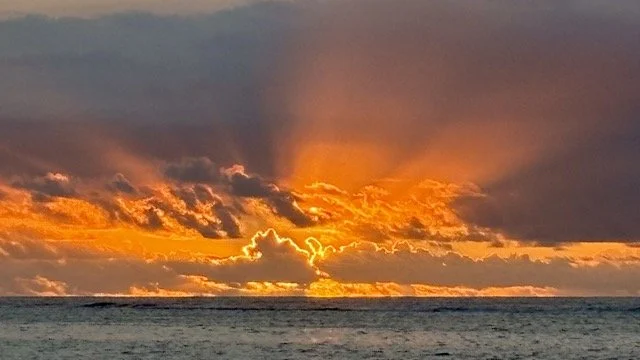
最佳拍攝時段與攝影技巧(匯總)
海景與潟湖:日出(東岸)與日落(西岸)為首選;使用偏光鏡強化海色。
瀑布與森林:陰天或散射光能降低高光與陰影對比,長曝呈現水流絲綢感。
城市與市場:帶 35/50mm 快鏡捕捉人文與動態;拍食物與攤販使用淺景深特寫。
低光與夜景:攜帶三腳架、快門線與高 ISO 能力相機;海港長曝拍燈光倒影效果佳。
模里西斯旅遊常見問題(FAQ):行前規劃、簽證、交通、治安與必玩推薦
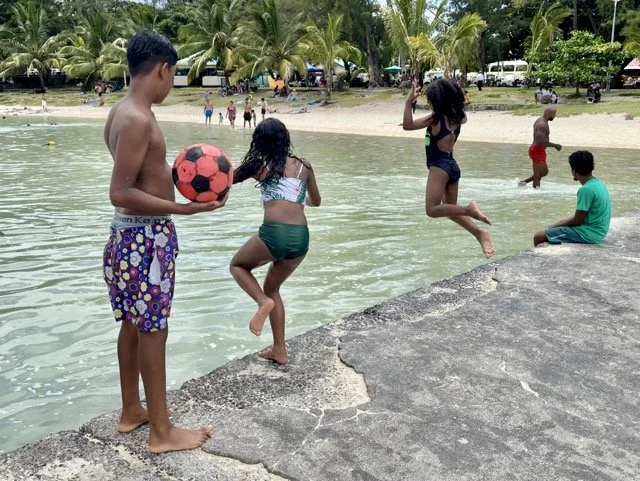
模里西斯位於印度洋,是人氣度假天堂。本文以常見問題(FAQ)形式整理行前規劃、簽證、最佳旅遊季節、如何前往、當地語言與貨幣、交通方式、衛生安全、熱門活動與住宿建議,快速解答你出發前最常遇到的疑問,讓旅程準備更安心。
一、行前規劃與簽證
模里西斯在哪裡?
位於印度洋,馬達加斯加東方,屬非洲島國,面積約台灣的 1/20。適合海島度假與自然探索。
2.簽證需要嗎?
持中華民國(台灣)護照前往觀光,多數情況免簽(可停留 30–90 天,依入境官規定為準)。入境時可能被要求出示回程機票與住宿證明(飯店或度假村訂單)。出發前務必查詢最新入境規定。
3.最佳旅遊季節?
全年皆可訪問;5–10 月較涼爽乾燥,適合潛水與登山;11–4 月較熱且雨季、偶有熱帶氣旋,但島上景色最為翠綠。視旅遊重點選季節(潛水、賞鯨或避開雨季)。
4.如何前往?
台灣出發通常需轉機(常見轉機地:香港、吉隆坡、杜拜等),多家航空公司與轉機選項可選。比價機票、留意行李轉接與轉機時間。
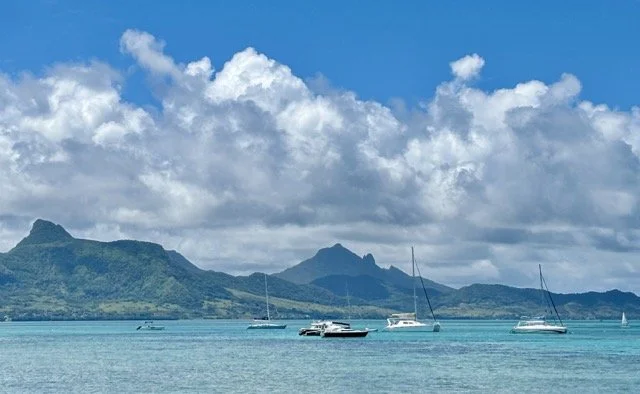
二、當地生活與貨幣
5.語言?
官方語言為英語,但法語與克里歐語在日常交流中非常普遍。旅遊業者普遍能以英語或法語溝通,飯店多語服務可行。
6.貨幣與換匯?
使用模里西斯盧比(MUR)。建議抵達時先換少量現金於機場或使用 ATM 提領,旅遊旺季及市集建議備小額現鈔。大型商店與飯店多接受信用卡。
7.小費文化?
有給小費習慣,但非強制。餐廳、導遊、司機、行李服務可適度給予小費表謝意(視服務品質而定)。

三、安全與健康
8.治安如何?
模里西斯整體治安良好,但遊客需注意背包、手機等貴重物品,特別在人多的市集(如 Port Louis 中央市場)或觀光區。夜間獨行或偏僻地區要提高警覺。
9.衛生與飲水?
飲食衛生普遍良好,但若擔心水質,建議飲用瓶裝水。
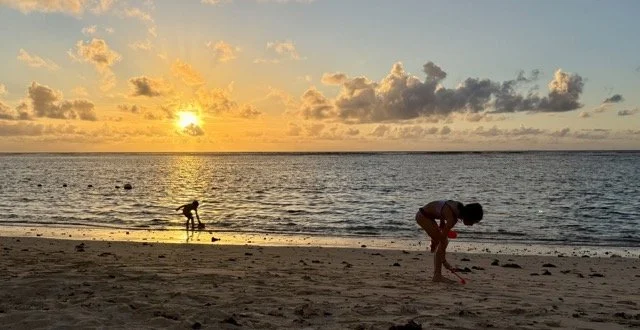
四、旅遊活動與交通
10.熱門景點有哪些?
常見必訪:Ile aux Cerfs(鹿島)、Cap Malheureux(紅頂教堂)、Chamarel(七色土)、Pamplemousses Botanical Garden(植物園)、Black River Gorges(黑河谷)、Le Morne(勒莫恩)。
11.推薦活動?
浮潛、潛水(沉船或珊瑚礁)、觀海豚、出海、風帆、島嶼跳島、滑索與生態導覽。可依體能與興趣選擇半日或一日行程。
12.島上交通怎麼選?
包車/出租車:最方便、彈性高,適合家庭或多人同遊;價格較高。
租車自駕:右駕(與英國、日本等相同),自由度高,注意山路與單線道。
公車:最經濟,能深入當地生活,但班次不密,長途耗時,須事先查時刻。建議以 Port Louis 為轉運樞紐。
五、住宿與飲食
13.如何挑選住宿?
北岸 / 西岸(Grand Baie、Flic en Flac):度假村與餐飲選擇多、夜生活豐富。
東岸(Belle Mare、Ile aux Cerfs 附近):水域活動豐富,適合水上活動愛好者。
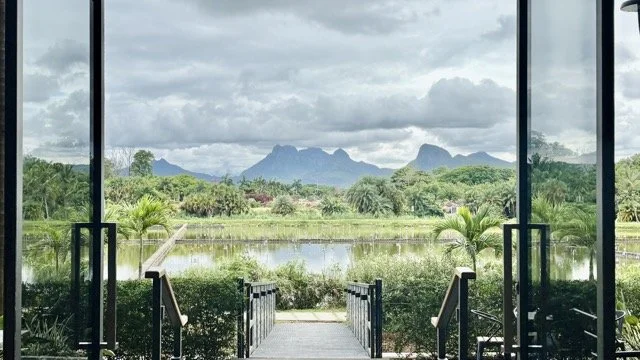
南岸 / 中部:自然景觀與生態活動較多,適合喜歡寧靜旅行者。
14.飲食特色?
模里西斯料理融合印度、法國、華人與非洲風味,咖哩、海鮮、路邊小吃(如 Dholl Puri、Alouda)值得嘗試。
六、其他常見問題
15.需要中文導遊嗎?
多數旅遊情況用英語即可溝通;若想深入了解歷史文化或語言不熟,可預約中文導遊或中文團。如有需要,我推薦模里西斯我的家粉絲專頁
16.旅遊預算該準備多少?
視旅遊風格而定:背包客/經濟型以公車與平價餐飲省錢;度假村與私人導覽屬高消費。一般來說,交通及餐飲比住宿相對平實,但度假村價格偏高。
17.網路與通訊?
多數飯店與咖啡廳提供 Wi‑Fi;可在機場買 SIM 卡或租用行動 Wi‑Fi,資料流量與覆蓋率良好。
延伸閱讀:模里西斯完整旅遊攻略
關於作者|Toto Kuo
大家好,我是 Toto Kuo,來自台灣,目前定居在浪漫的 希臘聖托里尼。身為一名熱愛探索的攝影師與旅人,我曾以背包客的身分走遍 超過 80 個國家,並曾旅居 加拿大、紐約、巴黎,且在 4 個國家打工度假,用旅行的方式體驗世界的多元文化。
目前,我與希臘先生在聖托里尼一起經營一家 希臘餐廳 Karma與 聖托里尼婚紗攝影工作室,同時把我最熱愛的攝影、旅行、美食與文化分享給更多人。無論是 希臘小島推薦、聖托里尼完整攻略、在地美食推薦、咖啡館探訪、旅遊攝影指南,和自由行的行程安排,我都會透過文字與影像帶你親身感受。
Mauritius Deep Travel Guide — Port Louis Market Walk, UNESCO Heritage, Hidden Gems, Bus Guide & Pro Photography Tips
Explore Mauritius in depth: Port Louis Central Market food walk, Le Morne UNESCO heritage, hidden gems (Chamarel, Grand Bassin, Bras D’Eau, Château de Labourdonnais, L’Aventure du Sucre, Casela), full bus guide (incl. https://www.mauritius-buses.com/line/215/), transport, hotels, booking links, photography tips and FAQ.
Table of Contents
Tasting Port Louis with Cindy: An Immersive Food Walk
Port Louis Central Market: Dholl Puri / Alouda / Chouchou balls
Mauritius’s Two UNESCO World Heritage Sites: Aapravasi Ghat & Le Morne — History, How to Get There, Why Visit & Opening Hours
Mauritius bus guide & practical tips (use official route checker)
Mauritius Hidden Gems Guide: Seven Waterfalls, Red Church, Bras D'Eau, Labourdonnais & More (Tips, Photo Advice, Hours & Fees)
Photography tips by scene (beaches, waterfalls, market, wildlife)
Travel FAQ — Visas, Best Time, Transport, Safety & Top Tips
Tasting Port Louis with Cindy: An Immersive Food Walk
Intro
This was not just a city stroll—it was a casual journey through history, culture and flavor. After bingeing several podcasts about Mauritius, I finally met Cindy, the lively author and guide behind “Mauritius My Home,” and booked her immersive one-day private tour in Port Louis. The best way to know a place is to walk with a local, eat what they eat, and listen to the stories they tell.
From podcast to person-to-person connection
I assumed the podcast voice out Cindy’s voice has even more charm in person. She’s talkative, upbeat, and somehow treats every stall like a family reunion. Walking with Cindy felt like tagging along with a chatty local friend who knows exactly where to get the best bites and the best stories.
The highlights: eat-as-you-walk rituals
We ate constantly (in the best possible way). Cindy showed me how to tear into a steaming Dholl Puri—the Mauritian split-pea flatbread—and said with a grin, “Don’t worry about the mess—that’s the point.” One bite and I was hooked: thin, slightly chewy flatbread, creamy spiced split-pea filling, bright pickles and rougaille adding tang and heat.
Then came Alouda—the pink, rose-scented chilled drink with jelly strips and soaked basil seeds. The floral sweet Alouda paired perfectly with the savory Dholl Puri—taste buds doing a happy two-step.
Personal takeaway
Meeting a local friend, not just a city
By the end of the day I didn’t only know Port Louis—I felt welcomed by it. Cindy isn’t just a guide; she stitches the city’s narrative together. Dholl Puri became a symbol of migration and daily life; Alouda became a cooling ritual. The warmth of being treated like a friend beats any postcard photo.
Why this is the most authentic way to travel
Deep connection: Stories turn sights into memories.
Flavor-first approach: Dholl Puri and Alouda as cultural entry points.
Casual intimacy: A private tour feels like walking with a friend.
Local support: You’re eating from family stalls and small businesses that preserve culture.
Practical tips
Book ahead: Reserve Cindy’s private tour and tell her any dietary needs.
Bring cash: Street vendors prefer cash payments.
Come hungry: Seriously—leave space for lots of tasting.
Photo etiquette: Ask vendors before photographing.
Port Louis Central Market: Dholl Puri / Alouda / Chouchou balls
Dholl Puri
often called the national street food of Mauritius, is a thin flatbread filled or layered with ground yellow split peas (chana dal). Served hot with curries, pickles, and chutneys, it’s a staple of Mauritian cuisine and a must-try when visiting.
Origins and Cultural Significance Brought to Mauritius by Indian indentured laborers (mainly from Bihar) in the 19th century, Dholl Puri evolved into a distinct Mauritian dish over generations. It’s widely available at street stalls, markets, and budget eateries, symbolizing cultural fusion and everyday local life.
Ingredients and Texture Key ingredients
Yellow split peas (chana dal / dholl): the creamy, flavorful filling.
All-purpose flour: for the thin, pliable flatbread; sometimes mixed with rice flour.
Spices: cumin, garlic, salt; optionally turmeric for color.
Oil or ghee: used for cooking and flavor.
Texture profile The exterior is thin and slightly chewy, while the split-pea filling is soft and aromatic. When combined with curry sauces and pickles, the flatbread absorbs flavors and offers a balanced salty, spicy, and tangy experience.
Classic Pairings and How to Eat It Dholl Puri is typically layered rather than fully stuffed. Typical accompaniments:
Bean curries (Gros Pois / butter bean curry)
Rougaille (Mauritian tomato-based Creole sauce)
Pickles/Atchar (mango or chili pickles)
Coriander chutney
Lemon wedges, fresh chili slices
Eating method Locals eat Dholl Puri by hand, folding or rolling two flatbreads with fillings inside. It’s best eaten hot, with plenty of curry and pickles for contrast.
Alouda
is a beloved pink cold drink in Mauritius, adapted from the Indian falooda. Made with milk, rose syrup, agar strips (jelly), and soaked basil seeds (tukmaria), Alouda is creamy, floral, and pleasantly textured. This guide explains why Alouda is a must-try in Mauritius, provides a simple home recipe, and shares practical tips for finding authentic versions across the island.
Origins and Cultural Context Alouda arrived in Mauritius through Indian influence and evolved into a local favorite. It’s commonly sold at markets, beach stalls, and snack vendors—an emblematic refreshment of Mauritian street food culture.
Key Ingredients and Texture Main ingredients
Milk (often full-fat or with condensed milk)
Rose syrup for flavor and pink color
Agar strips or jelly for chewiness
Soaked basil seeds (tukmaria) for a slippery, bouncy texture
Optional: vanilla or almond extract, ice cream, fresh fruit
Texture profile Alouda balances silky milkiness with the floral sweetness of rose syrup and the chewiness of agar and basil seeds, creating layered mouthfeel and cooling refreshment.
Chouchou balls
a distinctive Mauritius snack that mixes shredded chayote with fish paste, minced meat or shrimp, then steamed or fried. Served in soups or as bite‑size snacks, they reflect the island’s Chinese and Creole culinary fusion.
Local ways to eat & pairings
In soup or rice noodle soup as a comforting addition.
Fried with atchar or rougaille for savory snacks.
As a side to curry or vegetable dishes.
Where to try in Mauritius
Port Louis Central Market: many stalls serve Chouchou balls in soup or as snacks.
Mahebourg fish market: local vendors near the harbor.
Local eateries and food tours (book a Port Louis food walk to taste multiple versions).
Mauritius’s Two UNESCO World Heritage Sites: Aapravasi Ghat & Le Morne — History, How to Get There, Why Visit & Opening Hours
Mauritius is home to two UNESCO World Heritage Sites that document the island’s painful and powerful histories: Aapravasi Ghat in Port Louis (the 19th-century arrival point for Indian indentured labourers) and the Le Morne Cultural Landscape (a mountain refuge for escaped slaves). This guide covers their historical backgrounds, how to reach each site, why they’re worth visiting, opening hours, and practical tips for travelers.
Aapravasi Ghat — Historical Background
Significance: Located on the waterfront of Port Louis, Aapravasi Ghat served as the main landing and registration site for Indian indentured labourers after the abolition of slavery. Designated a UNESCO World Heritage Site in 2006, it is crucial to understanding the origins of modern indentured labour and the demographic formation of Mauritius.
Site today: The preserved pier, interpretive centre and museum exhibits documents passenger lists, artifacts and personal testimonies, offering a comprehensive narrative of migration.
How to get there
Location: Port Louis waterfront, near Central Market and the city centre.
Public transport: Accessible by city buses that serve Port Louis; many visitors walk from nearby central areas.
Taxi/car: From Sir Seewoosagur Ramgoolam International Airport about 45–60 minutes by car (traffic dependent). Parking in Port Louis can be limited—arrive early.
Accessibility: Central location makes it easy to combine with market visits and other city attractions.
Why visit
High educational and historical value for understanding migration and labour history.
Well-curated museum and exhibits.
Easy to combine with Port Louis market and harbour walks.
Opening hours & practical info
Typical hours (reference): Tue–Sun 09:00–16:00; closed Mondays and some public holidays. Check official sources before visiting.
Fees: Some exhibitions or guided tours may charge admission; concessions often available. Advance bookings for group tours recommended.
2. Le Morne Cultural Landscape — Historical Background
Significance: Le Morne Brabant is a rugged mountain on Mauritius’s southwestern tip that served as a refuge for escaped slaves (maroons). It symbolizes resistance and the struggle for freedom—inscribed as a UNESCO World Heritage Site in 2008.
Cultural memory: The mountain and surrounding area preserve oral histories and memorials related to slavery and escape narratives.
How to get there
Location: Southwest coast, near Le Morne village and Le Morne Beach.
From the capital/airport: Approximately 1–1.5 hours by car from Port Louis or the airport. Options include rental car, private transfer, or long-distance bus to the area followed by local transport.
Tours: Many operators offer half-day or full-day Le Morne hikes and cultural tours including transfers and guides.
Why visit
Combines dramatic natural scenery with powerful cultural significance.
Hike to panoramic viewpoints overlooking the Indian Ocean and coral reefs—excellent for sunrise/sunset photography.
Offers deep insights into the island’s slavery history and cultural resilience.
Opening hours & safety notes
Typical access hours (reference): Trails generally open from early morning to late afternoon (approx. 06:00–18:00); check for seasonal restrictions.
Fees: Trail access may be free, but guided tours and protected-area access may carry fees.
Safety: Trail can be steep and exposed—wear sturdy footwear, carry water, and avoid hiking in bad weather. Guided hikes recommended for safety and interpretation. Respect memorial areas and avoid disturbing vegetation.
Mauritius Bus guide & practical tips (use route checker)
Public buses in Mauritius are the most economical way to explore the island and offer a genuine local experience. Below are commonly used bus numbers and routing tips from Port Louis (the main hub) to major tourist sites. Routes and schedules can change—confirm with on-site bus staff or Google Maps before departure.
Popular destinations & common bus numbers (from Port Louis) Note: These are commonly used routes or route families. Some destinations lack frequent direct public buses—consider transfers, taxis, or tours.
Grand Baie (north coast beaches & nightlife)
Common buses: 20, 21, 22, 23, 24, 25 (depart from Port Louis / Immigration Square)
Why visit: Beaches, shopping, restaurants, nightlife.
Tip: Buses fill up during high season and weekends.
2.Trou aux Biches / Mont Choisy (north beaches)
Common buses: Northbound routes (20–25) or some 121 services.
Why visit: Family-friendly beaches and snorkeling.
3.Pamplemousses Botanical Garden
Common buses: Routes such as 30, 31 or northbound buses with stops at Pamplemousses (may require short transfer).
Why visit: Iconic botanical garden with giant water lilies.
4.Port Louis (Central Market, Aapravasi Ghat)
Common buses: Numerous routes terminate or stop in Port Louis; short city trips often walkable.
Why visit: Markets, heritage sites, museums.
5.Flic en Flac (west coast beach & sunsets)
Common buses: 123 (departures from Port Louis / Victoria Square)
Why visit: Long sandy beaches and sunset views.
Tip: Allow ample travel time; west coast routes can be lengthy.
6.Black River Gorges National Park
Common buses: No frequent direct tourist buses—use long-distance services to Black River/Chamarel, or choose car/tour.
Why visit: Hiking, waterfalls, endemic forest.
7.Chamarel (Seven Colored Earth & waterfalls)
Common buses: Limited long-distance services; most visitors go by tour or private car.
Why visit: Geological wonders and scenic viewpoints.
8.Le Morne (Le Morne Brabant & beach)
Common buses: Few reliable direct services—many visitors reach Le Morne by shuttle/tour or private transfer.
Why visit: UNESCO site, hiking, water sports.
Tip: Guided tours recommended for safety and interpretation.
9.Blue Bay / Mahebourg (southeast, marine park)
Common buses: Long-distance buses to Mahebourg/Blue Bay; check schedules and transfer points.
Why visit: Snorkeling, marine reserve, historic town.
10.Ile aux Cerfs (requires boat from east coast)
How to get there: Take bus/taxi to Trou d’Eau Douce then boat transfer to Ile aux Cerfs; limited direct bus options.
Why visit: Popular island day trip with water activities.
Practical tips & service notes
Hub: Use Port Louis (Victoria Square / Immigration Square) as your main transfer point.
Payment: Cash only on most buses (approx. 15–35 MUR); keep small change.
Schedules: City services roughly 05:30–20:00; evening services drop sharply after 18:00.
Bus types: Express/air‑conditioned services exist but are less common than standard buses.
Planning tools: Confirm routes with Google Maps and ask the Bus Conductor or your accommodation for real‑time advice. Use the official Mauritius bus route site to check schedules and stops (example route: https://www.mauritius-buses.com/line/215/).The site helps plan connections between Port Louis, Grand Baie, Chamarel and other nodes.
If no direct bus: Consider taxi, private transfer, or organized day tours for convenience and time savings.
Mauritius Hidden gems & nature parks — why go, how to get there, photo tips, hours & fees
Discover Mauritius’s hidden gems: Seven Waterfalls, Red Church, Bras D'Eau National Park, Château de Labourdonnais, L'Aventure du Sucre, Grand Bassin and Casela Nature Parks. Includes why to visit, must-sees, photography tips, transport options and opening hours/fee references.
Seven Waterfalls — Eco hiking & long‑exposure waterfall photography
Why visit: A cluster of waterfalls, clear pools and native vegetation—great for hiking, wild swimming and photography.
Must‑see: Each waterfall tier and its natural swimming pools; surrounding flora and birdlife.
Photo tips: Use an ND filter and tripod for long exposures (0.5–several seconds). Shoot at sunrise or overcast skies to retain water detail. Wide angle for full falls; telephoto for water droplet detail.
Getting there: Best by guided vehicle or self‑drive; some trails require walking into the forest.
Hours & fees: Usually natural areas with free access; guided tours may charge a small fee.
2. Red Church — Colorful local chapel and human‑interest photography
Why visit: The bright red‑roofed chapel is a local visual landmark and offers cultural photography opportunities.
Must‑see: The chapel façade, local worship scenes and nearby coastal views.
Photo tips: Use side light for contrast with blue sky; always ask permission before photographing people, especially during services.
Getting there: Rural location—car or taxi recommended.
Hours & fees: Typically open as a public religious site and free to visit.
3. Bras D'Eau National Park — Tropical forest, wetlands & birding
Why visit: Tropical forest trails, freshwater wetlands and excellent birdwatching opportunities.
Must‑see: Wetland bird species, endemic trees and boardwalks.
Photo tips: Early morning is best for birds; bring a long telephoto (200–400mm) and tripod. Low ISO for detail.
Getting there: Drive or join an eco‑tour; park entrances vary by location.
Hours & fees: Park access may be free or involve a conservation fee—check local park authority.
4. Château de Labourdonnais — Colonial estate, orchards & rum culture
Why visit: Well‑preserved colonial mansion, tropical orchards and rum tasting—combines history, horticulture and gastronomy.
Must‑see: Mansion architecture, garden walks, rum tasting and on‑site restaurant.
Photo tips: Shoot architectural and garden details in daytime light; 50–135mm lenses work well for portraits and details.
Getting there: Located in Pamplemousses (north); self‑drive or tour recommended.
Hours & fees: Guided tours and dining available; entry/tour fees approx. €5–15 (check official site).
5. L'Aventure du Sucre — Sugar history museum & rum tasting
Why visit: Learn Mauritius’s sugar industry history, indentured labor stories and enjoy rum tasting.
Must‑see: Historical machinery, archives, interactive exhibits and tasting sessions.
Photo tips: Museum lighting varies—use flash or higher ISO if allowed; capture exhibit details and story‑driven images.
Getting there: North/central location; common half‑day tour stop.
Hours & fees: Museum has set opening hours; ticket ~€8–12 (refer to official site).
6. Grand Bassin (Ganga Talao) — Hindu pilgrimage lake & festivals
Why visit: Major Hindu pilgrimage site with intense religious activity—particularly vibrant during Maha Shivaratri.
Must‑see: Lakeside statues, festival processions, offerings and illuminated night scenes.
Photo tips: Capture ritual colors and crowd scenes; use tripod and high ISO for night shots; always show respect and ask before photographing worshippers.
Getting there: Inland crater lake—best reached by car or organized tour.
Hours & fees: Open to public and free to visit; festivals draw large crowds.
7.Blue Bay & Mahebourg — Marine Park Snorkeling and Historic Harbour Town
Why visit
Exceptional snorkeling and coral ecosystems in Blue Bay Marine Park.
Mahebourg’s historic waterfront, seafood markets for cultural immersion.
Easy combination of aquatic and cultural experiences in one day.
Must‑see activities
Snorkel or glass‑bottom boat in Blue Bay Marine Park to view coral reefs and tropical fish.
Wander Mahebourg Market for fresh seafood, spices and local snacks.
Boat trip to Ile aux Aigrettes for guided wildlife conservation tours.
Photo tips
Underwater: use proper housings and wide‑angle lenses; avoid flash close to corals.
Glass‑bottom boats: shoot during morning light for better visibility.
Market portraits: morning light and fast lenses (f/1.8–2.8) for candid shots.
Sunset harbour scenes: tripod and long exposures for reflections and silhouettes.
Getting there
Drive: approximately 45–70 minutes from Port Louis—self‑drive offers best flexibility.
Bus: long‑distance buses reach Mahebourg; confirm schedules and allow transfer time to Blue Bay.
Taxi / private transfer: convenient for direct trips; many hotels offer transfers.
Boat: local operators provide snorkel trips and transfers to Ile aux Aigrettes.
Hours & fees (reference)
Blue Bay snorkel/boat trips: roughly MUR 300–1500 depending on duration and equipment.
Ile aux Aigrettes guided tours: approx. MUR 600–1500 incl. boat and guide.
Conclusion & practical tips
Plan by region: Combine north/cultural stops (Pamplemousses, Labourdonnais, L’Aventure du Sucre) or nature circuits (Seven Waterfalls + Black River Gorges) for efficient travel.
Transport: Rent a car or book guided tours for remote or conservation areas.
Photo gear essentials: Tripod, ND filters, telephoto lens, spare batteries and weather protection.
Respect & conservation: Follow local rules at religious and protected sites; support local guides and community‑run initiatives.
Photography tips by scene
Markets: 35/50mm prime, fast aperture (f/1.8–2.8), candid portraits with consent.
Beaches/lagoon: polarizer + wide lens, shoot at golden hour.
Waterfalls/forests: ND filter for long exposures, tripod, overcast preferred.
Heritage & temples: wide for architecture, 50–85mm for details; respect signs.
Mauritius Travel FAQ — Visas, Best Time, Transport, Safety & Top Tips
Mauritius, an island nation in the Indian Ocean east of Madagascar, combines tropical beaches, diverse culture and outdoor activities. This FAQ-style guide answers the most common traveler questions—visas, timing, getting there, local life, transport, safety, attractions and accommodation—so you can plan with confidence.
Visa & pre-trip planning
Where is Mauritius?
Mauritius is in the Indian Ocean, east of Madagascar. The island area is roughly 1/20 the size of Taiwan.Do I need a visa?
Many nationalities (including holders of Republic of China/Taiwan passports) enjoy visa-free entry for tourism; typical stays range from 30–90 days depending on nationality and immigration rules. Be ready to show a return ticket and proof of accommodation on arrival. Check the latest entry requirements before departure.Best time to visit
Year-round travel is possible. May–October is cooler and drier—ideal for diving and land activities. November–April is warmer, wetter and includes cyclone season, but the island is very lush. Choose season by activity preference.2. Getting there
Flights from Taiwan typically connect via hubs such as Hong Kong, Kuala Lumpur or Dubai. Airlines serving Mauritius include Air Mauritius and various international carriers. Compare connections, transit times and baggage transfer rules.
3. Language & currency
Languages: English is the official language; French and Mauritian Creole are widely spoken. Tourist services commonly use English and French.
Currency: Mauritian Rupee (MUR). Exchange a small amount at the airport, use ATMs or local exchange counters for larger sums. Credit cards accepted at many hotels and restaurants—carry cash for markets and small vendors.
Tipping: Not mandatory but customary for good service (restaurants, guides, drivers).
4. Safety & health
Safety: Mauritius is generally safe. Be mindful of petty theft in busy areas (e.g., Port Louis Central Market). Avoid isolated spots at night and secure valuables.
Water & food: Tap water is generally treated; if concerned, drink bottled water. Choose reputable restaurants for seafood and local dishes.
5. Transport & getting around
Best options: Private transfers or car hire offer flexibility. Driving is on the left (right-hand drive vehicles). Mountain roads can be narrow—drive cautiously.
Public buses: Cheapest way to travel and authentic local experience but schedules can be infrequent for long routes—Port Louis is the main bus hub. Cash fares onboard (small amounts).
Taxis & tours: Useful for groups or reaching remote sites; guided day tours save time for attractions like Le Morne, Chamarel and Ile aux Cerfs.
Ferries/boats: Required for island trips (e.g., Ile aux Cerfs). Book transfers in advance during high season.
6. Top attractions & activities
Must-see sites: Ile aux Cerfs, Cap Malheureux (red-roof church), Chamarel (Seven Coloured Earth), Pamplemousses Botanical Garden, Black River Gorges National Park, Le Morne (UNESCO).
Recommended activities: Snorkeling/diving (shipwrecks, reefs), dolphin watching, sailing, island hopping, zipline, hiking and rum tasting. Book water activities with licensed operators.
7. Accommodation & food
Where to stay:
North & west coast (Grand Baie, Flic en Flac): lively resorts, beaches, restaurants and nightlife.
East coast (Belle Mare, Trou d’Eau Douce): calmer beaches, water sports and gateway to Ile aux Cerfs.
South & interior: rugged nature, fewer resorts, great for eco and adventure travelers.
Cuisine: Fusion of Indian, French, Chinese and African influences—try Dholl Puri, Alouda, fresh seafood and local curries. Inform restaurants about allergies or dietary restrictions.
8. Practical FAQs
Budget expectations
Mauritius can be luxury or budget-friendly. Resorts and private services are pricier; local food and buses are affordable. Plan based on your accommodation and activity choices.Internet & SIM cards
Many hotels and cafes provide Wi‑Fi. Buy a local SIM at the airport for data and local calls if needed.9. Pre-departure checklist
Confirm visa/entry requirements and flight connections.
Book accommodations and key activities (diving, transfers) ahead in high season.
Bring appropriate clothing, sun protection, insect repellent and any prescription medication.
Prepare small cash in MUR for taxis, markets and bus fares.
Explore More : Complete Mauritius Travel Guide
About the Author | Toto Kuo
I’m Toto Kuo, a Taiwan-born photographer and traveler now based in Santorini, Greece. After exploring 80+ countries and living abroad in Canada, New York, and Paris, I settled in Oia, where I run Karma Greek Restaurant and a Santorini wedding photography studiowith my Greek husband.
Here I share my passions for photography, travel, food, and culture — from Greek islands travel guides and Greek island hopping tips to local food recommendations and secret photo spots. If you’re planning a trip to Santorini or looking for wedding photography inspiration, I’d love to help you capture the island’s magic.
