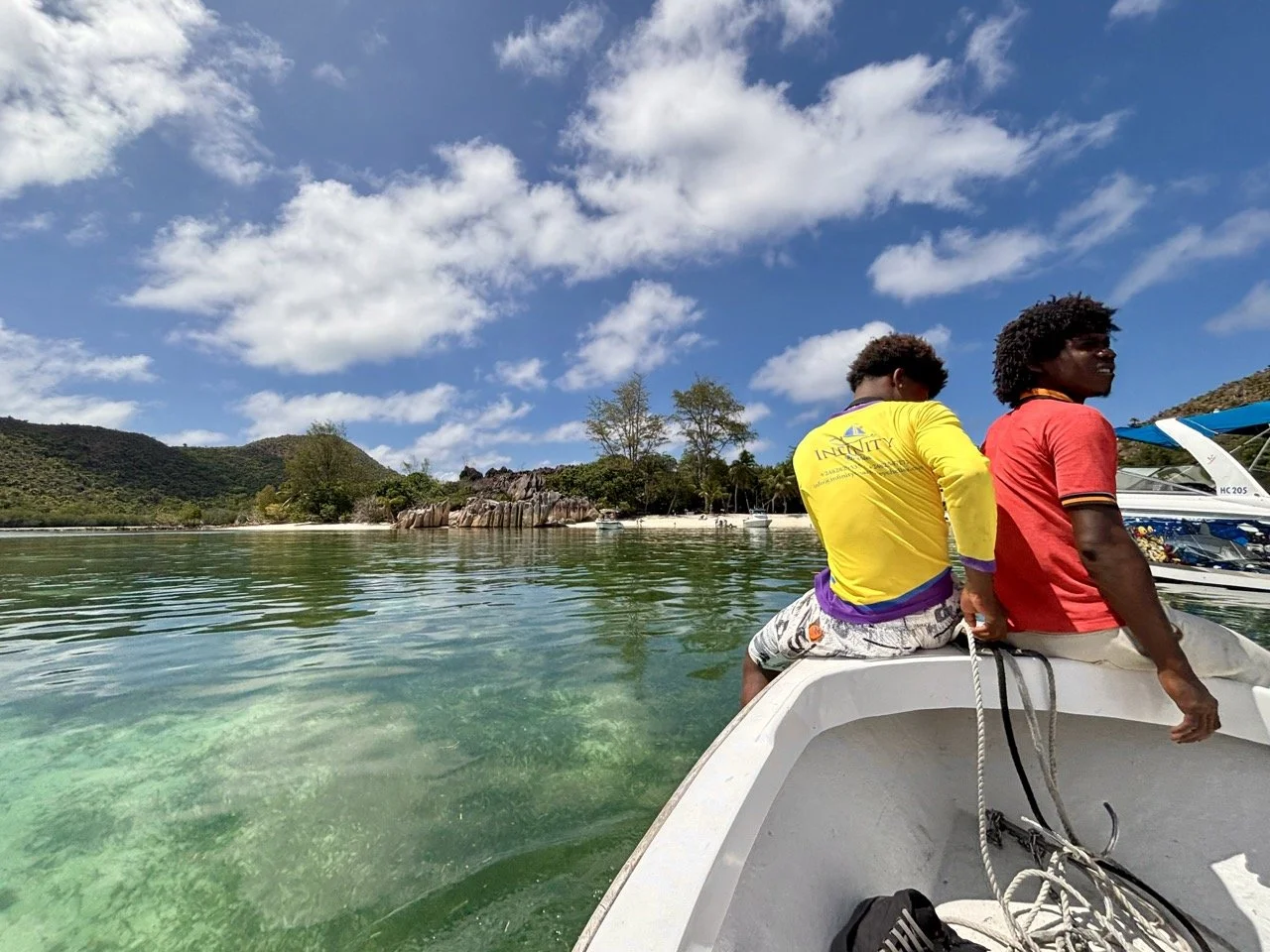
塞席爾夢幻跳島:庫里厄斯島與聖皮埃爾島一日遊完整攻略 Curieuse Island and St. Pierre Island Day Trip: A Complete Seychelles Island-Hopping Guide
Please see English version below
你是否在尋找一個遠離塵囂、擁有極致自然景觀的避世天堂?塞席爾旅遊絕對是全球熱愛自然與生態攝影者的首選。若想在有限的時間內,一次體驗野生動物的震撼與海洋的靜謐,那麼「庫里厄斯島與聖皮埃爾島一日遊」絕對是你的行程清單中的首選。
這趟旅程將帶你走進擁有「紅樹林迷宮」的國家公園,與世上最長壽的阿爾達布拉巨龜漫步,並在如水晶般透徹的海域進行塞席爾浮潛。現在,就跟著這份詳細的攻略,輕鬆搞定你的海島度假行程。
目錄
為什麼選擇庫里厄斯島與聖皮埃爾島一日遊?
庫里厄斯島:與巨龜漫步的生態樂園
聖皮埃爾島:浮潛愛好者的天堂
實用交通與行程指南
塞席爾攝影攻略 Tips
常見問題 (FAQ)
為什麼選擇庫里厄斯島與聖皮埃爾島一日遊?
這趟塞席爾一日遊之所以廣受好評,是因為它完美結合了「生態探索」與「水上活動」。
無與倫比的生態體驗: 庫里厄斯島是阿爾達布拉巨龜的自然棲息地,你能近距離观察這些溫和的巨獸,而非被限制在動物園的圍欄中。
頂級的水下視野: 聖皮埃爾島周圍的海域是塞席爾最著名的浮潛熱點,珊瑚礁生態保存極為完整,熱帶魚群數量驚人。
豐富的文化與美食: 在沙灘上享用道地的克里奧爾美食,這是一場結合視覺與味覺的享受。
攝影愛好者的天堂: 從奇特的棕櫚森林到湛藍的海水,這裡的每一處細節都充滿張力。
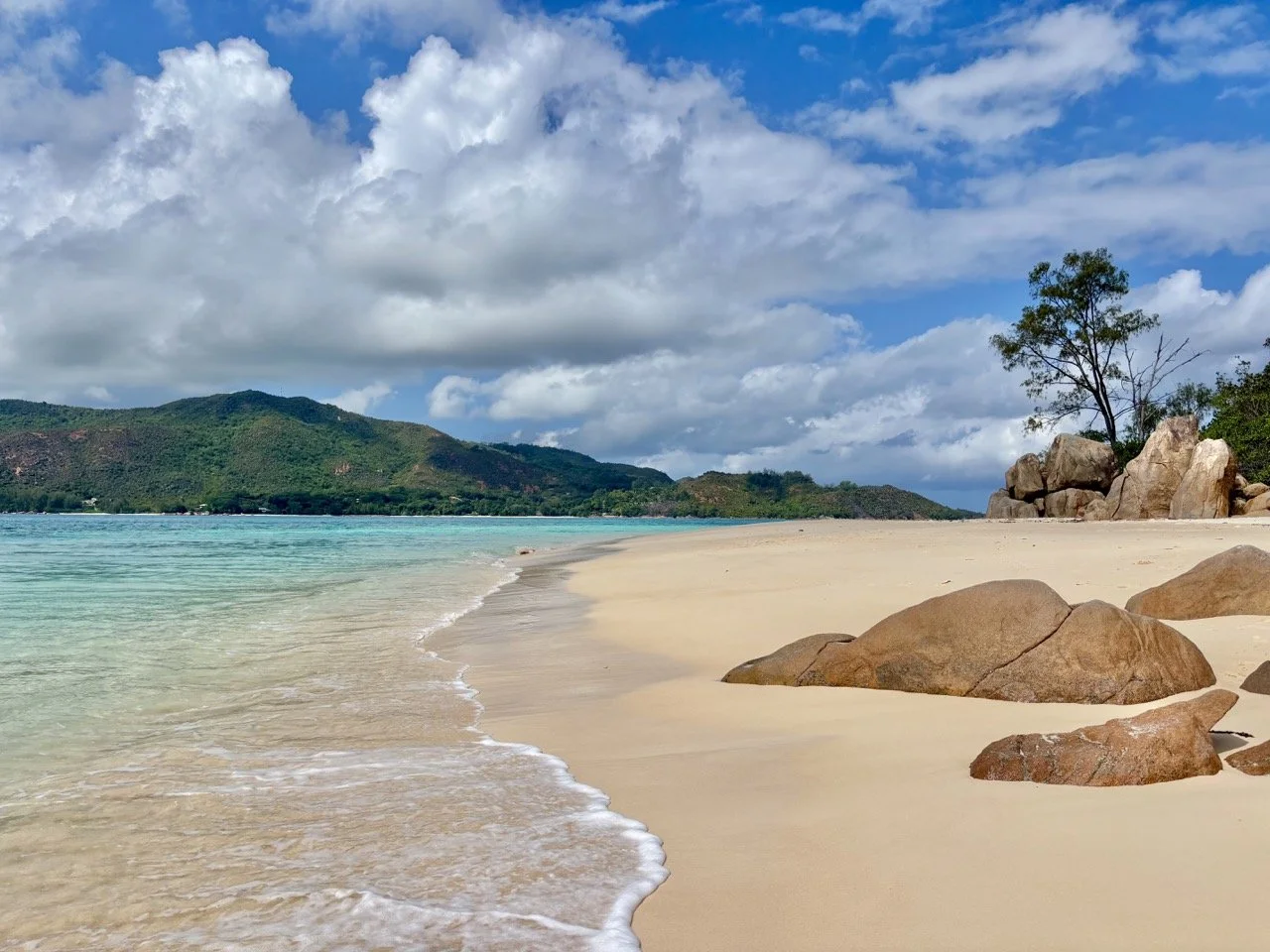
庫里厄斯島:與巨龜漫步的生態樂園
庫里厄斯島 (Curieuse Island) 是一座充滿歷史與自然奇觀的島嶼,在這裡,你可以盡情探索:
與阿爾達布拉巨龜自由漫步: 這是島上的重頭戲。在自然步道上,你可以見到這些體型龐大的巨龜在樹蔭下乘涼、進食。記得保持安靜,以尊重的態度觀察。
探訪歷史悠久的「醫生故居」: 這棟充滿殖民色彩的建築記錄了島嶼過去作為痲瘋病隔離區的歷史,是了解在地文化的重要據點。
導覽自然步道: 沿著規劃完善的木棧道,你可以穿行於壯觀的紅樹林生態區與茂密的棕櫚森林,感受原始自然的脈動。
克里奧爾海灘燒烤: 行程通常會在沙灘邊安排午餐,品嚐以新鮮漁獲與在地香料製成的克里奧爾美食,在徐徐海風中放空。
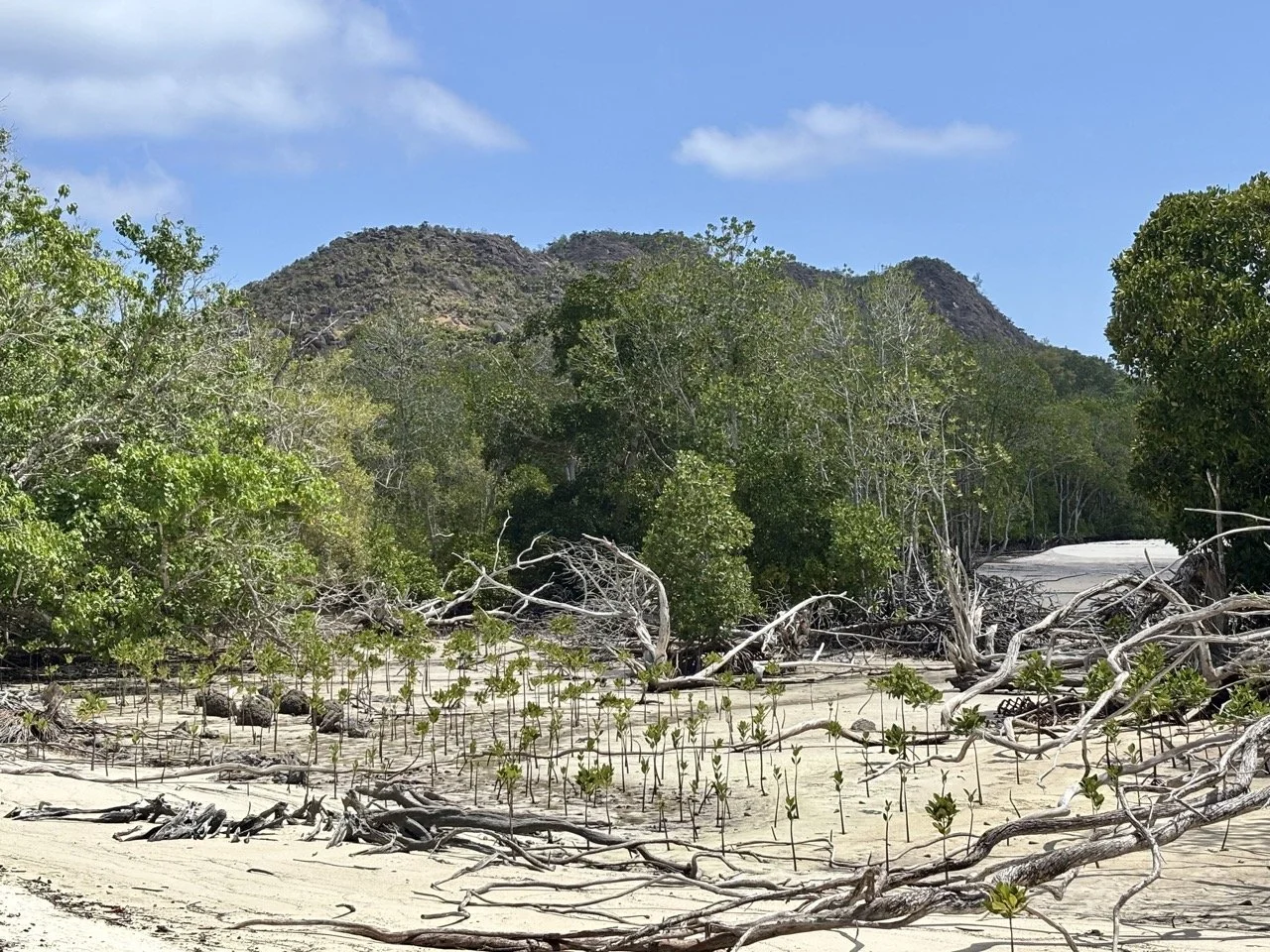
庫里厄斯島:不可錯過的生態與地質亮點
庫里厄斯島(Curieuse Island)不僅是遊客的天堂,更是全球生態保育的指標性區域。這座被列為庫里厄斯海洋國家公園(Curieuse Marine National Park)的島嶼,以其原始地貌與豐富的特有種聞名:
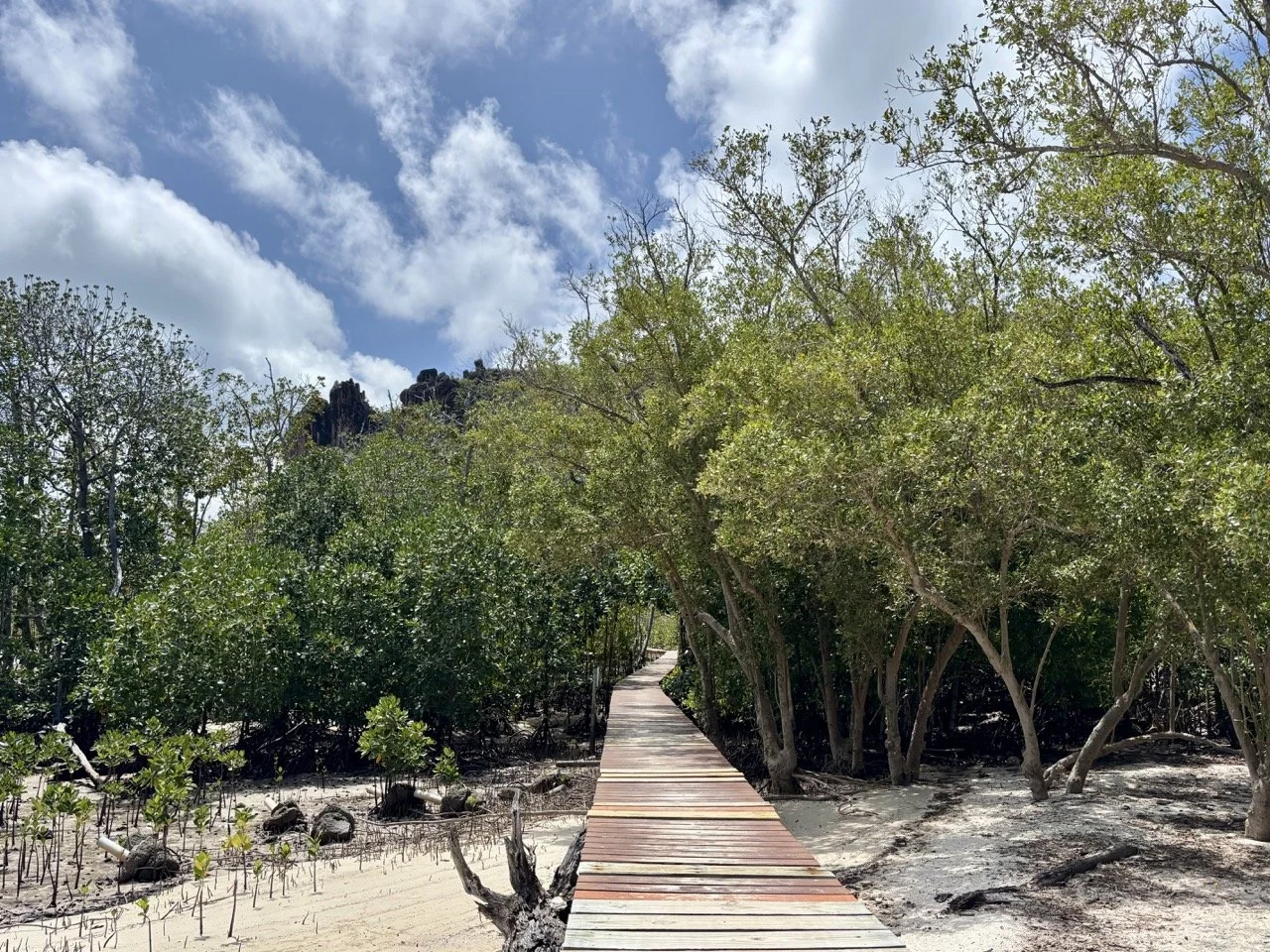
1. 地質與植物奇觀:紅土與海椰子的故鄉
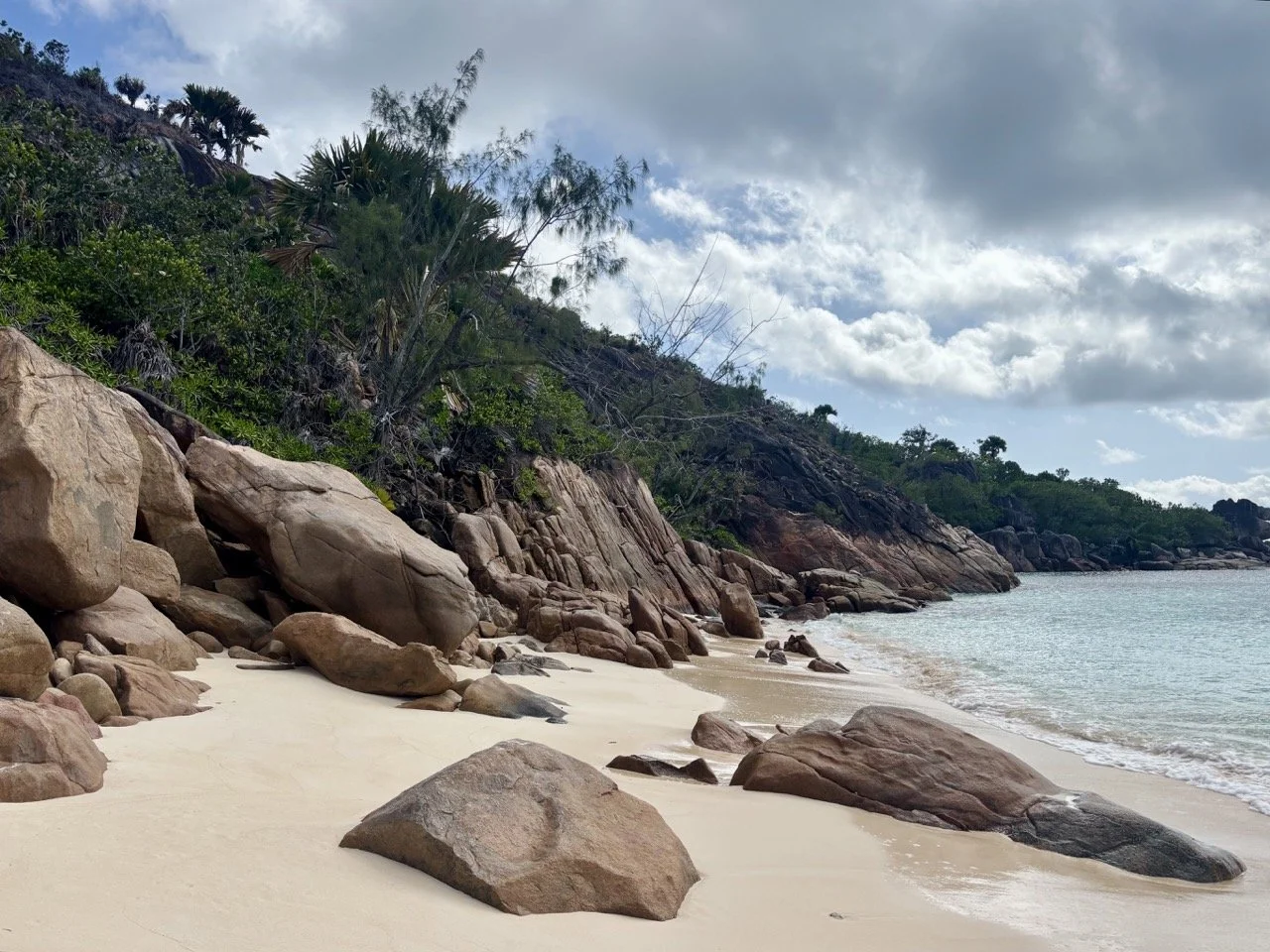
獨特地貌: 庫里厄斯島以其裸露的「紅土(Red Earth)」景觀著稱,這種強烈的色彩對比與四周翠綠的植被、湛藍海水形成了絕佳的攝影場景。
國寶級海椰子(Coco de Mer): 這裡不僅是阿爾達布拉巨龜的棲息地,更是世界上極少數可以近距離觀賞海椰子棕櫚樹的地方。這種擁有全世界最大種子的椰子,是塞席爾的文化象徵與植物學奇蹟,充滿傳奇色彩。
珍貴的紅樹林生態: 島上的木棧道穿越了茂密的紅樹林生態系,這裡不僅是多種海洋生物的孵育場,更是碳匯(Carbon Sink)的重要關鍵區域。
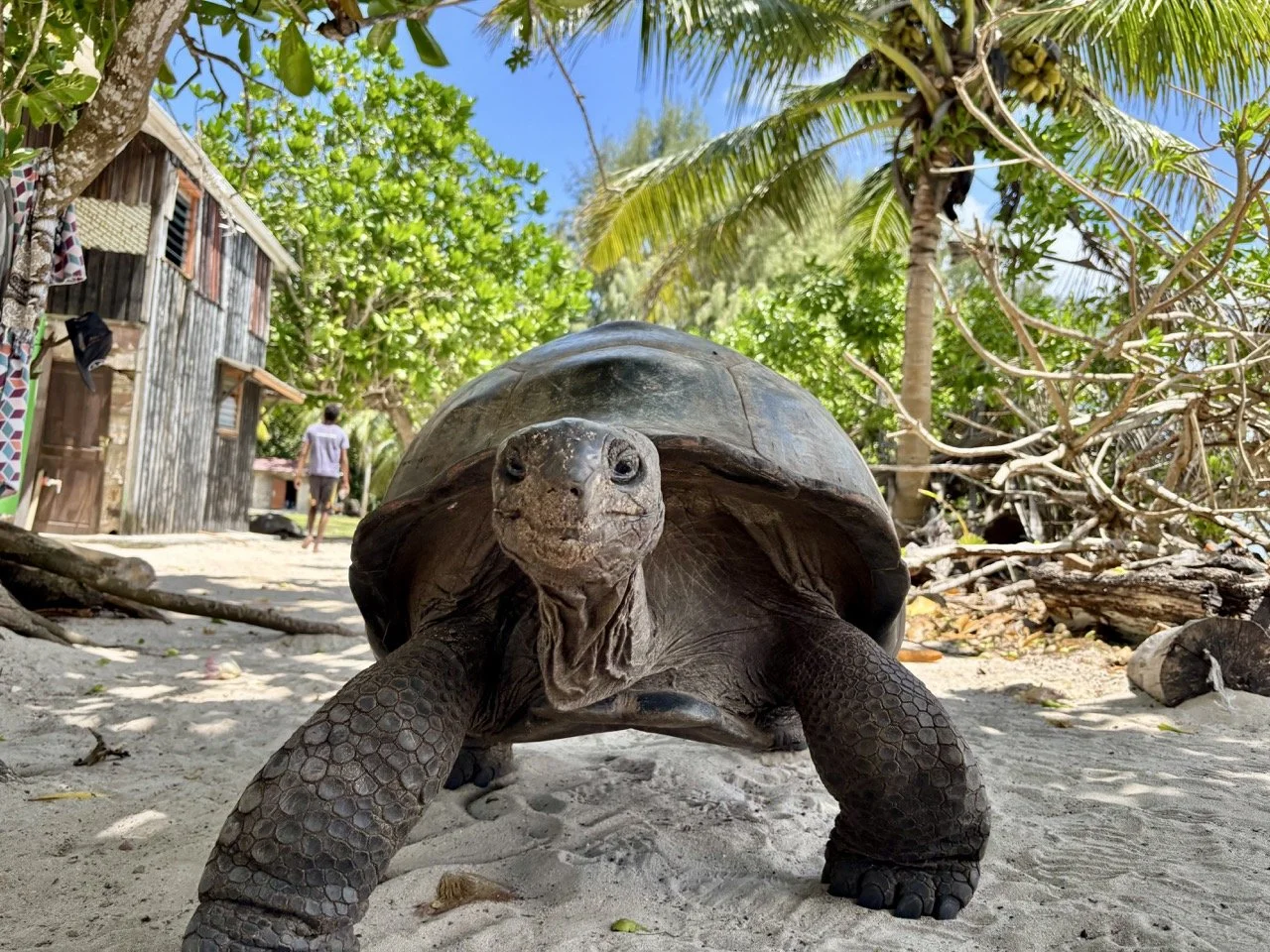
2. 生態保育的關鍵地:巨龜育幼所
保育與復育: 除了野外漫步,庫里厄斯島設有專業的巨龜育幼所(Tortoise Nursery)。在這裡,年幼的巨龜會受到細心照料直到五歲,確保其具備足夠的體型與生存能力後,再野放回自然環境。這讓遊客不僅是「觀賞」,更能理解生態保育背後的深層意義。
3. 動物的多樣性與觀賞指南
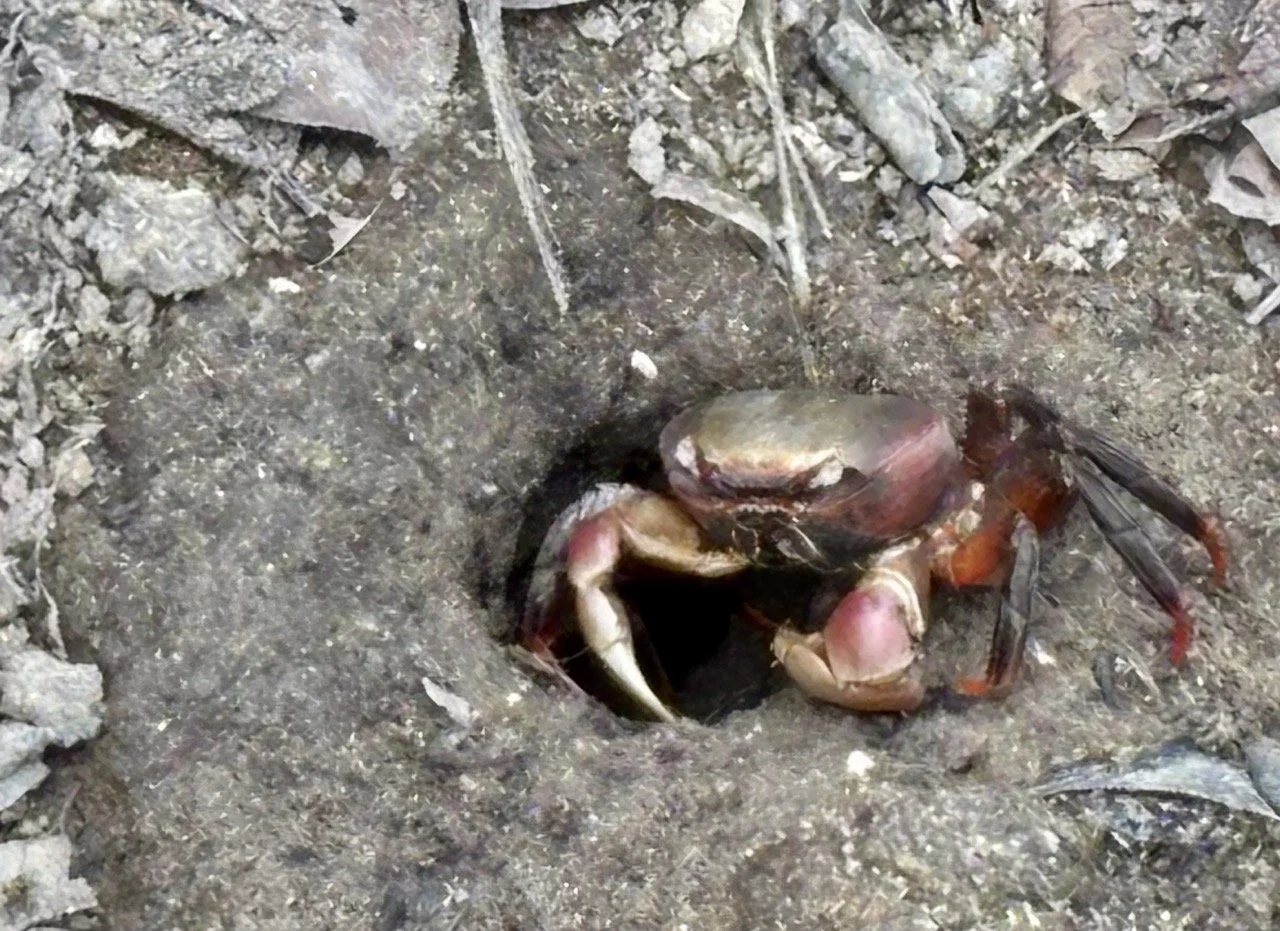
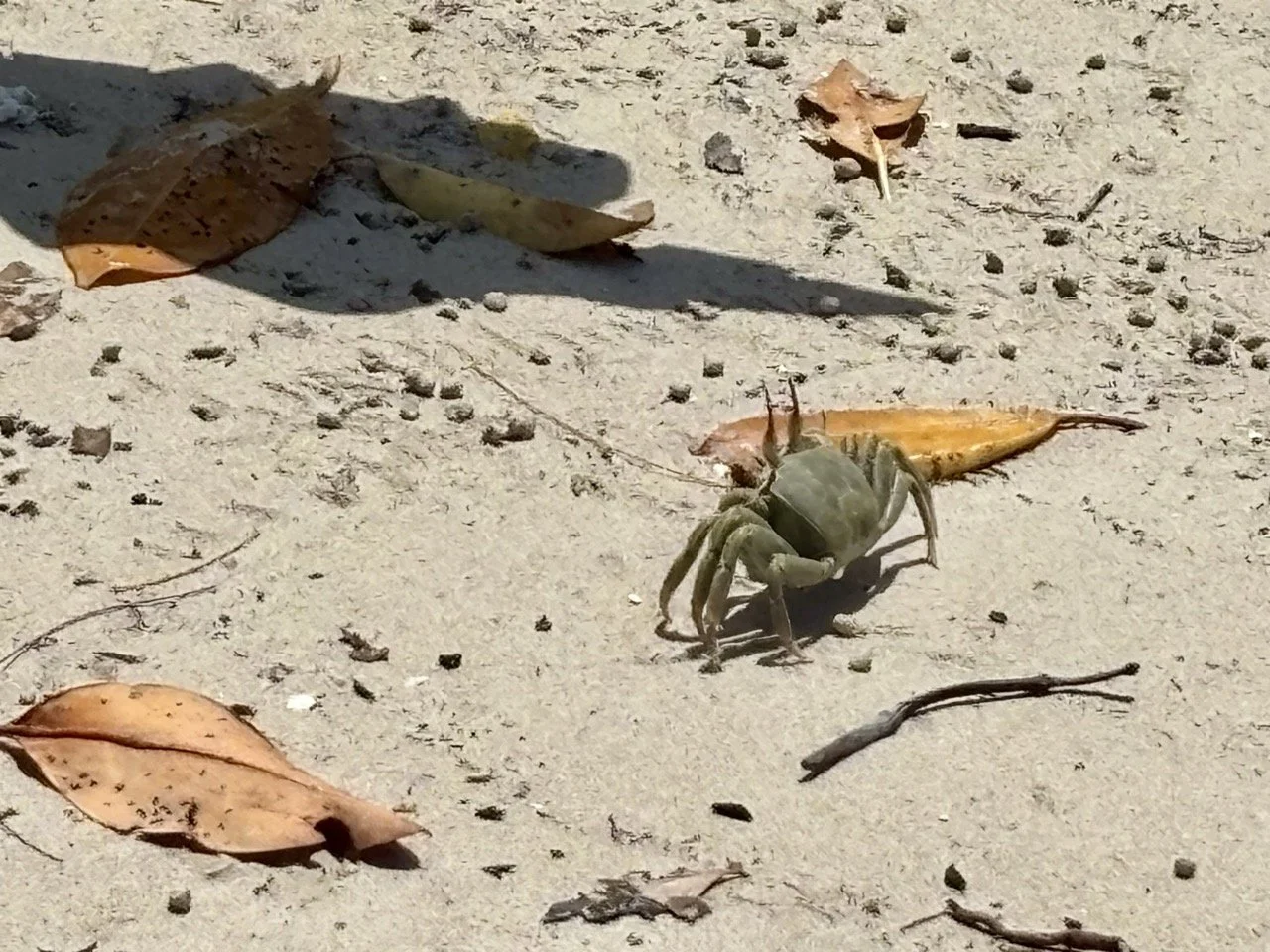
多樣化的物種: 除了標誌性的巨龜,觀察島上的特有種鳥類、在紅樹林沼澤中穿梭的紅蟹,以及淺灘處可能發現的幼年檸檬鯊與黑鰭礁鯊,都是此地的獨特體驗。
最佳觀賞方式: 建議參與當地嚮導帶領的生態導覽(Nature Trail),嚮導會協助識別植物與動物,讓您在尊重自然的前提下,拍下最震撼的生態紀錄。
聖皮埃爾島:浮潛愛好者的天堂
結束了庫里厄斯島的生態行程後,船隻會帶你前往聖皮埃爾島 (St. Pierre Island),這裡才是塞席爾浮潛的真正舞台。
絕佳的水下透明度: 這裡的海水清澈見底,不需要深潛,僅憑浮潛面鏡就能清楚觀察到豐富的珊瑚礁與熱帶魚群。
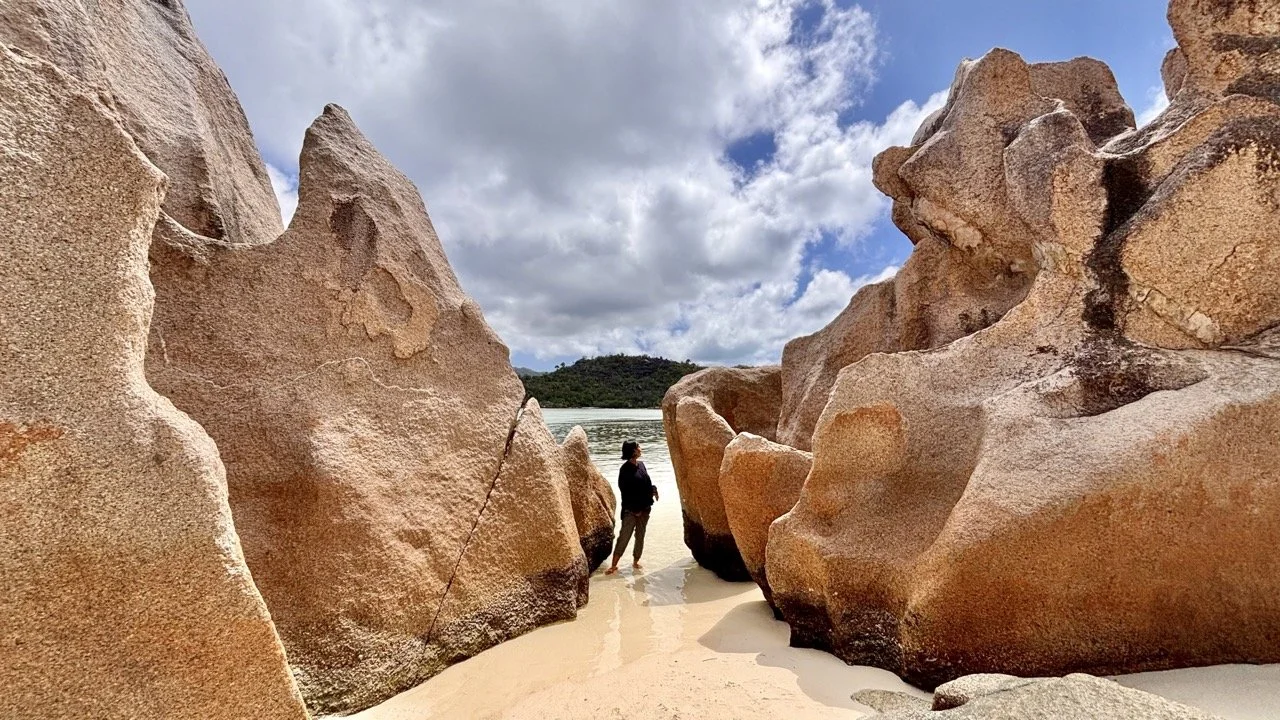
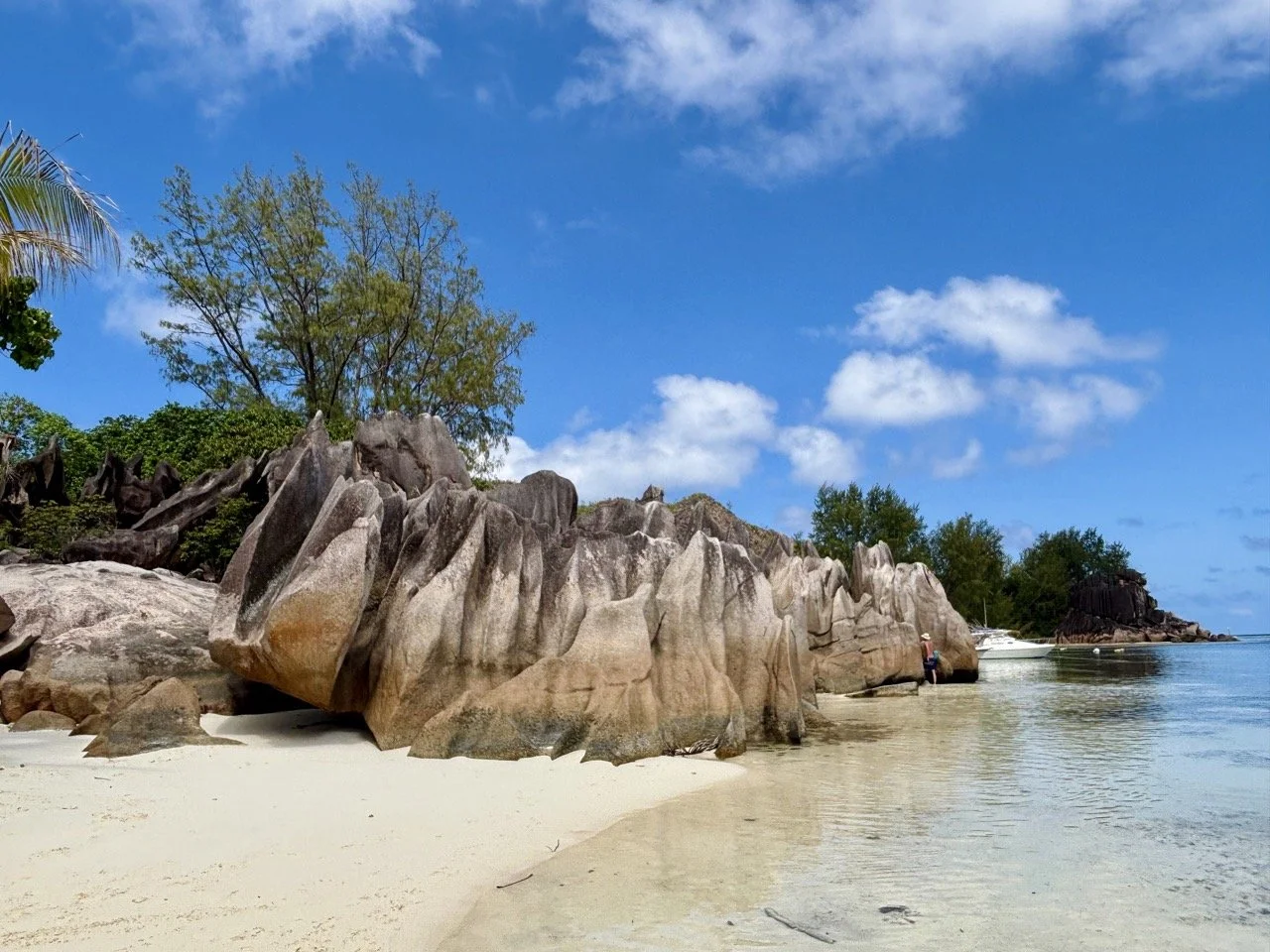
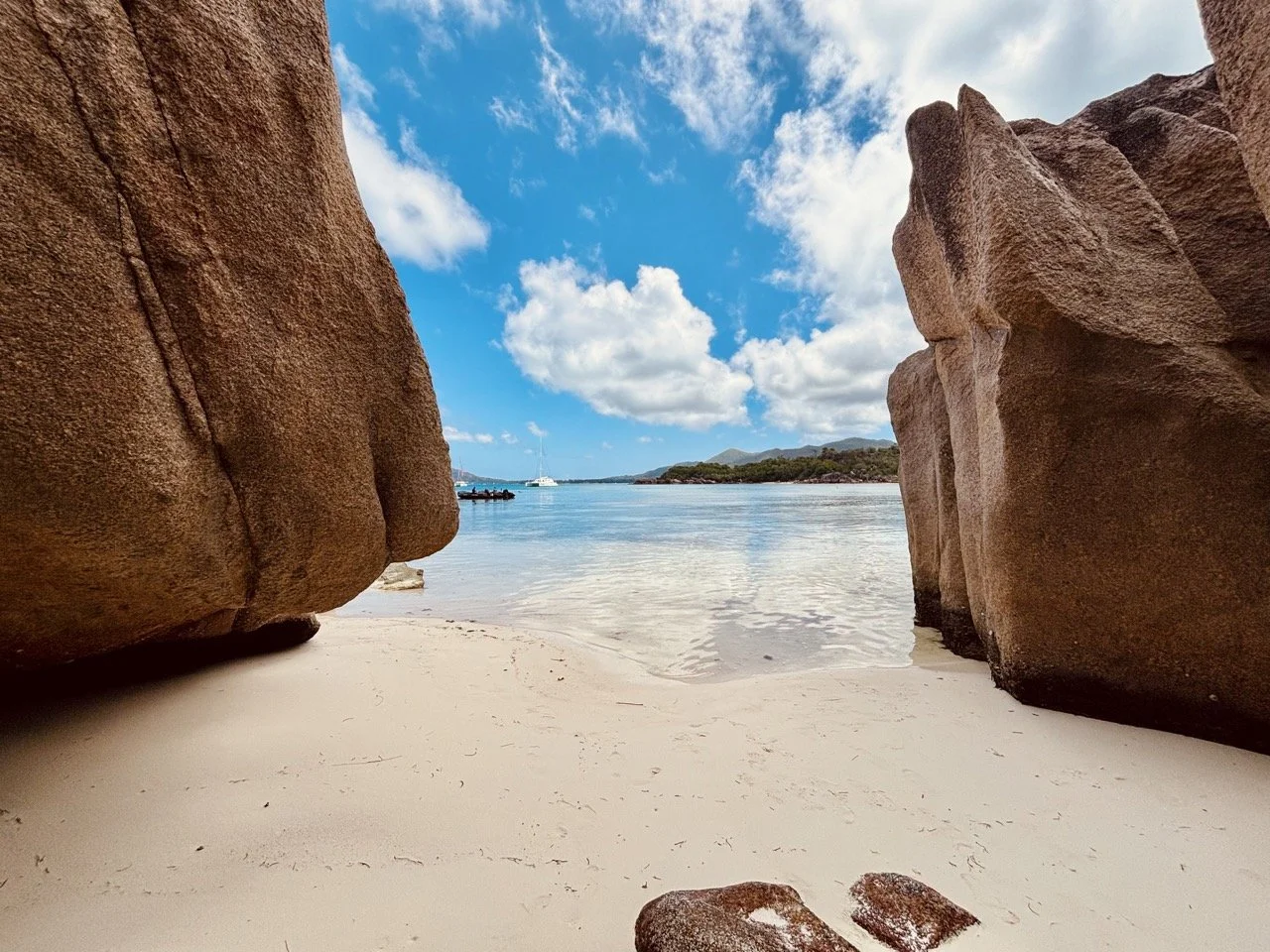
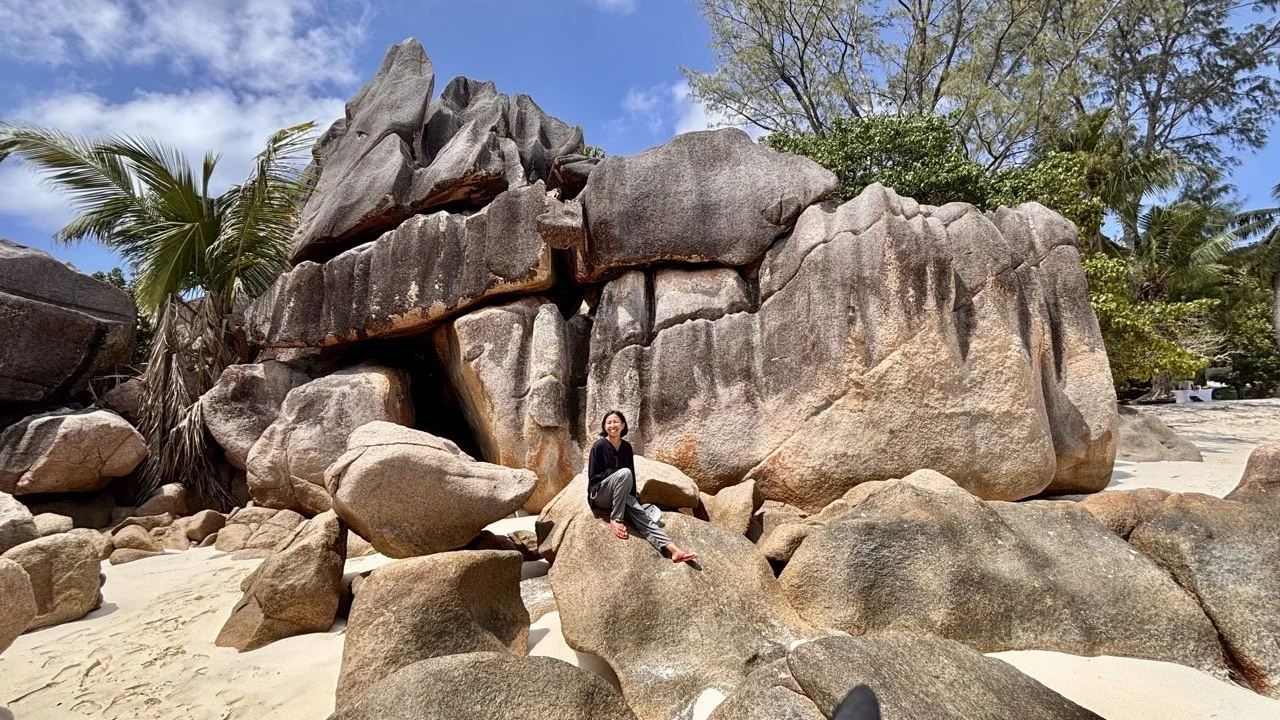
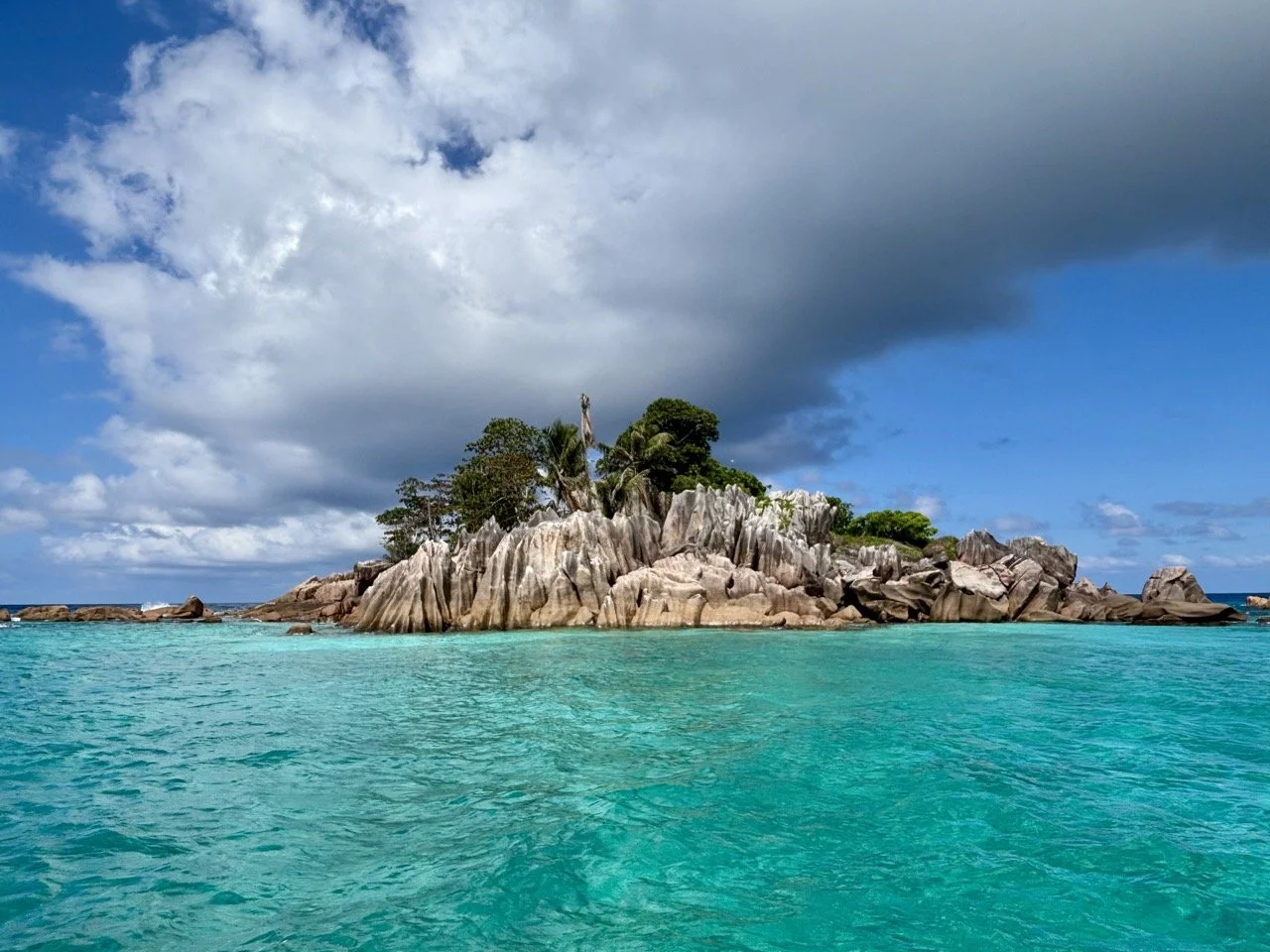
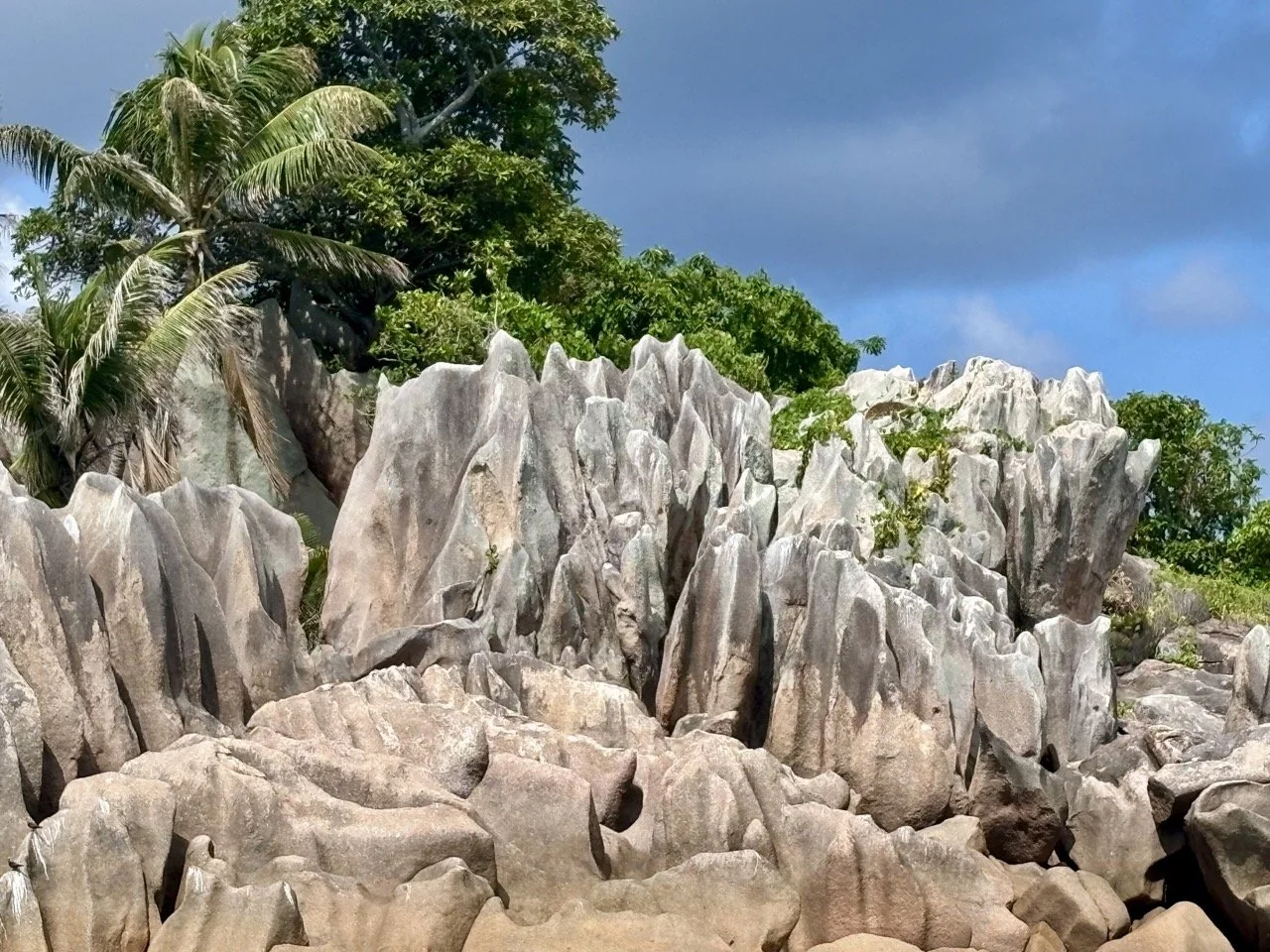
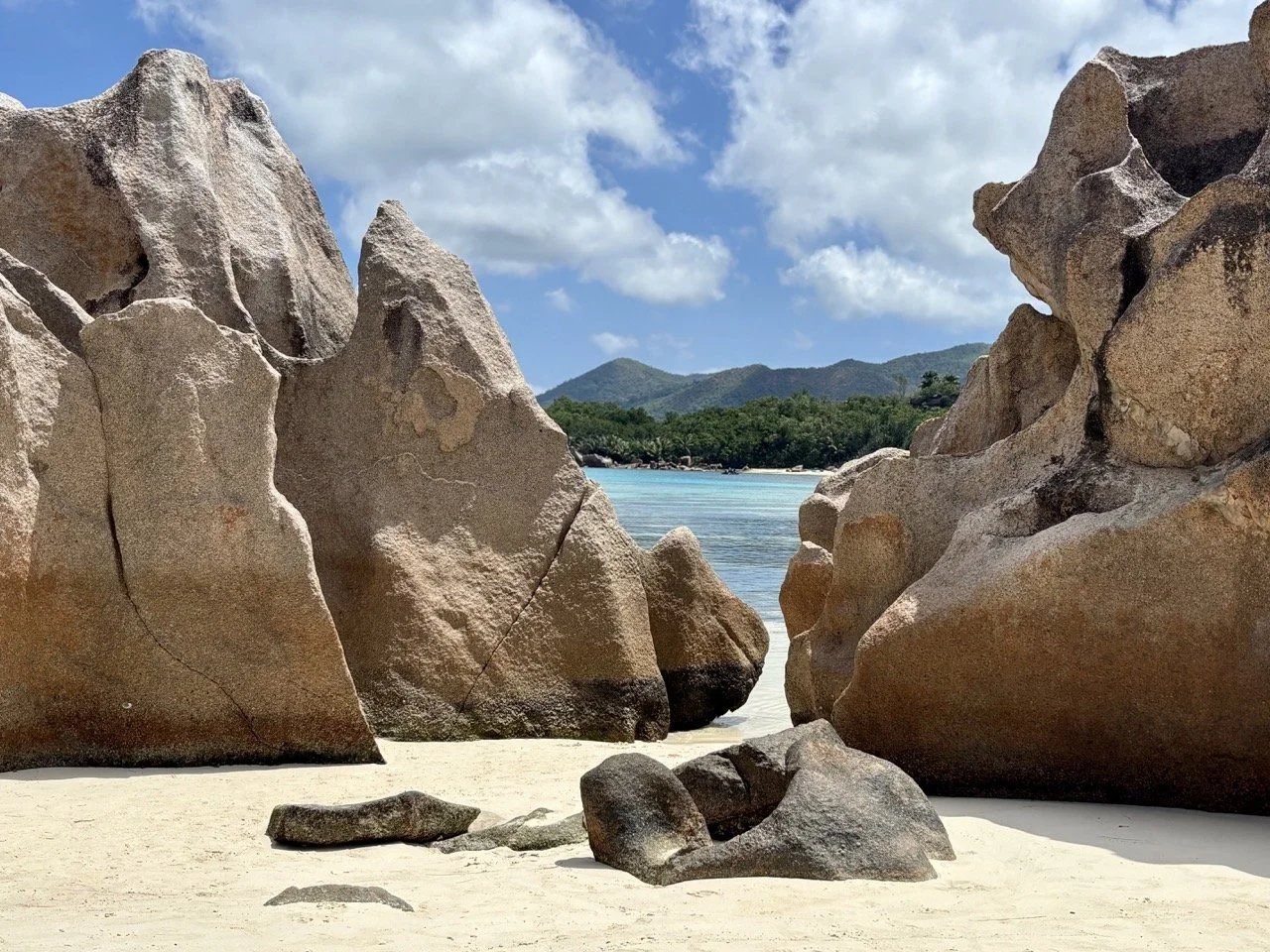
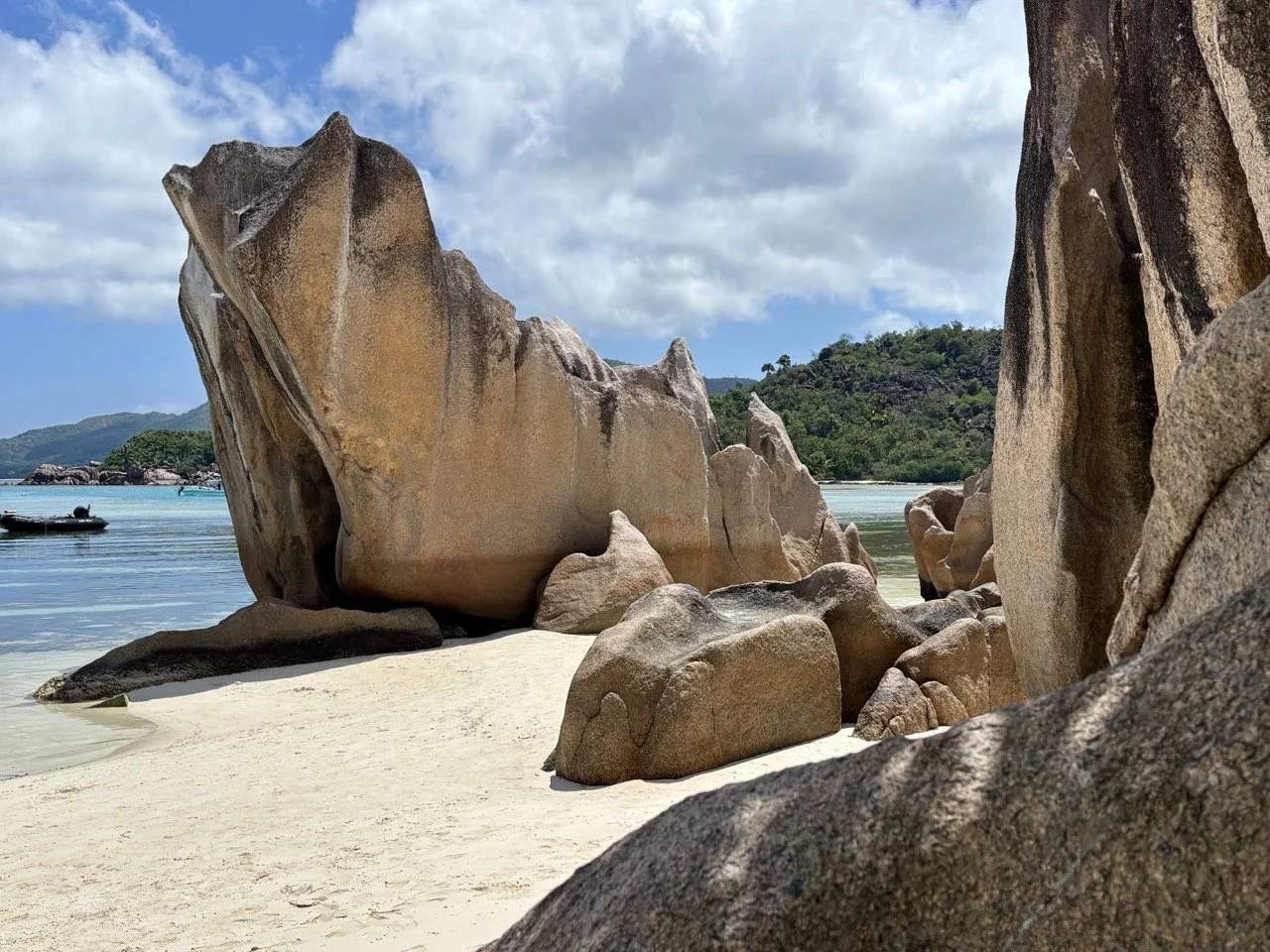
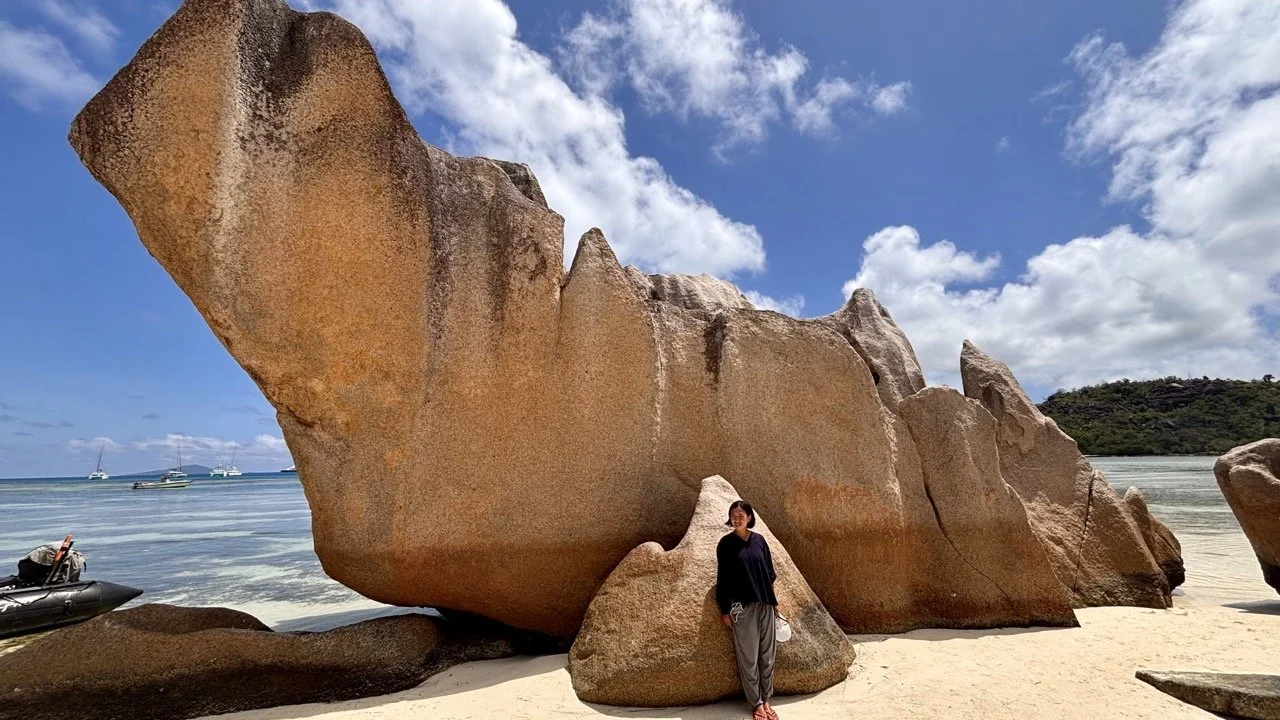
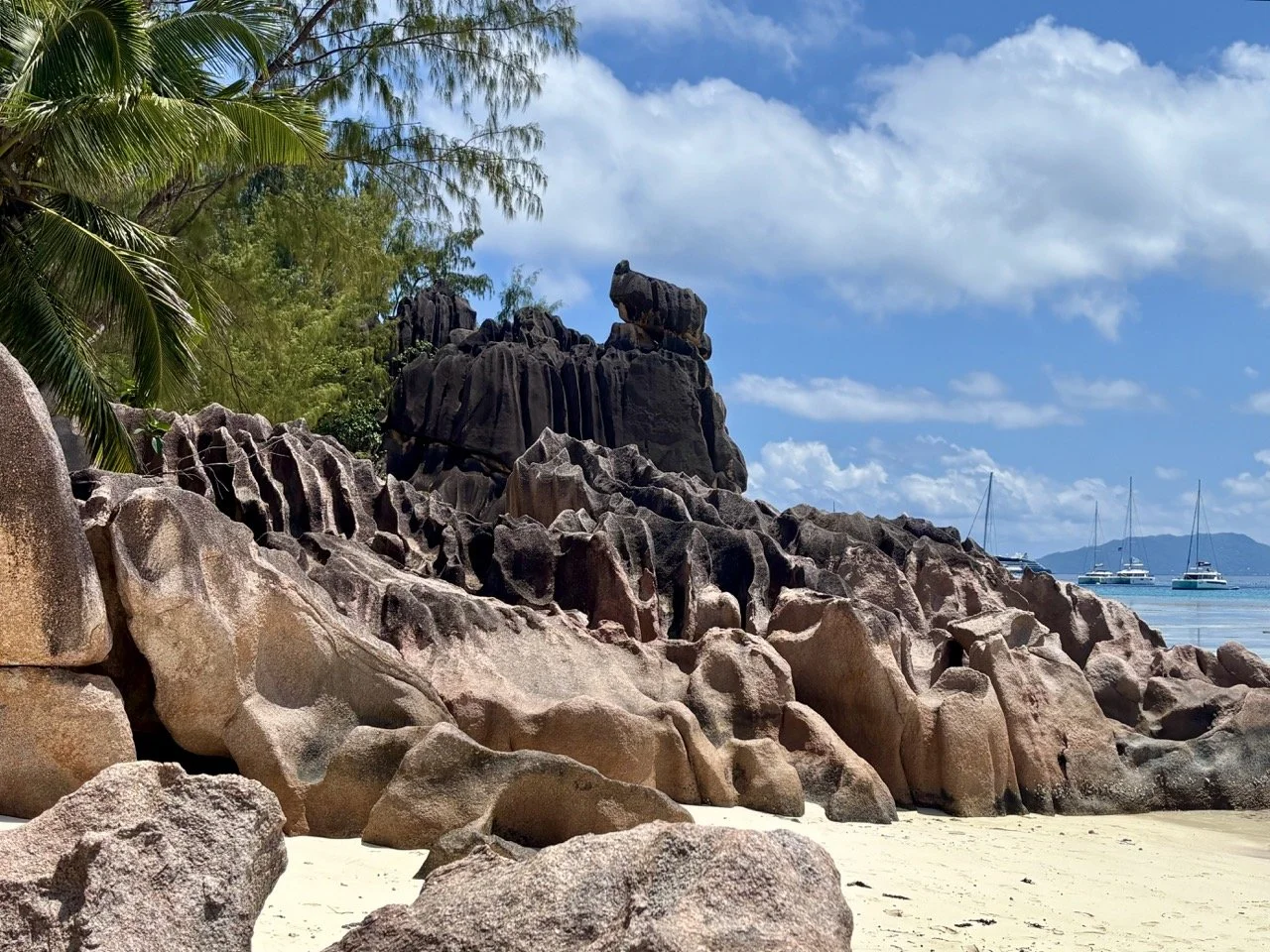
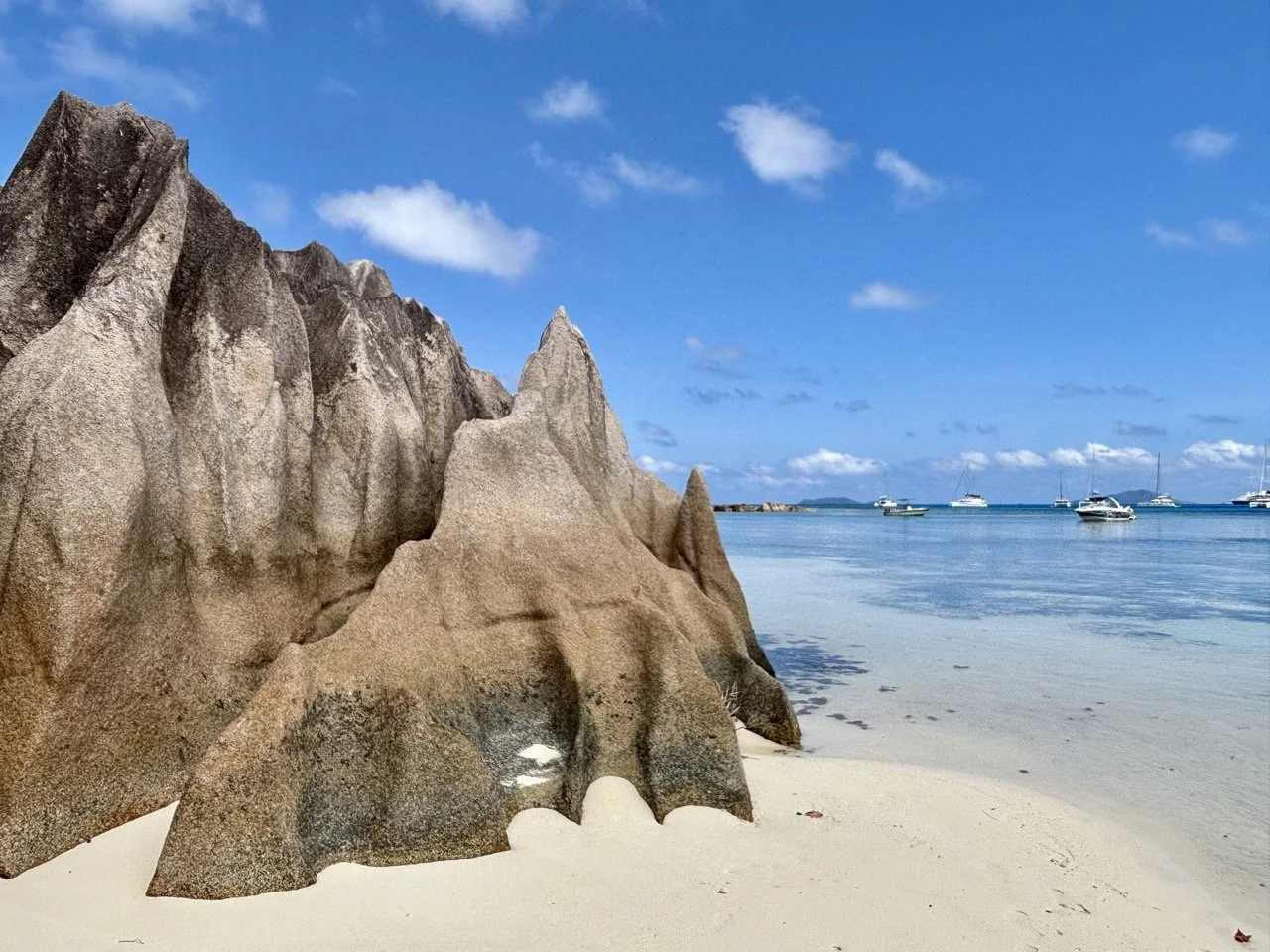
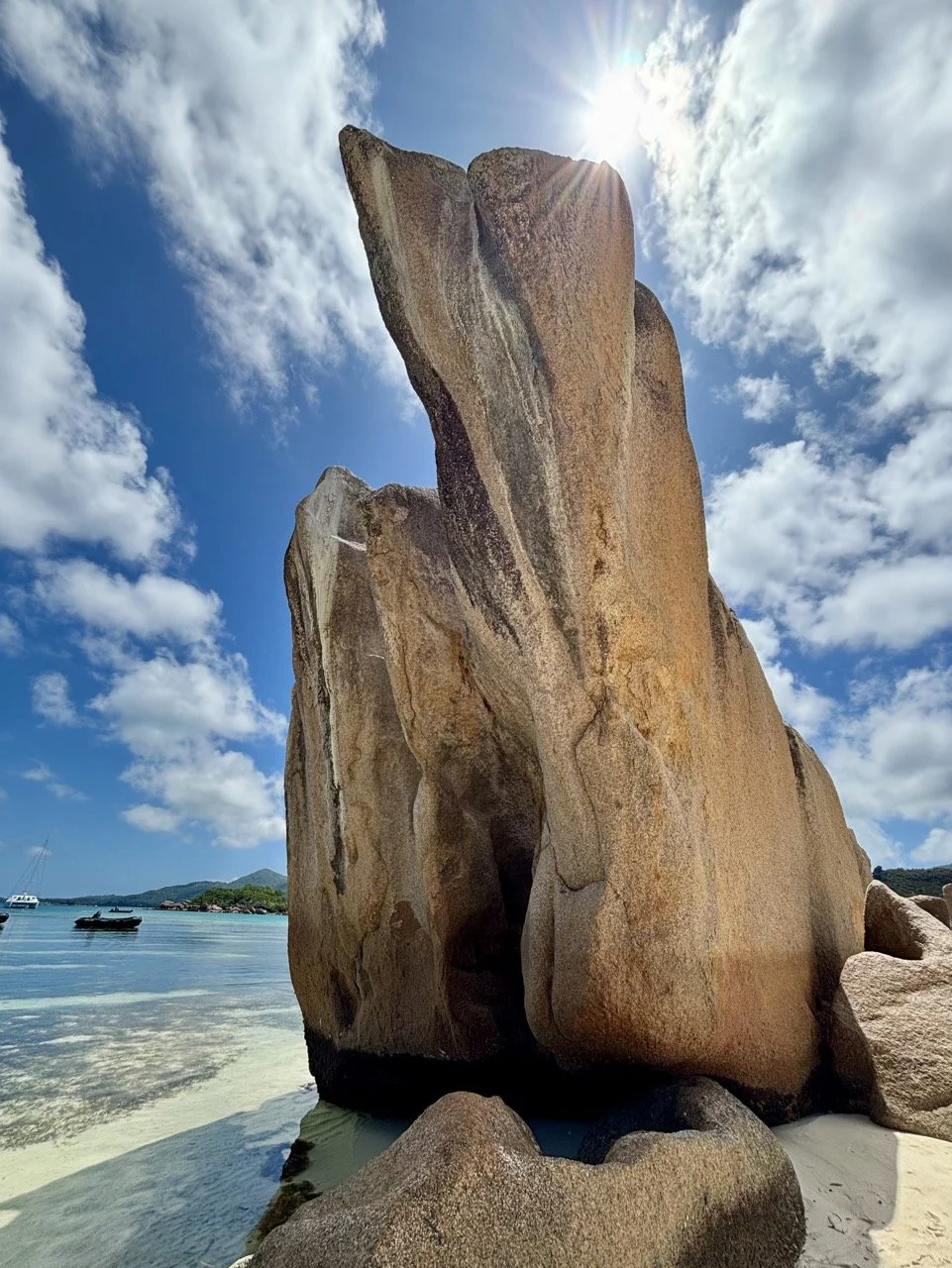
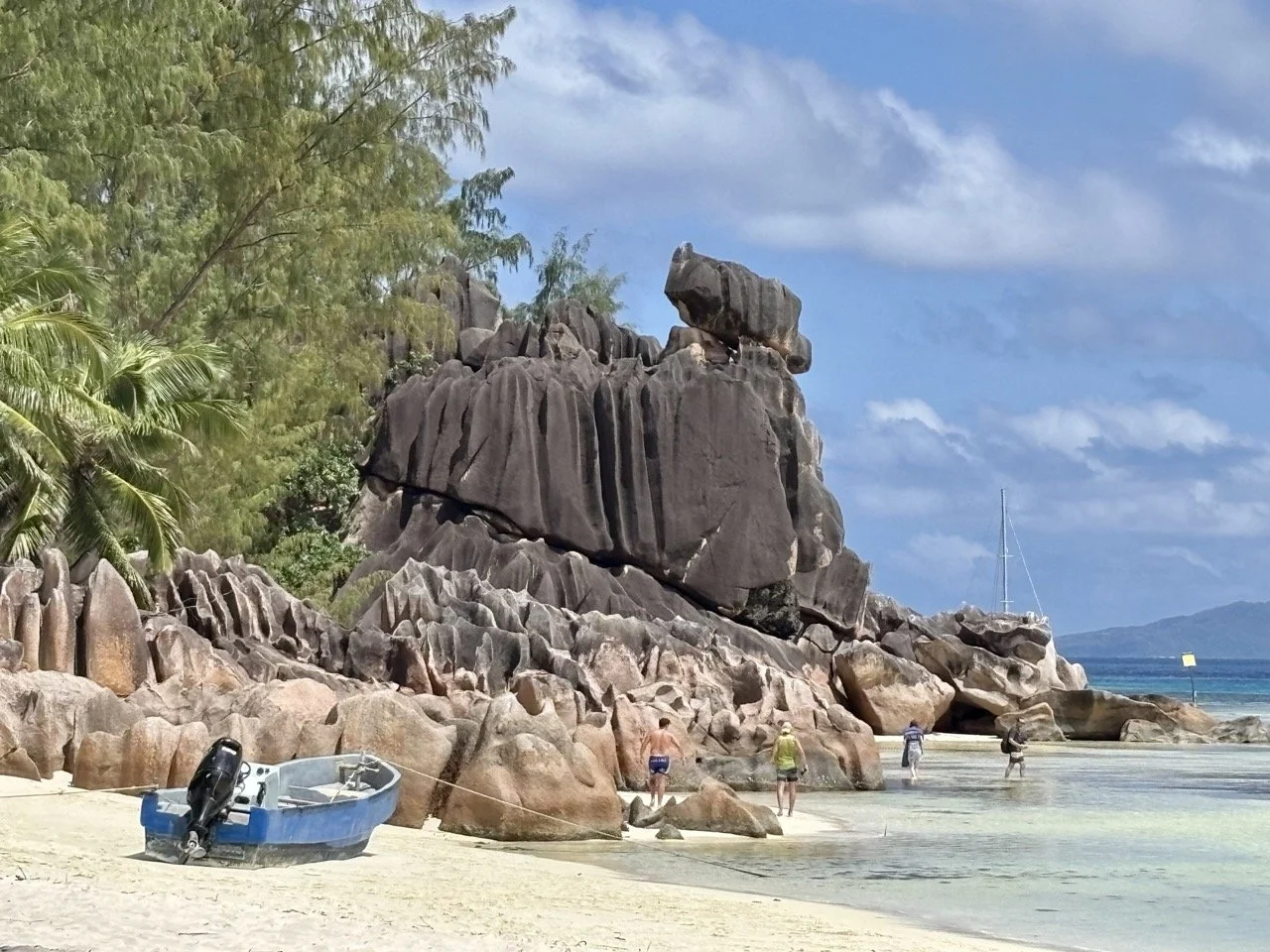
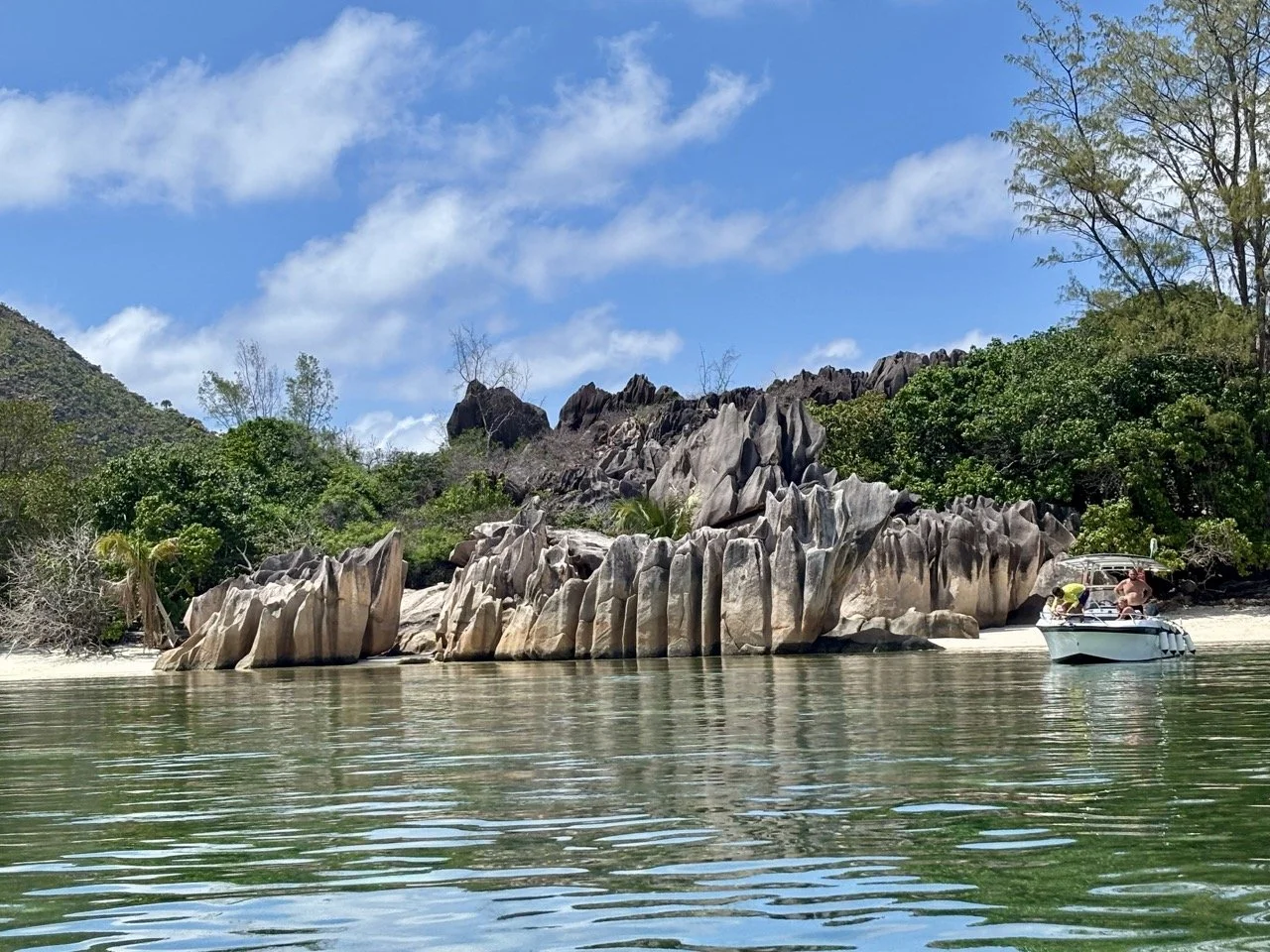
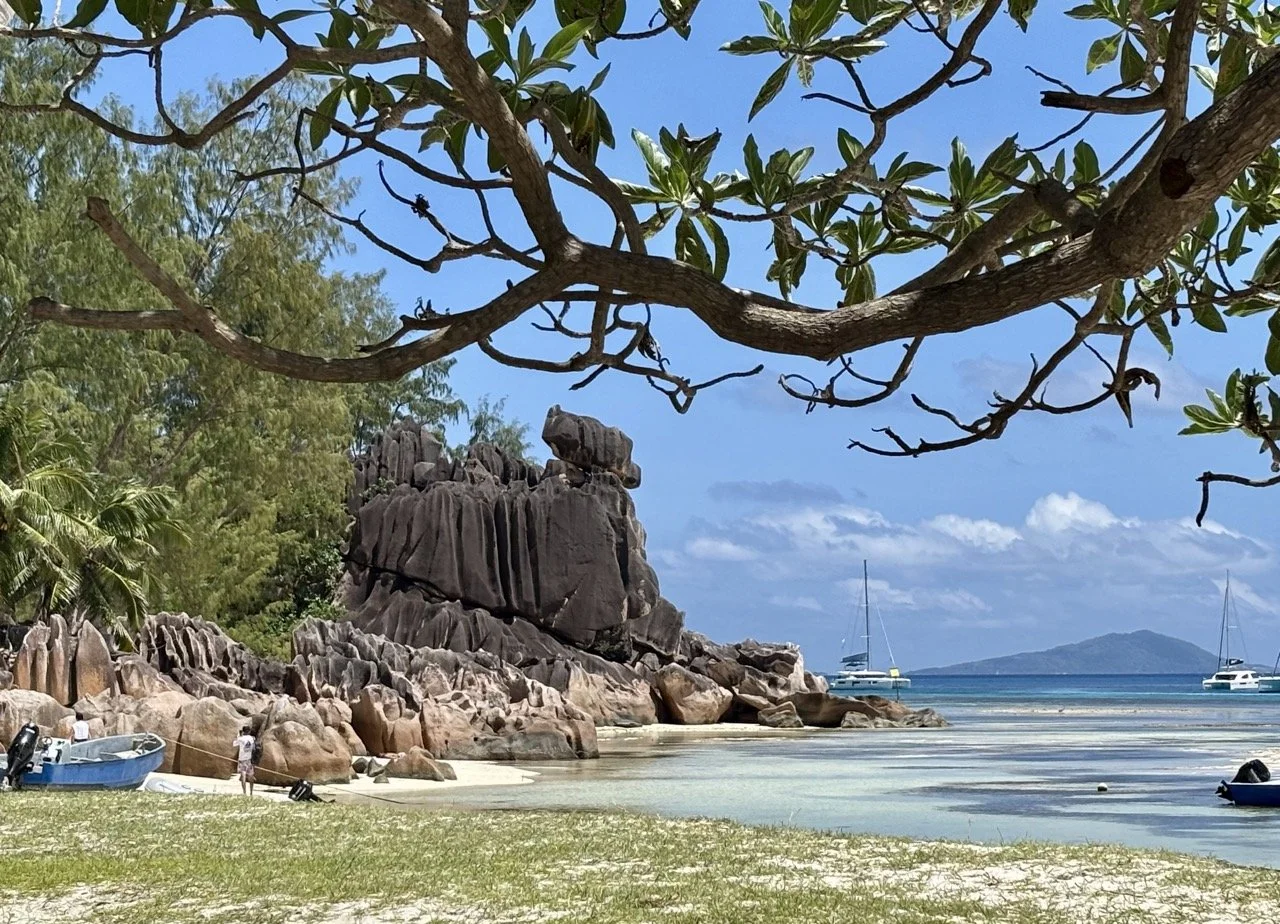
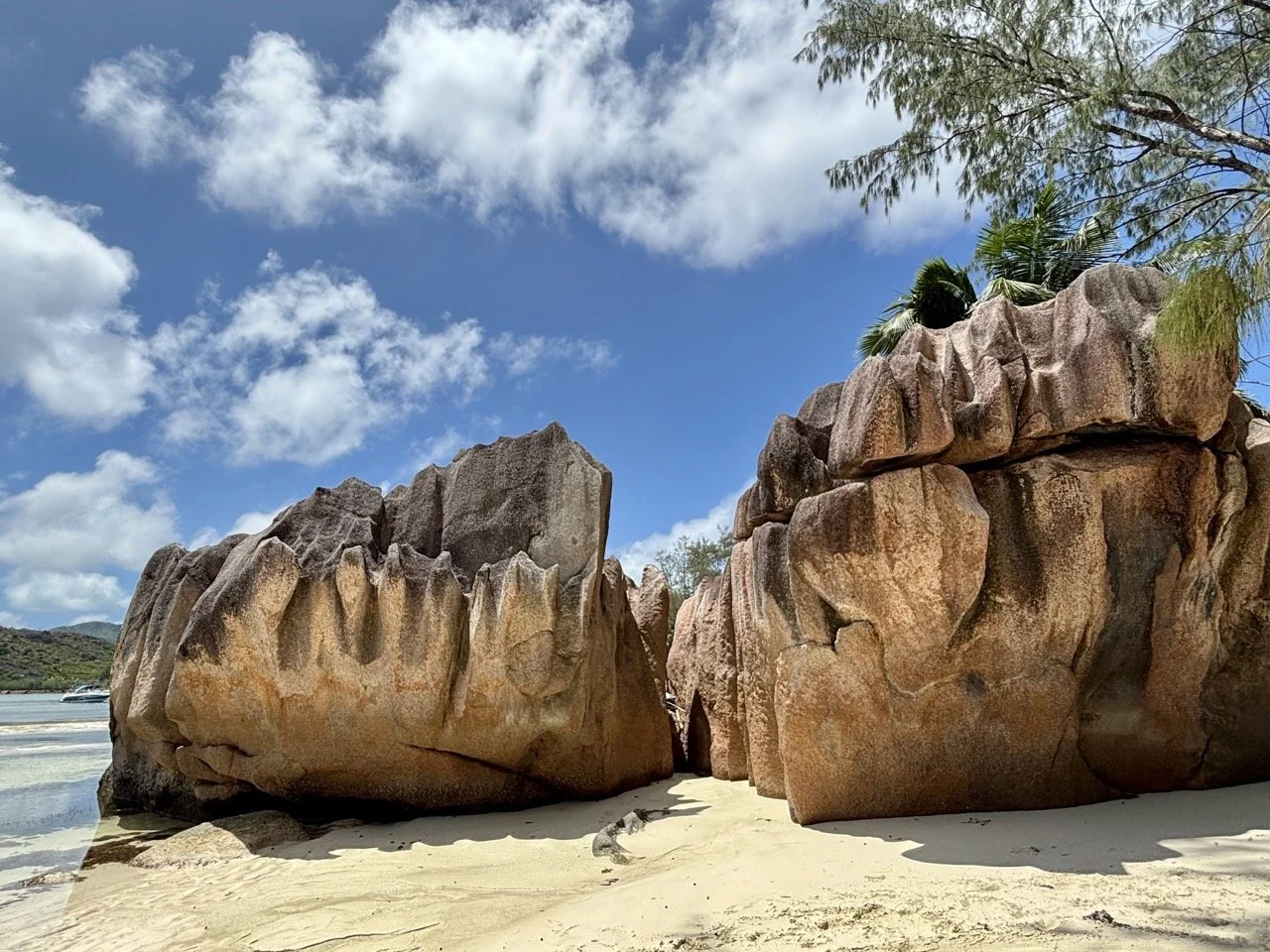
迷人的岩石景觀: 島嶼獨特的花崗岩結構,使其成為攝影愛好者絕佳的構圖背景,無論是空拍或水下攝影,都能拍出令人驚嘆的大片。
安全且受保護的水域: 由於此處受嚴格的環境保護,海底生態極為活躍,幸運的話,還可能遇見魟魚或海龜。
實用交通與行程指南
規劃塞席爾一日遊時,請留意以下細節,能讓旅程更順暢:
交通方式: 多數行程從普拉蘭島 (Praslin) 出發。建議直接在住宿飯店或普拉蘭島的旅行社預訂船班行程。
最佳時間: 建議選擇在風浪較小的月份前往(通常為 4-5 月或 10-11 月),此時海象平穩,浮潛能見度最高。
攜帶裝備:
防曬用品: 務必使用「珊瑚友善」的防曬乳,保護海洋生態。
相機裝備: 建議攜帶防水相機或運動相機 (如 GoPro) 記錄水下畫面。
舒適衣物: 穿著透氣的防曬衣物,並準備一套替換泳裝。
飲用水: 雖然多數行程會提供,但自行準備充足的水以防口渴。
塞席爾攝影攻略 Tips
想要拍出網紅等級的海島度假照片,掌握這些技巧準沒錯:
巨龜拍攝建議: 拍攝阿爾達布拉巨龜時,請採取「低角度」拍攝,能更顯巨龜的龐大與厚重感;同時盡量捕捉牠們進食或移動的動態。
浮潛攝影技巧: 使用偏光鏡或防水殼,以消除水面反光,讓水下色彩更飽和。下午光線較為柔和,是進行浮潛拍攝的最佳時段。
紅樹林構圖: 利用紅樹林的倒影與錯落的枝幹作為前景,能為你的照片增加深度。
善用黃金時刻: 早上初到島嶼的光線最為清澈,適合拍攝藍天與海水的漸層效果。
常見問題 (FAQ)
Q:去庫里厄斯島與聖皮埃爾島旅遊需要特別的簽證或許可嗎? A:塞席爾對多數國家提供免簽,但入境前需線上填寫旅行授權 (Travel Authorization)。前往島嶼通常包含在套裝行程內,已涵蓋上島費,無需自行申請。
Q:帶小孩適合這趟一日遊嗎? A:非常適合!這趟行程兼具生態教育與玩水樂趣,巨龜對孩子而言非常有吸引力。只需注意水上活動時的安全即可。
Q:不會游泳可以參加嗎? A:可以。船上通常提供救生衣與浮板,即使在聖皮埃爾島不下水,也能在船上欣賞美麗的珊瑚礁景觀,或是漫步沙灘。
Q:這兩座島嶼一天逛得完嗎? A:這類「跳島」一日遊行程是經過專業設計的,能在一天內平衡生態導覽與水上活動的時間,讓你不會感到太過匆忙。
塞席爾的美,需要親自踏上那片沙灘才能體會。不論是與巨龜的靜謐對話,還是沈浸在聖皮埃爾島的絢麗海面下,這趟塞席爾一日遊總能給你意想不到的驚喜。準備好開啟你的塞席爾旅遊了嗎?現在就開始規劃,迎接這場無與倫比的海島度假吧!
關於作者|Toto Kuo
大家好,我是 Toto Kuo,來自台灣,目前定居在浪漫的 希臘聖托里尼。身為一名熱愛探索的攝影師與旅人,我曾以背包客的身分走遍 超過 80 個國家,並曾旅居 加拿大、紐約、巴黎,且在 4 個國家打工度假,用旅行的方式體驗世界的多元文化。
目前,我與希臘先生在聖托里尼一起經營一家 希臘餐廳 Karma與 聖托里尼婚紗攝影工作室,同時把我最熱愛的攝影、旅行、美食與文化分享給更多人。無論是 希臘小島推薦、聖托里尼完整攻略、在地美食推薦、咖啡館探訪、旅遊攝影指南,和自由行的行程安排,我都會透過文字與影像帶你親身感受。
Curieuse Island and St. Pierre Island Day Trip: A Complete Seychelles Island-Hopping Guide
Are you looking for an unforgettable Seychelles island-hopping experience that combines wildlife, tropical landscapes, snorkeling and local food? A Curieuse Island and St. Pierre Island day trip is one of the most rewarding excursions from Praslin.
This full-day adventure takes you from the forested trails of Curieuse Island to the granite boulders and turquoise waters of St. Pierre Island. Along the way, you can walk among Aldabra giant tortoises, explore mangrove forests, discover the legendary Coco de Mer palm, enjoy a Creole barbecue and snorkel among colorful marine life.
Whether you are planning a Seychelles vacation, a Praslin itinerary or an ecotourism adventure, this guide explains what to expect, what to bring and how to make the most of your day.
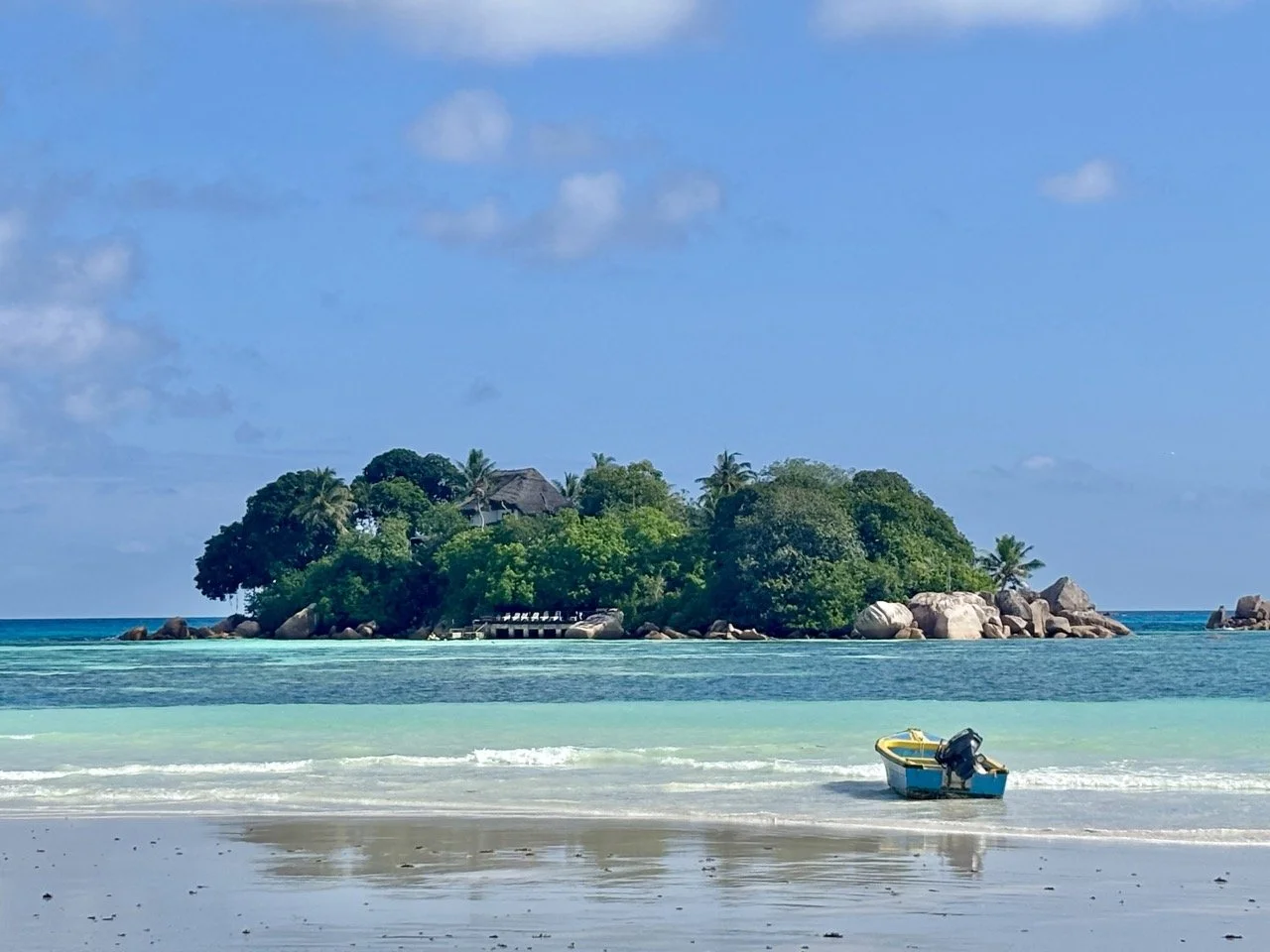
Table of Contents
Why Visit Curieuse and St. Pierre Islands?
Curieuse Island: A Protected Wildlife Sanctuary
Giant Tortoises and Conservation
Coco de Mer, Red Soil and Mangrove Forests
Wildlife and Plants to Look For
Doctor’s House and Curieuse Island History
St. Pierre Island Snorkeling
Suggested Day-Trip Itinerary
Transport and Booking Information
What to Bring
Photography Tips
Frequently Asked Questions
Why Choose a Curieuse and St. Pierre Island Day Trip?
This popular Seychelles boat excursion brings together two completely different island experiences in one day.
1. Wildlife encounters
Curieuse Island is famous for its population of Aldabra giant tortoises. These gentle animals can often be seen resting beneath trees, browsing on vegetation or slowly moving through the island’s natural surroundings.
2. Unique Seychelles landscapes
Curieuse is known for its distinctive combination of:
Rust-red earth
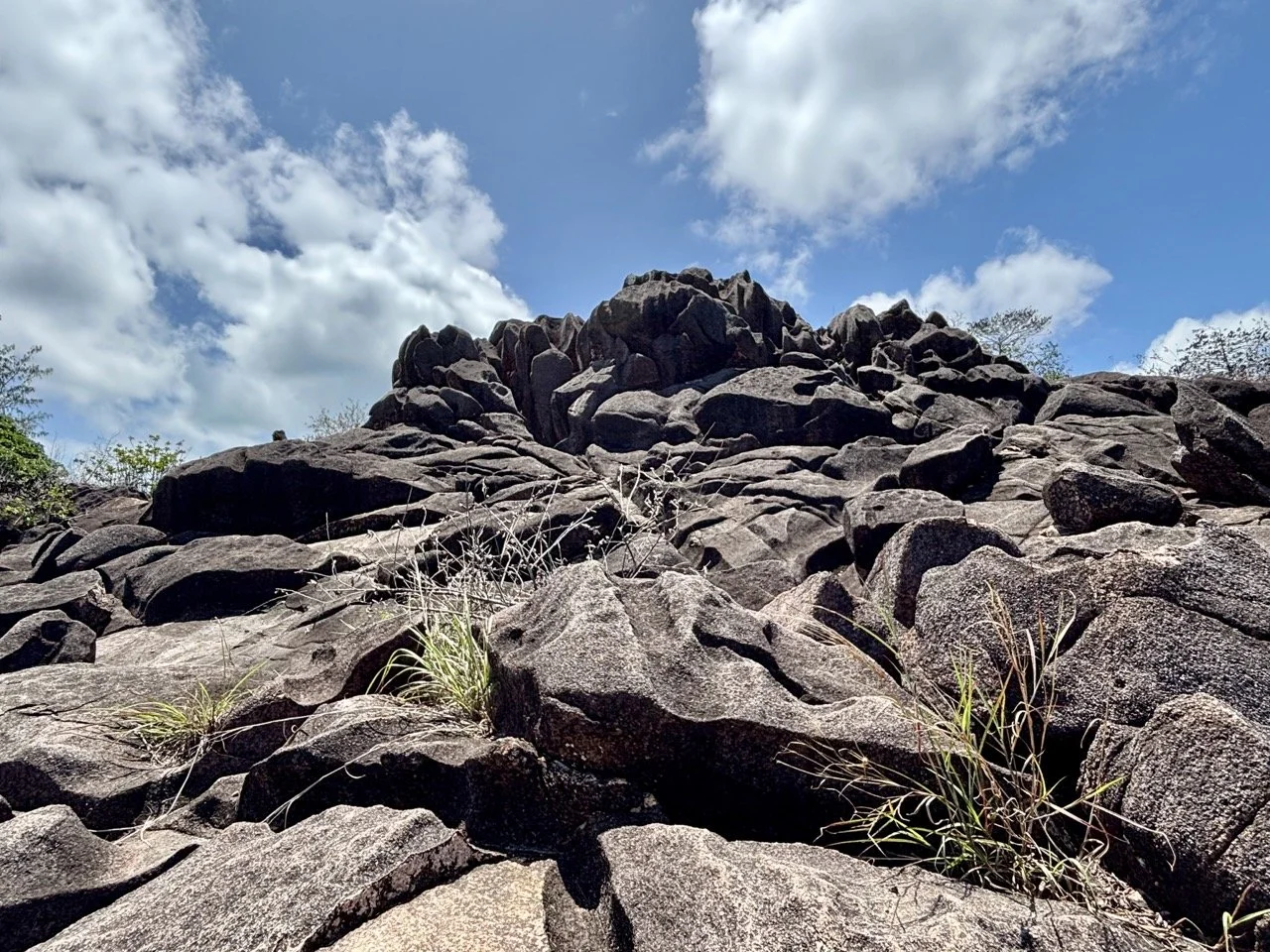
Granite rock formations
Dense tropical vegetation
Mangrove wetlands
Coco de Mer palms
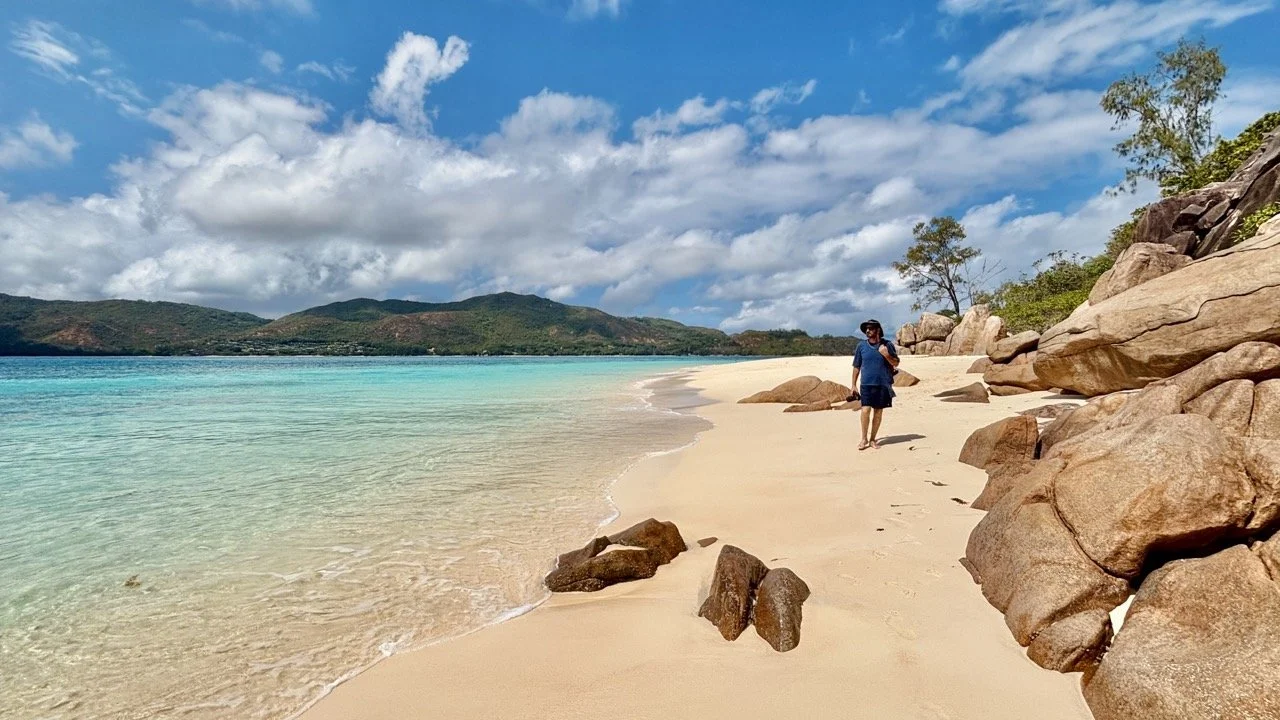
White-sand beaches
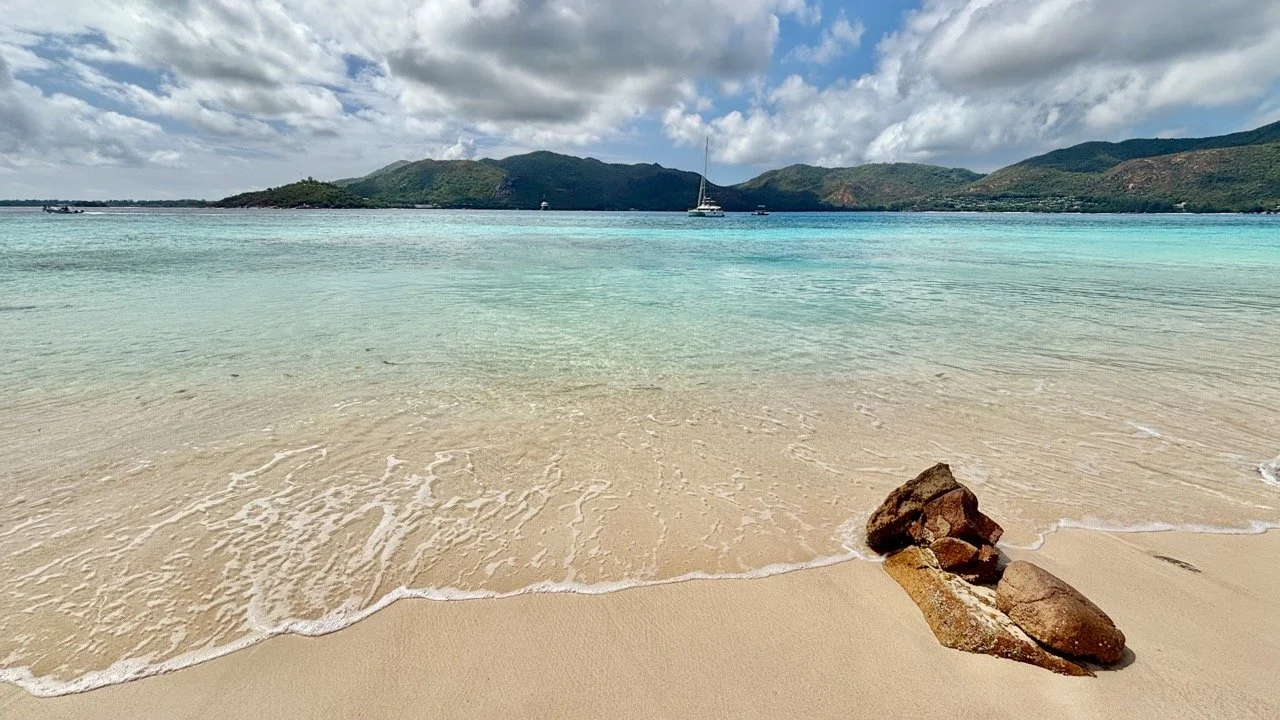
Clear coastal waters
The contrast between red soil, green forest and blue ocean creates some of the most photogenic scenery in the Seychelles.
3. Snorkeling in clear tropical waters
St. Pierre Island is one of the most popular snorkeling locations near Praslin. The shallow waters around the granite islets may offer views of tropical fish, reef formations and other marine life, depending on sea conditions and visibility.
4. A taste of Creole culture
Many organized tours include a beachside Seychellois Creole barbecue, usually featuring grilled fish, chicken, salads, rice, fruit and flavorful local sauces. It is a relaxed way to experience the region’s cuisine after exploring the island.
5. A perfect trip for photographers
The route offers a wide variety of subjects, including:
Giant tortoises
Mangrove roots
Coco de Mer leaves
Granite boulders
Red-earth trails
Tropical birds
Turquoise lagoons
Underwater reef scenes
Traditional Creole food
Curieuse Island: A Protected Ecotourism Destination
Curieuse Island lies just off the northeast coast of Praslin. It is internationally recognized for its biodiversity, giant tortoise conservation and distinctive coastal environment. The island forms part of a protected marine and terrestrial conservation area, and visitors are expected to follow local park and guide instructions.
Unlike a conventional beach resort, Curieuse offers a more natural and educational experience. Its trails lead through habitats that are important for endemic plants, reptiles, birds and marine species.
Walking Among Aldabra Giant Tortoises
The Aldabra giant tortoise is the most famous animal on Curieuse Island. Some individuals can live for more than a century, although exact ages are often difficult to verify.
Visitors may see tortoises:
Feeding on leaves and low vegetation
Resting in shaded areas
Moving between the forest and open ground
Gathering near water sources
Interacting with other tortoises
For responsible wildlife tourism, do not feed, chase, ride or touch the tortoises unless a ranger specifically permits contact. Keep a respectful distance and avoid blocking their path.
Giant tortoise photography tips
For natural-looking wildlife photographs:
Use a medium telephoto lens if available.
Photograph from a low but safe position.
Focus on the tortoise’s eyes and textured shell.
Avoid using flash at close range.
Leave enough space around the animal in the frame.
Never sacrifice animal welfare for a photograph.
The Tortoise Nursery and Conservation Work
Curieuse is also associated with giant tortoise conservation and educational programs. Young tortoises may be cared for in a nursery environment before they are strong enough to survive independently.
A visit to the nursery helps travelers understand that the island is not only a sightseeing destination. It is also an important site for:
Species protection
Wildlife monitoring
Public education
Habitat restoration
Giant tortoise management
Availability and access to nursery areas can change, so visitors should follow the instructions of the tour operator, park staff or local guide.
Coco de Mer, Red Soil and Mangrove Forests
The Coco de Mer Palm
One of Curieuse Island’s most distinctive plants is the Coco de Mer palm, an endemic Seychelles species famous for producing the world’s largest seed. The palm is strongly associated with Seychelles’ natural heritage and cultural identity.
Its enormous fan-shaped leaves create dramatic patterns of light and shade across the forest. The palm’s large seeds are protected and regulated, so visitors should never remove seeds, leaves or other natural objects from the island.
Why the Coco de Mer is special
The Coco de Mer is notable for:
Its enormous seed
Its restricted natural distribution
Its unusually large leaves
Its slow-growing forest habitat
Its importance in Seychelles conservation
For travelers interested in botany, nature photography or Seychelles ecotourism, Curieuse provides an excellent opportunity to observe this iconic palm in a protected environment.
Curieuse’s Red Earth Landscape
The island’s reddish soil is one of its most recognizable visual features. The red earth contrasts strongly with the green vegetation and bright blue sea, producing a landscape that feels different from many other islands in the Seychelles.
The best photographs often combine:
A red-earth trail in the foreground
Tropical vegetation in the middle ground
Granite hills or ocean in the background
Wear suitable footwear because trails may become muddy or slippery after rain.
Mangrove Forests and Coastal Wetlands
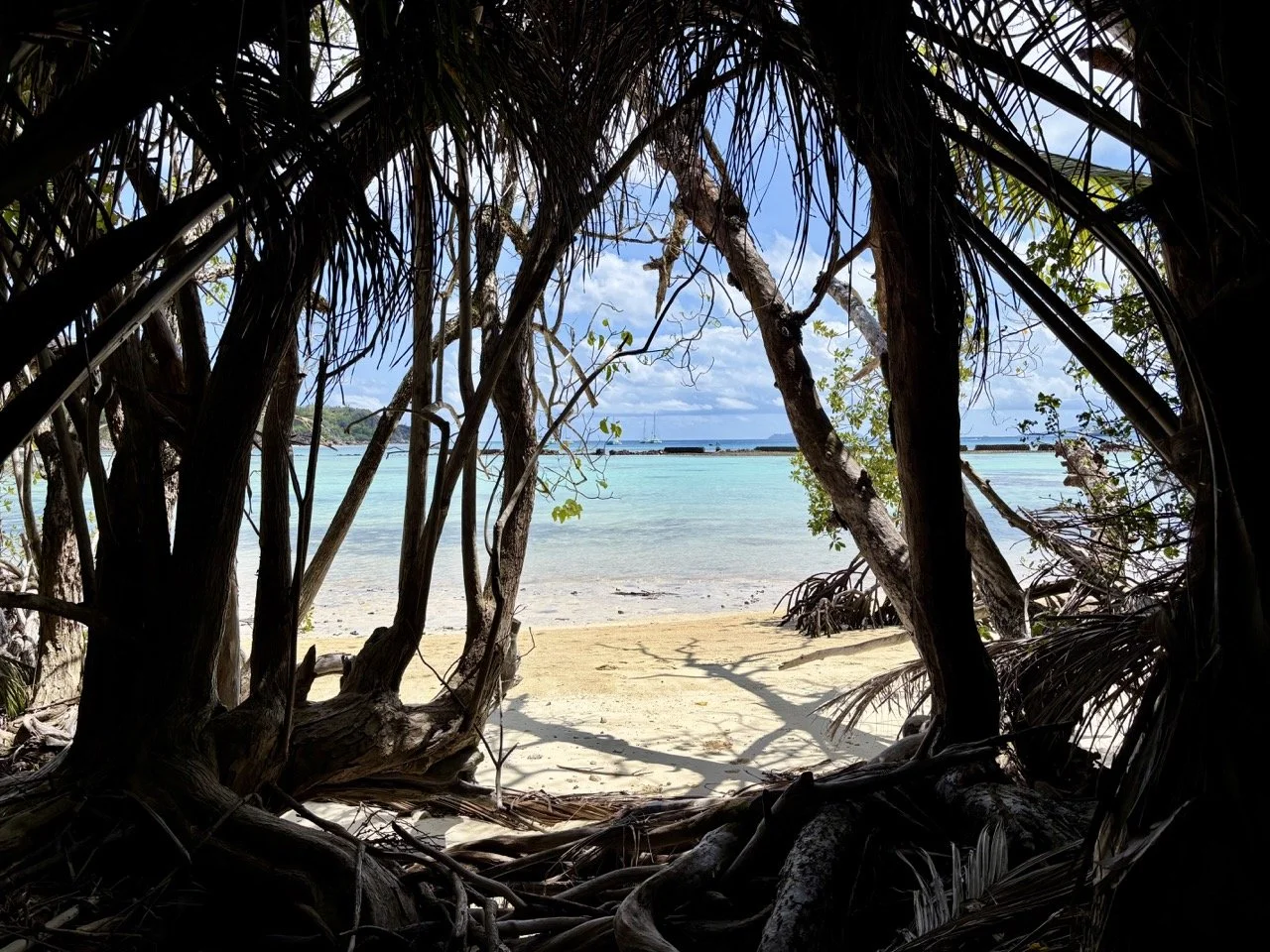
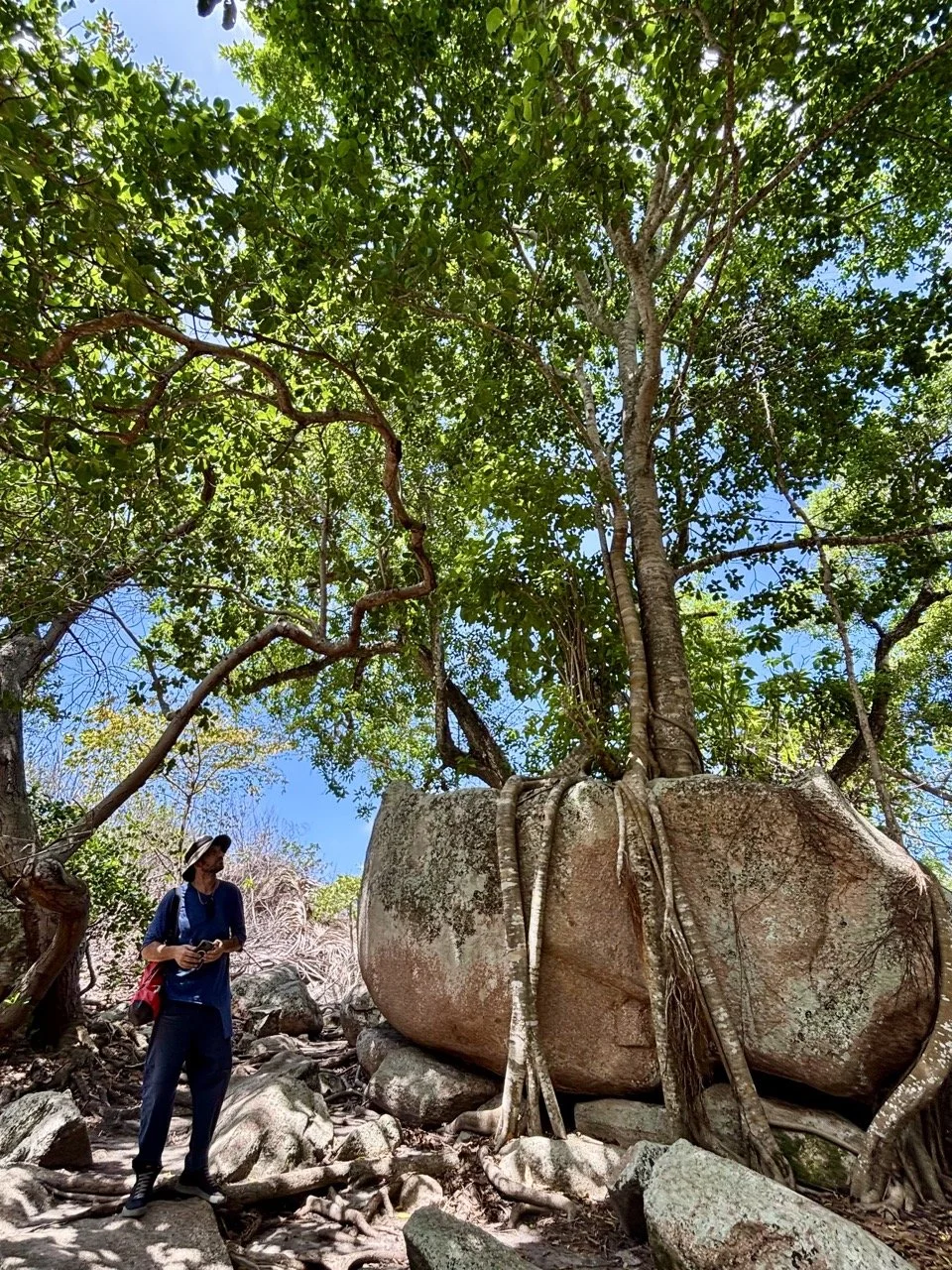
Curieuse’s mangrove areas are among its most valuable ecological habitats. Raised walkways may allow visitors to cross sections of the mangrove ecosystem without damaging the fragile roots and wetland soil.
Mangrove forests are important because they:
Provide shelter for juvenile marine animals
Protect coastlines from erosion
Support crabs, fish and invertebrates
Store significant amounts of carbon
Connect land-based and marine ecosystems
The mangrove boardwalk is both a scenic attraction and an opportunity to learn about coastal conservation in the Seychelles.
Plants and Animals You May See on Curieuse Island
Wildlife sightings are never guaranteed, but Curieuse supports a remarkable range of species and habitats.
Animals to look for
Depending on the season and location, visitors may encounter:
Aldabra giant tortoises
Tropical land birds
Seychelles endemic bird species
Fruit bats
Land crabs
Red mangrove crabs
Fish in shallow coastal waters
Juvenile sharks in mangrove or shallow-water areas
Sea turtles in nearby marine habitats
Some claims about specific animals, such as juvenile lemon sharks or blacktip reef sharks, should be treated as possible sightings rather than guaranteed attractions. Conditions, tides and seasonal movements influence what visitors can observe.
Birds and endemic wildlife
Curieuse is a valuable habitat for Seychelles birdlife. Early morning is generally the best time for birdwatching because temperatures are cooler and wildlife is often more active.
Bring:
Compact binoculars
A telephoto lens
A notebook or wildlife identification app
Neutral-colored clothing
Plenty of drinking water
Avoid loud music and sudden movements, particularly near nesting or feeding areas.
Marine life around Curieuse
The shallow waters surrounding Curieuse may contain seagrass, reef fish and other coastal species. In some areas, sea turtles and rays may be seen from a boat or while snorkeling. Always follow local guidance because currents, tides and visibility can change quickly.
Doctor’s House: Curieuse Island’s Historic Landmark
The Doctor’s House, also known as the Doctor’s House Museum, is one of Curieuse Island’s most important cultural sites. The building is connected to the island’s former leprosy settlement and reflects an important, though difficult, chapter in Seychelles history.
A visit provides context beyond the island’s beaches and wildlife. It helps travelers understand how Curieuse was used in the past and how the island has since developed into a protected conservation destination.
The building and museum access may depend on opening schedules, weather and tour arrangements. Confirm availability when booking your excursion.
Creole Barbecue on Curieuse Island
A beach barbecue is often one of the highlights of a Curieuse Island tour. Menus vary by operator, but a typical meal may include:
Grilled fish
Chicken or seafood
Creole rice
Fresh salads
Lentils or vegetables
Tropical fruit
Local sauces and spices
For travelers with allergies or dietary requirements, inform the tour operator in advance. Vegetarian and seafood-free meals may be available with prior notice.
Remember that Curieuse is a protected environment. Dispose of waste properly and avoid leaving plastic, food scraps or packaging on the beach.
St. Pierre Island: A Seychelles Snorkeling Paradise
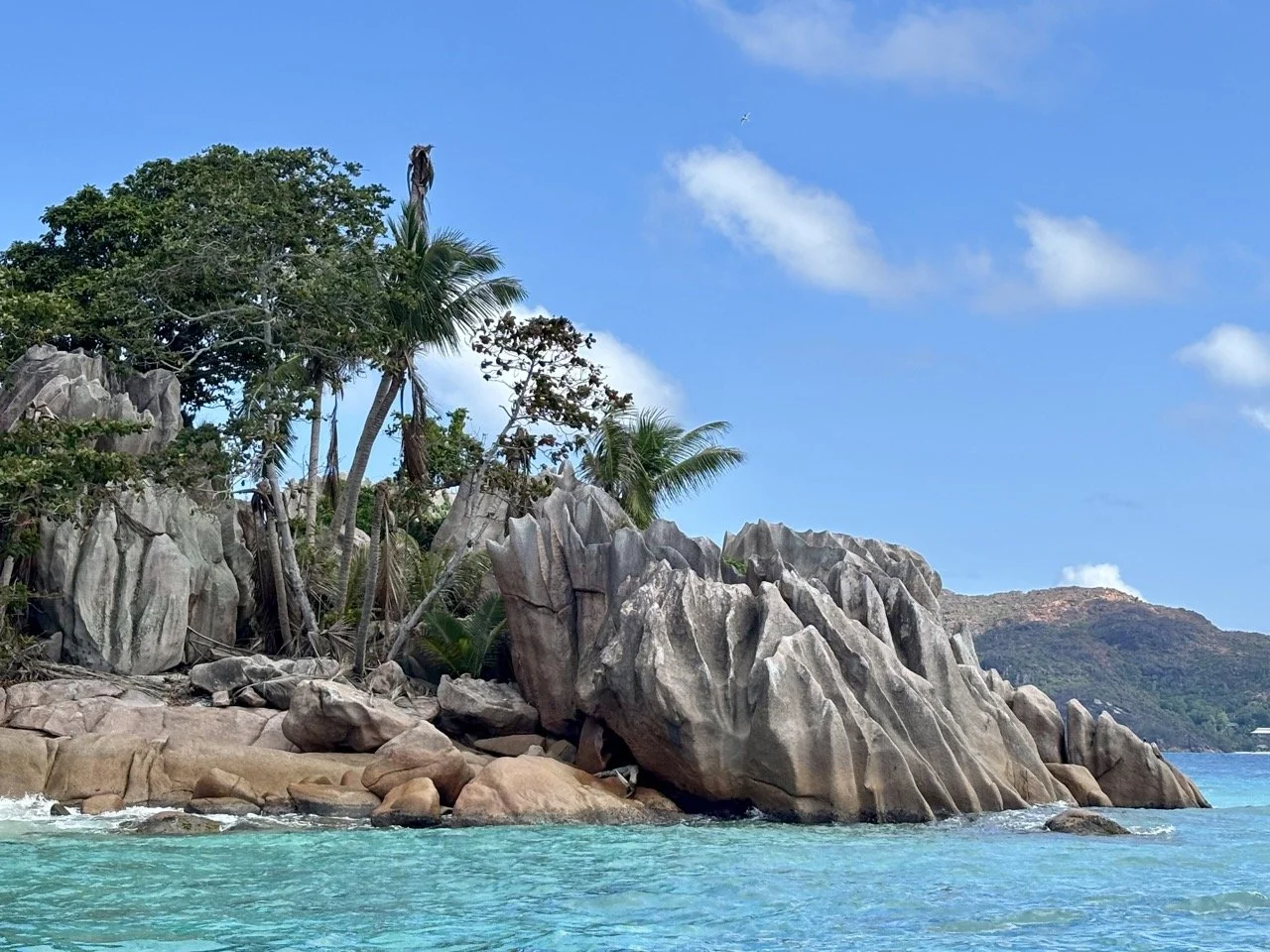
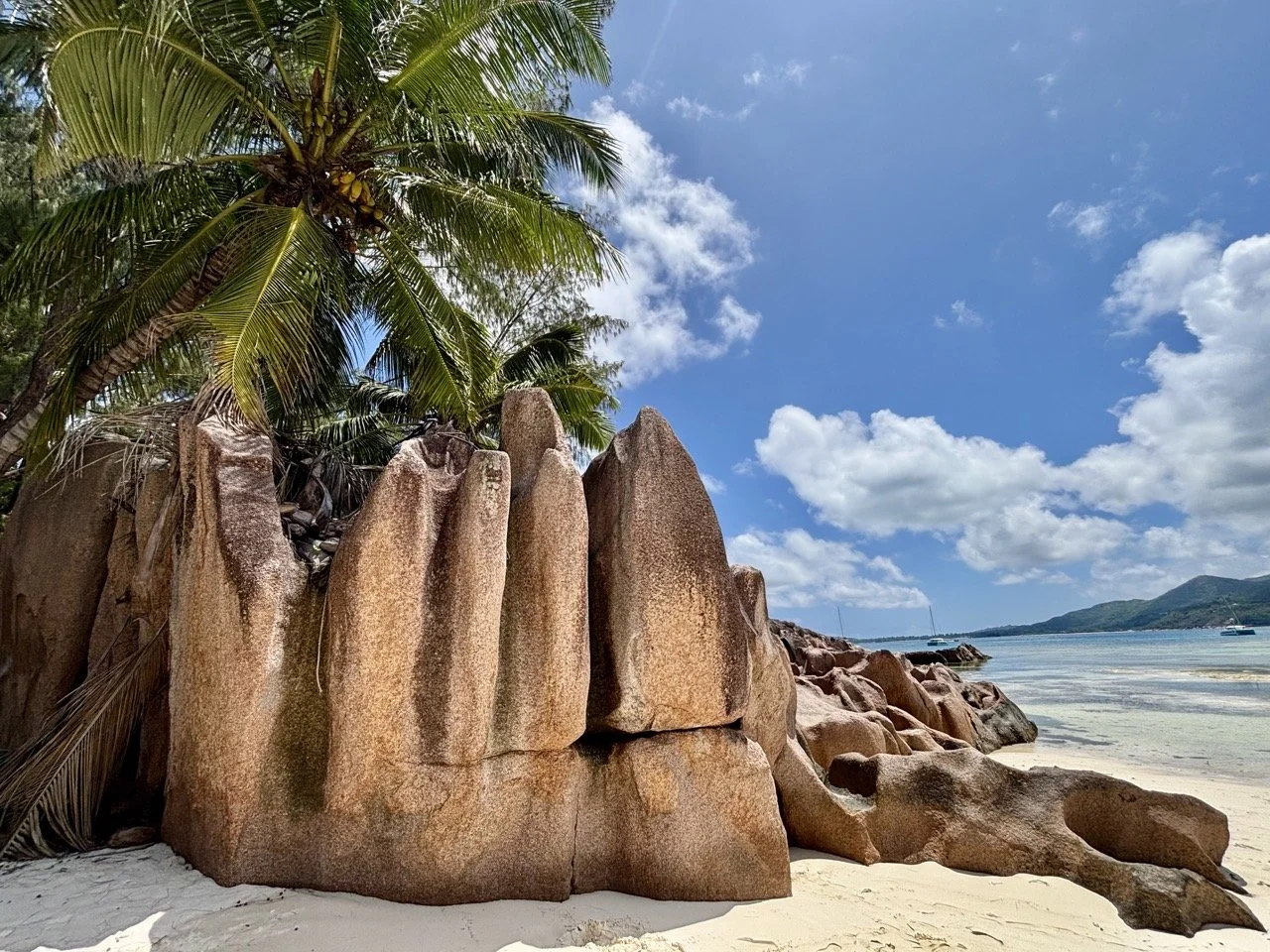
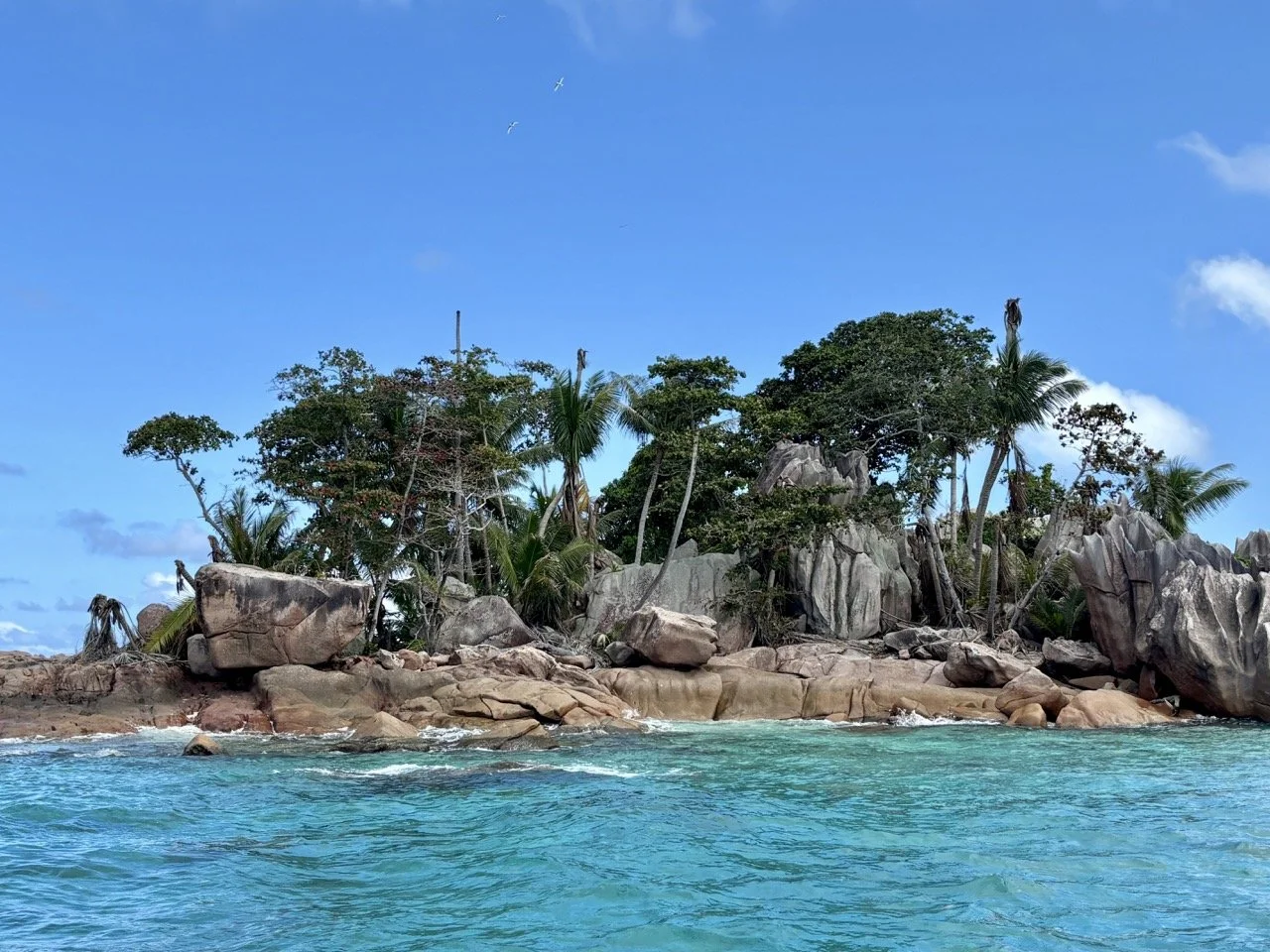
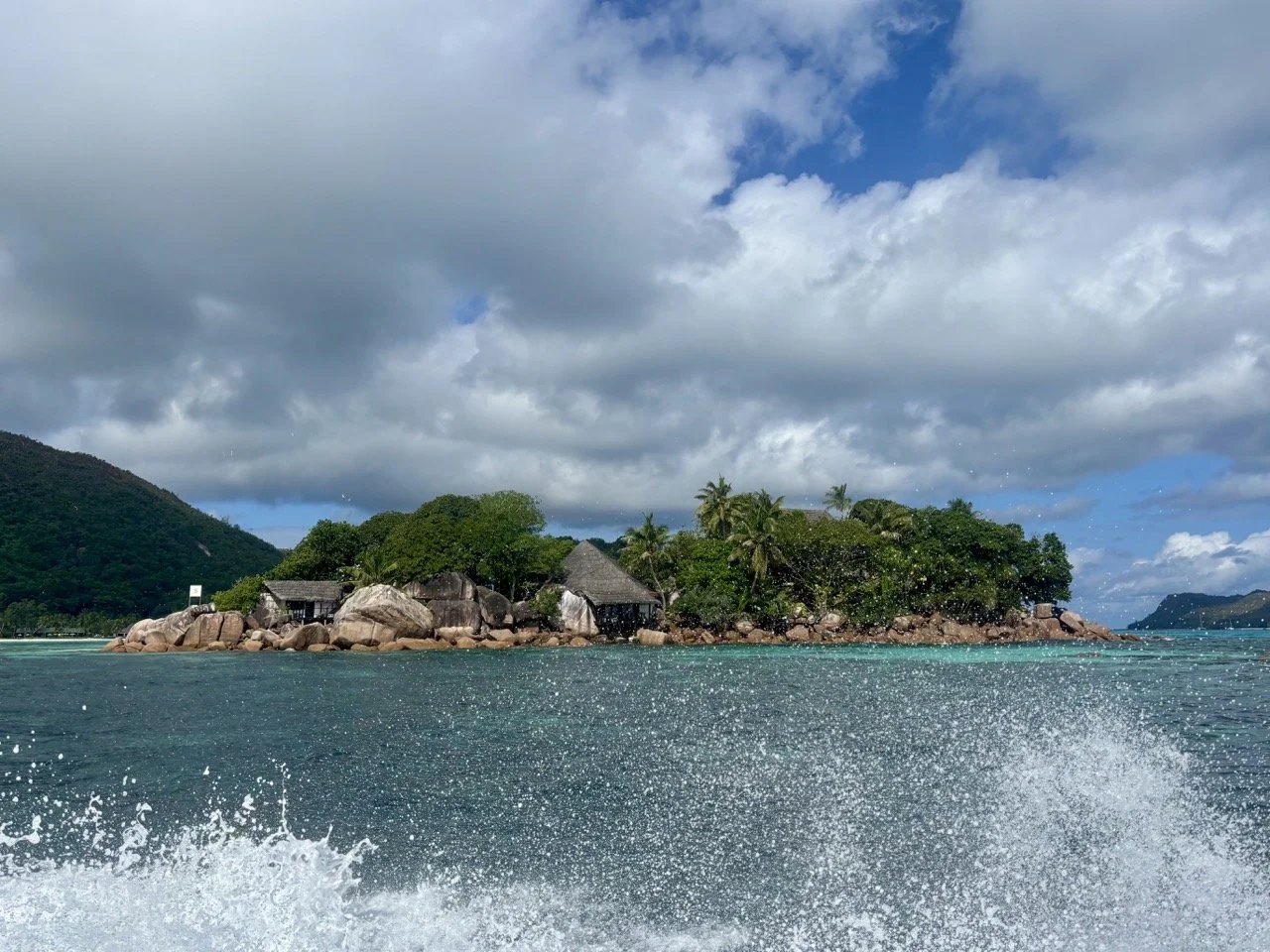
After exploring Curieuse Island, many tours continue to St. Pierre Island. This small granite islet is surrounded by clear tropical water and is widely known for snorkeling near Praslin.
What makes St. Pierre Island special?
St. Pierre is characterized by:
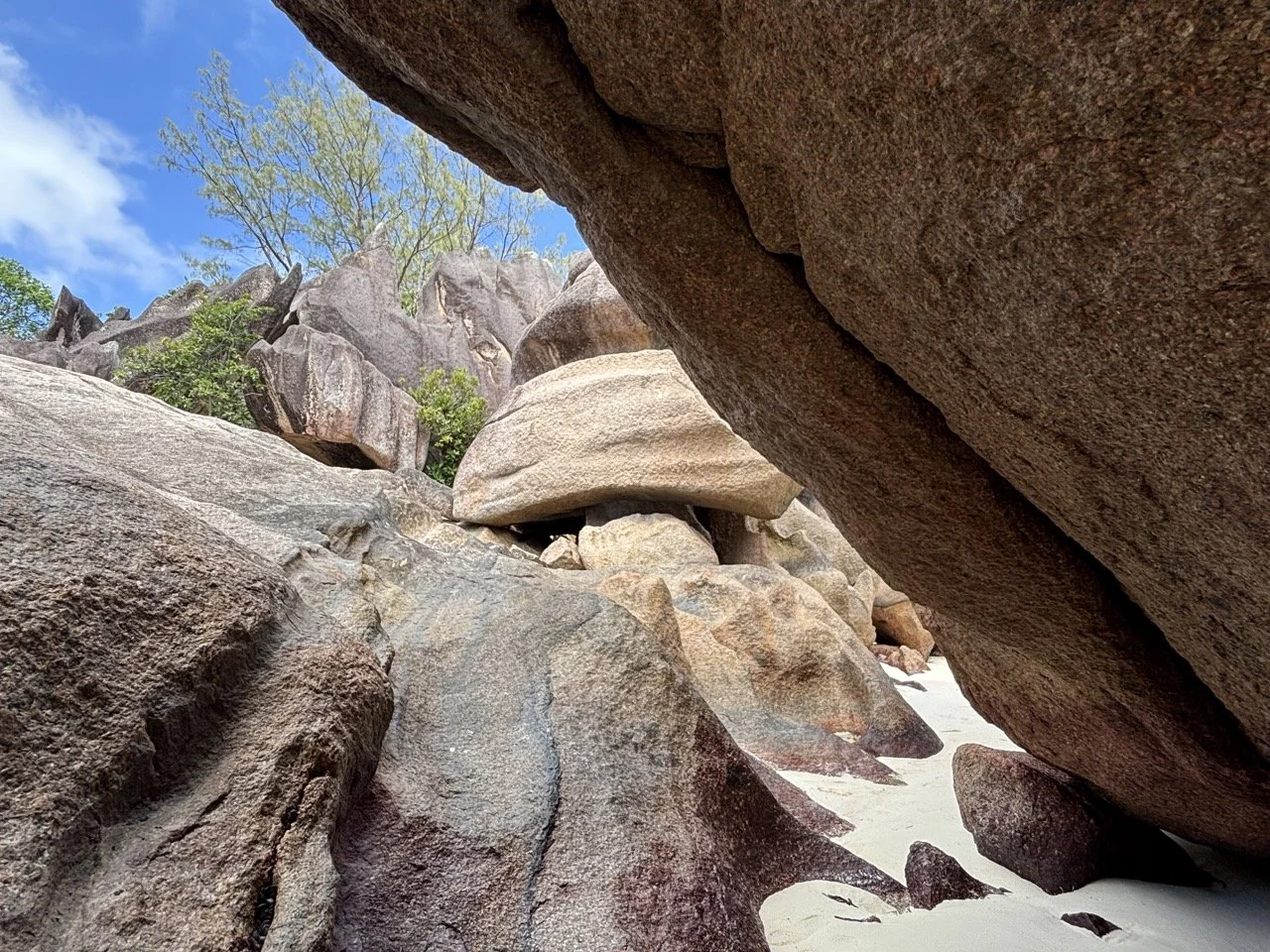
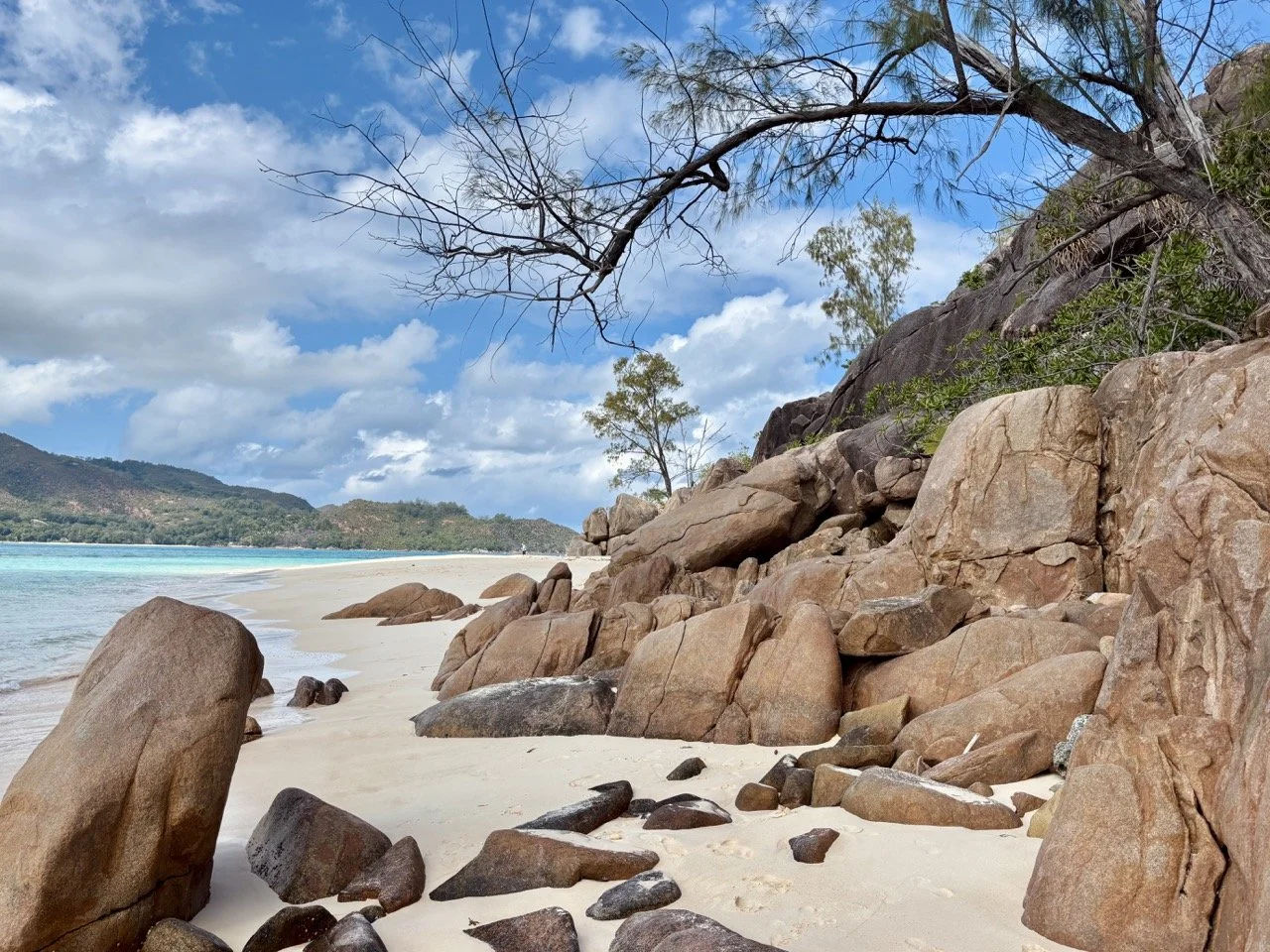
Rounded granite boulders
Coconut palms
Clear shallow water
Colorful reef fish
Scenic snorkeling areas
A classic Seychelles island landscape
The island is usually viewed from the boat or visited as part of a snorkeling stop. Access arrangements vary, so check whether your chosen tour includes landing on the island or only snorkeling nearby.
Snorkeling conditions
Visibility can be excellent, but it depends on:
Wind direction
Tides
Rainfall
Water movement
Time of year
Boat location
Possible sightings include:
Sergeant major fish
Butterflyfish
Parrotfish
Damselfish
Small reef fish
Rays
Sea turtles
Marine wildlife is not guaranteed. Do not touch coral, chase fish or stand on reef formations. Use reef-safe sunscreen and keep fins away from the seabed.
Snorkeling safety
Even confident swimmers should follow the guide’s instructions. Use a life jacket or flotation device if needed, especially when currents are present.
Before entering the water:
Check the current and boat traffic.
Stay within the designated snorkeling area.
Remain close to your group.
Do not swim alone.
Exit the water if conditions change.
Follow the boat crew’s signals.
Suggested Curieuse and St. Pierre Island Day-Trip Itinerary
Exact schedules vary by operator, weather and departure point, but a typical itinerary may look like this:
Morning: Departure from Praslin
Depart from a harbor or beach on Praslin by speedboat or excursion vessel. The journey usually includes coastal views and may take approximately 20–40 minutes, depending on the departure point and sea conditions.
Late morning: Curieuse Island
Explore the island with a guide or follow the designated nature trail. Activities may include:
Visiting the giant tortoise area
Exploring the mangrove boardwalk
Seeing Coco de Mer palms
Visiting Doctor’s House
Photographing the red-earth landscape
Midday: Creole barbecue
Enjoy a beachside lunch, often served under shaded areas or near the coast.
Afternoon: St. Pierre Island snorkeling
Travel by boat to St. Pierre Island for snorkeling and swimming. Depending on conditions, the stop may last between 45 minutes and 1.5 hours.
Late afternoon: Return to Praslin
Return to Praslin after the snorkeling stop. Boat schedules may change because of wind, swell or weather, so allow flexibility in your plans.
Transport and Booking Information
Where does the tour depart from?
Most Curieuse and St. Pierre Island tours depart from Praslin, particularly from areas near:
Baie Sainte Anne
Côte d’Or
Anse Volbert
Some operators may arrange hotel transfers. Always confirm the exact pickup location and departure time before the day of travel.
How to book
You can book through:
Your hotel or guesthouse
A licensed local tour operator
A Praslin excursion company
A private boat charter
A shared group boat tour
Before paying, confirm whether the price includes:
Boat transportation
Island or park fees
Snorkeling equipment
Lunch
Drinking water
Hotel transfers
Guide services
Insurance or safety equipment
Best Time to Visit Curieuse and St. Pierre Island
Seychelles can be visited year-round, but marine conditions vary.
April–May and October–November are often regarded as favorable transition periods, with generally warm weather and potentially calmer sea conditions. However, conditions can change from day to day.
For snorkeling, the most important factors are:
Calm seas
Good underwater visibility
Limited wind
Safe boat conditions
Suitable tides
Never assume a tour will operate regardless of weather. Confirm the schedule locally, particularly during periods of strong wind or heavy rain.
What to Bring
Pack lightly, but include the essentials:
Swimwear
Quick-drying towel
Reef-safe sunscreen
Hat and sunglasses
Reusable water bottle
Waterproof phone pouch
Dry bag
Change of clothes
Comfortable walking shoes
Water shoes
Motion-sickness medication
Camera or action camera
Cash for optional purchases or tips
Avoid bringing single-use plastic wherever possible.
Photography Tips for Curieuse and St. Pierre Island
Photographing giant tortoises
Use a low perspective without approaching too closely. Focus on the animal’s eye, shell texture and interaction with the environment. A telephoto lens is useful when you want to maintain a respectful distance.
Photographing the Coco de Mer palm
Wide-angle lenses work well for capturing the size of the leaves and surrounding forest. Look for natural framing through palm leaves and use shaded areas to create depth.
Photographing the mangrove boardwalk
The boardwalk creates strong leading lines. Shoot straight down the walkway or use mangrove roots in the foreground to add texture and scale.
Underwater photography at St. Pierre
For better underwater images:
Shoot when the sun is reasonably high.
Move slowly to avoid disturbing fish.
Get close without touching coral.
Keep the camera lens clean.
Use an underwater housing or action camera.
Shoot toward the light for bright water backgrounds.
Drone photography
Drone use may be restricted in protected areas, near airports, around boats or over wildlife. Check current local rules and obtain any required permission before flying. Never operate a drone close to people, birds or tortoises.
Frequently Asked Questions
Is Curieuse and St. Pierre Island suitable for families?
Yes. The excursion combines wildlife, short nature walks, beach time and snorkeling. Families should consider heat, sun exposure, walking conditions and children’s swimming ability.
Can non-swimmers join the tour?
Usually, yes. Many operators provide life jackets, flotation devices and basic snorkeling equipment. Non-swimmers can remain on the boat or enjoy the scenery, but they should confirm the exact arrangements before booking.
How long is the boat journey from Praslin?
The journey commonly takes around 20–40 minutes, depending on the departure point, boat type and sea conditions.
Do I need a special permit to visit Curieuse Island?
Most visitors join an organized excursion, with applicable access or park fees handled by the operator. Entry requirements and fees can change, so confirm the details when booking.
Can I see giant tortoises in the wild?
Yes, Curieuse is well known for giant tortoise encounters in natural or semi-natural settings. Sightings are highly likely, but animals move freely and cannot be guaranteed in a particular location.
Is snorkeling at St. Pierre suitable for beginners?
It can be suitable for beginners when the sea is calm and the tour provides supervision. Always follow the guide’s instructions and use flotation equipment if necessary.
How far in advance should I book?
During high season, booking several days in advance is recommended. Private boat charters and small-group tours may require even earlier reservations.
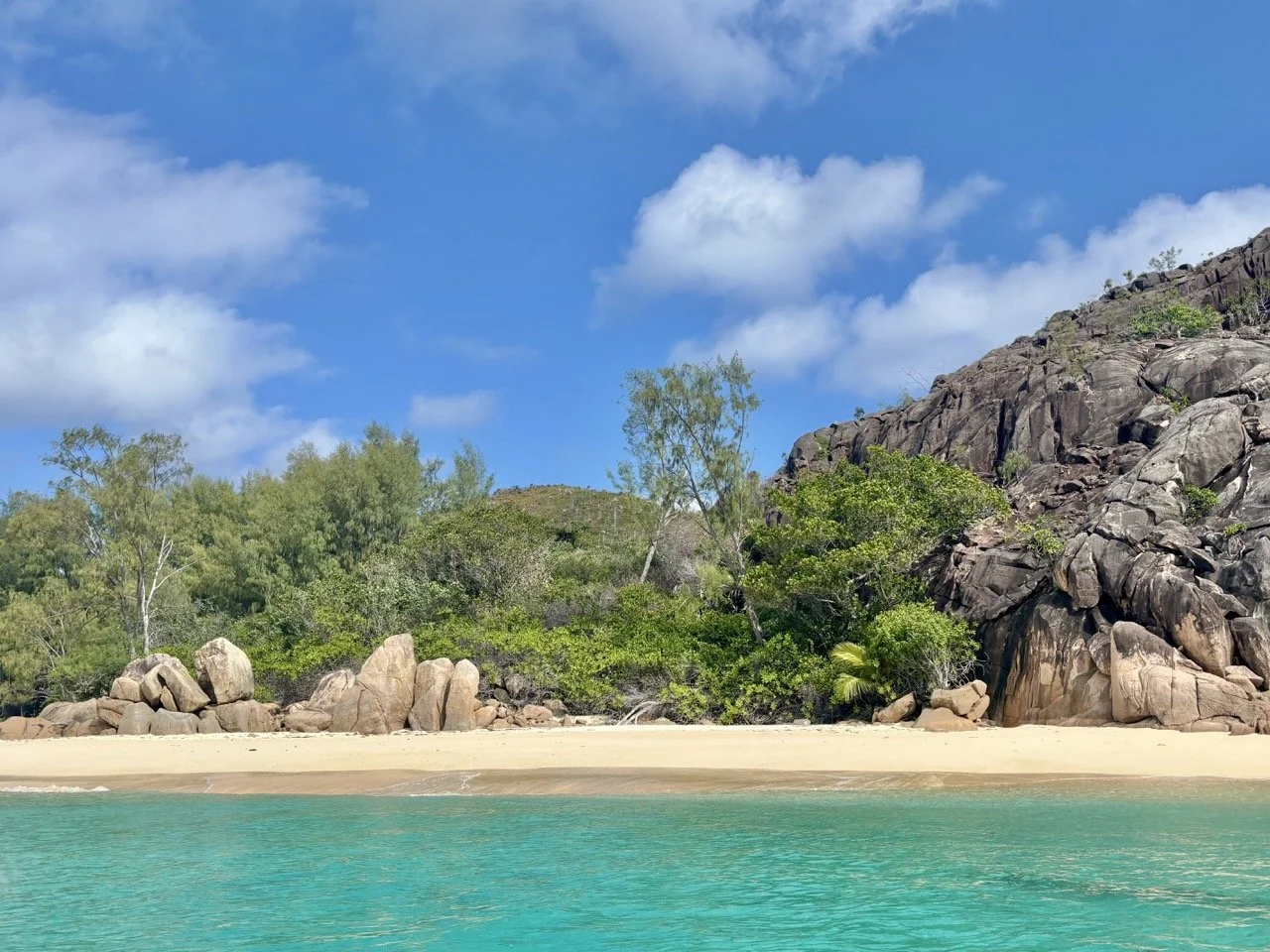
Final Travel Tips
A Curieuse Island and St. Pierre Island day trip is more than a standard beach excursion. It is an immersive Seychelles ecotourism experience combining wildlife conservation, endemic plants, historic heritage, mangrove ecosystems and tropical snorkeling.
To enjoy the experience responsibly:
Respect wildlife and keep a safe distance.
Do not touch coral or remove natural objects.
Use reef-safe sunscreen.
Follow park and guide instructions.
Carry reusable water containers.
Avoid single-use plastic.
Be prepared for changing weather and sea conditions.
Choose licensed operators that support conservation and local communities.
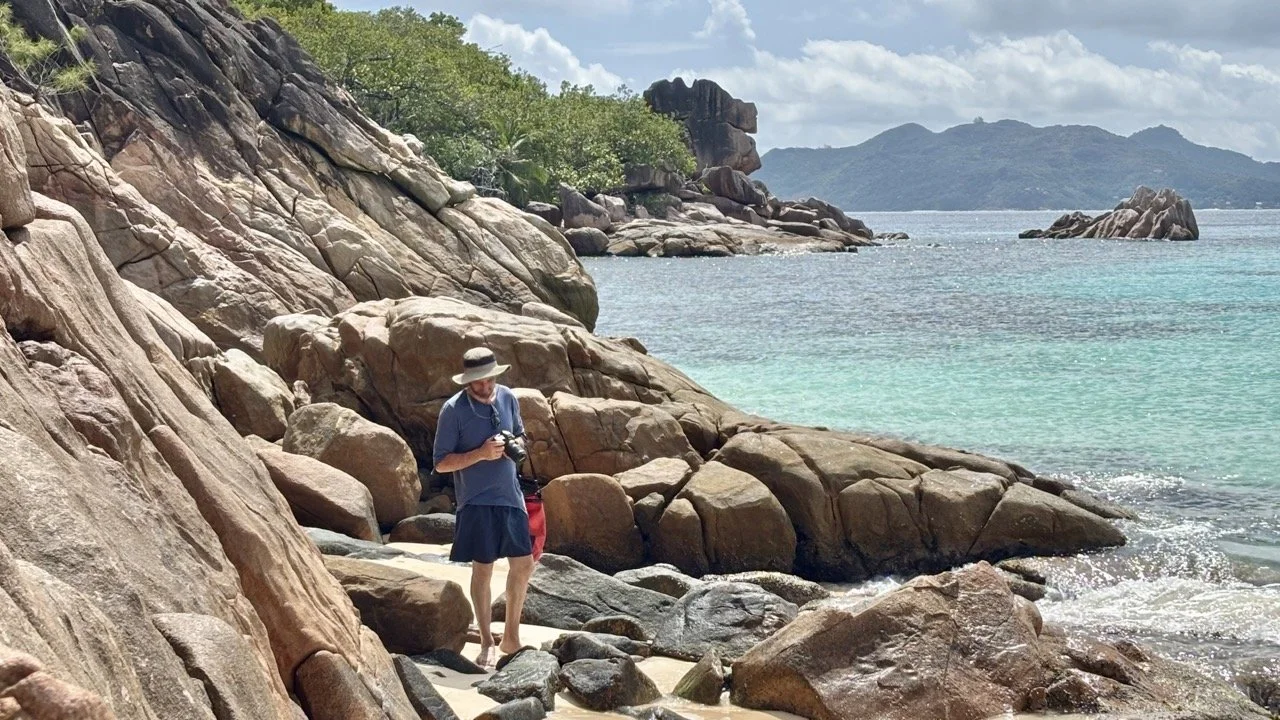
From walking beside Aldabra giant tortoises to snorkeling around granite boulders at St. Pierre Island, this Praslin excursion offers one of the most memorable ways to experience the natural beauty of the Seychelles.
About the Author | Toto Kuo
I’m Toto Kuo, a Taiwan-born photographer and traveler now based in Santorini, Greece. After exploring 80+ countries and living abroad in Canada, New York, and Paris, I settled in Oia, where I run Karma Greek Restaurant and a Santorini wedding photography studiowith my Greek husband.
Here I share my passions for photography, travel, food, and culture — from Greek islands travel guides and Greek island hopping tips to local food recommendations and secret photo spots. If you’re planning a trip to Santorini or looking for wedding photography inspiration, I’d love to help you capture the island’s magic.