
Please see English version below
準備好展開一趟時空旅行了嗎?被譽為「小江戶」的川越自由行,是您造訪東京時絕對不能錯過的近郊絕美選擇。這篇完整的川越旅遊攻略,將帶您深入探索充滿懷舊風情的藏造老街、時之鐘與冰川神社。我們整理了最實用的川越一日遊行程、交通資訊、攝影秘境及必吃的川越美食,讓這趟充滿江戶氣息的文化巡禮完美無缺!
目錄
為什麼要來川越?5大不可錯過的旅遊理由
關於川越的5個有趣冷知識
川越一日遊:Top 5 必拍景點詳細攻略
川越交通方式:從東京輕鬆出發
川越美食地圖:Top 5 推薦餐廳與在地名物
川越旅遊實用建議(最佳時間、攝影Tips、FAQ)
為什麼要來川越?5大不可錯過的旅遊理由
近距離感受江戶風情:距離東京僅需 30-45 分鐘車程,是感受古日本氛圍最便捷的去處。
獨特的建築美學:著名的「藏造」建築群保存完善,讓您彷彿穿越回江戶時代。
祈求好運的聖地:冰川神社是日本著名的結緣神社,求姻緣與平安超級靈驗。
吃不完的特色美食:除了名聞遐邇的鰻魚飯,川越的「地瓜料理」變化多端,甜鹹皆宜。
漫步型的輕旅行:景點集中,非常適合不喜歡舟車勞頓的旅客,輕鬆散步即可玩透透。
關於川越的5個有趣冷知識
真正的「小江戶」:因川越在江戶時代極為繁榮,受到江戶文化的強烈影響,因此獲得「小江戶」之稱。
強大的火災防護:藏造建築之所以大量存在,是因為過去為了防火,利用厚重的土牆倉庫保護珍貴財產。
鰻魚美食的淵源:古時川越禁止食用肉類,河川豐富的鰻魚成為當時貴族與高僧補充體力的重要來源,延續至今。
地瓜的傳奇:江戶時期,川越種植的地瓜因運往江戶城大受歡迎,自此成為川越名產。
戀愛神力:川越冰川神社的「鯛魚籤」需用釣竿釣取,是非常有趣的特色體驗。
川越一日遊:Top 5 必拍景點詳細攻略
來到東京近郊的川越,不只是逛一條老街、吃幾樣地瓜甜點而已。這座被稱為「小江戶」的城市,從古老神社、藏造街屋,到木造鐘樓與懷舊糖果巷,每一個轉角都非常適合拍照。
如果是第一次安排川越一日遊,建議將以下 5 個景點排入行程:川越冰川神社、時之鐘、藏造老街、菓子屋橫丁與喜多院。以下整理各景點的推薦原因、開放時間、交通方式與拍攝小技巧,讓你可以輕鬆規劃一條兼具歷史、美食與攝影的川越自由行路線。
小提醒:川越各景點的開放時間可能因季節、活動、寺社行事或店休日調整。出發前建議再次確認官方網站與 Google Maps 最新資訊。
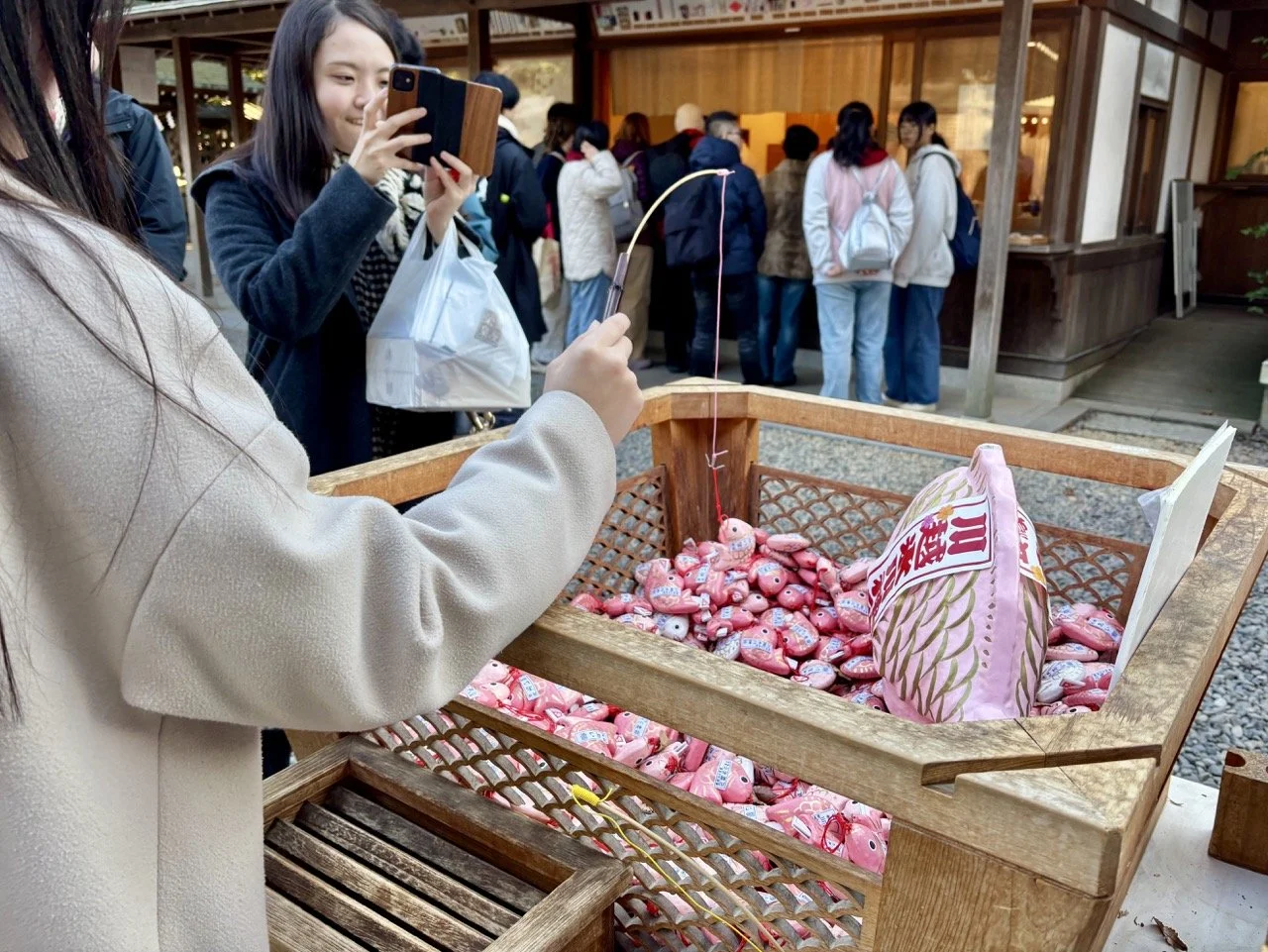
1. 川越冰川神社:戀愛祈願與日式風情的夢幻景點
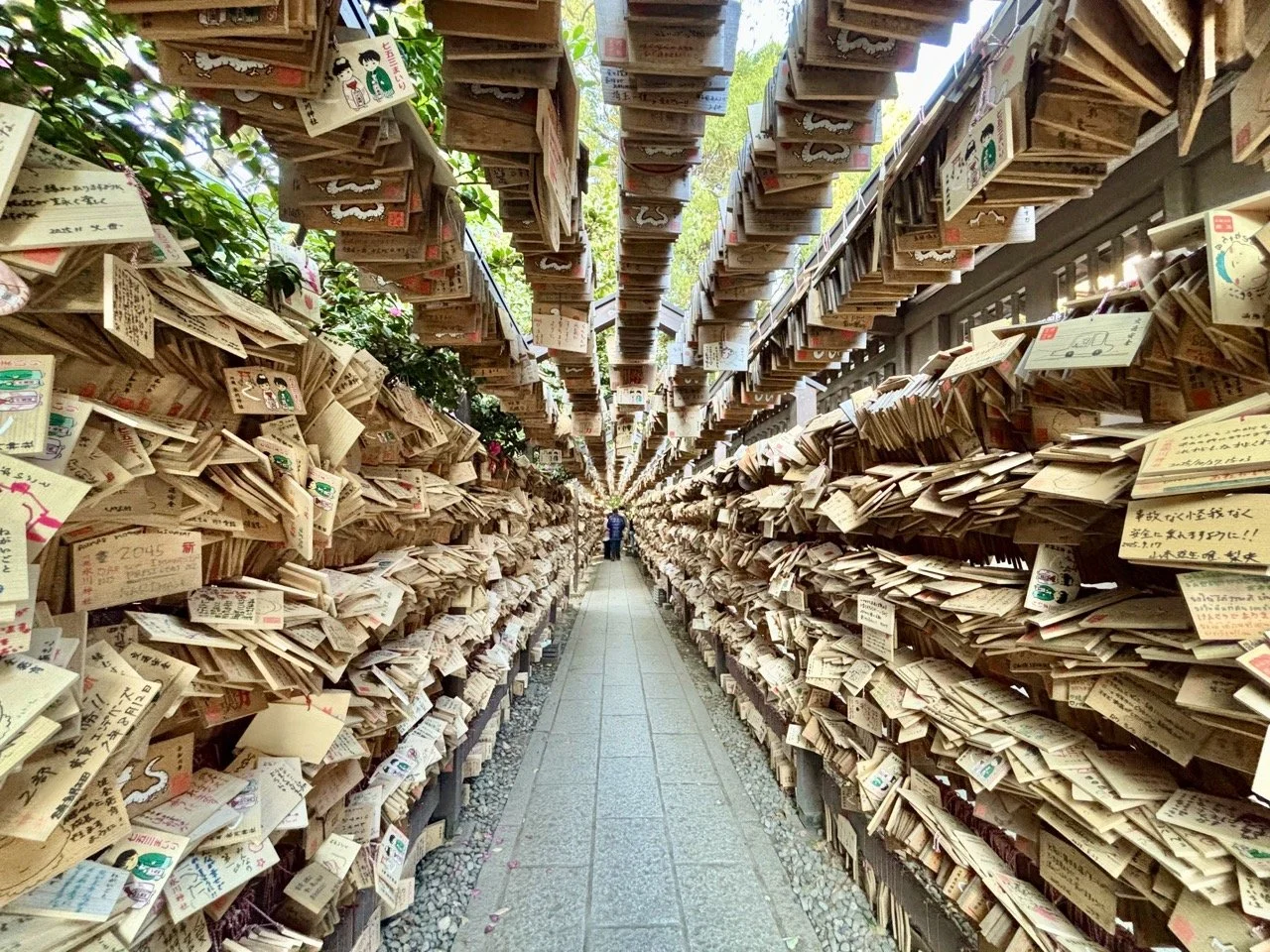
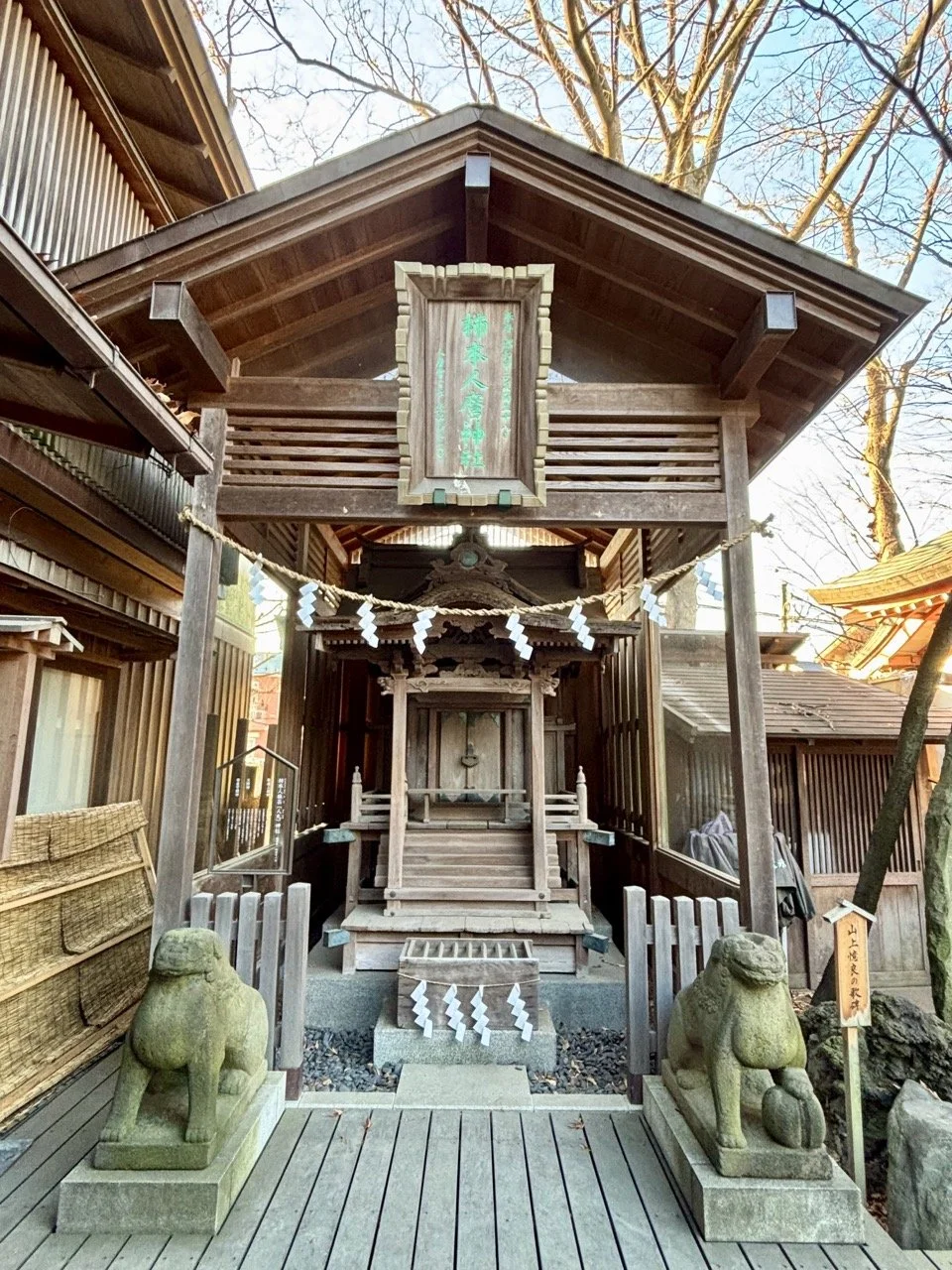
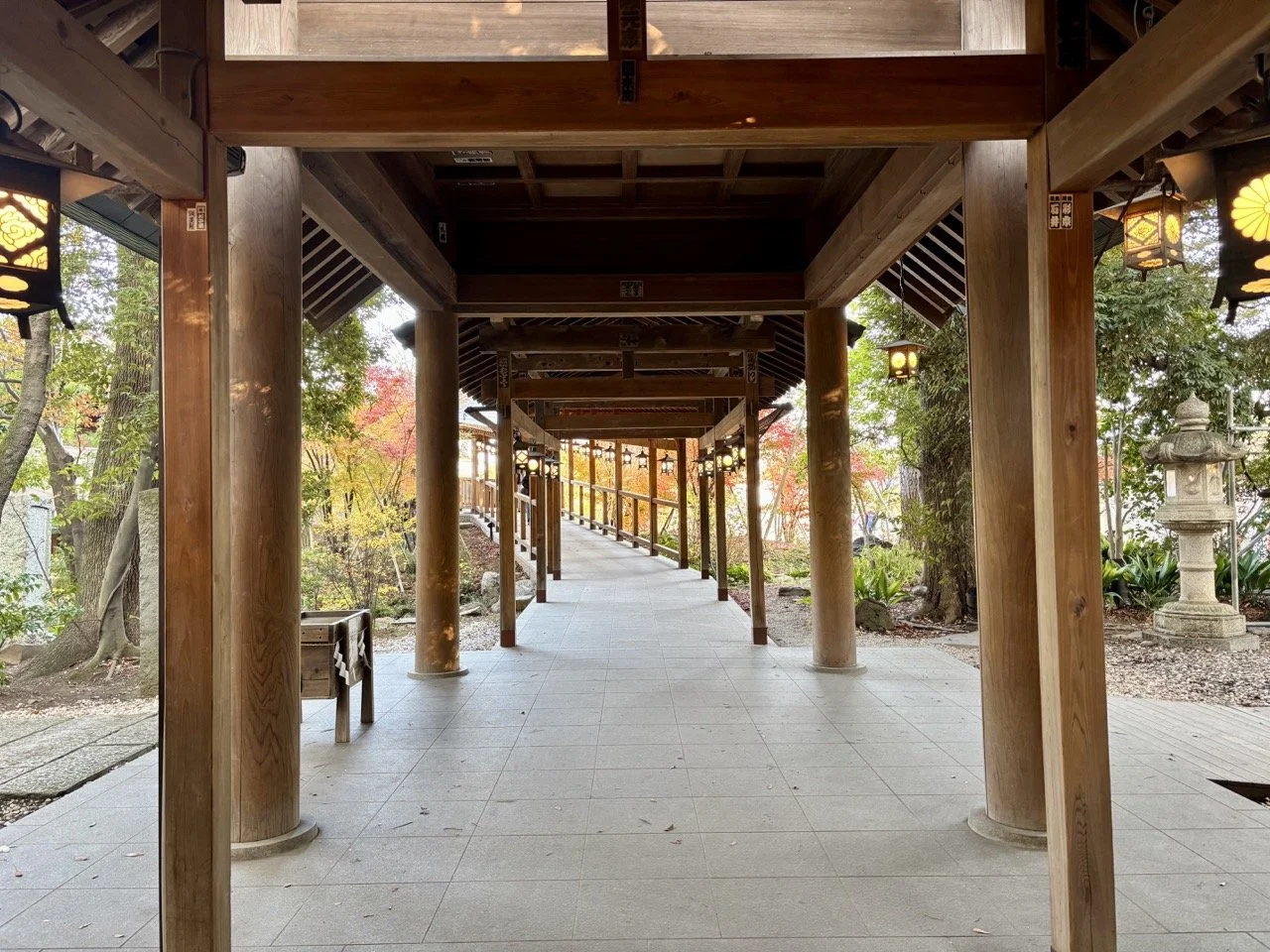
川越冰川神社是川越最具代表性的神社之一,也是許多旅客安排川越景點時必訪的地方。神社擁有悠久歷史,因祭祀五位神明而被認為與良緣、家庭和睦及人際關係有關。
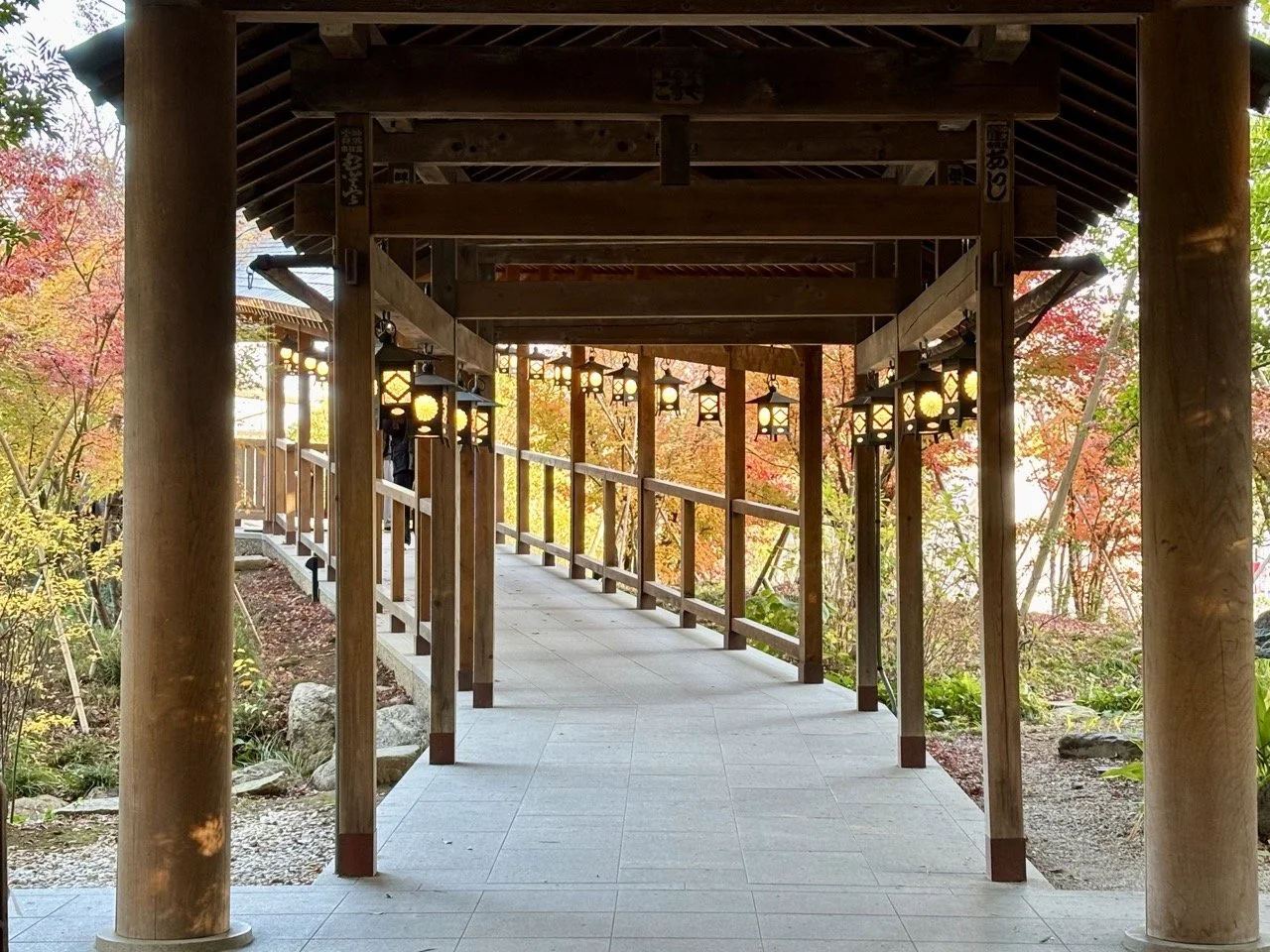
神社境內氣氛寧靜,春季有櫻花,夏季常見風鈴裝飾,秋季則能欣賞季節景色。入口處高大的木造鳥居非常醒目,也是川越最具辨識度的拍照地標之一。
推薦原因
川越最具代表性的戀愛與結緣神社。
巨大鳥居非常壯觀,適合拍攝人物與建築合照。
夏季風鈴季期間,境內充滿透明風鈴與清脆聲響。
可以體驗釣取「鯛魚籤」等特色御神籤。
適合喜歡日式文化、神社建築與和風攝影的旅客。
開放時間
神社境內通常可自由參拜,全年開放時間可能依季節調整。
御守、御朱印及授與所通常約在白天開放,常見時段約為 9:00 至 17:00。
風鈴季、正月及祭典期間可能延長或調整開放安排。
前往前若希望購買御守或索取御朱印,建議安排在上午至下午較早時段抵達。
交通方式
從 川越站 出發,可搭乘川越市內巴士或東武巴士,在「川越冰川神社」附近站點下車。
從 本川越站 搭乘巴士前往約 10 至 15 分鐘,實際時間視交通狀況而定。
從時之鐘步行前往約 10 至 15 分鐘。
若從藏造老街步行前往,約需 15 至 20 分鐘。
由於川越熱門景點之間距離不遠,也可以將冰川神社與時之鐘、菓子屋橫丁安排在同一段步行路線中。
拍攝小技巧
想拍攝無人鳥居,建議在上午 8:00 至 9:30 左右抵達。
拍攝巨大鳥居時,可使用廣角鏡頭,從較低角度向上拍,能突顯鳥居的高度。
拍攝人物時,建議讓人物站在鳥居旁,而不是正中央,畫面比例會更自然。
夏季拍風鈴可使用大光圈,讓前景風鈴形成柔和散景。
拍攝神社內部時請避免使用閃光燈,也不要阻擋參拜動線。
若想拍出安靜、禪意的照片,可選擇清晨或陰天前往,光線較柔和。
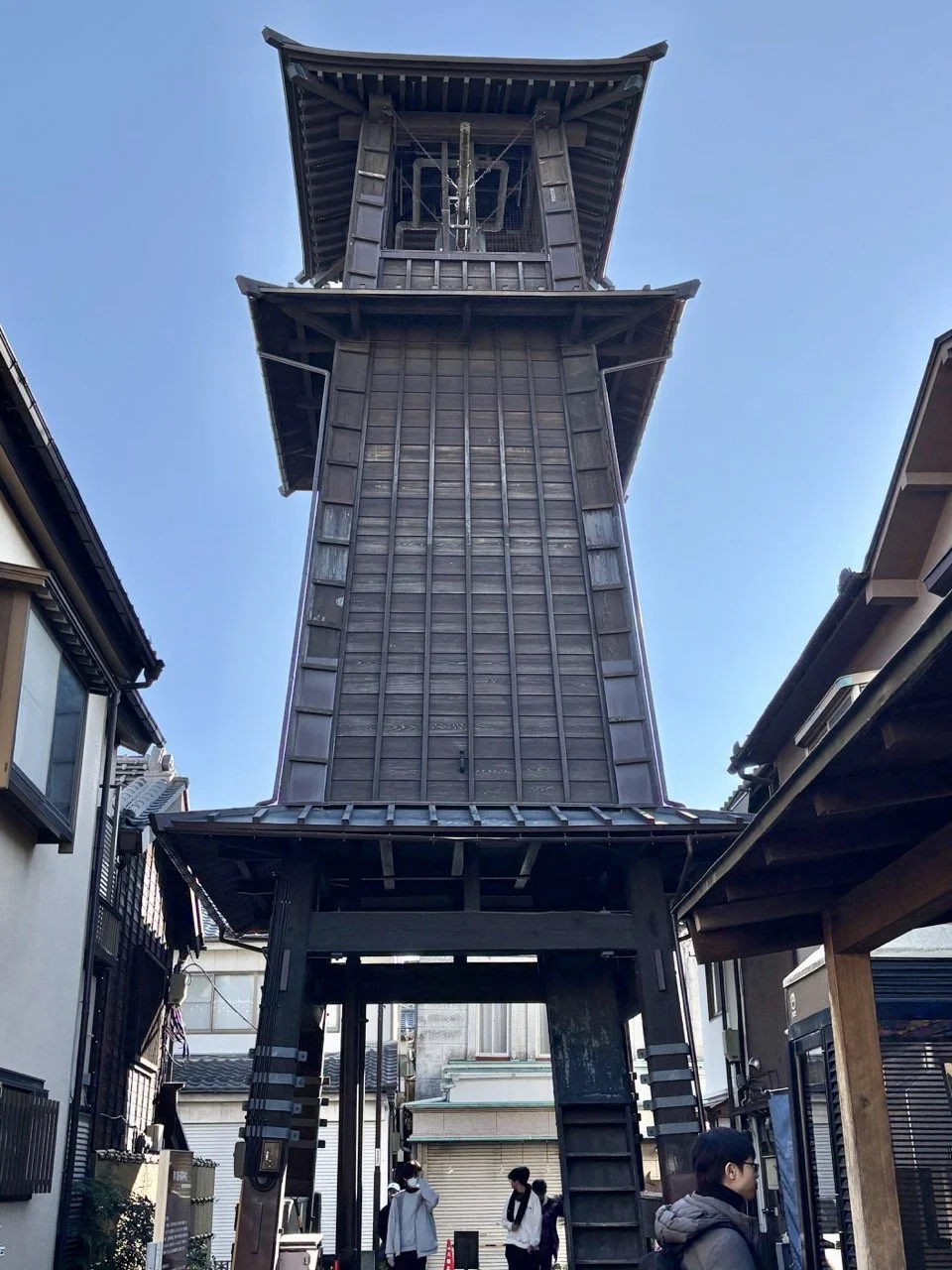
2. 時之鐘:川越最經典的城市地標
「時之鐘」是川越一日遊中最不能錯過的代表景點。這座木造鐘樓已有數百年歷史,過去負責向城下町居民報時,如今仍是川越最具象徵性的建築之一。
鐘樓周邊聚集許多老街商店、地瓜甜點店、和菓子店與咖啡館,非常適合與藏造老街一起安排參觀。
推薦原因
是川越最具代表性的地標之一。
黑色木造外觀與周邊藏造建築非常有歷史感。
周邊美食、伴手禮與咖啡店集中,適合邊逛邊吃。
可以搭配藏造老街,安排成最經典的川越散步路線。
鐘聲響起時,能感受小江戶獨特的城市氛圍。
開放時間
時之鐘屬於戶外地標,外觀通常可全天參觀。
鐘聲每天會在固定時段響起,但實際時間可能因季節或設備維護調整。
周邊商店的營業時間大多約為 10:00 至 17:00,但各店家公休日與營業時間不同。
如果想拍照又想逛店,建議安排在上午 9:00 至 11:00,或下午 16:00 左右前往。
交通方式
從 本川越站 步行約 15 分鐘。
從 川越站 步行約 25 至 30 分鐘。
從川越冰川神社步行約 10 至 15 分鐘。
從藏造老街步行即可抵達,沿途約 5 至 10 分鐘。
時之鐘位在老街區中心,最推薦以步行方式探索,途中可順道參觀菓子屋橫丁與大正浪漫夢通。
拍攝小技巧
早晨街道人潮較少,適合拍攝完整鐘樓與街景。
下午接近黃昏時,斜射光能讓木造建築呈現溫暖色調。
拍攝鐘樓時,可利用街道兩側建築作為前景,增加畫面深度。
建議使用中長焦段,將鐘樓、老街店舖與行人壓縮在同一畫面。
若想拍攝帶有人文感的照片,可等待穿著和服或路過的行人自然入鏡。
拍攝時要留意車輛與行人,不建議站在道路中央或商店門口長時間取景。
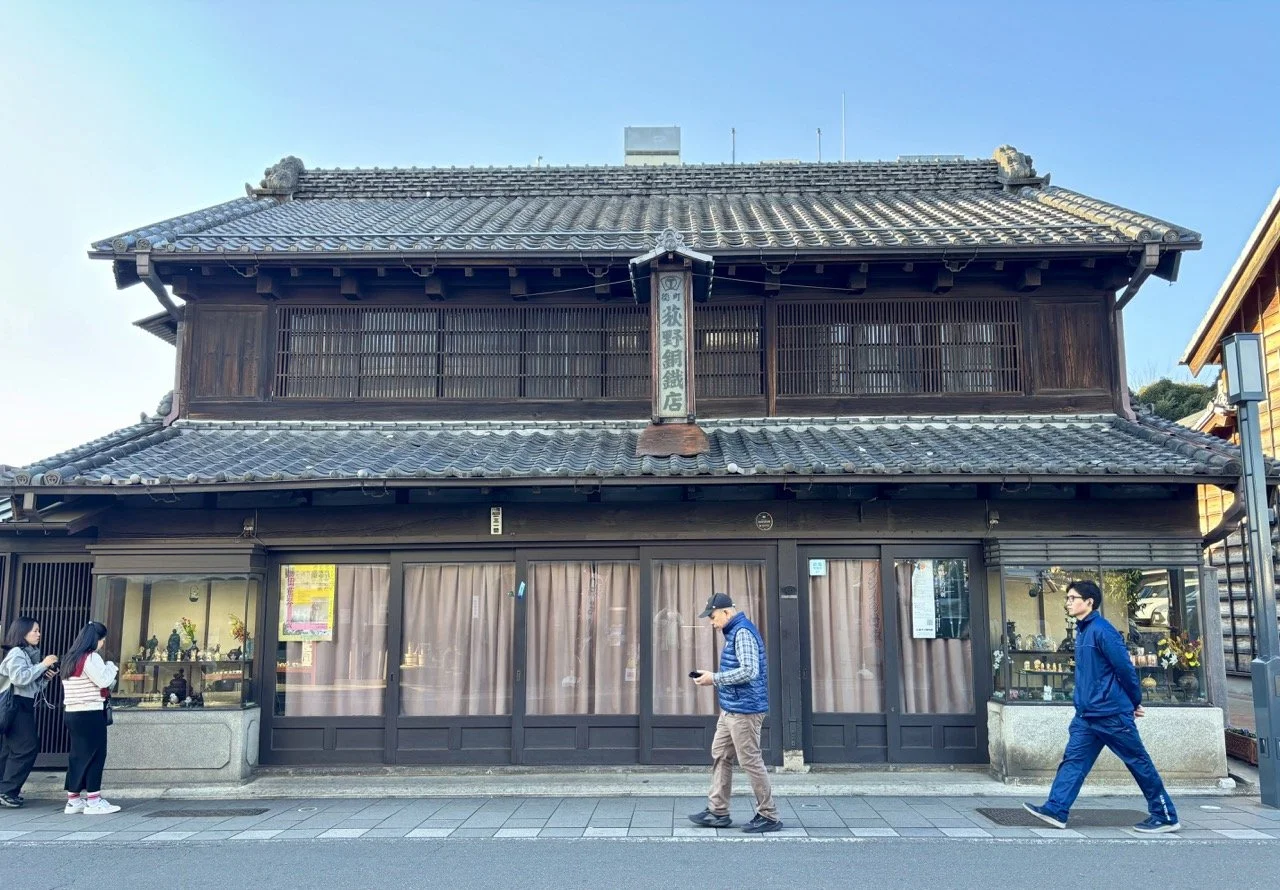
3. 藏造老街:穿越江戶時代的川越必訪街區
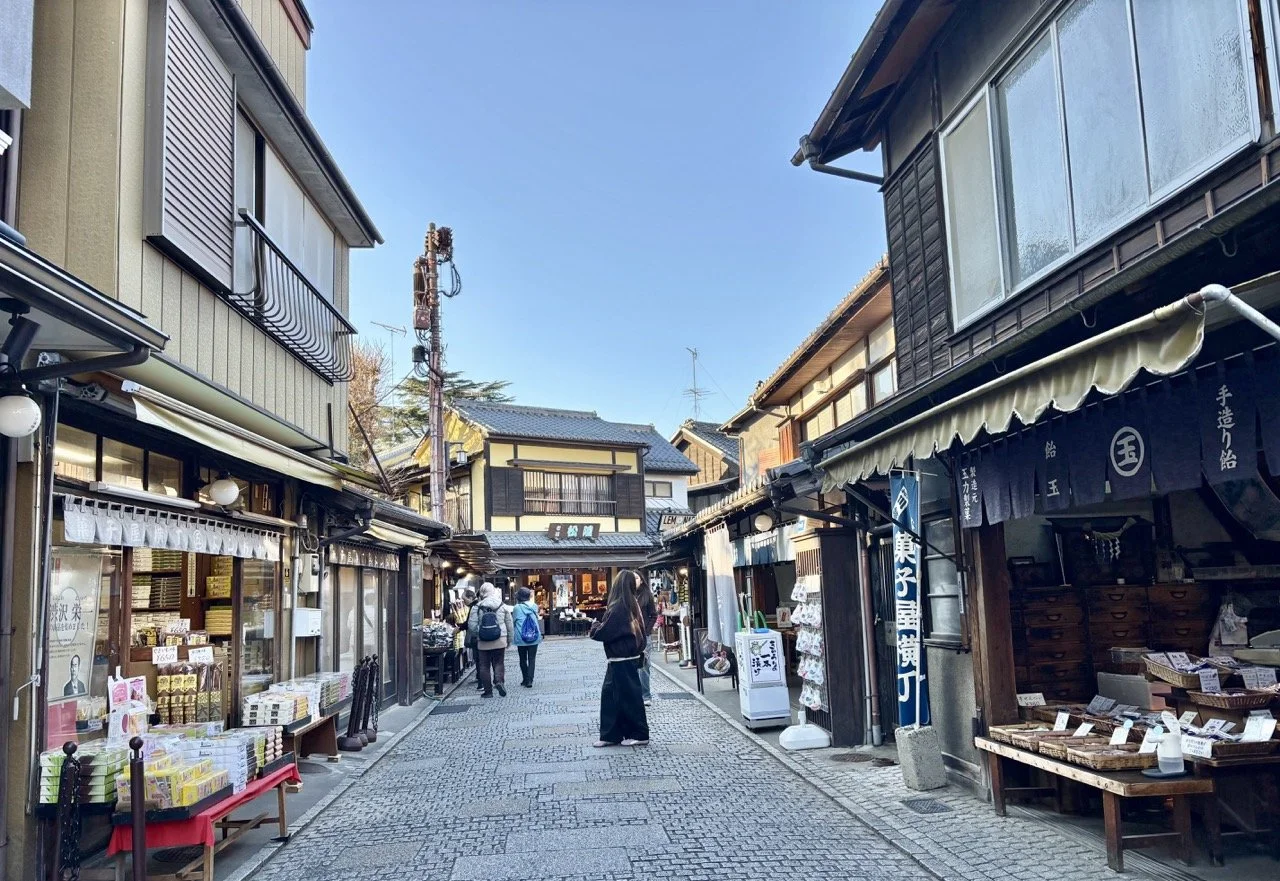
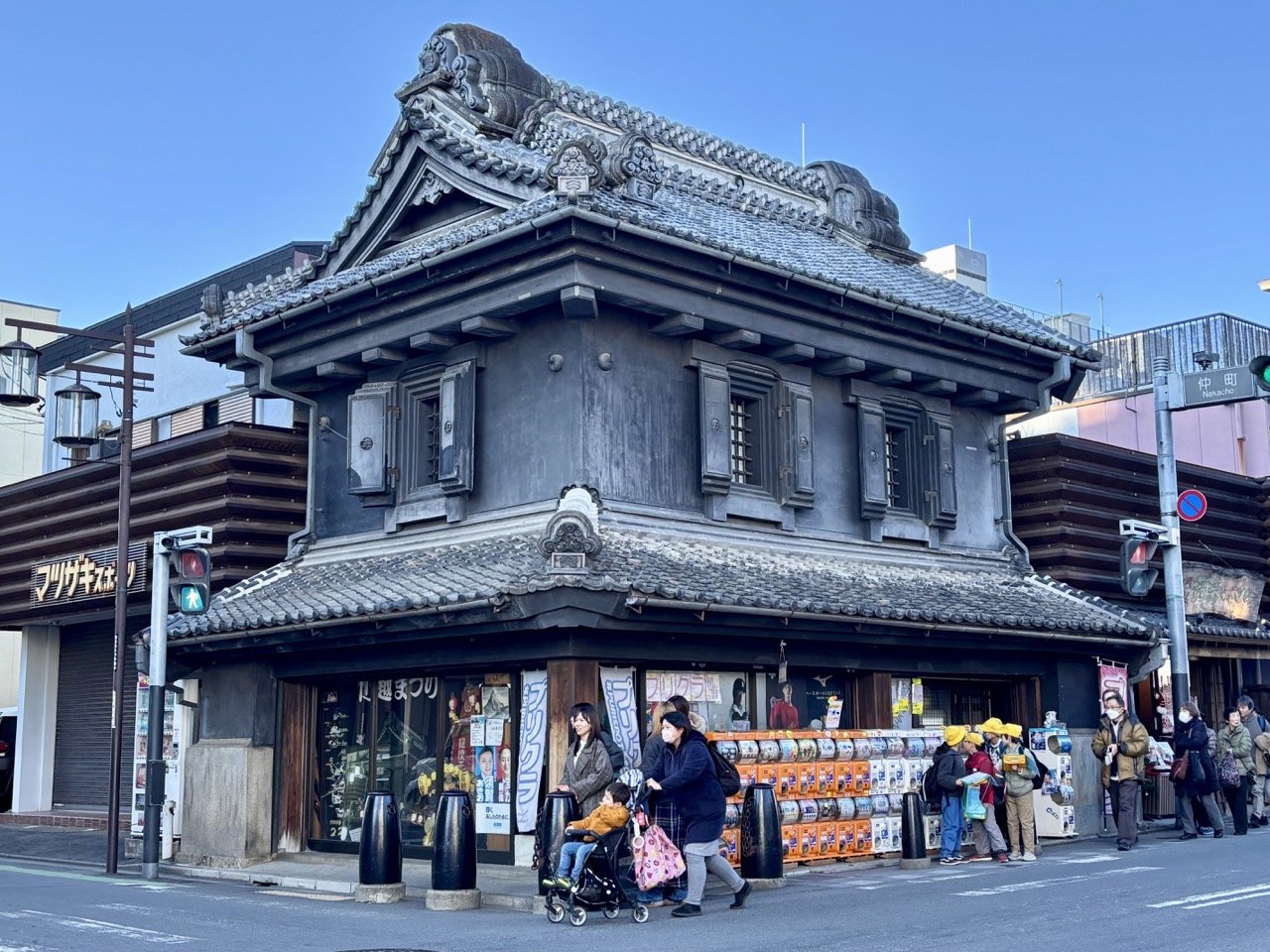
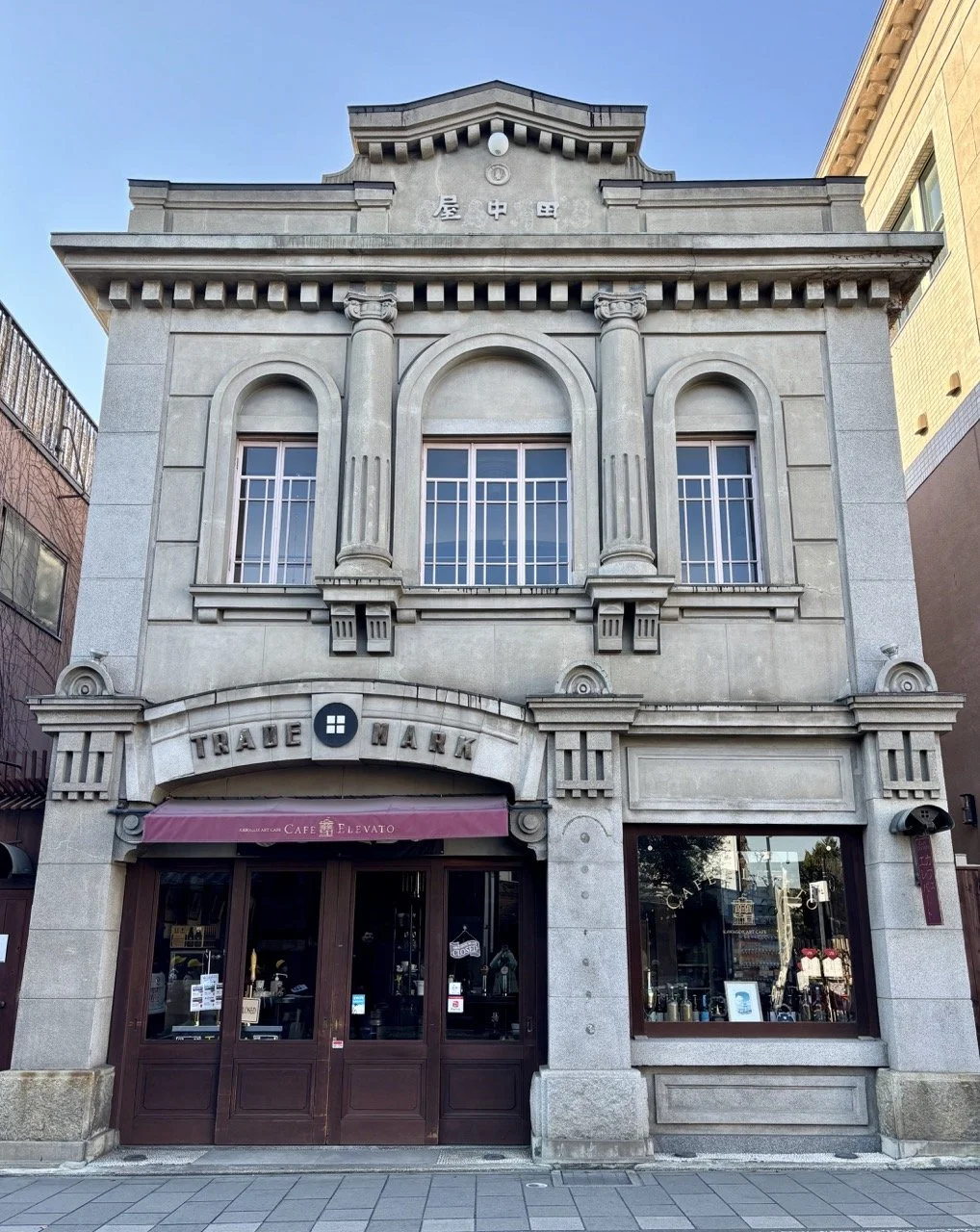
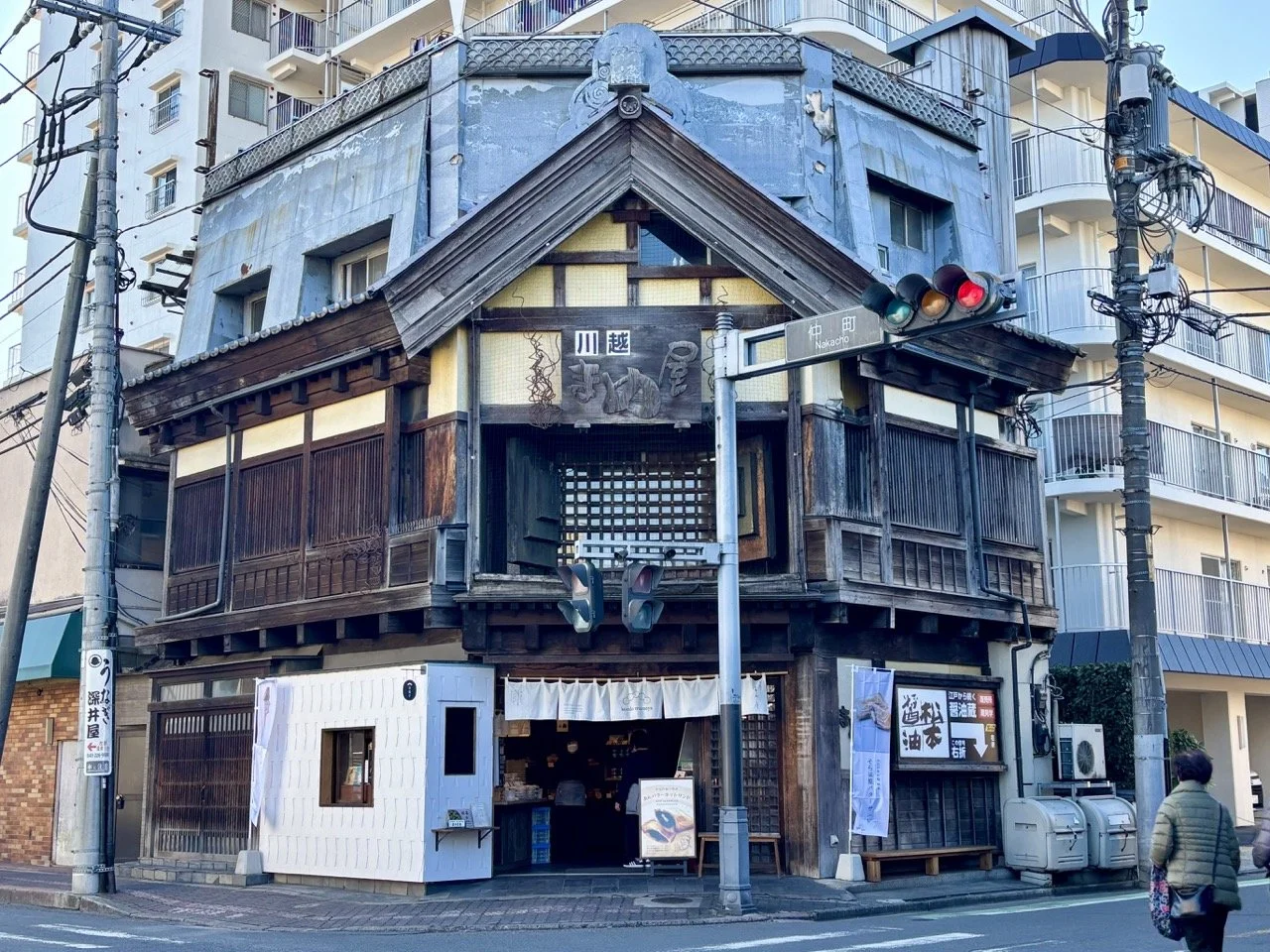
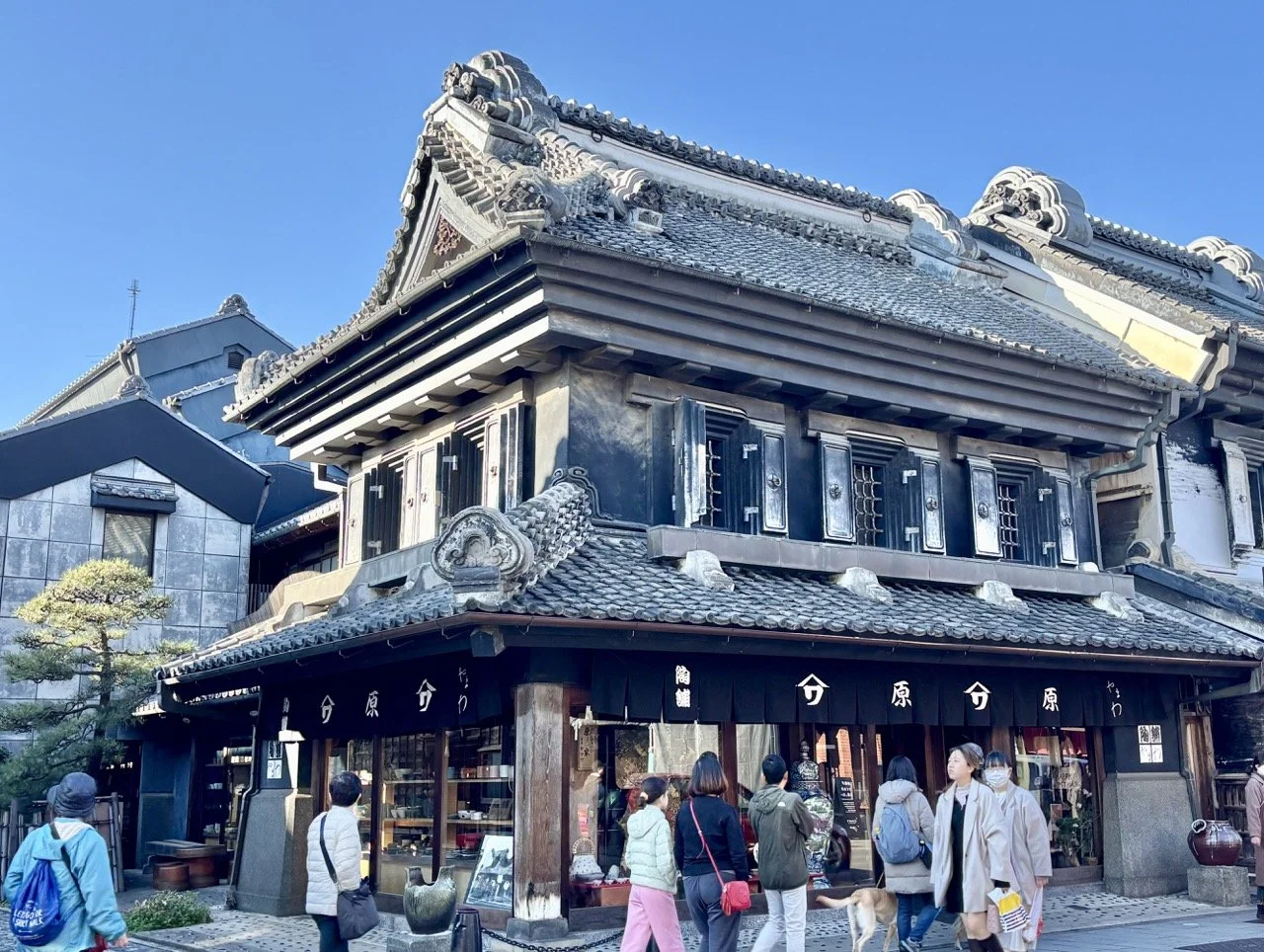
藏造老街,也常被稱為一番街,是川越最受歡迎的散步區域。街道兩旁保留許多厚重黑牆、瓦片屋頂與傳統倉庫式建築,展現川越獨有的「藏造」建築風格。
現在的老街除了歷史建築,也有鰻魚飯、地瓜甜點、和菓子、抹茶、咖啡館及伴手禮店,是結合文化、美食與購物的熱門川越旅遊景點。
推薦原因
可以一次欣賞多座保存良好的藏造建築。
川越特色美食與伴手禮店最集中。
適合安排地瓜冰淇淋、地瓜片、和菓子等街頭小吃。
很適合穿和服或浴衣拍攝復古風照片。
不需要特別規劃複雜路線,沿街散步就能感受小江戶氛圍。
開放時間
老街本身屬於公共道路,通常全天可通行。
沿街店家多約在 10:00 至 17:00 間營業。
部分餐廳可能提早售罄,咖啡館及熱門鰻魚飯店則可能有不同營業時間。
週末、假日及大型活動期間人潮較多,熱門店家可能需要排隊。
想拍照又想逛街,建議上午先拍攝街景,午餐後再慢慢購物與品嚐美食。
交通方式
從 本川越站 步行約 15 分鐘。
從 川越站 步行約 25 至 30 分鐘。
可搭乘川越周遊巴士,在「一番街」或附近站點下車。
從時之鐘步行約 3 至 5 分鐘即可抵達主要街區。
拍攝小技巧
早上 9:00 至 10:00 是拍攝空景的理想時段。
使用廣角鏡頭可拍出完整的街道延伸感。
站在街道側邊,以店舖招牌、黑牆與瓦屋頂作為畫面元素。
避免只拍單一建築,可以加入路人、腳踏車或和服旅客,讓照片更有故事性。
陰天很適合拍藏造老街,黑色木牆的細節會更清楚,反光也較少。
拍攝店舖內部或商品前,建議先確認是否允許攝影。
由於街道仍有車輛通行,取景時請站在行人區域,不要為了拍照走到馬路中央。
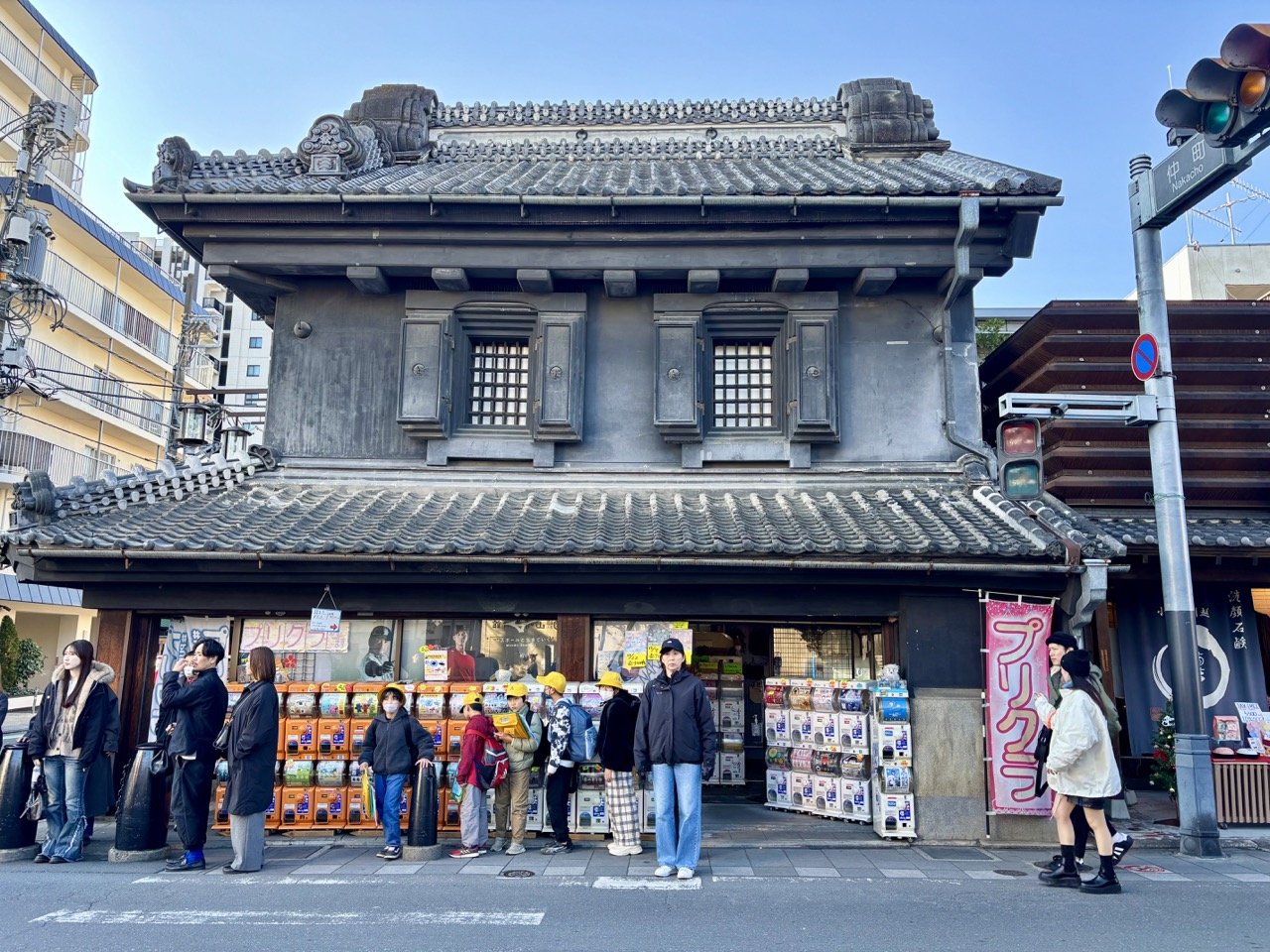
4. 菓子屋橫丁:充滿童趣的懷舊甜點巷
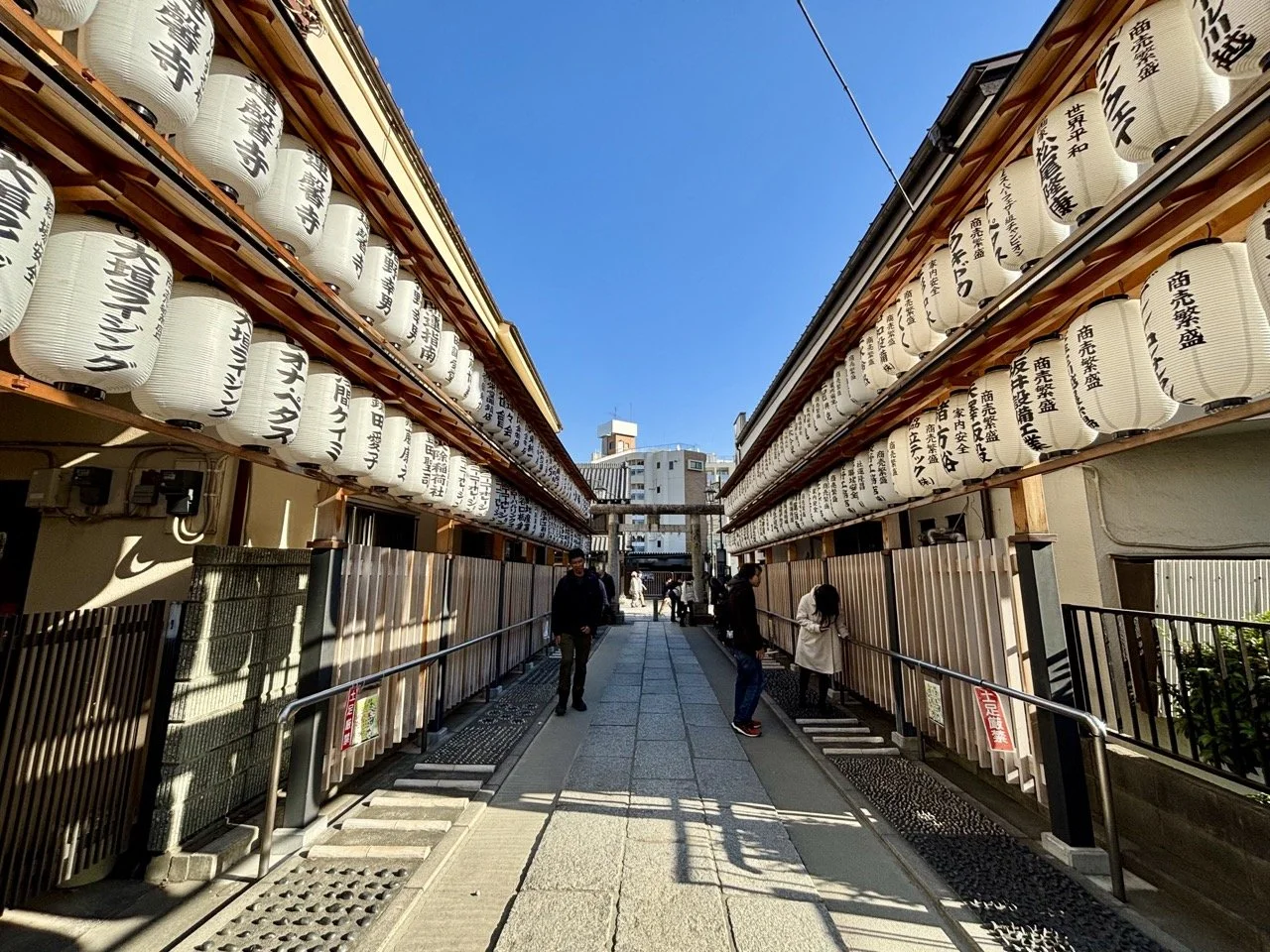
菓子屋橫丁是一條充滿昭和懷舊氣氛的小巷,聚集許多販售傳統糖果、彩色米果、粗點心與川越地瓜甜點的店舖。
與藏造老街相比,菓子屋橫丁的尺度更小、更親切,適合慢慢散步、挑選伴手禮,也非常適合拍攝色彩繽紛的食物照片。
推薦原因
懷舊糖果、傳統零食與地瓜甜點種類豐富。
適合親子旅遊,也適合喜歡復古風格的旅客。
小巷氣氛活潑,能拍出與神社、古寺不同的照片。
可以購買糖果、米果與日式零食作為伴手禮。
川越地瓜冰淇淋、地瓜脆片及地瓜點心都很受歡迎。
開放時間
菓子屋橫丁巷弄通常可自由通行。
多數店舖約在 10:00 至 17:00 間營業。
部分店家可能較早關門,亦可能依季節或店休日調整。
下午熱門時段部分人氣甜點可能售罄,建議不要太晚前往。
交通方式
從 時之鐘 步行約 5 分鐘。
從 藏造老街 步行約 5 至 10 分鐘。
從 本川越站 步行約 20 分鐘。
可搭乘川越周遊巴士,在藏造老街周邊站點下車後步行前往。
拍攝小技巧
使用 35mm 或 50mm 焦段,可以同時保留人物與街道環境。
拍攝糖果時,建議靠近櫥窗或店門口,利用自然光呈現色彩。
俯拍地瓜甜點、糖果與飲品,可製作成適合社群分享的美食照片。
讓手拿著糖果或甜點入鏡,比單純拍商品更有生活感。
選擇鮮豔色彩的糖果作為前景,能讓畫面更活潑。
小巷空間較窄,建議使用小型相機或手機拍攝,避免妨礙其他遊客通行。
購買食品後最好在店家指定區域食用,不建議邊走邊吃,以免碰撞行人或造成環境髒亂。
5. 喜多院:感受川越歷史與寺院禪意
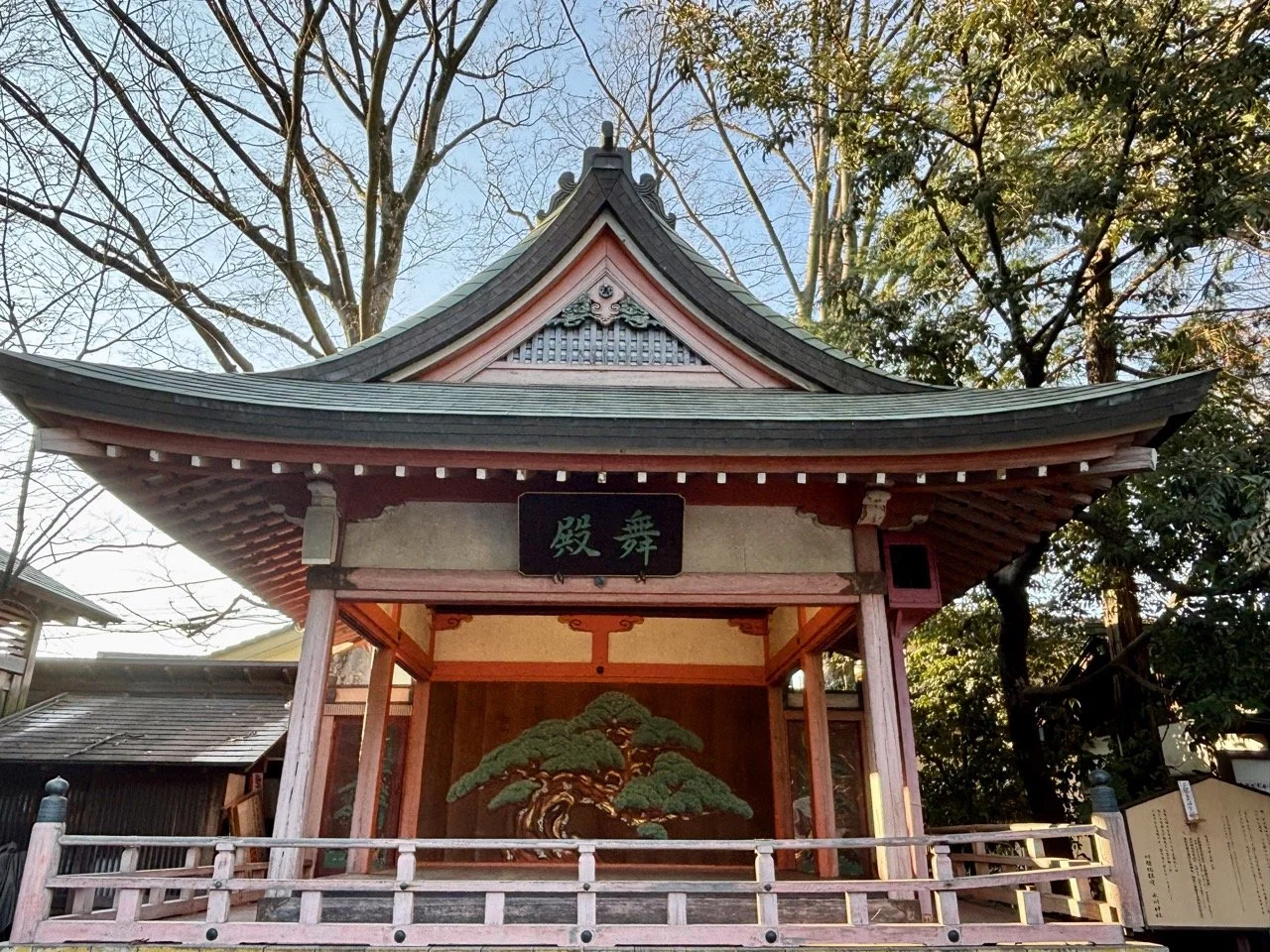
喜多院是川越極具歷史價值的寺院,也是喜歡古蹟、庭園與日式建築的旅客不可錯過的景點。寺院境內保留許多重要文化財,能看見江戶時代建築與佛教文化的痕跡。
相較於藏造老街的熱鬧,喜多院擁有更安靜、沉穩的氛圍。春季櫻花、秋季紅葉及寺院庭園,都是非常值得拍攝的主題。
推薦原因
能深入了解川越的寺院文化與江戶歷史。
境內保留珍貴的歷史建築與重要文化財。
春季賞櫻、秋季賞楓景色優美。
適合拍攝庭園、石燈籠、木造建築與禪意風景。
相較老街人潮較分散,適合喜歡安靜參觀的旅客。
開放時間
喜多院參拜區域與庭園通常於白天開放。
一般參觀時間常見為上午至下午,依季節可能有所不同。
御殿、庭園及部分室內設施可能有個別開放時間與入場費。
特定節日、寺院法會或維修期間,部分區域可能暫停參觀。
若要參觀室內建築,建議上午或下午較早時段抵達,並於出發前確認官方公告。
交通方式
從 本川越站 步行約 15 至 20 分鐘。
從 川越站 步行約 25 至 30 分鐘。
可搭乘川越周遊巴士,在喜多院附近站點下車。
從藏造老街前往,步行約 20 分鐘左右,也可以搭配巴士節省體力。
喜多院與藏造老街不在同一條街上,若安排一日遊,建議早上先參觀喜多院,再前往老街區享用午餐與下午茶。
拍攝小技巧
春季可拍攝櫻花與寺院屋頂,建議使用中長焦段壓縮前後景。
秋季紅葉時,上午光線較柔和,適合拍攝庭園與木造建築。
拍攝寺院時可將石燈籠、樹枝或門框作為前景,增加層次感。
使用低飽和度或自然色調,能呈現喜多院安靜、古樸的氛圍。
拍攝庭園時,建議保留較多留白,不要將畫面塞得過滿。
室內古蹟通常光線較暗,建議提高 ISO,並避免使用閃光燈。
參拜與拍攝時請遵守寺院規定,部分佛像、文物或室內區域可能禁止攝影。
川越一日遊 Top 5 景點建議路線
若希望一次走訪以上 5 個景點,可以參考以下順序:
上午 9:00:喜多院
上午 10:30:川越冰川神社
中午 12:00:藏造老街午餐
下午 13:30:時之鐘
下午 14:00:菓子屋橫丁
下午 15:00 至 17:00:一番街購物、品嚐地瓜甜點與拍攝街景
這條路線結合了寺院、神社、古街、美食與攝影景點。若不想走太多路,也可以將川越站、本川越站與各景點之間搭配周遊巴士使用。
川越拍攝行程小提醒
想拍空景,盡量在上午 10:00 前抵達熱門老街。
週末與日本假日人潮明顯較多,建議平日前往。
拍攝神社與寺院時,請尊重參拜禮儀。
老街仍有車輛通行,拍照時不要站在道路中央。
美食店與餐廳可能因售罄提早結束營業。
夏季炎熱、冬季日落較早,建議依季節調整行程。
川越許多景點適合步行,請穿著舒適鞋子並預留休息時間。
川越最迷人的地方,是它能在一天之內同時滿足歷史控、美食愛好者與攝影旅客。從冰川神社的紅色鳥居、時之鐘的古老鐘聲,到藏造老街的黑色木牆與菓子屋橫丁的繽紛甜點,這趟東京近郊川越一日遊既方便又充滿旅行感。
川越交通方式:從東京輕鬆出發
從池袋出發(最推薦):搭乘「東武東上線」急行列車,約 30 分鐘即可抵達「川越站」。
從新宿出發:搭乘「西武新宿線」特急列車,約 45 分鐘抵達「本川越站」。
市內交通:建議購買「川越周遊巴士一日券」,可無限次搭乘往返各大熱門景點,省時又方便。
川越美食地圖:Top 5 推薦餐廳與在地名物
在川越一日遊中,絕對不能錯過這些在地美味!
林屋鰻魚飯 (Hayashiya)
Google Maps:搜尋:川越 林屋
推薦原因:傳承百年的正宗江戶前鰻魚飯,先蒸後烤口感細膩。
必吃餐點:鰻魚飯重 (Unaju)。
價位範圍:3,000 - 5,000 日圓。
2.小江戶おさつ庵 (地瓜片專賣)
Google Maps:搜尋:川越 小江戶おさつ庵
推薦原因:網紅必買的地瓜片,酥脆香甜,是邊走邊吃的首選。
必吃餐點:特大號炸地瓜片。
價位範圍:500 - 1,000 日圓。
3.龜屋 (百年和菓子老舖)
Google Maps:搜尋:川越 龜屋
推薦原因:川越最具代表性的老字號,伴手禮首選。
必吃餐點:川越地瓜布丁、聯名銅鑼燒。
價位範圍:300 - 1,500 日圓。
4.川越矢野屋 (道地鰻魚料理)
Google Maps:搜尋:川越 矢野屋
推薦原因:當地人也推薦的鰻魚餐廳,用餐環境安靜。
必吃餐點:迷你鰻魚飯 (Una-meshi)。
價位範圍:1,000 - 3,000 日圓。
5.茶房 藏 (藏造老屋咖啡廳)
Google Maps:搜尋:川越 茶房 藏
推薦原因:在充滿歷史感的藏造建築中享用午茶,氛圍感滿分。
必吃餐點:地瓜蒙布朗蛋糕。
價位範圍:1,000 - 2,000 日圓。
川越旅遊實用建議
最佳旅行時間:春季(賞櫻)與秋季(賞楓)最美;夏季可參加冰川神社風鈴祭。
攝影 Tips:老街人群眾多,建議安排在早上 10 點前造訪,較容易拍攝到無人的街景。
常見問題 FAQ (FAQ):
Q:川越需要玩幾天? A:川越景點集中,一日遊即可深度體驗。
Q:一定要預約餐廳嗎? A:熱門的鰻魚飯老店建議至少提前 1-2 週透過 Tabelog 或官網預約。
Q:川越適合帶小孩嗎? A:非常適合,街道平坦好走,且美食多樣。
Q:有推薦的住宿嗎? A:若想細細品味夜晚的川越,可選擇住在「川越站」附近的飯店。
Q:地瓜料理必吃哪種? A:推薦現炸地瓜片與地瓜冰淇淋,是絕佳的散步甜點。
希望這份精心整理的川越旅遊攻略能為您的行程帶來靈感!立即規劃您的下一場川越自由行,走進小江戶,探索屬於您的歷史魔法。
關於作者|Toto Kuo
大家好,我是 Toto Kuo,來自台灣,目前定居在浪漫的 希臘聖托里尼。身為一名熱愛探索的攝影師與旅人,我曾以背包客的身分走遍 超過 80 個國家,並曾旅居 加拿大、紐約、巴黎,且在 4 個國家打工度假,用旅行的方式體驗世界的多元文化。
目前,我與希臘先生在聖托里尼一起經營一家 希臘餐廳 Karma與 聖托里尼婚紗攝影工作室,同時把我最熱愛的攝影、旅行、美食與文化分享給更多人。無論是 希臘小島推薦、聖托里尼完整攻略、在地美食推薦、咖啡館探訪、旅遊攝影指南,和自由行的行程安排,我都會透過文字與影像帶你親身感受。
Tokyo Day Trip to Kawagoe: The Ultimate Guide to Little Edo, 10 Must-Visit Attractions, a One-Day Itinerary and the Best Unagi Restaurants
Ready to step back in time? Known as “Little Edo,” Kawagoe is one of the best day trips from Tokyo for travelers who want to experience traditional Japan without traveling far from the capital.
Located approximately 30 to 45 minutes from central Tokyo, Kawagoe is famous for its historic Kura-zukuri warehouse buildings, traditional sweets, sacred shrines, old-fashioned shopping streets and delicious unagi, or grilled eel.
This complete Kawagoe travel guide covers the best things to do, how to get there, a practical Kawagoe one-day itinerary, photography tips, local food recommendations and useful travel advice.
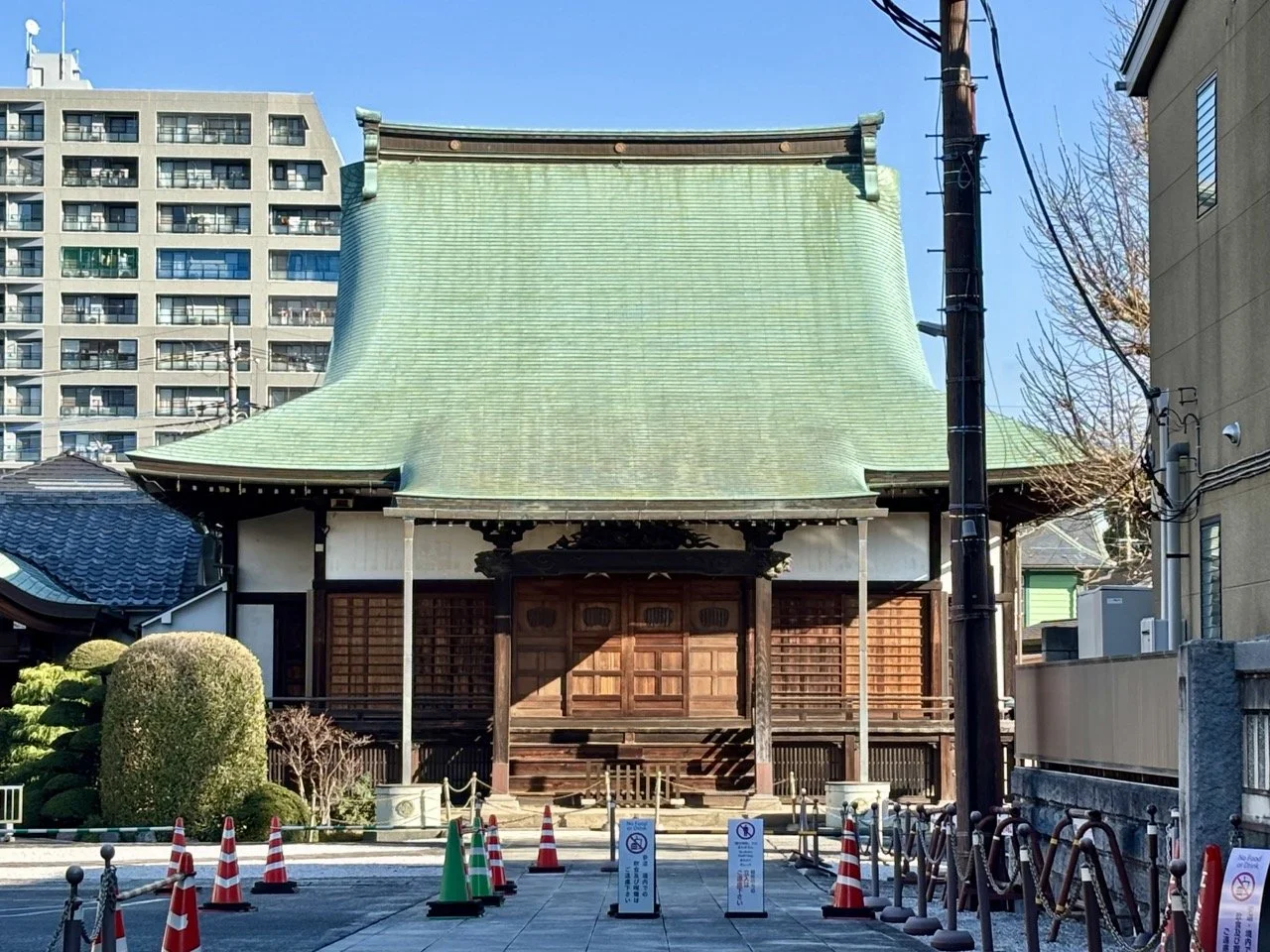
Table of Contents
Why Visit Kawagoe?
Five Interesting Facts About Kawagoe
10 Best Things to Do in Kawagoe
Kawagoe One-Day Itinerary
How to Get to Kawagoe from Tokyo
Best Kawagoe Food and Restaurants
Best Time to Visit Kawagoe
Kawagoe Photography Tips
Kawagoe FAQ
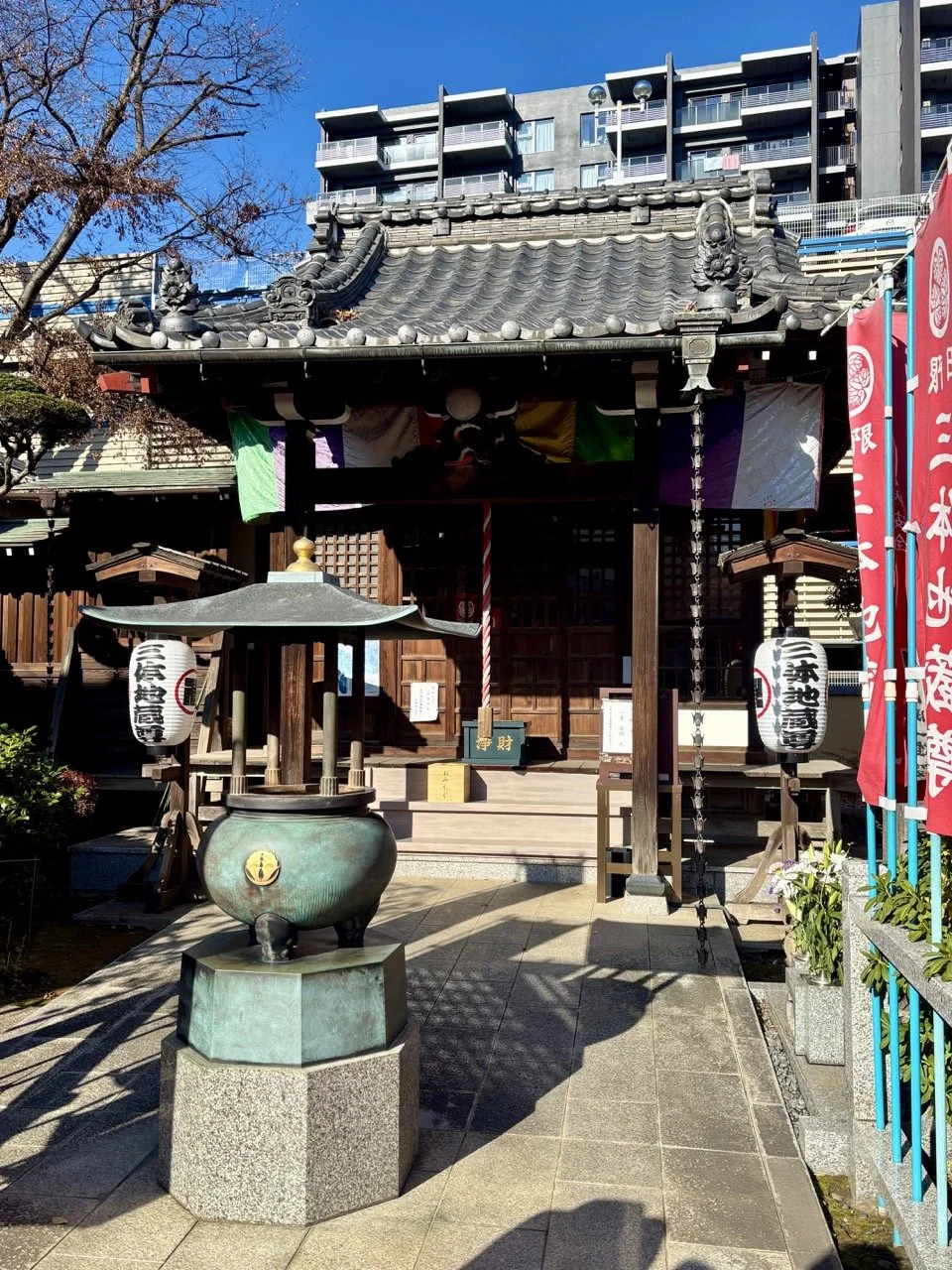
Why Visit Kawagoe? Five Reasons Not to Miss It
1. Experience Edo-period Japan near Tokyo
Kawagoe is one of the easiest places to experience old Japan from Tokyo. Its traditional streets, black-and-white warehouse buildings and historic temples create a nostalgic atmosphere that feels completely different from modern Tokyo.
2. Admire unique traditional architecture
The city is known for Kura-zukuri architecture, characterized by thick earthen walls, tiled roofs and fire-resistant warehouse-style buildings. These structures give Kawagoe its distinctive historic appearance.
3. Visit a famous matchmaking shrine
Kawagoe Hikawa Shrine is one of Japan’s most popular shrines for love, relationships and good fortune. Visitors can try the shrine’s charming tai-mikuji fortune-telling experience, in which a small fishing rod is used to “catch” a fortune shaped like a sea bream.
4. Enjoy local specialties
Kawagoe is particularly famous for sweet potatoes, which appear in everything from roasted snacks and chips to soft-serve ice cream and desserts. The city is also known for traditional unagi restaurants, Japanese sweets and café culture.
5. Enjoy an easy walking trip
Many of Kawagoe’s main attractions are located close to one another. This makes the city ideal for a relaxed walking tour, especially for travelers who prefer not to spend the entire day on trains or buses.
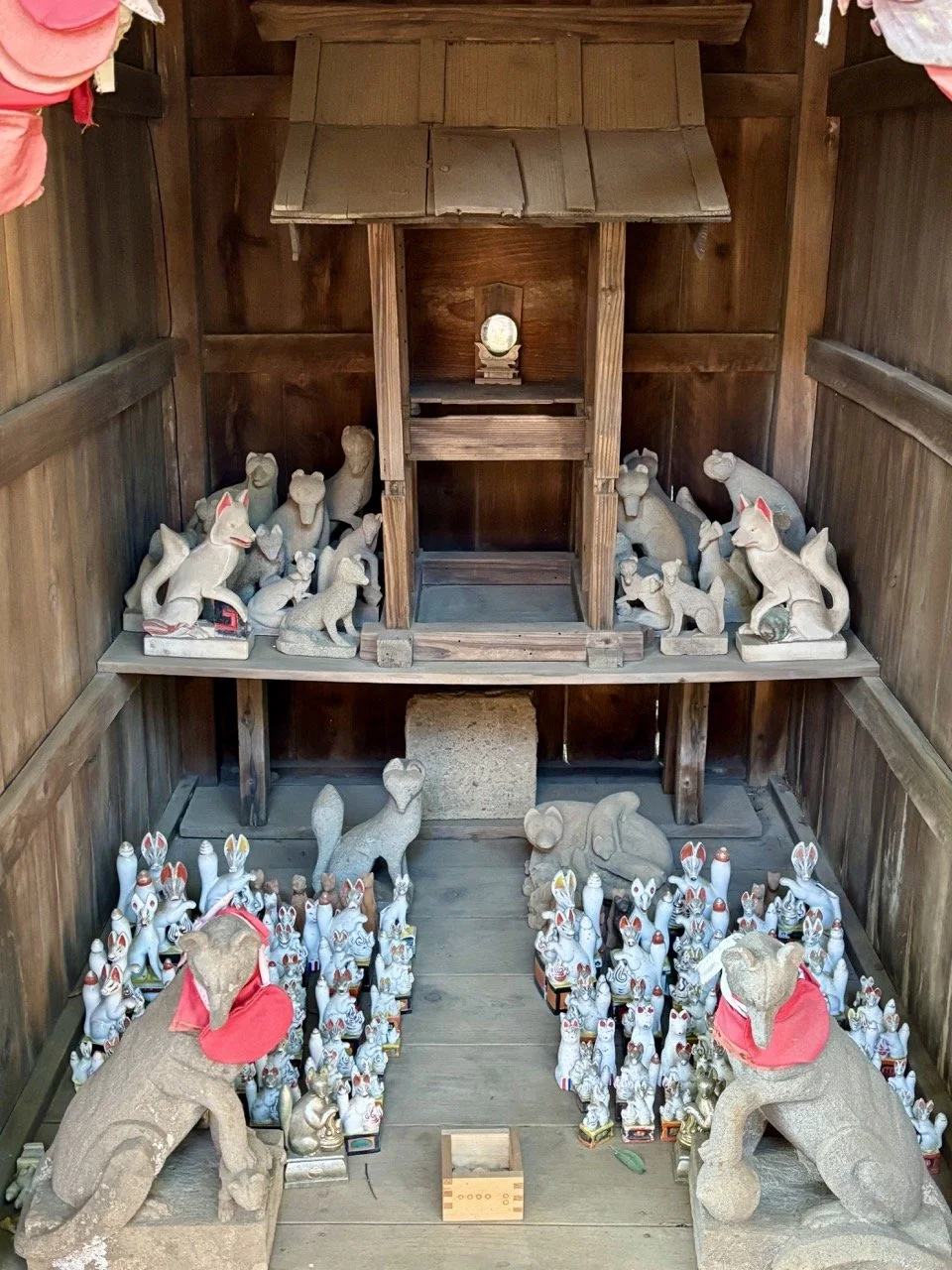
Five Interesting Facts About Kawagoe
1. Kawagoe is known as “Little Edo”
During the Edo period, Kawagoe prospered through its close commercial connection with Edo, the former name of Tokyo. Its strong historical and cultural links earned it the nickname Koedo, meaning “Little Edo.”
2. The traditional buildings were designed for fire protection
Many of Kawagoe’s famous warehouse buildings were constructed with thick earthen walls to protect goods from fire. Their durable design is one reason so many historic structures remain today.
3. Unagi has a long history in Kawagoe
Kawagoe has long been associated with eel cuisine. The city’s traditional unagi restaurants continue to serve grilled eel with a sweet and savory soy-based sauce, often over steamed rice.
4. Sweet potatoes became a Kawagoe specialty
During the Edo period, sweet potatoes grown around Kawagoe were transported to Edo. Their popularity helped establish the city’s reputation as one of Japan’s best destinations for sweet-potato snacks and desserts.
5. Hikawa Shrine’s fortune slips are shaped like sea bream
At Kawagoe Hikawa Shrine, visitors use a small fishing rod to catch a colorful fortune shaped like a tai, or sea bream. It is a fun and memorable cultural experience for visitors of all ages.
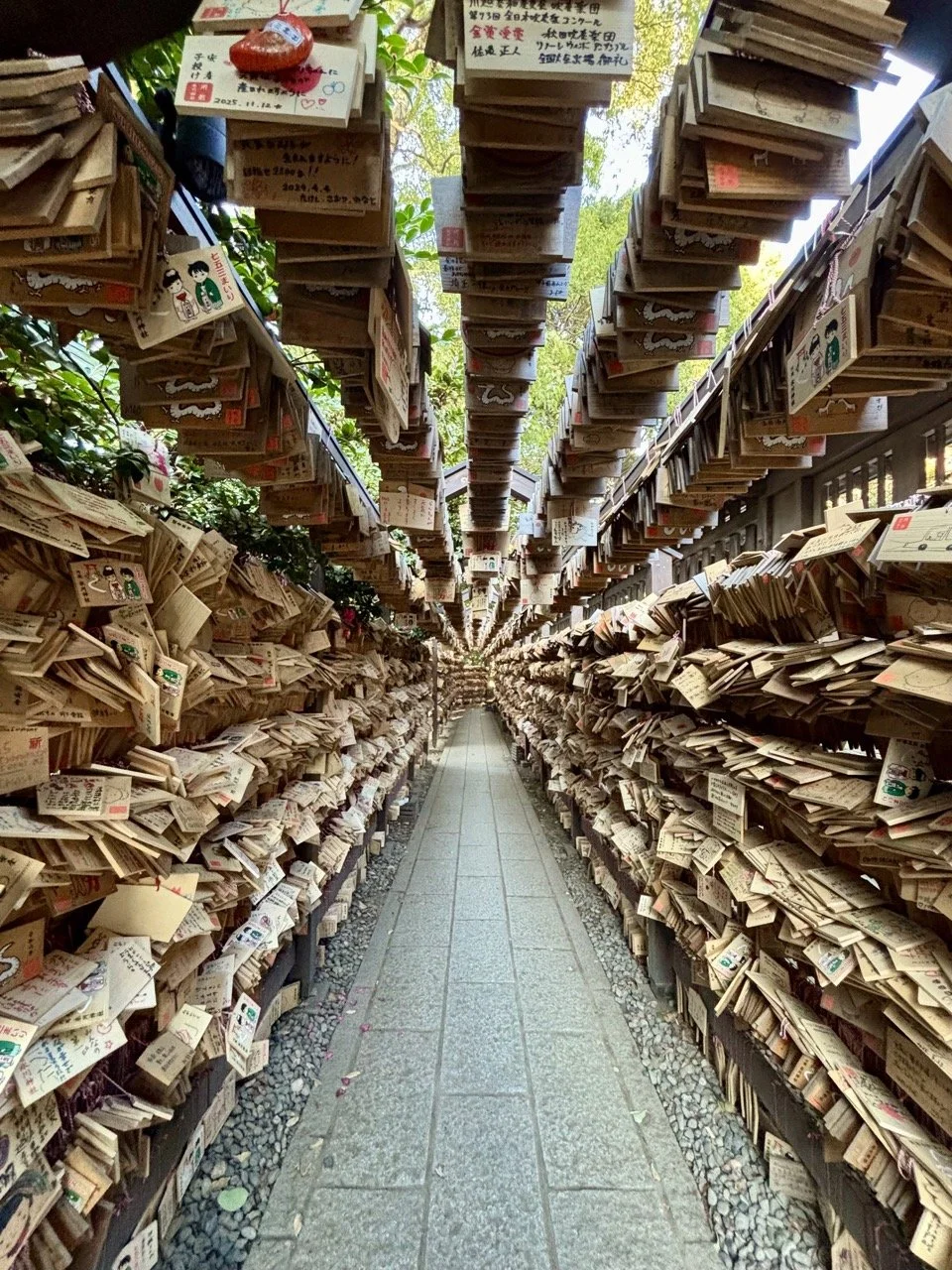
10 Best Things to Do in Kawagoe
Kawagoe is more than a traditional shopping street. From peaceful shrines and historic temples to old-fashioned candy shops and photogenic architecture, the city offers plenty to explore during a Kawagoe day trip.
1. Kawagoe Hikawa Shrine
Kawagoe Hikawa Shrine is one of the city’s most iconic attractions and a must-visit stop for first-time visitors. The shrine is associated with good relationships, family harmony and romantic fortune.
Its peaceful grounds are especially beautiful during cherry blossom season and the summer wind chime festival. The large wooden torii gate at the entrance is also one of the most recognizable photo spots in Kawagoe.
Why visit:
One of Kawagoe’s most famous matchmaking shrines
Impressive wooden torii gate
Seasonal wind chime displays
Fun tai-mikuji fortune-telling experience
Beautiful traditional Japanese architecture
Opening information:
The shrine grounds are generally accessible during the day.
The amulet and fortune-telling counters are usually open during daytime hours, often around 9:00 a.m. to 5:00 p.m.
Hours may change during festivals, New Year celebrations and seasonal events.
How to get there:
Take a local or Tobu bus from Kawagoe Station.
From Hon-Kawagoe Station, the bus ride usually takes approximately 10 to 15 minutes.
Walk approximately 10 to 15 minutes from Toki no Kane.
Walk approximately 15 to 20 minutes from the Warehouse District.
Photography tips:
Arrive between 8:00 and 9:30 a.m. for fewer people.
Use a wide-angle lens to emphasize the height of the main torii gate.
Position people beside the torii rather than directly in the center for a more natural composition.
Use a wide aperture to create soft bokeh when photographing wind chimes.
Avoid flash photography and do not block worshippers or entrances.
2. Toki no Kane Bell Tower
Toki no Kane, or the Time Bell Tower, is Kawagoe’s most recognizable landmark. The wooden bell tower has helped mark the passage of time for centuries and remains the visual symbol of Little Edo.
The surrounding streets are filled with traditional shops, cafés, sweet-potato desserts, Japanese sweets and souvenir stores.
Why visit:
Kawagoe’s most famous landmark
Historic wooden design
Located near cafés, restaurants and souvenir shops
Easy to combine with the Warehouse District and Kashiya Yokocho
Offers an authentic Little Edo atmosphere
Opening information:
The exterior can generally be viewed at any time.
The bell rings at set times, although the schedule may change.
Nearby shops commonly open from around 10:00 a.m. to 5:00 p.m., but individual hours vary.
How to get there:
Approximately 15 minutes on foot from Hon-Kawagoe Station
Approximately 25 to 30 minutes on foot from Kawagoe Station
Approximately 10 to 15 minutes on foot from Hikawa Shrine
Approximately 5 to 10 minutes on foot from the Warehouse District
Photography tips:
Visit in the morning for quieter street scenes.
Late afternoon light creates a warm glow on the wooden buildings.
Frame the tower with traditional buildings to add depth.
Include passing pedestrians, bicycles or visitors wearing kimono for a more atmospheric image.
Always remain in pedestrian areas because vehicles still use some of the streets.
3. Kawagoe Warehouse District
The Kura-zukuri Warehouse District, also known as Ichibangai, is the heart of historic Kawagoe. Traditional buildings with dark earthen walls, tiled roofs and wooden details line the street.
This is one of the best places to sample local food, shop for souvenirs and take photographs. You will find unagi restaurants, sweet-potato snacks, traditional confectionery, matcha cafés and craft shops.
Why visit:
See beautifully preserved warehouse-style buildings
Enjoy Kawagoe’s most popular local food
Buy traditional souvenirs and Japanese sweets
Take nostalgic photographs in a historic setting
Easily explore the area on foot
Opening information:
The street itself is generally accessible throughout the day.
Most shops open from approximately 10:00 a.m. to 5:00 p.m.
Popular restaurants may sell out or have long lines, especially on weekends.
How to get there:
Approximately 15 minutes on foot from Hon-Kawagoe Station
Approximately 25 to 30 minutes on foot from Kawagoe Station
Take a Kawagoe sightseeing bus to the Ichibangai area
Approximately 3 to 5 minutes on foot from Toki no Kane
Photography tips:
Arrive before 10:00 a.m. for a better chance of photographing quiet streets.
Use a wide-angle lens to capture the full length of the street.
Include shop signs, tiled roofs and dark wooden walls in your composition.
Overcast weather is ideal for photographing the details of the black walls.
Do not stand in the road, as vehicles may pass through the area.
Ask permission before photographing inside shops or taking close-up images of products.
4. Kashiya Yokocho Candy Alley
Kashiya Yokocho, or Candy Alley, is a charming lane filled with traditional sweets, colorful candies, rice crackers and nostalgic snacks. The area has a relaxed Showa-era atmosphere and is particularly popular with families and travelers who enjoy food photography.
Why visit:
Discover traditional Japanese candy and snacks
Try Kawagoe sweet-potato treats
Find unique souvenirs for children and families
Enjoy colorful, photogenic shop displays
Experience a nostalgic side of Kawagoe
Opening information:
The lane is generally accessible during the day.
Most shops open from approximately 10:00 a.m. to 5:00 p.m.
Some stores may close earlier or sell out of popular items.
How to get there:
Approximately 5 minutes on foot from Toki no Kane
Approximately 5 to 10 minutes on foot from the Warehouse District
Approximately 20 minutes on foot from Hon-Kawagoe Station
Photography tips:
Use a 35mm or 50mm lens to include both people and the surrounding street.
Photograph sweets near shop windows to take advantage of natural light.
Try overhead photographs of sweet-potato desserts and colorful candies.
Include a hand holding the snack to create a more natural travel image.
Use bright candy colors as foreground elements.
Avoid blocking the narrow walkway while taking photographs.
5. Kita-in Temple
Kita-in Temple is one of Kawagoe’s most historically important temples. It offers a quieter alternative to the busy shopping streets, with traditional buildings, gardens, stone lanterns and a peaceful atmosphere.
The temple is particularly attractive during cherry blossom season and autumn foliage season.
Why visit:
Explore Kawagoe’s Buddhist history
See historic buildings and cultural treasures
Enjoy seasonal cherry blossoms and autumn leaves
Photograph gardens, wooden structures and stone lanterns
Experience a calmer side of the city
Opening information:
Temple grounds and gardens are generally open during the daytime.
Indoor areas may have separate opening hours and admission fees.
Some areas may close temporarily for ceremonies, maintenance or special events.
How to get there:
Approximately 15 to 20 minutes on foot from Hon-Kawagoe Station
Approximately 25 to 30 minutes on foot from Kawagoe Station
Take a sightseeing bus to a stop near the temple
Approximately 20 minutes on foot from the Warehouse District
Photography tips:
Use a medium telephoto lens to photograph temple roofs framed by cherry blossoms or autumn leaves.
Use stone lanterns, trees and doorways as foreground elements.
Keep colors natural and slightly muted to reflect the temple’s quiet atmosphere.
Leave negative space when photographing gardens.
Avoid flash photography inside historic buildings.
Follow all photography restrictions around statues, artifacts and indoor exhibits.
6. Honmaru Goten
Honmaru Goten is one of the remaining structures of Kawagoe Castle. The traditional wooden building offers insight into the city’s samurai-era history and is a worthwhile addition for travelers interested in architecture and Japanese heritage.
7. Renkeiji Temple
Renkeiji Temple is a peaceful temple near the historic center. It is less crowded than some of Kawagoe’s better-known attractions and provides a quiet place to appreciate traditional Buddhist architecture and local religious culture.
8. Taisho Roman Street
Taisho Roman Street is known for its stylish early twentieth-century architecture, retro storefronts and cafés. It is a photogenic area to explore between the Warehouse District and other central attractions.
9. Kawagoe Festival Museum
The Kawagoe Festival Museum introduces visitors to the city’s famous festival tradition. Large festival floats and displays help explain the history and atmosphere of one of the region’s most important annual events.
10. Kawagoe Kumano Shrine
Kawagoe Kumano Shrine is a compact urban shrine with a lively atmosphere and interesting local customs. It is conveniently located near the central shopping area and can be visited while exploring the historic streets.
Opening hours, admission fees and seasonal displays can change. Check each attraction’s official website before visiting.
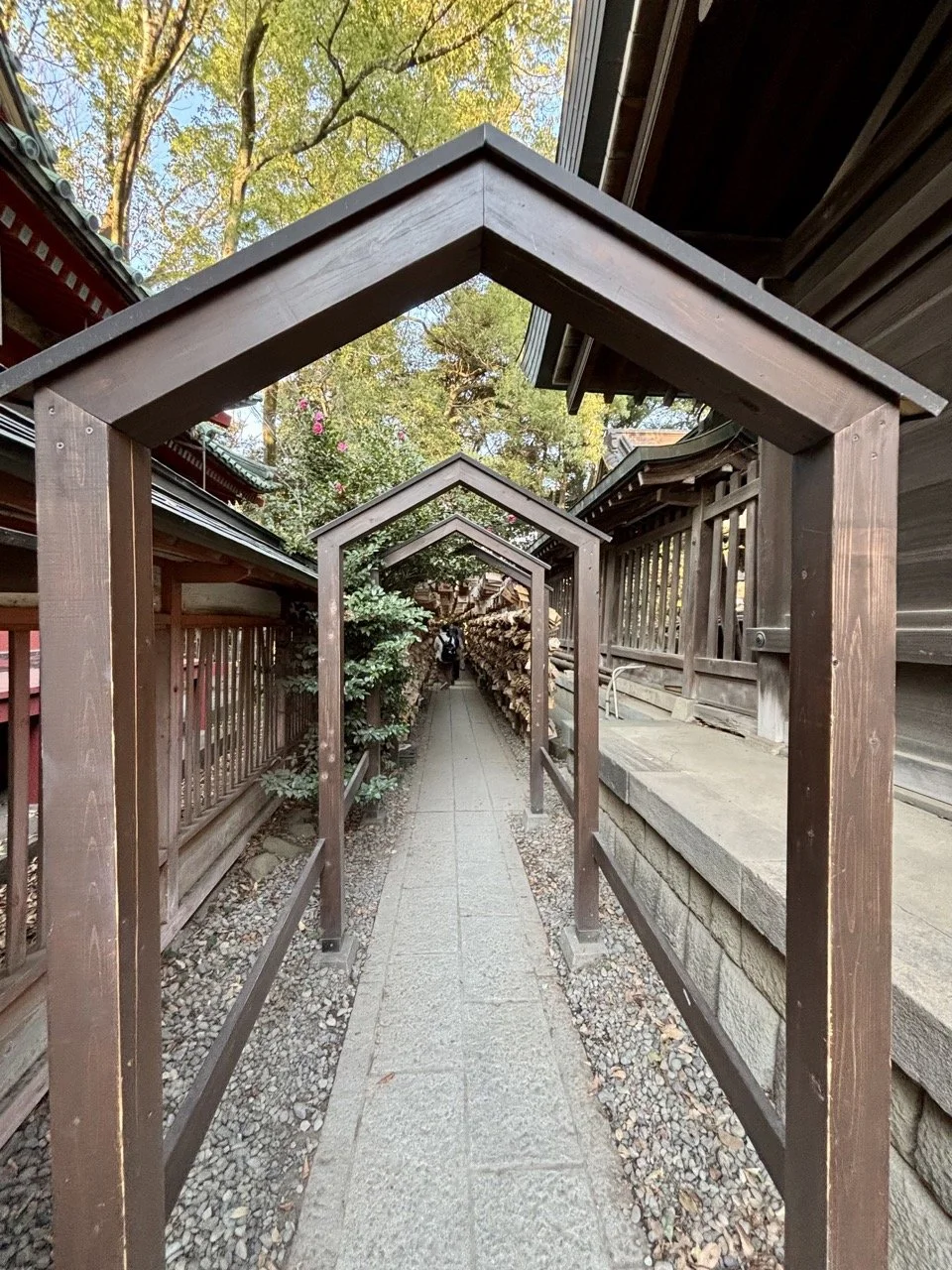
Kawagoe One-Day Itinerary
This route combines history, photography, local food and shopping without requiring excessive travel.
Morning
9:00 a.m. – Kita-in Temple
Begin your day with a peaceful visit to Kita-in Temple before the busiest sightseeing hours.
10:30 a.m. – Kawagoe Hikawa Shrine
Explore the shrine grounds, admire the large torii gate and try the tai-mikuji experience.
Midday
12:00 p.m. – Lunch in the Warehouse District
Enjoy traditional unagi, a Japanese set meal or another local specialty near Ichibangai.
Afternoon
1:30 p.m. – Toki no Kane Bell Tower
Photograph Kawagoe’s most iconic landmark and explore the surrounding shops.
2:00 p.m. – Kashiya Yokocho Candy Alley
Try traditional sweets, sweet-potato snacks and colorful Japanese candies.
3:00–5:00 p.m. – Ichibangai shopping and café time
Browse souvenirs, visit a traditional café and enjoy a sweet-potato dessert before returning to Tokyo.
Alternative route
If you prefer to avoid long walks, use the Kawagoe sightseeing bus between Kawagoe Station, Hon-Kawagoe Station and the major attractions.
How to Get to Kawagoe from Tokyo
From Ikebukuro
The most popular option is the Tobu Tojo Line. An express train from Ikebukuro to Kawagoe Station generally takes approximately 30 minutes, depending on the service.
From Shinjuku
Take the Seibu Shinjuku Line to Hon-Kawagoe Station. Limited express services generally take approximately 45 minutes, depending on the train and timetable.
Getting around Kawagoe
The main sightseeing areas can be explored on foot, but the Kawagoe sightseeing bus is useful when traveling between more distant attractions.
Consider purchasing a sightseeing bus day pass if you plan to make several bus journeys. Pass availability, prices and routes may change, so check the latest information before departure.
Kawagoe Food Guide: Five Local Restaurants and Specialties
A Kawagoe day trip is not complete without trying unagi, sweet-potato desserts and traditional Japanese sweets.
1. Hayashiya: Traditional Unagi
Hayashiya is known for traditional Japanese grilled eel served over rice. The eel is typically steamed before being grilled, creating a tender texture and rich flavor.
Recommended dish: Unaju, or grilled eel served in a lacquered box over rice
Estimated price: ¥3,000–¥5,000
Google Maps: Search for “Hayashiya Kawagoe”
Because popular unagi restaurants can become busy, check reservation policies and current opening hours in advance.
2. Koedo Osatsuan: Sweet-Potato Chips
Koedo Osatsuan is popular for its large, crispy sweet-potato chips. They are a fun snack to enjoy while exploring the historic district.
Recommended item: Extra-large fried sweet-potato chips
Estimated price: ¥500–¥1,000
Google Maps: Search for “Koedo Osatsuan Kawagoe”
Follow local etiquette and eat snacks in designated areas rather than walking through crowded streets while eating.
3. Kameya: Traditional Japanese Sweets
Kameya is a long-established confectionery shop and a good place to purchase traditional Japanese sweets and Kawagoe-inspired souvenirs.
Recommended items: Sweet-potato pudding and seasonal dorayaki
Estimated price: ¥300–¥1,500
Google Maps: Search for “Kameya Kawagoe”
4. Yano-ya: Local Eel Cuisine
Yano-ya offers eel dishes in a quieter setting and is another option for travelers looking to try traditional Kawagoe unagi.
Recommended dish: A smaller unagi rice bowl
Estimated price: ¥1,000–¥3,000
Google Maps: Search for “Yano-ya Kawagoe”
5. Sabo Kura: Café in a Traditional Building
Sabo Kura is a café-style stop where visitors can relax inside a traditional warehouse-style building.
Recommended item: Sweet-potato Mont Blanc
Estimated price: ¥1,000–¥2,000
Google Maps: Search for “Sabo Kura Kawagoe”
Restaurant names, menus, prices and opening hours may change. Confirm the latest details on Google Maps or the restaurant’s official website before visiting.
Best Time to Visit Kawagoe
Spring
Spring is ideal for cherry blossoms, mild temperatures and pleasant walking conditions. Popular areas can become busy during weekends and peak blossom periods.
Summer
Summer is a good time to experience seasonal shrine decorations, including the famous wind chime displays at Kawagoe Hikawa Shrine. However, the weather can be hot and humid.
Autumn
Autumn offers comfortable temperatures and beautiful foliage at temples and gardens, making it one of the best seasons for photography.
Winter
Winter usually brings fewer crowds and earlier sunsets. Dress warmly and plan outdoor photography for the middle of the day.
For the best chance of photographing quiet streets, visit on a weekday and arrive before 10:00 a.m.
Kawagoe Photography Tips
Arrive early to photograph the Warehouse District with fewer people.
Visit the most popular streets before 10:00 a.m.
Use a wide-angle lens for traditional streets and large torii gates.
Use a medium telephoto lens for temple roofs, gardens and architectural details.
Include pedestrians, bicycles or kimono-clad visitors to create a sense of place.
Overcast weather can produce soft light and reveal details in dark wooden buildings.
Ask permission before photographing inside shops or restaurants.
Do not use flash in temples, shrines or historic buildings unless permitted.
Avoid standing in the middle of the road, as some historic streets remain open to traffic.
Wear comfortable shoes because much of Kawagoe is best explored on foot.
Kawagoe Travel FAQ
How many days do I need in Kawagoe?
One day is enough to visit the main attractions, explore the historic streets and sample several local specialties. An overnight stay is worthwhile if you want to enjoy Kawagoe after the day-trippers leave.
Do I need to reserve a restaurant in Kawagoe?
Reservations are recommended for popular unagi restaurants, especially on weekends and public holidays. Check the restaurant’s official website or reservation platform one to two weeks before your visit when possible.
Is Kawagoe suitable for families with children?
Yes. Kawagoe is family-friendly, with walkable streets, colorful sweets, historic sites and plenty of casual food options. Keep children close to adults in busy shopping areas and near roads.
Where should I stay in Kawagoe?
If you plan to stay overnight, Kawagoe Station and Hon-Kawagoe Station are the most convenient areas for transportation, restaurants and access to the historic district.
What is the best sweet-potato snack in Kawagoe?
Popular choices include freshly fried sweet-potato chips, sweet-potato ice cream, sweet-potato pudding and traditional Japanese sweets made with local sweet potatoes.
Is Kawagoe worth visiting as a day trip from Tokyo?
Absolutely. Kawagoe combines historic architecture, temples, shrines, traditional food and shopping in a compact area. It is one of the most convenient cultural day trips from Tokyo.
Final Thoughts
Kawagoe offers an easy and memorable escape from modern Tokyo. In just one day, you can admire the red torii gate at Kawagoe Hikawa Shrine, hear the historic bell at Toki no Kane, stroll through the black-walled Warehouse District, sample sweet-potato treats at Candy Alley and enjoy traditional unagi.
Whether you are interested in Japanese history, architecture, photography or local food, this Kawagoe one-day itinerary makes it easy to explore the best of Little Edo.
Start planning your Tokyo to Kawagoe day trip and discover a charming side of Japan where history, culture and delicious food come together.
About the Author | Toto Kuo
I’m Toto Kuo, a Taiwan-born photographer and traveler now based in Santorini, Greece. After exploring 80+ countries and living abroad in Canada, New York, and Paris, I settled in Oia, where I run Karma Greek Restaurant and a Santorini wedding photography studiowith my Greek husband.
Here I share my passions for photography, travel, food, and culture — from Greek islands travel guides and Greek island hopping tips to local food recommendations and secret photo spots. If you’re planning a trip to Santorini or looking for wedding photography inspiration, I’d love to help you capture the island’s magic.
