
Please see English version below
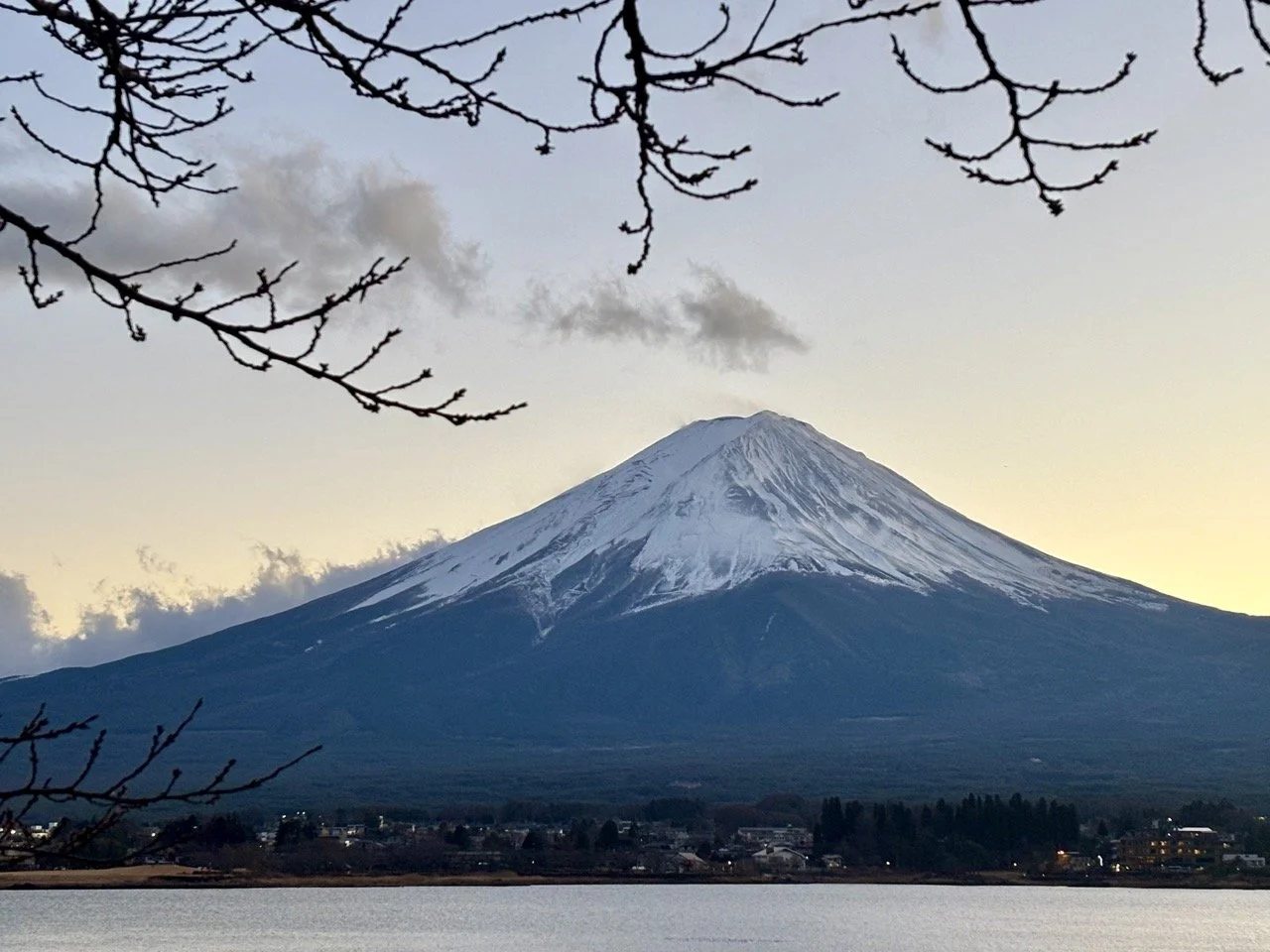
準備好展開一趟遠離都市喧囂的療癒之旅了嗎?日本箱根旅遊與河口湖行程的結合,絕對是體驗大自然與放鬆身心的首選。從箱根的頂級溫泉,到河口湖眺望絕美富士山的震撼,這份箱根河口湖3日遊詳細攻略,將為您解決交通規劃、景點安排到必吃美食的所有煩惱,助您輕鬆完成一趟完美的日本近郊自由行。
目錄
為什麼箱根河口湖是日本近郊旅遊的首選?
關於箱根與河口湖的 5 個有趣冷知識
攝影愛好者必訪:Top 5 富士山與箱根景點
完美 3 日行程推薦:箱根進、河口湖出
交通方式與省錢秘訣
住宿建議:溫泉飯店還是湖景旅館?
Top 5 推薦餐廳與在地美食
最佳旅行時間與攝影 Tips
常見問題 FAQ (Frequently Asked Questions)
為什麼箱根河口湖是日本近郊旅遊的首選?
如果您正在規劃箱根河口湖行程,以下 5 個理由絕對會讓您立刻下訂機票:
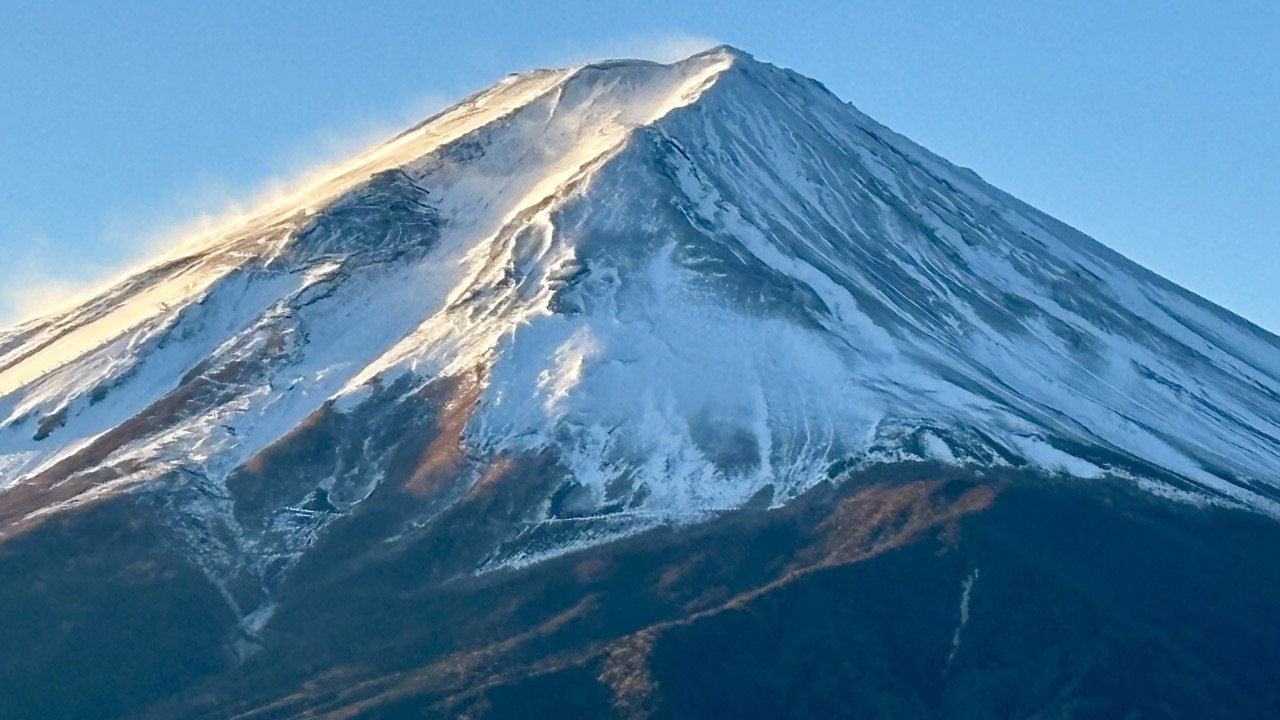
絕佳的富士山視角: 河口湖是近距離觀賞並拍攝富士山最熱門的地點。
頂級溫泉體驗: 箱根擁有豐富的泉質,是日本最具代表性的溫泉鄉。
交通便利: 從東京出發,藉由便捷的電車與巴士系統,即可輕鬆抵達這兩個熱門的日本近郊自由行目的地。
豐富的文化體驗: 除了自然景觀,箱根還有許多美術館,河口湖則充滿湖畔藝術氛圍。
美食享受: 在地特色美食與精緻的溫泉旅館懷石料理,為旅程畫龍點睛。
關於箱根與河口湖的 5 個有趣冷知識
在出發前,了解這些小故事,會讓您的箱根旅遊更有深度:
箱根曾是交通要道: 江戶時代的「箱根關所」是控制進入江戶的重要關卡,充滿歷史故事。
河口湖是富士五湖中湖岸線最長的: 因為形狀彎曲,所以從不同角度都能拍到不同風貌的富士山。
箱根的海賊船其實是為了觀光: 在蘆之湖上運行的海賊船是特別打造的觀光工具,旨在提供旅客從湖上眺望富士山的視角。
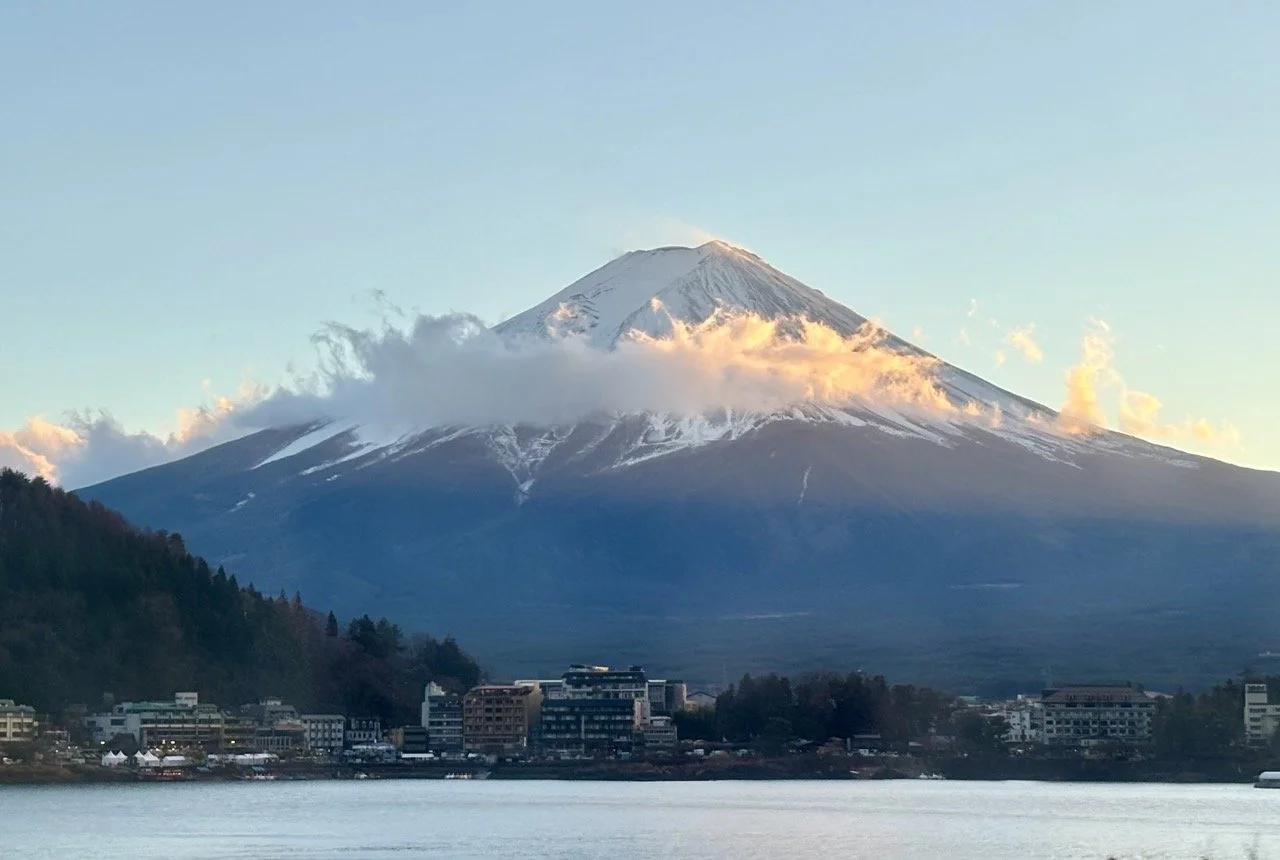
富士山並非每天都露面: 即使是好天氣,富士山也常害羞地躲在雲層後面,能看見全貌需要運氣!
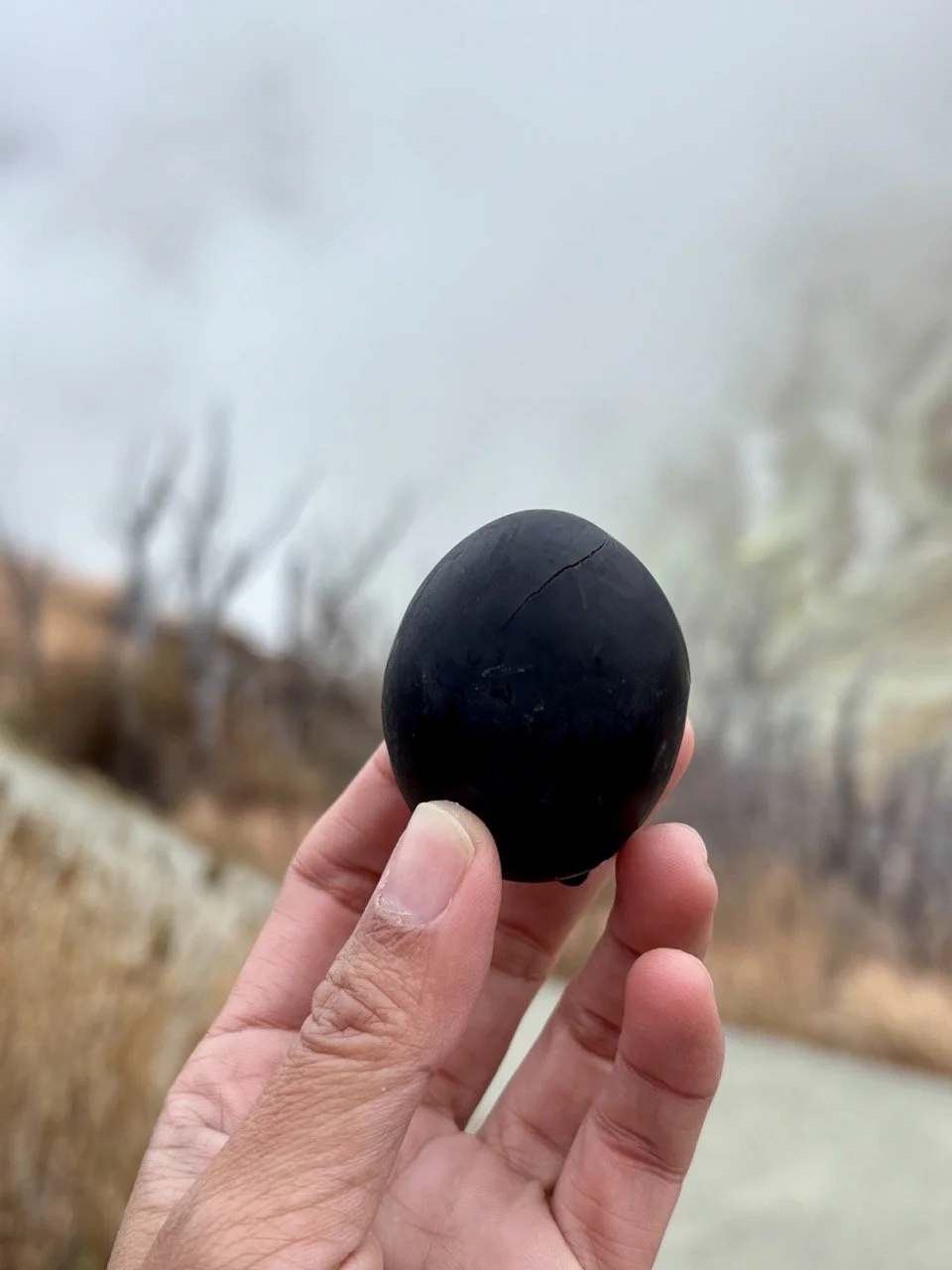
箱根有「黑色雞蛋」: 在大涌谷利用溫泉地熱煮熟的雞蛋,據說吃一顆能延壽七年。
鏡頭下的富士山與箱根:攝影師不可錯過的 10 個經典取景地
富士山與箱根,是攝影師心中的夢想聖地。無論是季節更迭的花海,還是壯麗的地標,這裡充滿了無數令人屏息的畫面。這篇指南為您精選了 10 個必訪景點,並提供實用的拍攝建議,幫助您拍出更具故事感與專業度的作品。
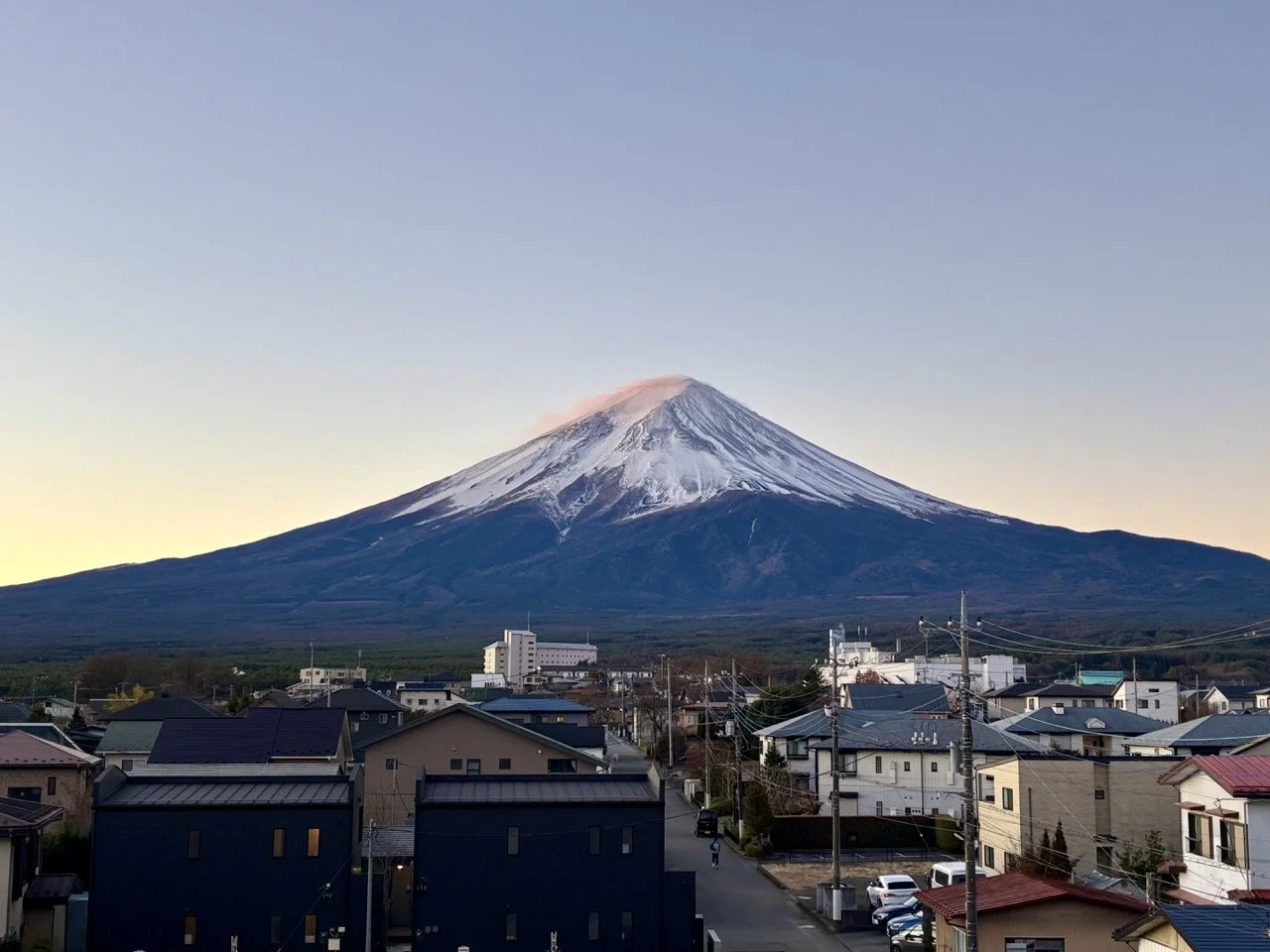
1. 新倉山淺間公園 (河口湖)
推薦原因: 這是富士山最標誌性的畫面。五重塔(忠靈塔)佇立於富士山前,是極具代表性的日式風景。
開放時間: 全年開放(建議 05:00 - 08:00 前往,避開擁擠人潮並擁有最佳光線)。
交通方式: 從富士急行線「下吉田站」步行約 15 分鐘(需爬一段階梯)。
拍攝小技巧: 建議使用 70-200mm 長焦鏡頭進行「空間壓縮」,讓五重塔與富士山的距離感縮小,視覺震撼力更強。
2. 下吉田本町通 (河口湖)
推薦原因: 一條平凡的街道卻直接正對富士山,呈現出一種強烈的城市與自然對比,極具電影感。
開放時間: 全天開放。
交通方式: 從「下吉田站」步行約 5 分鐘即可抵達本町通。
拍攝小技巧: 使用長焦鏡頭在街道中段拍攝,將富士山「拉」到道路盡頭,並善用街道的引導線將觀眾視線聚焦。
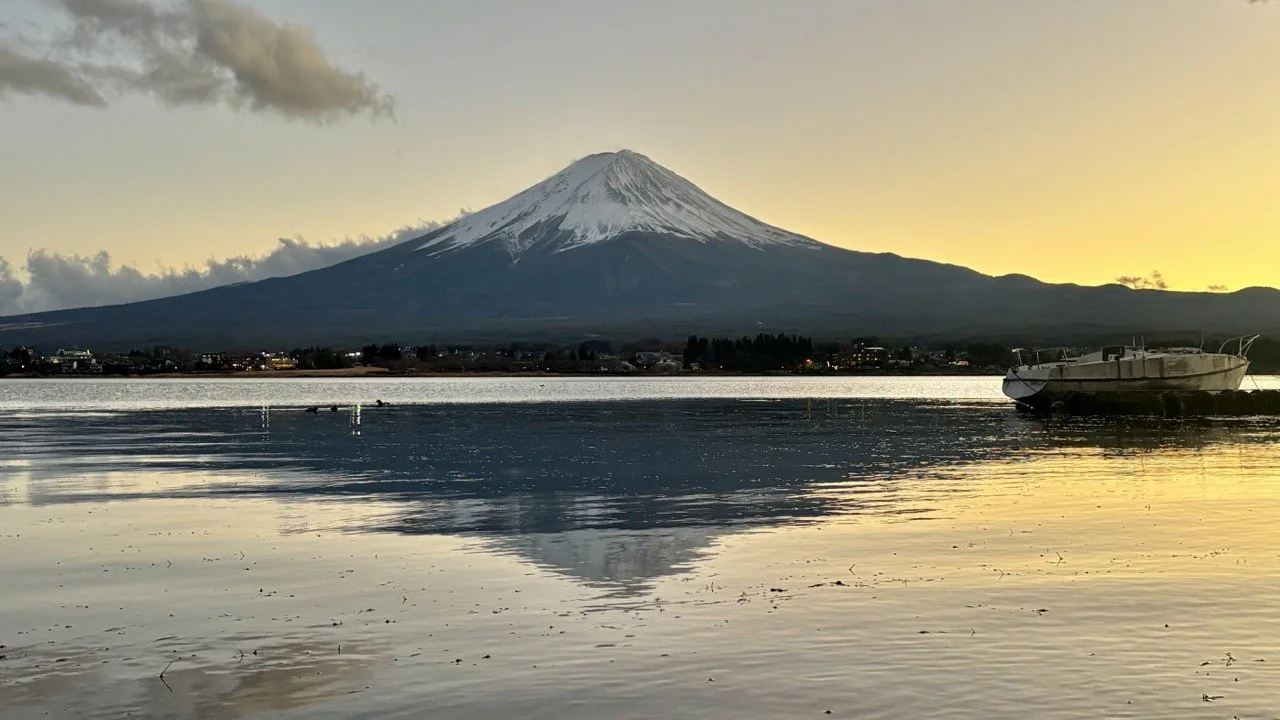
3. 大石公園 (河口湖)
推薦原因: 湖畔絕佳位置,前景花卉隨四季更換,背景則是雄偉的富士山,構圖層次豐富。
開放時間: 全天開放。
交通方式: 搭乘河口湖周遊巴士(紅線)至「河口湖自然生活館」。
拍攝小技巧: 貼近地面拍攝(低角度),將花卉作為前景,增加畫面的深度與色彩飽和度。
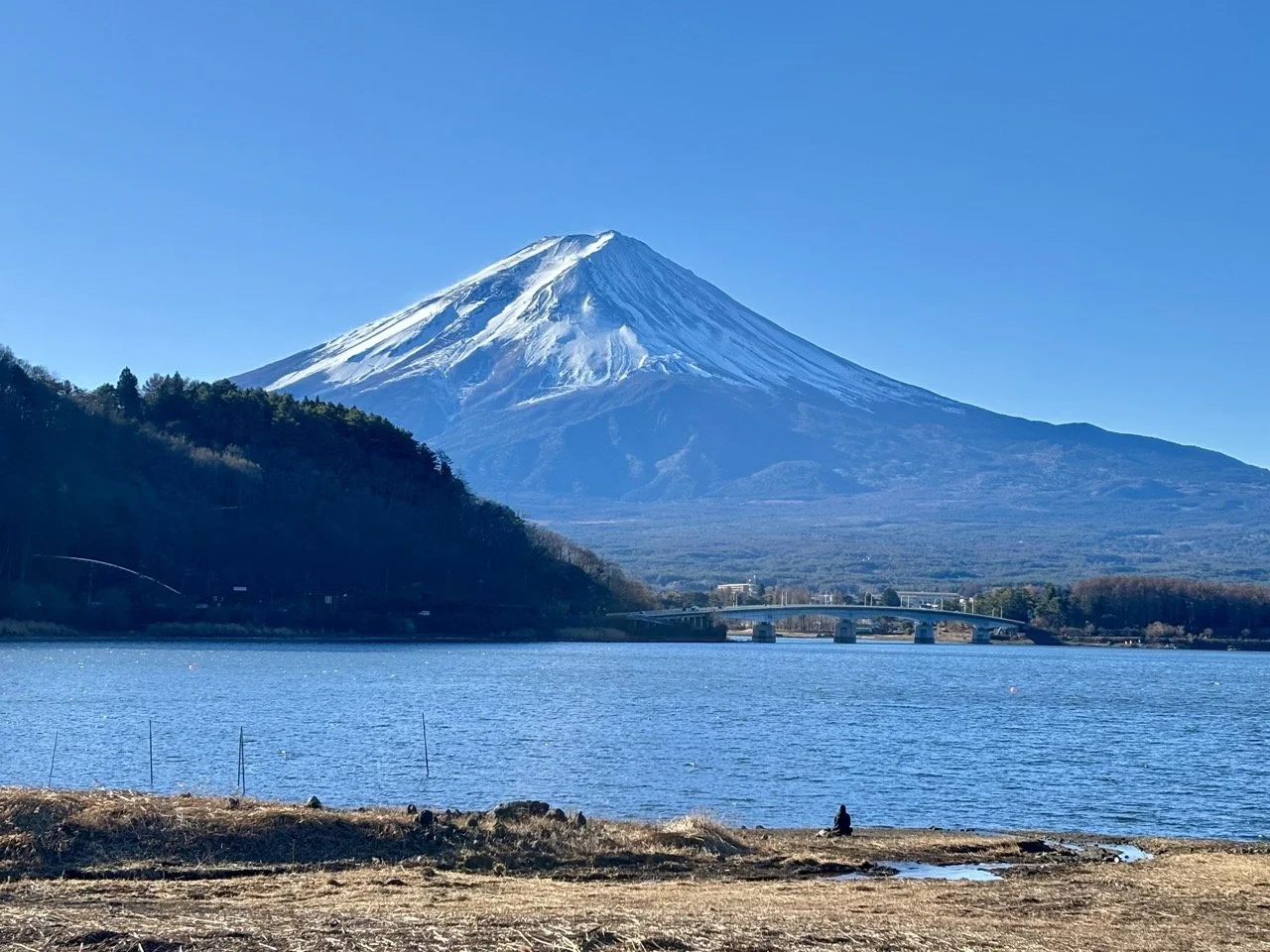
4. 產屋崎 (河口湖)
推薦原因: 富士山與河口湖大橋的經典框景,常見於攝影作品中,適合呈現富士山的宏大。
開放時間: 全天開放。
交通方式: 搭乘河口湖周遊巴士(紅線)至「產屋崎」。
拍攝小技巧: 建議使用三腳架進行長曝光(ND 濾鏡),將湖面拍出鏡面般的平靜感,並記錄下橋樑的線條。
5. 忍野八海 (富士山周邊)
推薦原因: 由富士山融雪形成的湧泉群,清澈見底,配上傳統茅草屋,具有深厚的歷史人文底蘊。
開放時間: 全天開放。
交通方式: 從河口湖站搭乘富士急行巴士至「忍野八海」。
拍攝小技巧: 必備 CPL(偏光鏡)以消除水面反光,拍出清澈透亮的水底細節。
6. 箱根神社水上鳥居 (箱根)
推薦原因: 佇立於蘆之湖中的朱紅色「平和鳥居」,在雲霧繚繞時顯得極其神秘與莊嚴。
開放時間: 全天開放。
交通方式: 搭乘箱根海賊船至「元箱根港」後,步行約 10 分鐘。
拍攝小技巧: 建議清晨前往,湖面最平靜,極易拍到鳥居在湖面的完美倒影。
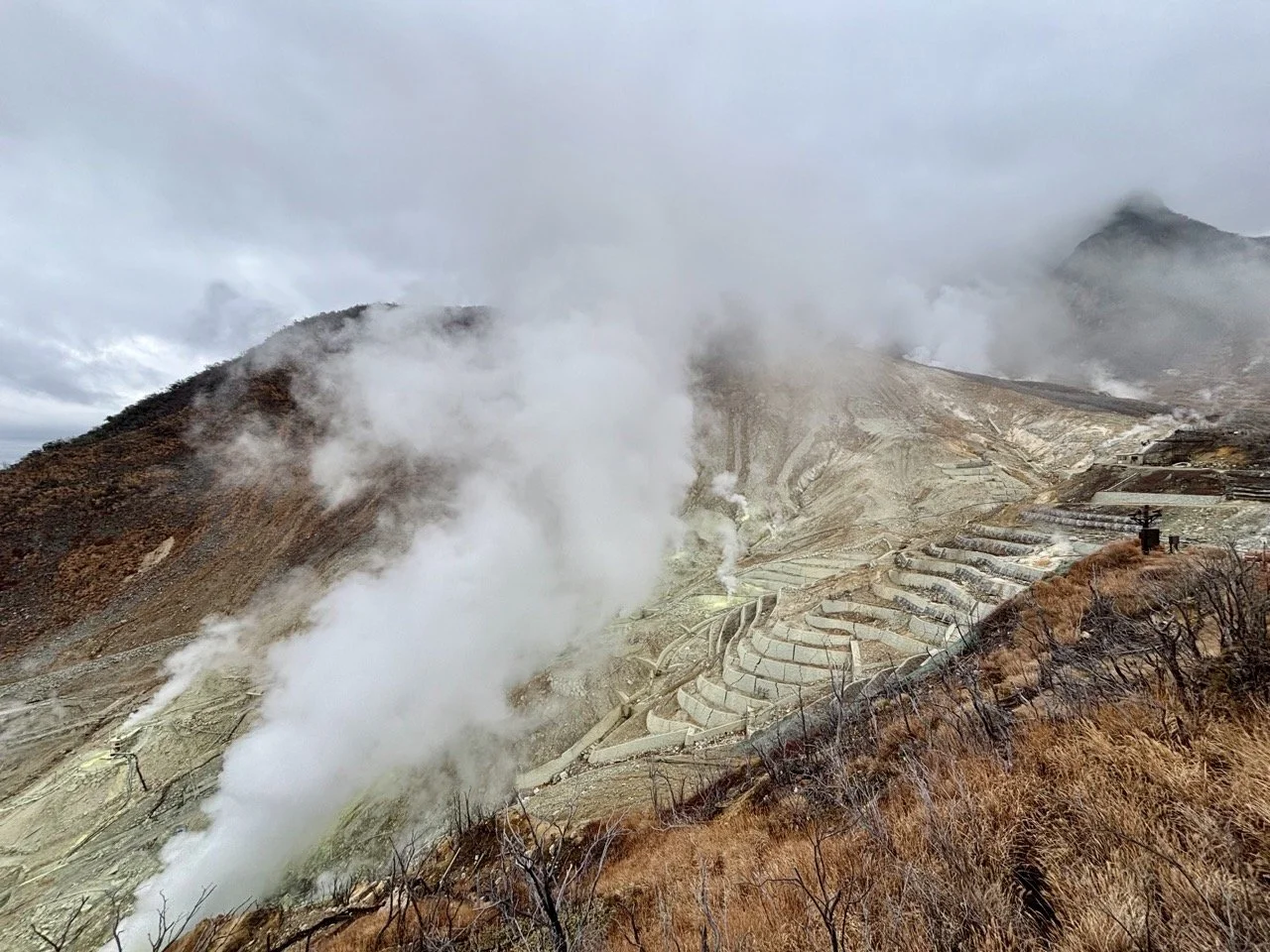
7. 大涌谷 (箱根)
推薦原因: 壯觀的火山噴發遺址,可以拍攝到濃烈地熱蒸氣與荒涼火山地貌的震撼畫面。
開放時間: 09:00 - 17:00(視火山狀況調整,建議出發前查詢官網)。
交通方式: 搭乘箱根空中纜車至「大涌谷站」。
拍攝小技巧: 利用蒸氣形成的線條與對比強烈的岩石紋理,選擇較快快門速度捕捉蒸氣的動態紋理。
8. 恩賜箱根公園 (箱根)
推薦原因: 地勢較高,能俯瞰整個蘆之湖全景,天氣晴朗時,遠方的富士山與蘆之湖的絕景盡收眼底。
開放時間: 全天開放。
交通方式: 從「元箱根港」步行約 10-15 分鐘。
拍攝小技巧: 適合使用廣角鏡頭拍攝大氣磅礴的景觀照片,將湖水、遠山、以及公園的西洋館一併納入構圖。
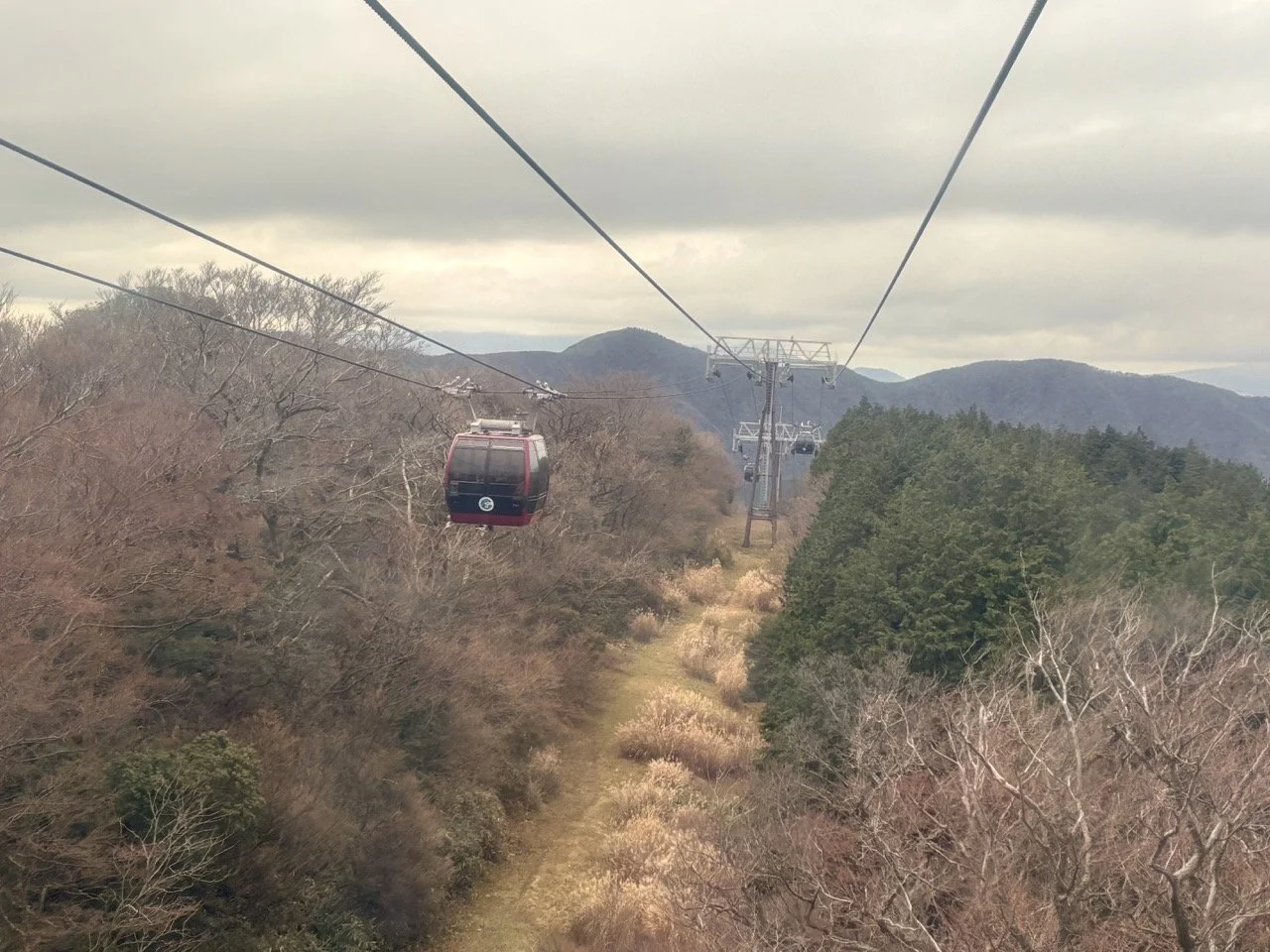
9. 箱根駒岳纜車頂 (箱根)
推薦原因: 可拍攝到 360 度的遼闊箱根山脈全景,視野無阻礙,雲海發生率高。
開放時間: 09:00 - 16:30(視天氣狀況)。
交通方式: 搭乘箱根園駒岳纜車前往。
拍攝小技巧: 若遇雲海,長焦拍攝雲層穿梭在山巒間的畫面,極具意境;若天氣極佳,則進行全景拼圖。
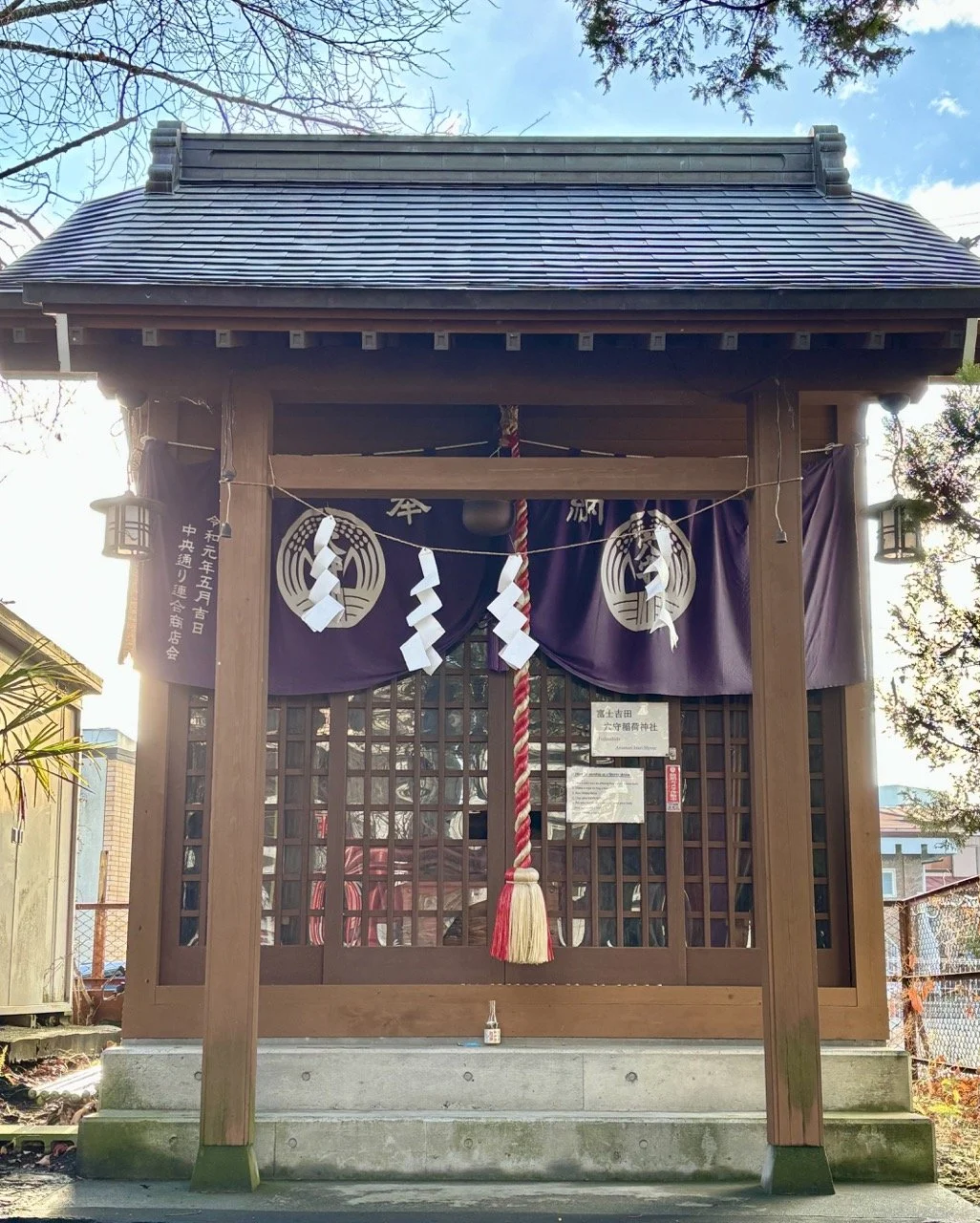
10. 河口湖淺間神社 (河口湖周邊)
推薦原因: 古樸、莊嚴且安靜,神社建築帶有神聖感,與遠處巨大的富士山形成絕佳對比。
開放時間: 全天開放。
交通方式: 建議自駕或由河口湖車站搭乘計程車前往最為便利。
拍攝小技巧: 利用神社的木造鳥居或樹木作為畫框,增加構圖的縱深感與故事性,適合長焦段壓縮取景。
💡 攝影小叮嚀:
時間規劃: 富士山在清晨和傍晚最為清晰,且空氣品質較佳,切記早起。
裝備建議: 務必攜帶三腳架,特別是在拍攝長曝光或晨昏時;ND 減光鏡和 CPL 偏光鏡是風景攝影的利器。
即時資訊: 富士山的清晰度受天氣影響極大,建議隨時透過 fujigoko.tv 確認現場狀況再前往。
完美 3 日行程推薦:箱根進、河口湖出
這是一條最順暢的箱根河口湖行程路線:
第 1 天:箱根溫泉療癒之旅
從新宿搭乘「小田急浪漫特快」抵達箱根湯本。
搭乘登山電車、纜車遊覽強羅、大涌谷。
入住箱根溫泉旅館,享受懷石料理與溫泉。
第 2 天:箱根遊湖與前往河口湖
遊覽蘆之湖,搭乘海賊船、參拜箱根神社。
下午搭乘「箱根登山巴士」翻越山嶺前往御殿場,再轉車至河口湖。
晚上入住河口湖畔旅館,欣賞富士山夜景。
第 3 天:河口湖深度遊與歸途
晨起前往新倉山淺間公園拍攝清晨富士山。
逛逛大石公園、音樂盒之森美術館。
下午搭乘富士回遊電車或高速巴士返回東京。
交通方式與省錢秘訣
箱根 Free Pass: 若要在箱根深度旅遊,購買這張票券可無限次搭乘箱根地區的電車、巴士、纜車與海賊船,非常划算。
富士回遊 (Fuji Excursion): 是從新宿直達河口湖最快的電車,需事先預訂。
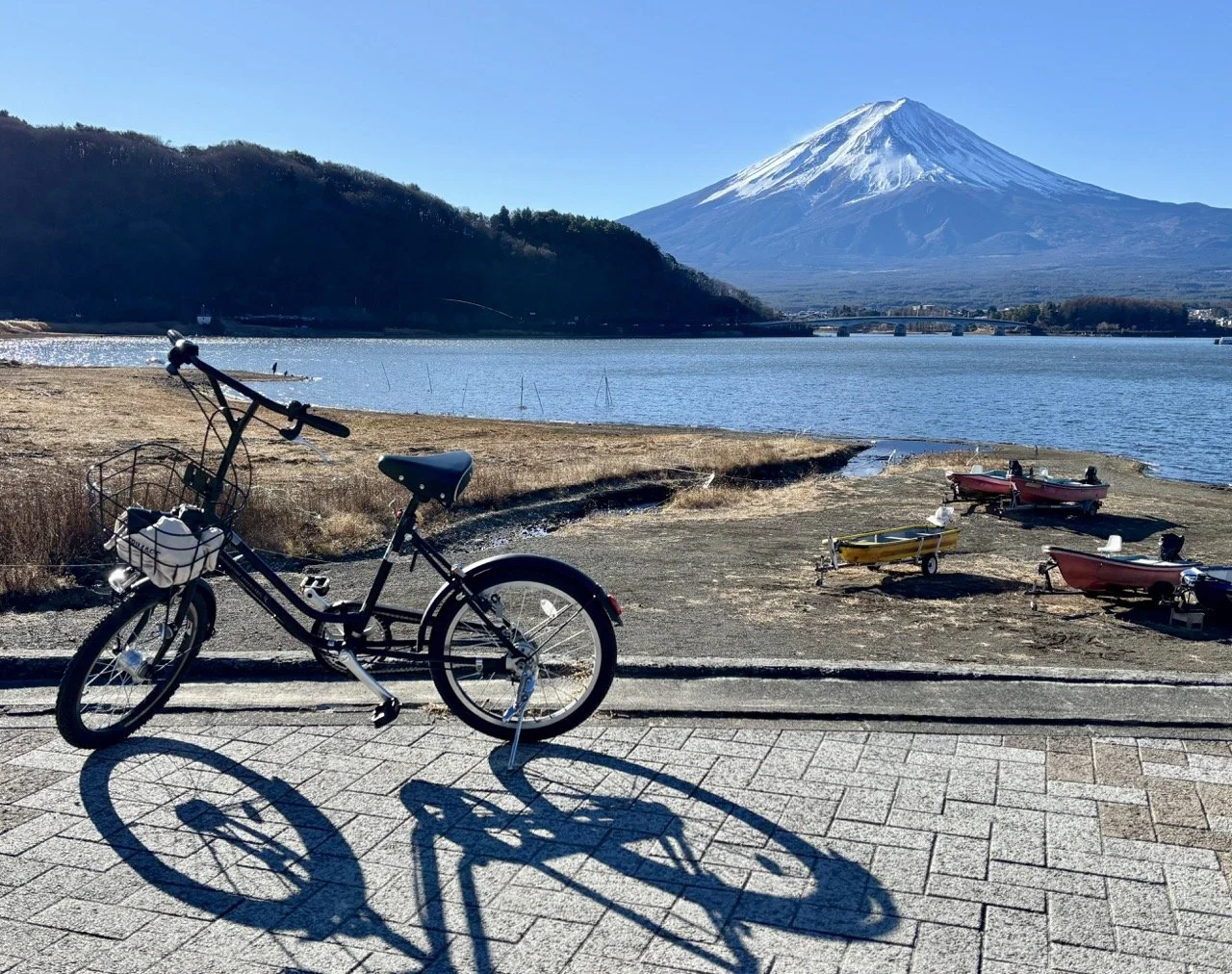
河口湖周遊巴士: 若不自駕,這是遊覽河口湖各景點最方便的方式,建議購買 1 日券或 2 日券。
住宿建議
箱根: 推薦選擇「箱根湯本」或「強羅」地區的溫泉旅館,方便交通且泉質優良。
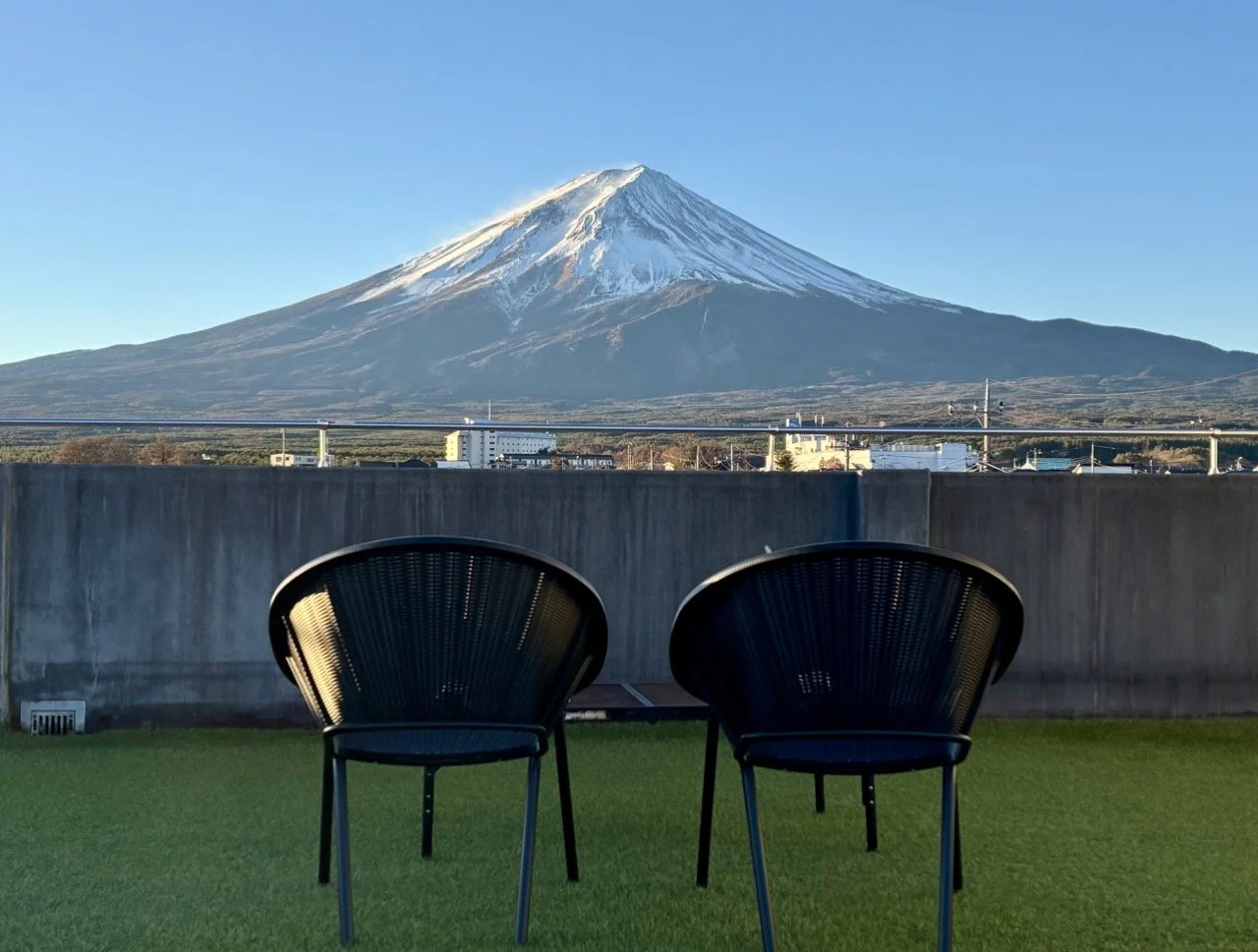
河口湖: 務必選擇「湖畔」的旅館,最好能確認房間內可直接看見富士山,晨起看「逆富士」是無價體驗。
Top 5 推薦餐廳與美食
這些餐廳在 Google Maps 上評價極高,請務必排入行程:
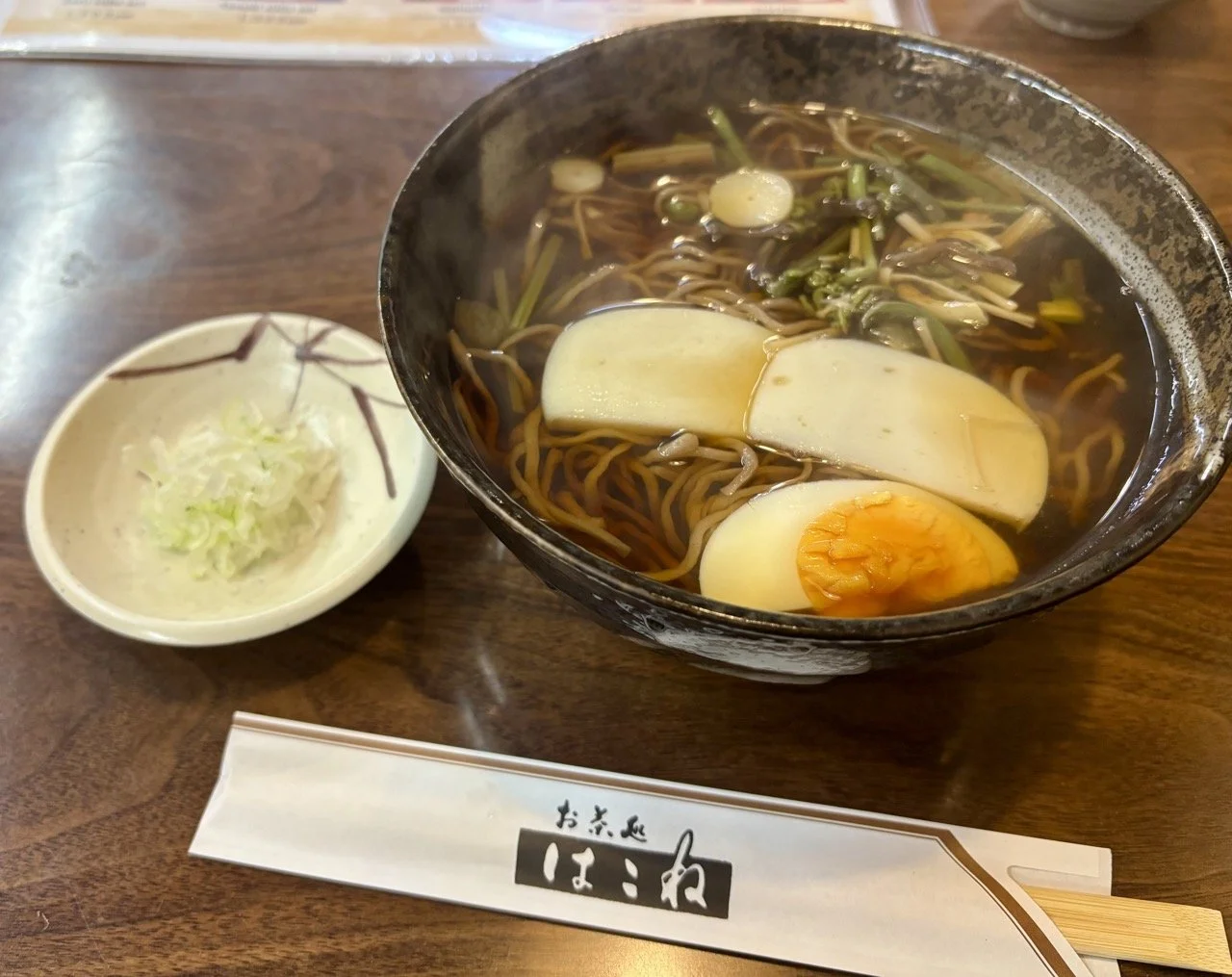
箱根:初花蕎麥麵 (Hatsuhana Soba)
推薦原因:箱根最具代表性的手工蕎麥麵,口感Q彈。
必吃餐點:自然薯蕎麥麵。
價位:約 1,500 - 2,500 日圓。
交通:從箱根湯本站步行即可到達,Google Maps 搜尋「初花蕎麥麵」。
箱根:餃子中心 (Gyoza Center)
推薦原因:位於強羅,提供各種創意內餡的餃子,非常適合登山後補充體力。
必吃餐點:各式手工餃子定食。
價位:約 1,000 - 2,000 日圓。
交通:靠近強羅站,Google Maps 搜尋「餃子中心」。
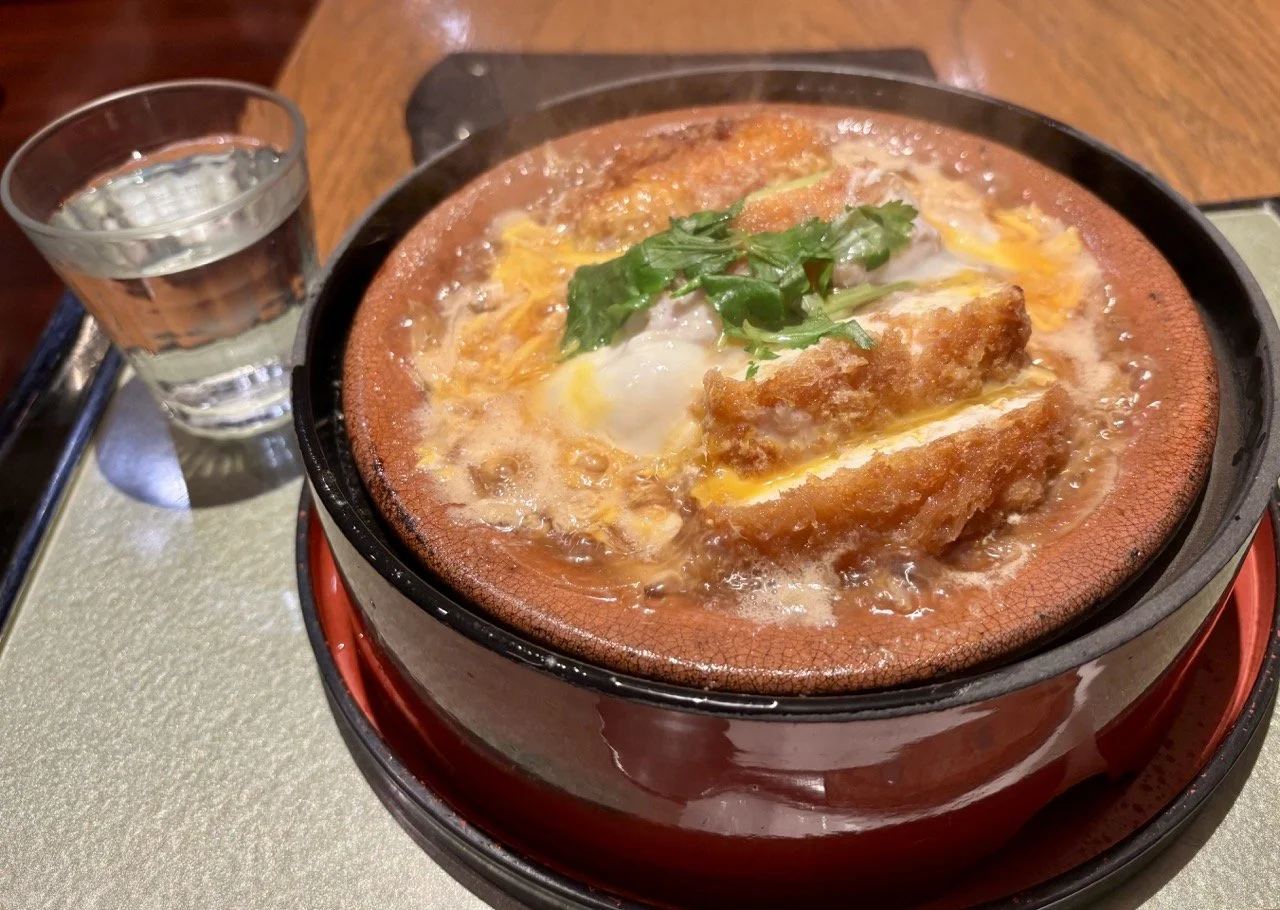
河口湖:不動茶屋 (Houtou Fudou)
推薦原因:河口湖必吃的在地名物「餺飥麵」,湯頭濃郁。
必吃餐點:不動餺飥麵。
價位:約 1,200 - 1,800 日圓。
交通:河口湖站前有分店,Google Maps 搜尋「不動茶屋」。
河口湖:CISCO (Cafe & Restaurant)
推薦原因:擁有絕佳的富士山與湖景視野,咖啡與甜點品質極佳。
必吃餐點:精緻午餐與手作蛋糕。
價位:約 1,500 - 3,000 日圓。
交通:鄰近大石公園,Google Maps 搜尋「CISCO 河口湖」。
河口湖:燒肉 SAKURA
推薦原因:提供高品質的日本和牛,適合犒賞辛苦旅遊的一天。
必吃餐點:和牛拼盤。
價位:約 4,000 - 8,000 日圓。
交通:近河口湖站,Google Maps 搜尋「燒肉 SAKURA」。
最佳旅行時間與攝影 Tips
最佳時間: 秋季(11月)紅葉與富士山搭配最美;冬季(1-2月)天氣晴朗,看見富士山的機率最高。
攝影 Tips:
一定要帶腳架,因為富士山攝影常需要長曝光。
注意天氣預報,使用「富士山即時攝影機」網站查看現場狀況。
清晨與傍晚的光線最柔和,最適合拍攝富士山。
常見問題 FAQ
Q: 箱根河口湖3日遊預算大概多少? A: 包含住宿與交通,每人預算建議準備約 4 萬至 7 萬日圓(不含機票),視您的住宿等級而定。
Q: 沒有自駕,玩得順嗎? A: 完全沒問題!箱根的 Free Pass 和河口湖的周遊巴士系統非常成熟。
Q: 去富士山旅遊最怕什麼? A: 最怕天氣不好!建議排鬆一點的行程,如果遇到下雨或陰天,可以轉向美術館或室內設施參觀。
這趟箱根河口湖3日遊,將會是您日本旅行中最難忘的記憶之一。從溫泉的療癒到富士山的壯麗,每一處都值得您細細品味。現在就參考這份詳細攻略,規劃您的日本近郊自由行吧!
關於作者|Toto Kuo
大家好,我是 Toto Kuo,來自台灣,目前定居在浪漫的 希臘聖托里尼。身為一名熱愛探索的攝影師與旅人,我曾以背包客的身分走遍 超過 80 個國家,並曾旅居 加拿大、紐約、巴黎,且在 4 個國家打工度假,用旅行的方式體驗世界的多元文化。
目前,我與希臘先生在聖托里尼一起經營一家 希臘餐廳 Karma與 聖托里尼婚紗攝影工作室,同時把我最熱愛的攝影、旅行、美食與文化分享給更多人。無論是 希臘小島推薦、聖托里尼完整攻略、在地美食推薦、咖啡館探訪、旅遊攝影指南,和自由行的行程安排,我都會透過文字與影像帶你親身感受。
Hakone and Lake Kawaguchi 3-Day Itinerary: The Ultimate Mount Fuji Travel Guide
Ready to escape the crowds of Tokyo and enjoy a relaxing journey surrounded by mountains, hot springs and breathtaking views?
Combining Hakone travel with a Lake Kawaguchi itinerary is one of the best ways to experience Japan’s natural beauty. From relaxing in a traditional onsen ryokan to photographing Mount Fuji beside Lake Kawaguchi, this Hakone and Mount Fuji 3-day itinerary covers everything you need to plan a memorable trip.
This guide includes the best attractions, transportation options, hot spring accommodation, local food, photography tips and practical advice for an unforgettable Japan countryside getaway.
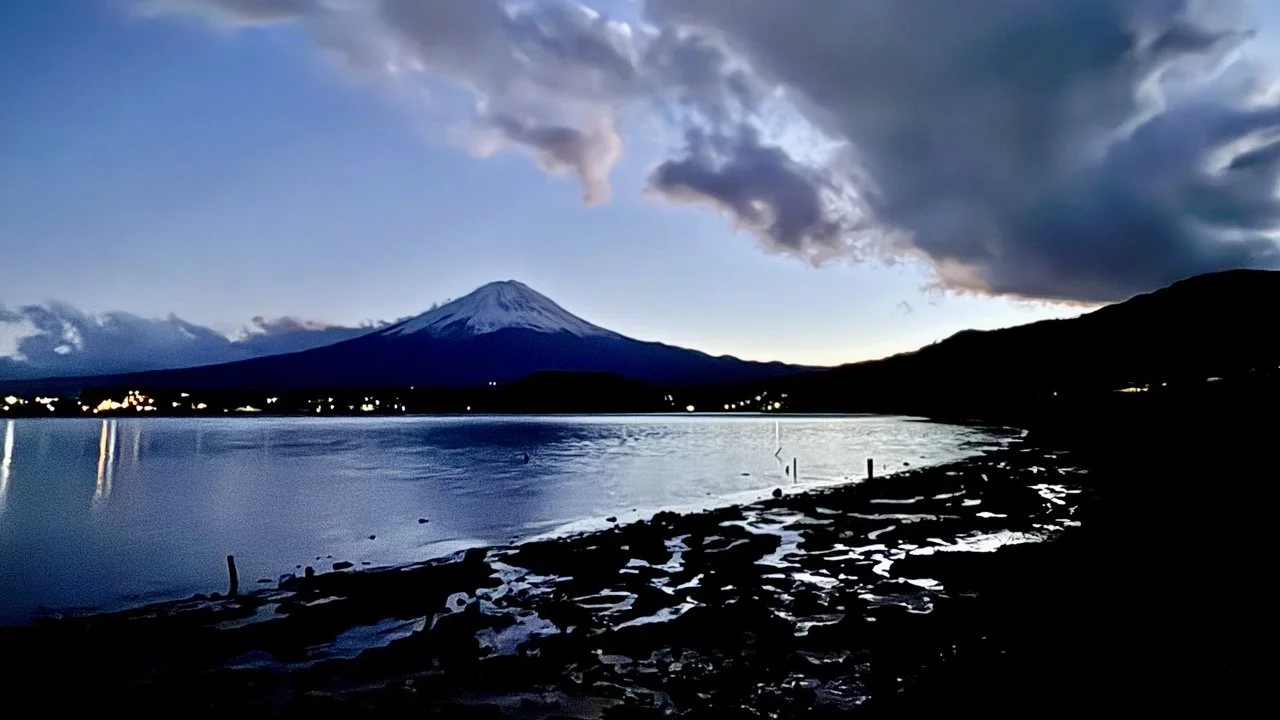
Table of Contents
Why Visit Hakone and Lake Kawaguchi?
Five Interesting Facts About Hakone and Mount Fuji
Top 10 Photography Spots
Recommended 3-Day Itinerary
Transportation and Money-Saving Tips
Where to Stay
Top 5 Restaurants and Local Foods
Best Time to Visit
Mount Fuji Photography Tips
Frequently Asked Questions
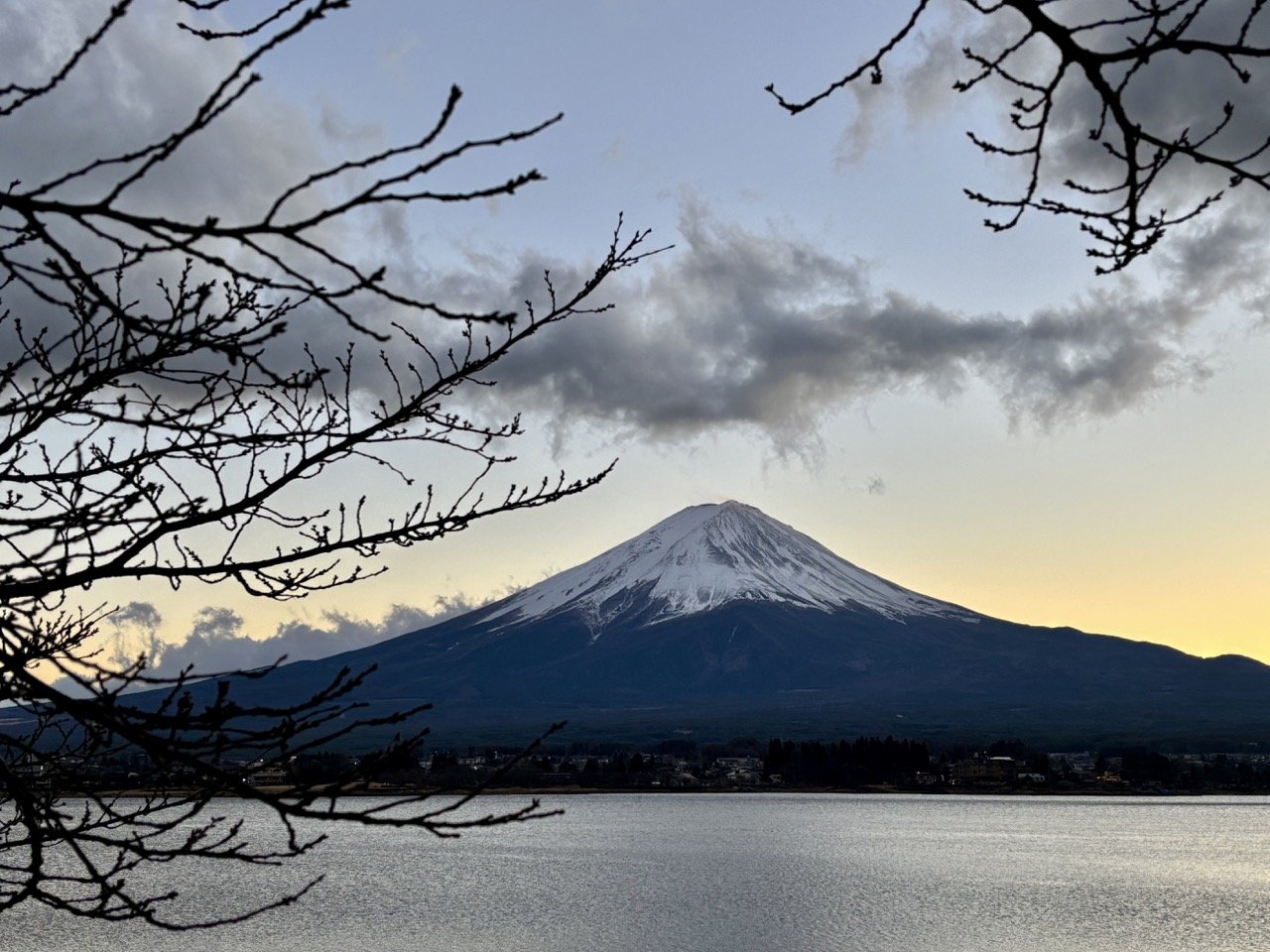
Why Hakone and Lake Kawaguchi Are Perfect for a Japan Getaway
If you are planning a Hakone Lake Kawaguchi itinerary, these five reasons make this region an excellent choice for a short trip from Tokyo.
1. Exceptional Mount Fuji Views
Lake Kawaguchi is one of the most popular places to admire and photograph Mount Fuji. The lake offers a wide range of viewpoints, from flower gardens and peaceful shorelines to traditional Japanese streets.
2. Relaxing Hot Spring Experiences
Hakone is one of Japan’s most famous hot spring destinations. After a day of sightseeing, soaking in a natural onsen surrounded by mountains is the perfect way to relax.
3. Easy Access from Tokyo
Hakone and Lake Kawaguchi can both be reached from Tokyo by train and bus. With the right passes and reservations, this route is suitable for travelers without a rental car.
4. Nature, Art and Japanese Culture
Hakone is known for its museums, historic sites and scenic transport routes. Lake Kawaguchi combines mountain views with lakeside gardens, traditional shrines and atmospheric towns.
5. Excellent Local Cuisine
The region offers everything from handmade soba and hearty houtou noodles to ryokan kaiseki cuisine and locally sourced Japanese beef.
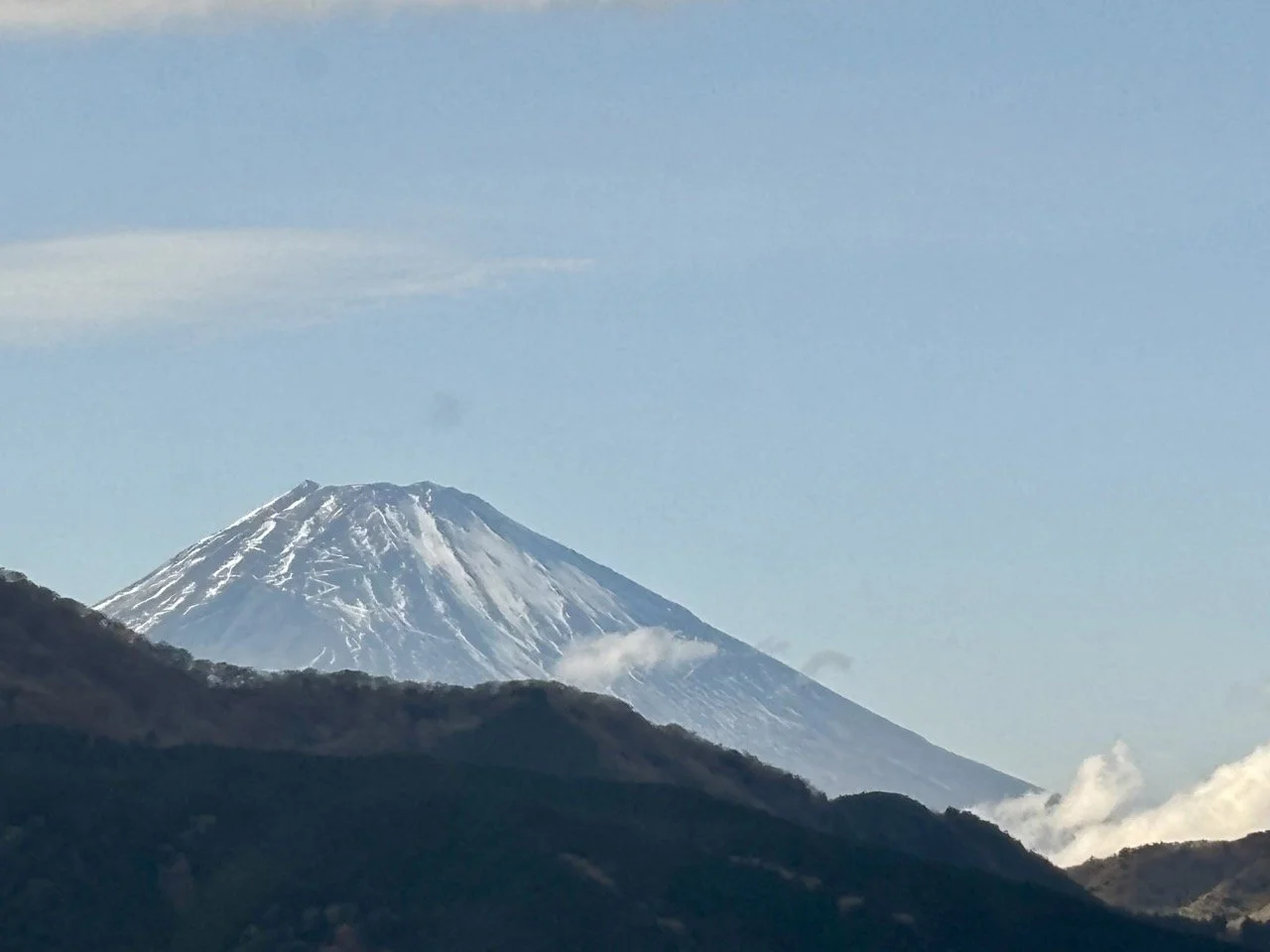
Five Interesting Facts About Hakone and Mount Fuji
1. Hakone Was Once an Important Checkpoint
During the Edo period, Hakone Checkpoint controlled travel along the Tokaido route between Kyoto and Edo, now Tokyo. Today, the restored site offers a fascinating glimpse into Japan’s history.
2. Lake Kawaguchi Has a Long and Curved Shoreline
Lake Kawaguchi is one of the Fuji Five Lakes. Its curved shape provides numerous viewpoints, allowing visitors to photograph Mount Fuji from different angles.
3. The Hakone Sightseeing Cruise Is Designed for Tourists
The famous pirate ships on Lake Ashi are sightseeing boats created to offer passengers panoramic views of the lake, surrounding mountains and, on clear days, Mount Fuji.
4. Mount Fuji Does Not Always Show Itself
Even when the weather appears sunny, clouds can cover Mount Fuji. Clear winter mornings generally offer some of the best visibility, but seeing the entire mountain is never guaranteed.
5. Owakudani Is Famous for Black Eggs
Eggs boiled in Owakudani’s volcanic hot spring waters turn black on the outside. According to local tradition, eating one is said to add seven years to your life.
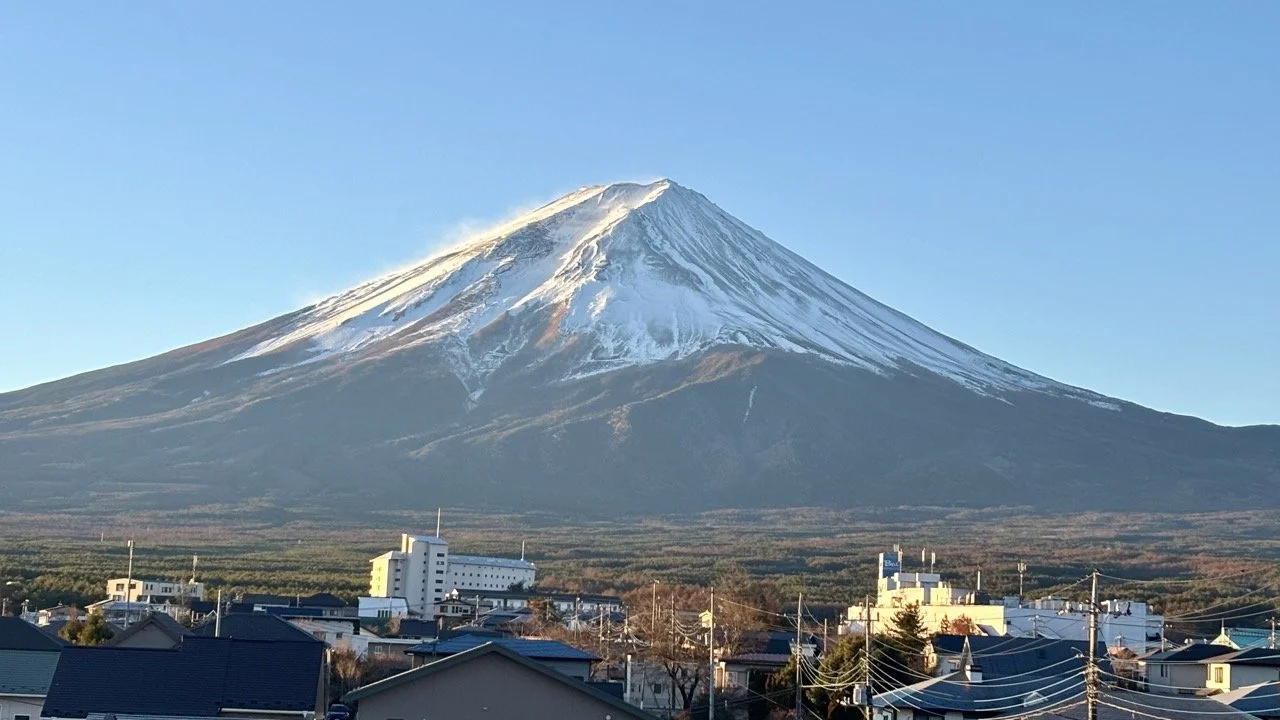
Top 10 Photography Spots in Hakone and Around Mount Fuji
Hakone and Lake Kawaguchi are dream destinations for landscape photographers. From iconic pagodas and lakeside reflections to volcanic valleys and traditional shrines, these locations offer countless opportunities for beautiful travel photographs.
Opening hours and transport services may change due to weather, maintenance or volcanic activity. Check official websites before visiting.
1. Chureito Pagoda at Arakurayama Sengen Park
Why Visit
This is one of Japan’s most recognizable views: the five-story Chureito Pagoda framed by Mount Fuji. In spring, cherry blossoms create a classic Japanese landscape, while autumn brings vivid red and orange foliage.
Opening Hours
The park is generally open year-round. Arrive between 5:00 and 8:00 a.m. for softer light and fewer visitors.
How to Get There
Take the Fujikyu Railway to Shimoyoshida Station.
Walk approximately 15 minutes.
Be prepared for a steep climb of several hundred steps to the viewpoint.
Photography Tips
A 70–200 mm telephoto lens is ideal for compressing the pagoda and Mount Fuji into a dramatic composition. Arrive early and use a tripod if the light is still low.
2. Shimoyoshida Honcho Street
Why Visit
This atmospheric street points directly toward Mount Fuji, creating a striking contrast between everyday Japanese town life and the scale of the mountain.
Opening Hours
The street is open 24 hours.
How to Get There
Shimoyoshida Honcho Street is approximately a five-minute walk from Shimoyoshida Station.
Photography Tips
Stand in the middle section of the street and use a telephoto lens to make Mount Fuji appear larger at the end of the road. The buildings, utility lines and road markings can create strong leading lines.
Please photograph from safe pedestrian areas and avoid standing in the road.
3. Oishi Park, Lake Kawaguchi
Why Visit
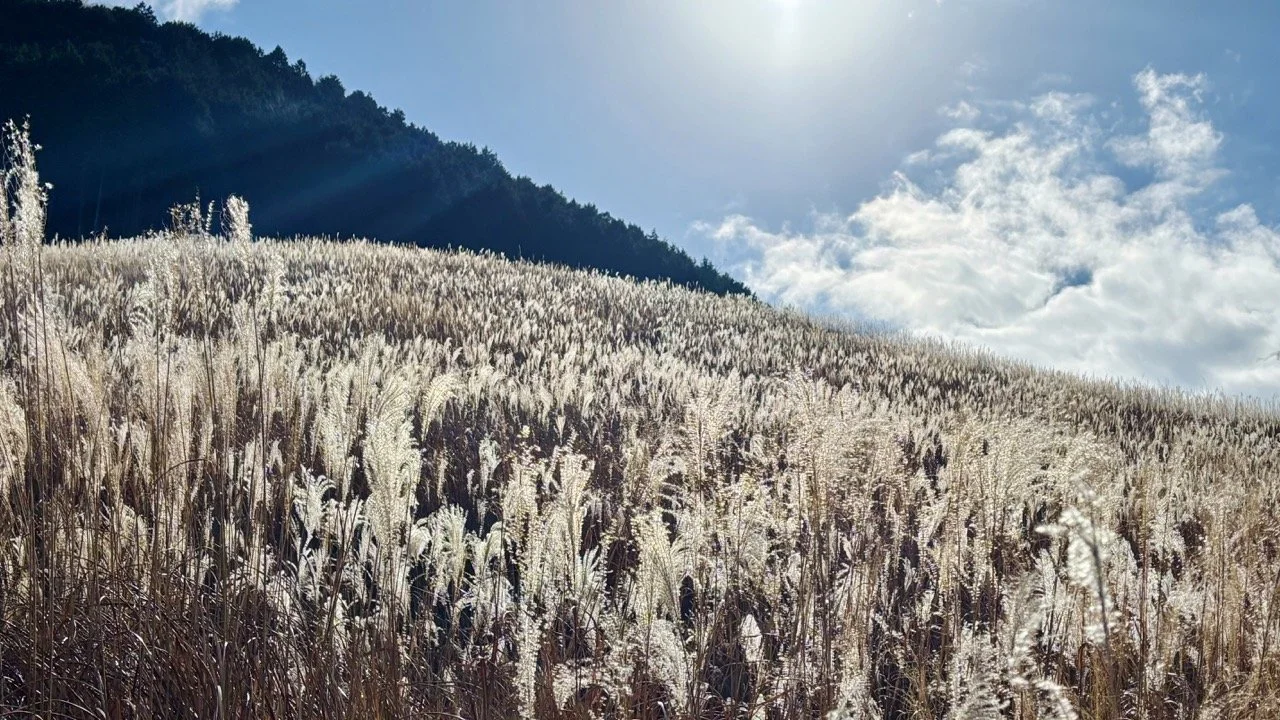
Oishi Park is one of the best places to combine Mount Fuji with colorful seasonal flowers. Lavender, autumn grasses and other flowers create a beautiful foreground throughout the year.
Opening Hours
The park is generally open 24 hours.
How to Get There
Take the red sightseeing bus around Lake Kawaguchi.
Get off at Kawaguchiko Natural Living Center.
Photography Tips
Use a wide-angle lens and shoot from a low angle. Place flowers in the foreground to add color, depth and a stronger sense of scale.
4. Ubuyagasaki
Why Visit
Ubuyagasaki is known for views of Mount Fuji, Lake Kawaguchi and the Kawaguchiko Ohashi Bridge. The bridge adds a powerful architectural element to wide landscape compositions.
Opening Hours
The area is generally open 24 hours.
How to Get There
Take the Lake Kawaguchi sightseeing bus and get off near Ubuyagasaki.
Photography Tips
A tripod and ND filter can help you create a smooth, mirror-like lake surface during long-exposure photography. Use the bridge’s lines to guide the viewer’s eye toward Mount Fuji.
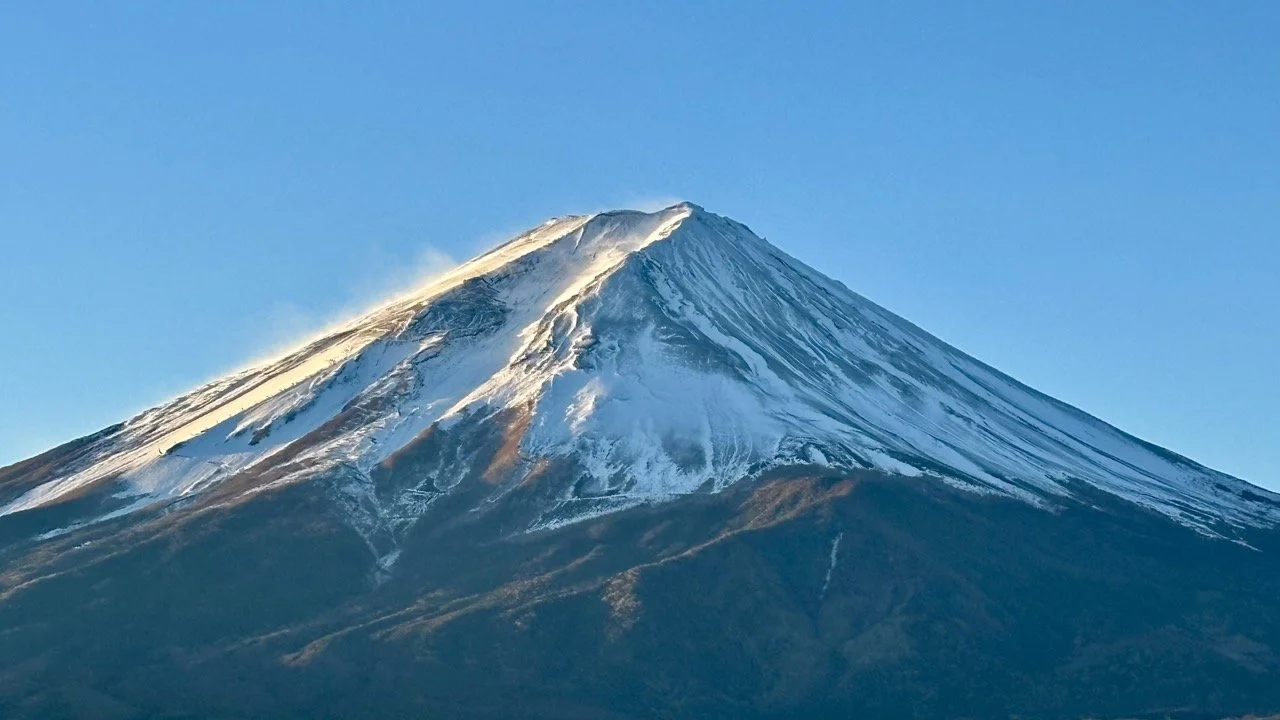
5. Oshino Hakkai
Why Visit
Oshino Hakkai is a collection of crystal-clear spring ponds formed by snowmelt from Mount Fuji. Traditional thatched-roof buildings, water reflections and mountain scenery create a distinctly Japanese atmosphere.
Opening Hours
The outdoor area is generally accessible throughout the day. Individual shops and facilities have their own opening hours.
How to Get There
Take a Fujikyu bus from Kawaguchiko Station to Oshino Hakkai.
Photography Tips
Use a CPL polarizing filter to reduce reflections on the water and reveal the details beneath the surface. Visit early in the day for cleaner backgrounds and softer light.
6. Hakone Shrine and the Peace Torii
Why Visit
The red Peace Torii standing in Lake Ashi is one of Hakone’s most famous landmarks. Misty mornings and calm water create a mysterious, almost cinematic atmosphere.
Opening Hours
The outdoor torii area is accessible throughout the day. The shrine grounds and facilities may follow separate schedules.
How to Get There
Take the Hakone Sightseeing Cruise to Motohakone Port.
Walk approximately 10 minutes to the torii area.
Photography Tips
Visit early in the morning when the lake is calm and the crowds are smaller. Look for reflections, mist and layered compositions that include the torii, lake and surrounding mountains.
7. Owakudani Valley
Why Visit
Owakudani is a dramatic volcanic valley shaped by an eruption of Mount Hakone. Steam vents, rugged volcanic terrain and sulfurous landscapes create photographs unlike anything at the lakeside viewpoints.
Opening Hours
The area is commonly open from approximately 9:00 a.m. to 5:00 p.m., but schedules may change because of volcanic conditions.
How to Get There
Take the Hakone Ropeway to Owakudani Station.
Photography Tips
Use a relatively fast shutter speed to capture moving steam. Look for contrast between white vapor and dark volcanic rocks. Check safety notices before visiting and follow all restricted-area instructions.
8. Onshi Hakone Park
Why Visit
Onshi Hakone Park offers elevated views over Lake Ashi. On clear days, you may see Mount Fuji in the distance, along with the lake and the park’s historic Western-style building.
Opening Hours
The park is generally open throughout the day. Facilities may have separate operating hours.
How to Get There
Walk approximately 10–15 minutes from Motohakone Port.
Photography Tips
Use a wide-angle lens to include the lake, distant mountains and historical architecture. Early morning and late afternoon provide softer shadows and more atmospheric light.
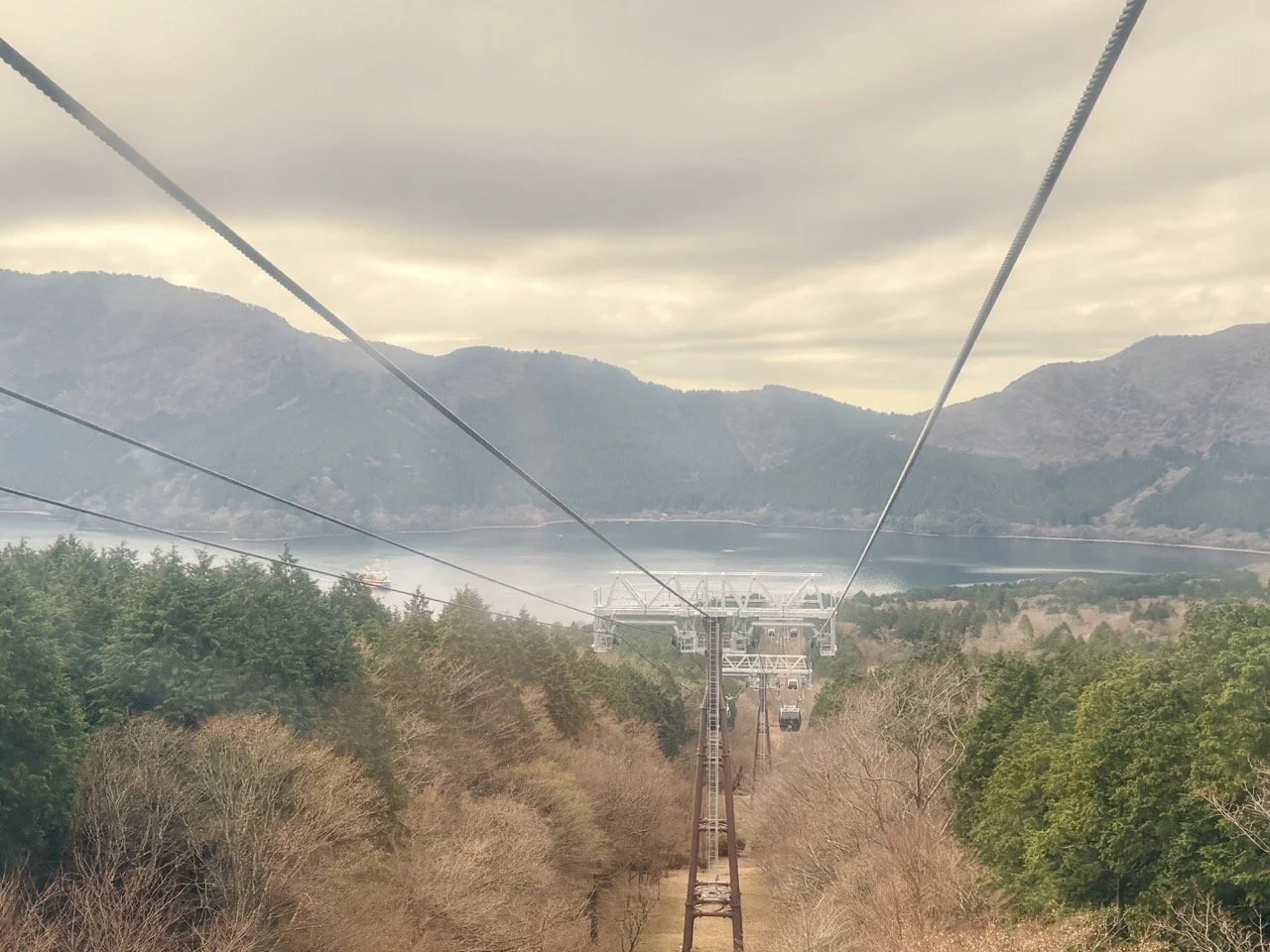
9. Mount Komagatake Ropeway Summit
Why Visit
The summit provides expansive views across Hakone’s mountain range and Lake Ashi. On clear days, the high elevation offers excellent panoramic photography opportunities.
Opening Hours
The ropeway commonly operates from around 9:00 a.m. to 4:30 p.m., depending on weather and operating conditions.
How to Get There
Take the Komagatake Ropeway from Hakone-en.
Photography Tips
A telephoto lens works well for isolating mountain ridges and clouds. In clear weather, capture a panoramic sequence by overlapping several vertical images for later stitching.
10. Kawaguchi Asama Shrine
Why Visit
Kawaguchi Asama Shrine is peaceful, historic and surrounded by tall cedar trees. Its traditional architecture creates a strong contrast with the distant scale of Mount Fuji.
Opening Hours
The shrine grounds are generally accessible during the day. Some facilities may have limited opening hours.
How to Get There
The shrine is most conveniently reached by taxi or rental car from Kawaguchiko Station. Local buses may also be available, but service frequency can be limited.
Photography Tips
Use torii gates, cedar trees or shrine buildings as natural frames. A medium telephoto lens can compress the distance between the shrine and Mount Fuji while preserving a sense of depth.
Essential Photography Equipment
For a Mount Fuji photography trip, consider bringing:
A wide-angle lens for landscapes and lake views
A 70–200 mm telephoto lens for compressed compositions
A sturdy tripod for sunrise, sunset and long exposures
A CPL filter for water and foliage
An ND filter for smooth lake reflections
Spare batteries, especially in cold weather
A weatherproof camera bag
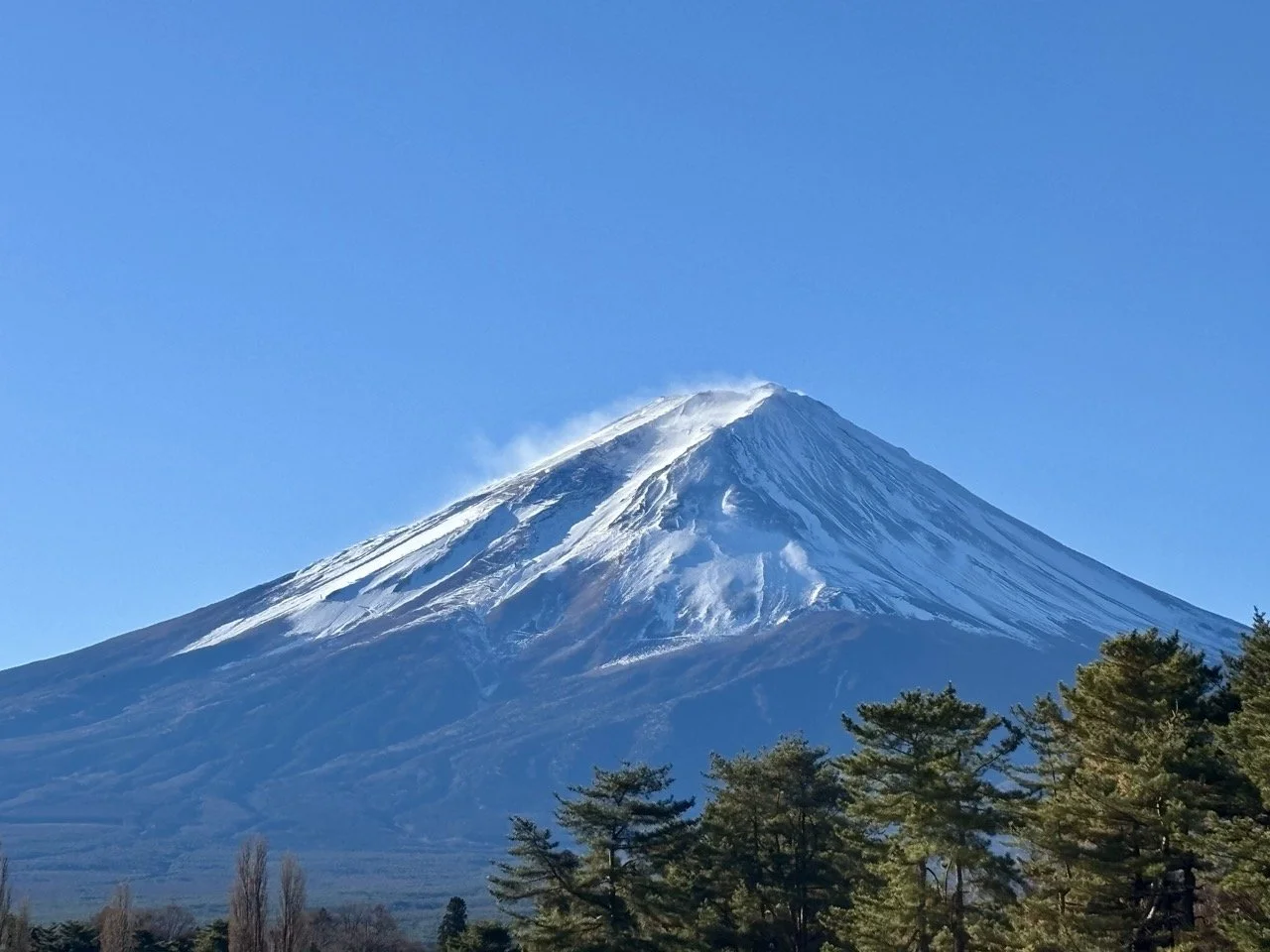
Mount Fuji is often clearest in the early morning and late afternoon. Before leaving your accommodation, check the forecast and a local Mount Fuji live camera.
The Perfect 3-Day Hakone and Lake Kawaguchi Itinerary
This route travels from Hakone to Lake Kawaguchi and works well for travelers arriving from Tokyo and departing from the Fuji Five Lakes region.
Day 1: Hakone Hot Springs and Owakudani
Travel from Shinjuku to Hakone-Yumoto by the Odakyu Romancecar.
Explore Hakone-Yumoto and enjoy a local lunch.
Take the Hakone Tozan Railway to Gora.
Continue by cable car and ropeway toward Owakudani.
Try the famous black eggs and enjoy the volcanic scenery.
Check in to a traditional Hakone onsen ryokan.
Enjoy a kaiseki dinner and relax in the hot springs.
Day 2: Lake Ashi and Travel to Lake Kawaguchi
Visit Hakone Shrine and the Peace Torii.
Take a sightseeing cruise across Lake Ashi.
Explore Motohakone and Onshi Hakone Park.
Travel toward Gotemba and continue to Lake Kawaguchi by bus or train connections.
Check in to a lakeside hotel or ryokan.
Enjoy a relaxing dinner with views of Mount Fuji, weather permitting.
Day 3: Mount Fuji Viewpoints and Return to Tokyo
Wake up early for a Mount Fuji sunrise view.
Visit Chureito Pagoda at Arakurayama Sengen Park.
Explore Oishi Park or Oshino Hakkai.
Enjoy houtou noodles or another local specialty.
Return to Tokyo by the Fuji Excursion train or highway bus.
The exact transfer route between Hakone and Lake Kawaguchi can vary. Check current timetables before traveling, as direct services may be limited or seasonal.
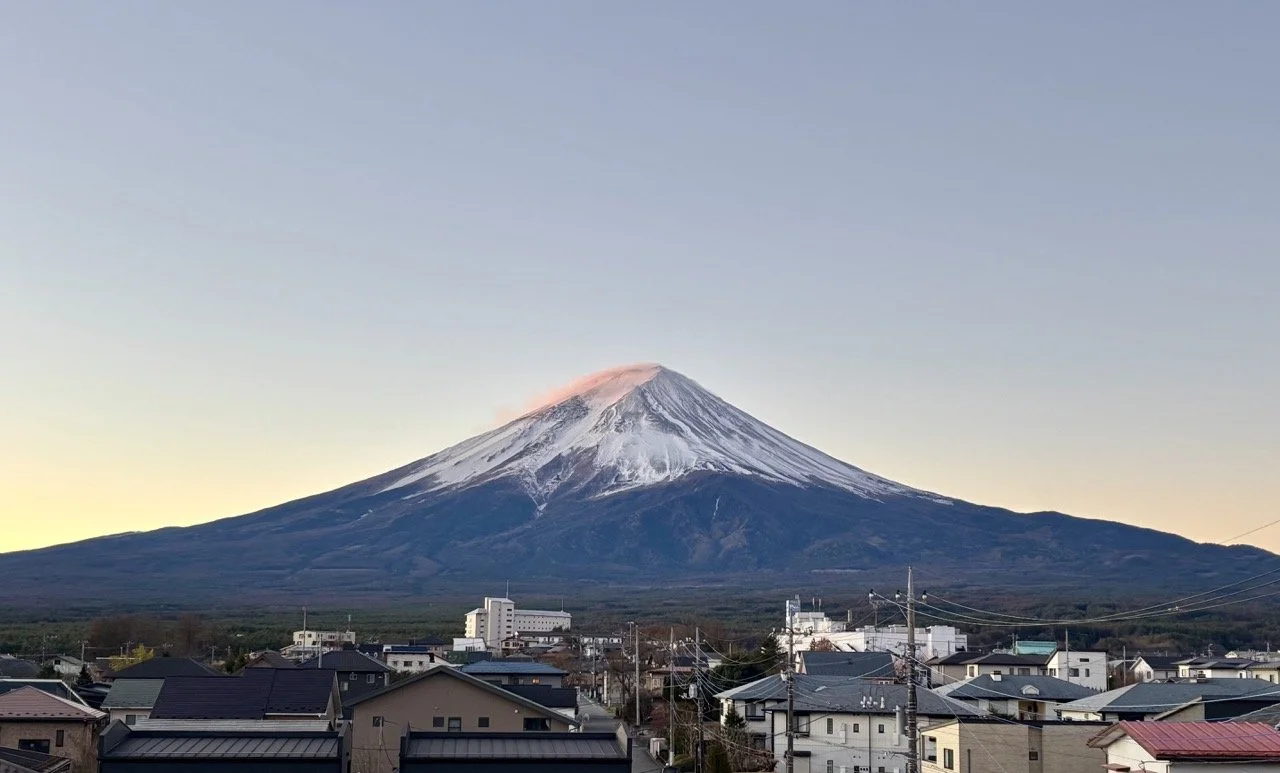
Transportation and Money-Saving Tips
Hakone Free Pass
The Hakone Free Pass can be valuable for travelers planning to use multiple forms of transportation, including:
Hakone Tozan Railway
Hakone Tozan Buses
Cable cars
Ropeways
Sightseeing boats on Lake Ashi
Compare the pass price with your planned route before purchasing.
Fuji Excursion Train
The Fuji Excursion connects Shinjuku with Kawaguchiko and is one of the most convenient rail options. Reserved seats are recommended because services can sell out during weekends, holidays and peak seasons.
Lake Kawaguchi Sightseeing Buses
The red sightseeing bus is useful for visiting popular locations around Lake Kawaguchi, including Oishi Park and the Natural Living Center. A day pass may be worthwhile if you plan to visit several stops.
Highway Buses
Highway buses can be convenient and affordable between Tokyo, Hakone, Gotemba and Lake Kawaguchi. Allow extra travel time during weekends and holiday periods because traffic can be heavy.
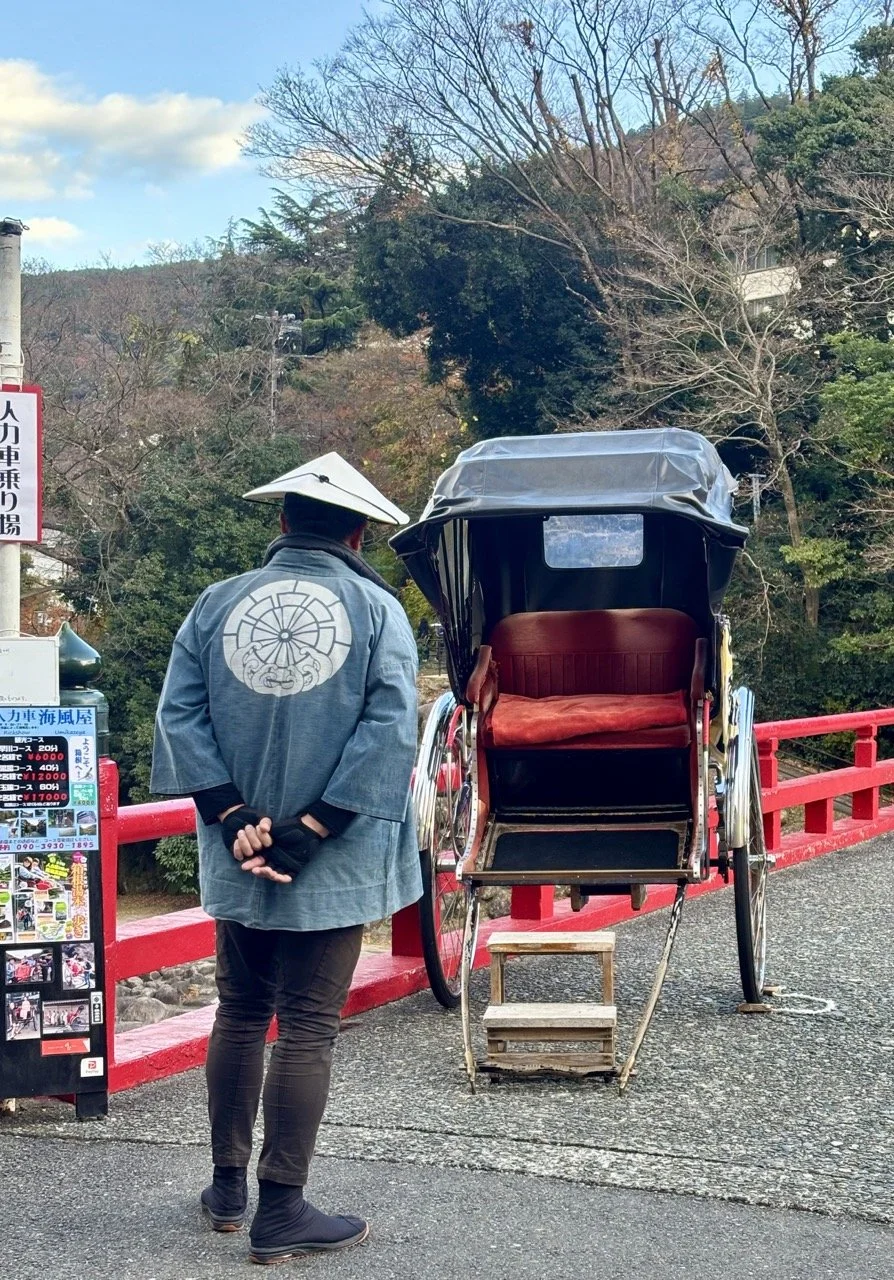
Where to Stay: Hakone Ryokan or Lakefront Hotel?
Best Areas to Stay in Hakone
Hakone-Yumoto
Ideal for first-time visitors because it offers:
Easy access from Tokyo
Many restaurants and shops
A wide range of hotels and ryokan
Convenient train and bus connections
Gora
A good choice for travelers who want access to museums, mountain transport and higher-end ryokan.
Best Areas to Stay Around Lake Kawaguchi
Choose a hotel or ryokan near the lake if Mount Fuji views are a priority. Before booking, check whether:
The room has a direct Mount Fuji view
The view is seasonal or weather-dependent
The property has a private or public onsen
The accommodation is close to a bus stop
Dinner and breakfast are included
A room with a private view of Mount Fuji at sunrise can be one of the most memorable experiences of the trip.
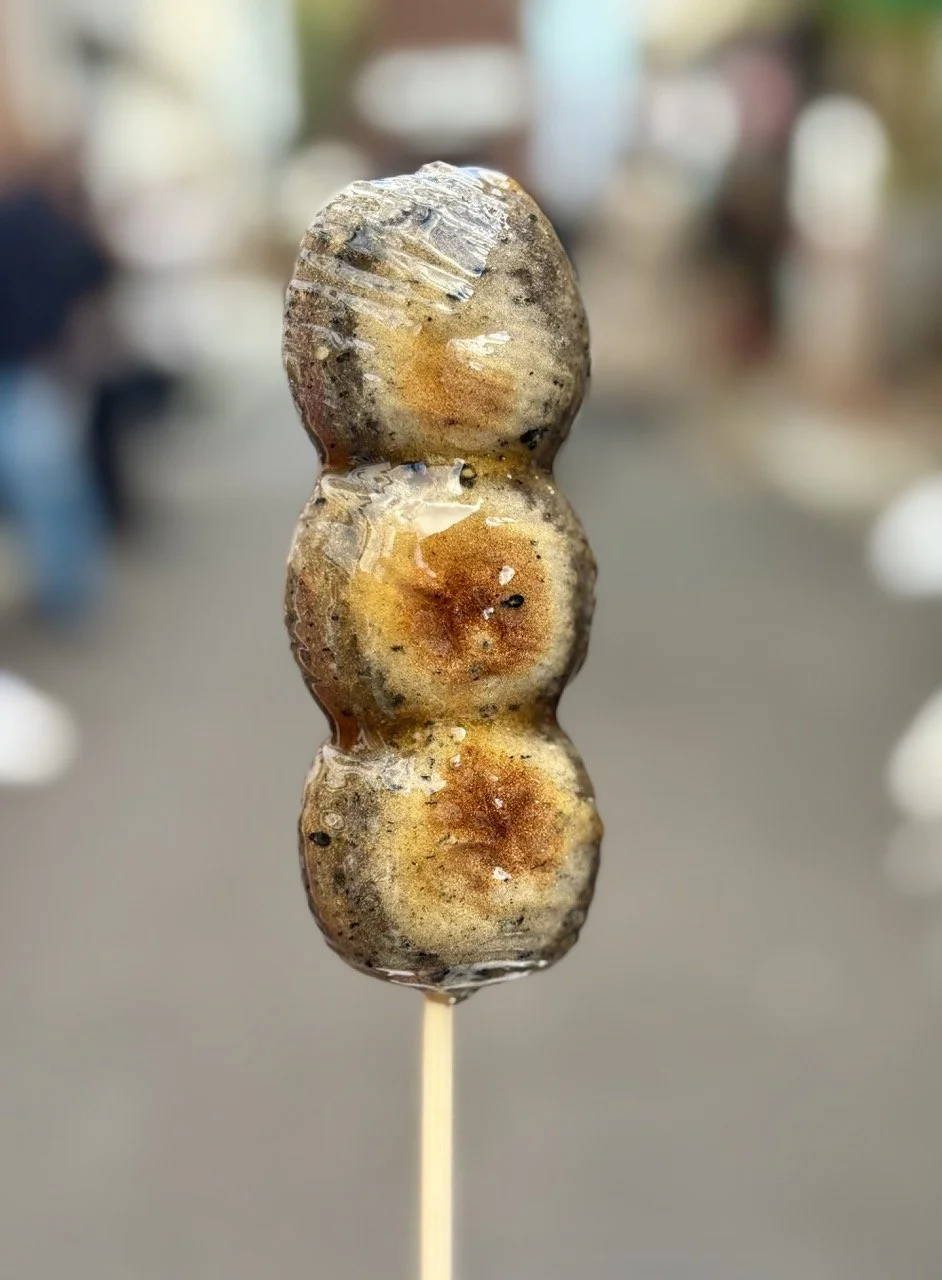
Top 5 Restaurants and Local Foods
Restaurant hours, menus and prices may change. Reservations are recommended for popular restaurants and ryokan meals.
1. Hatsuhana Soba, Hakone
Why Visit
Hatsuhana is known for handmade soba served with fragrant grated mountain yam, known as tororo.
What to Order
Tororo soba
Handmade cold soba
Seasonal Japanese side dishes
Estimated Price
Approximately ¥1,500–¥2,500 per person.
Location
Near Hakone-Yumoto. Search Google Maps for Hatsuhana Soba Hakone.
2. Gyoza Center, Gora
Why Visit
This popular Gora restaurant serves handmade dumplings with a variety of fillings and styles.
What to Order
Assorted gyoza
Gyoza set meals
Pan-fried or boiled dumplings
Estimated Price
Approximately ¥1,000–¥2,000 per person.
Location
Near Gora Station. Search Google Maps for Gyoza Center Gora.
3. Houtou Fudou, Lake Kawaguchi
Why Visit
Houtou is one of the signature foods of the Yamanashi region. The thick noodles are served in a rich miso-based soup with vegetables.
What to Order
Traditional houtou noodles
Seasonal vegetable houtou
Estimated Price
Approximately ¥1,200–¥1,800 per person.
Location
There are branches around Lake Kawaguchi, including near Kawaguchiko Station. Search Google Maps for Houtou Fudou.
4. Cisco Coffee, Lake Kawaguchi
Why Visit
Cisco Coffee is a relaxed café known for coffee, homemade cakes and a comfortable atmosphere. It is a good stop between lakeside sightseeing and photography.
What to Order
Specialty coffee
Homemade cake
Light lunch options
Estimated Price
Approximately ¥1,500–¥3,000 per person.
Location
Search Google Maps for Cisco Coffee Kawaguchiko and check the latest opening hours before visiting.
5. Yakiniku Sakura
Why Visit
For a satisfying dinner, Yakiniku Sakura offers Japanese beef and grilled meat dishes that are ideal after a full day of sightseeing.
What to Order
Japanese beef platter
Premium grilled cuts
Seasonal side dishes
Estimated Price
Approximately ¥4,000–¥8,000 per person.
Location
Search Google Maps for Yakiniku Sakura Kawaguchiko. Reservations may be advisable.
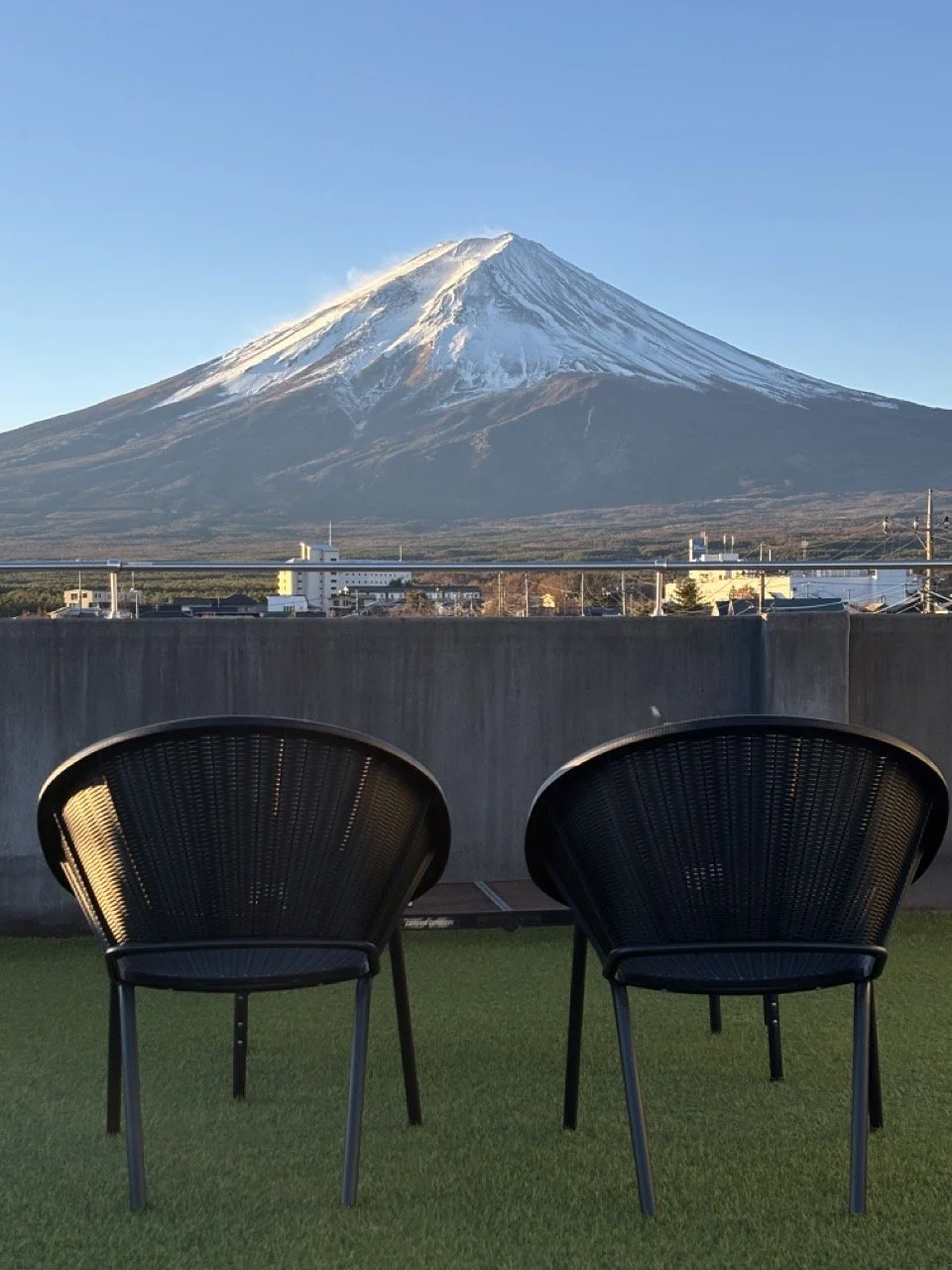
Best Time to Visit Hakone and Lake Kawaguchi
Spring: Cherry Blossoms
Spring brings cherry blossoms, fresh greenery and beautiful views around Lake Kawaguchi and Arakurayama Sengen Park. Expect larger crowds during peak blossom season.
Summer: Lush Greenery and Flower Gardens
Summer offers vibrant greenery and seasonal flowers. However, humidity and clouds may reduce Mount Fuji visibility.
Autumn: Colorful Foliage
November is an especially attractive time for combining autumn leaves with Mount Fuji. Hakone’s forests and Lake Kawaguchi’s maple areas become particularly photogenic.
Winter: The Clearest Mount Fuji Views
January and February often provide crisp air and excellent visibility. Snow may cover Mount Fuji, creating striking compositions, although temperatures can be very cold.
Mount Fuji Photography Tips
Shoot at sunrise for soft light and fewer crowds.
Check the weather forecast before traveling to each viewpoint.
Use a tripod for low-light and long-exposure images.
Carry a CPL filter for lakes, ponds and wet foliage.
Use a telephoto lens to emphasize Mount Fuji’s scale.
Keep your schedule flexible because clouds can appear quickly.
Photograph respectfully at shrines and avoid blocking roads or local businesses.
Check live cameras before making an early-morning trip.
Frequently Asked Questions
How much does a 3-day Hakone and Lake Kawaguchi trip cost?
A practical budget is approximately ¥40,000–¥70,000 per person, excluding international flights. The final cost depends on your accommodation, transportation, meals and whether you choose a luxury ryokan.
Can I visit Hakone and Lake Kawaguchi without renting a car?
Yes. Hakone’s transport network, the Hakone Free Pass and Lake Kawaguchi sightseeing buses make this route possible without driving. However, some remote viewpoints may be easier to reach by taxi or rental car.
What is the biggest challenge when visiting Mount Fuji?
Visibility is the main challenge. Mount Fuji may be hidden by clouds even on an otherwise pleasant day. Build flexibility into your itinerary and have alternative activities, such as museums, cafés and hot springs, ready.
Is three days enough for Hakone and Lake Kawaguchi?
Three days is enough for a highlights tour covering Hakone’s hot springs, Lake Ashi, Owakudani and several of Lake Kawaguchi’s best Mount Fuji viewpoints. A longer stay is recommended if you prefer a slower pace or want to explore more museums and rural areas.
Should I stay in Hakone or Lake Kawaguchi?
Stay in Hakone if your priority is hot springs, museums and traditional ryokan experiences. Choose Lake Kawaguchi if your main goal is Mount Fuji photography and lakeside views. For the best of both, spend one night in each destination.
Final Thoughts
A Hakone and Lake Kawaguchi 3-day itinerary combines Japan’s most relaxing and photogenic experiences: peaceful hot springs, volcanic landscapes, historic shrines, lakeside scenery and unforgettable views of Mount Fuji.
From soaking in a Hakone onsen to photographing the Chureito Pagoda at sunrise, every day offers a new perspective on Japan’s natural beauty. With flexible planning, suitable transportation passes and an early start for the best views, this Mount Fuji travel itinerary is an ideal escape from Tokyo.
About the Author | Toto Kuo
I’m Toto Kuo, a Taiwan-born photographer and traveler now based in Santorini, Greece. After exploring 80+ countries and living abroad in Canada, New York, and Paris, I settled in Oia, where I run Karma Greek Restaurant and a Santorini wedding photography studiowith my Greek husband.
Here I share my passions for photography, travel, food, and culture — from Greek islands travel guides and Greek island hopping tips to local food recommendations and secret photo spots. If you’re planning a trip to Santorini or looking for wedding photography inspiration, I’d love to help you capture the island’s magic.
