
拉努馬法納/馬達加斯加旅遊與攝影完全攻略 — Top 5 必拍景點、1–3 天行程、在地美食與攝影 Tips Ranomafana Travel & Photography Guide — Top 5 Photo Spots, 1–3 Day Itineraries, Dining & Pro Tips
Please see English version below
Ranomafana(拉陶納法納)旅遊完全攻略:Top 5 必拍景點、1–3 天行程、交通與住宿建議、在地餐廳推薦與專業攝影技巧(含夜間狐猴拍攝與生態微距)。想要在馬達加斯加拍到最真實的雨林影像?留言索取在地導遊與包車司機聯絡資訊!
目錄(TOC)
不可錯過的5個原因
5個有趣冷知識
Top 5 必拍景點
馬達加斯加特色文化深度導覽:葬禮慶典、南方服飾與在地手工產業
1–3 天行程規劃
交通方式:Antsirabe → Ranomafana 沿途風景 — 梯田與煉鐵
Antsirabe 人力三輪車一日遊
住宿建議
推薦餐廳與美食
最佳旅行時間
預算建議
必備物品清單
攝影 Tips(專業拍攝建議)
拉努馬法納 馬達加斯加 FAQS(Ranomafana Madagascar FAQ)
總結(如想了解或推薦當地旅遊社和包車司機,歡迎留言)
不可錯過的5個原因
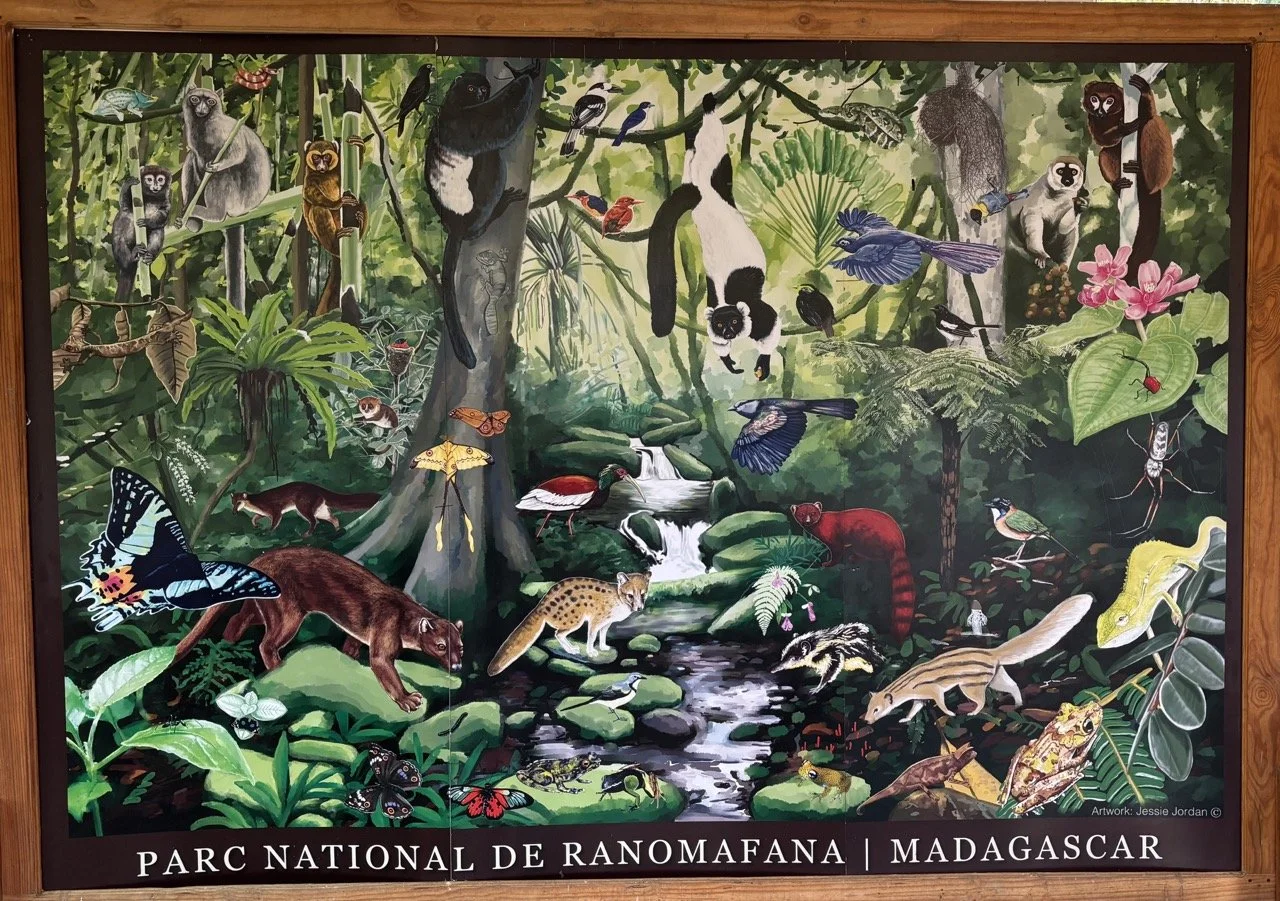
原始雨林與生態多樣性:Ranomafana 國家公園擁有豐富狐猴、變色龍與兩棲類,是生態攝影天堂。
夜間導覽的奇幻:夜間探步可以遇到稀有夜行性動物與發光般的生態瞬間(真的像進了自然版的奇幻電影)。
步道多樣:從平緩河谷到較艱難的高地步道,無論是輕鬆漫步或全天攝影追逐都能滿足。
在地文化與小鎮風情:Ranomafana 鎮的市場、手工藝與當地小吃,讓行程更有溫度。
攝影機遇密集:從鳥類、狐猴到微距的植物與昆蟲,題材一應俱全,能讓你的相機忙得不亦樂乎。
5個有趣冷知識
Ranomafana 名稱意為「溫暖的水」,因地熱泉而得名(想泡湯請注意衛生)。
國家公園於 1991 年建立,是馬達加斯加重要的生物多樣性保護區。
此區發現過多種新記錄的兩棲類與昆蟲,科研與保育價值非常高。
許多狐猴在清晨會合唱,聽過的人都說那聲音「比鬧鐘還準時」。
當地天氣變化快,雨後常有雲霧繚繞,正是拍出神秘森林感的好機會。
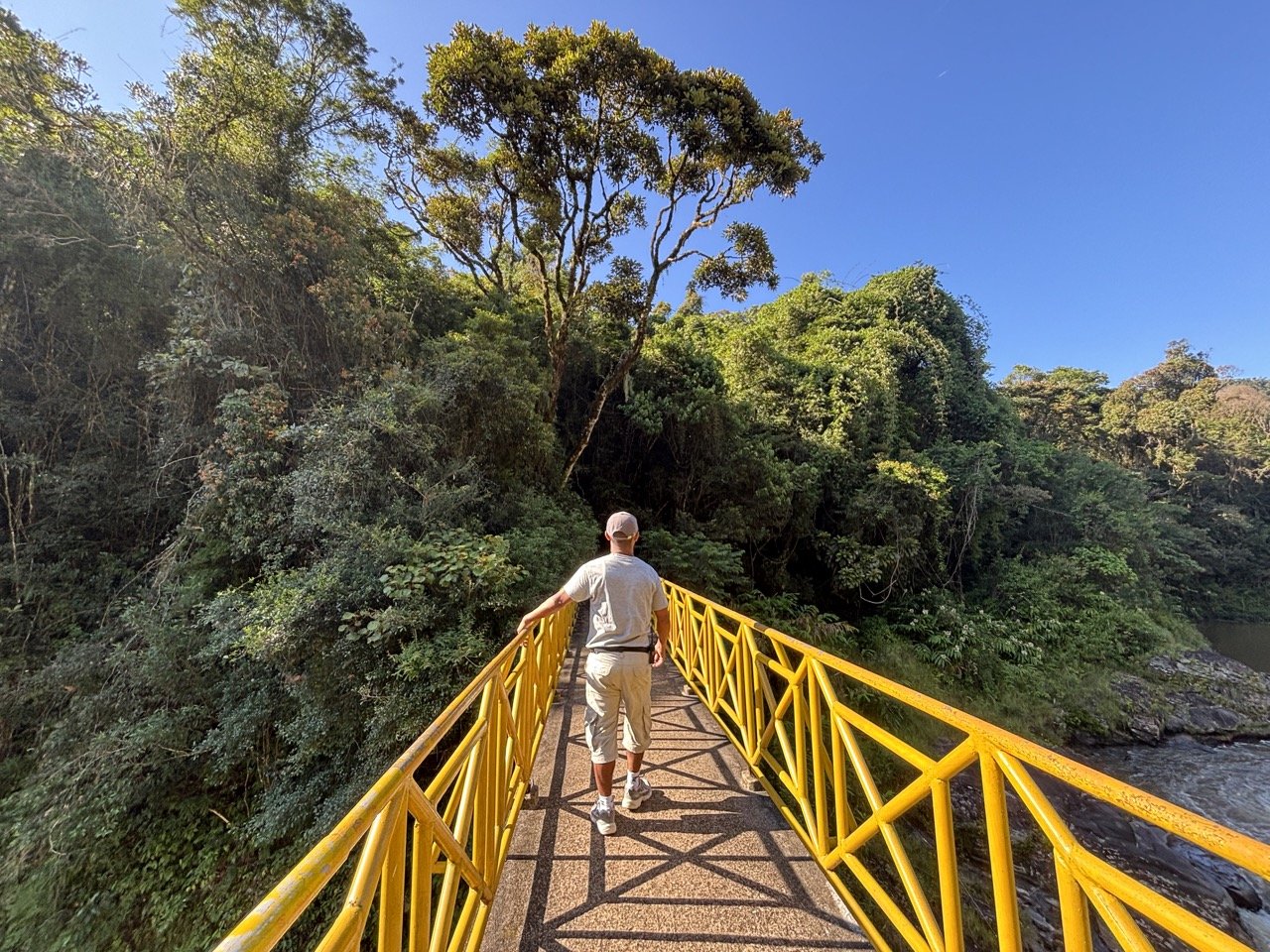
拉努馬法納/馬達加斯 Top 5 必拍景點
Ranomafana National Park(國家公園步道與觀察點)
推薦原因與特色:林下層次豐富、狐猴頻繁出沒,是拍攝生態與行為的核心地帶。
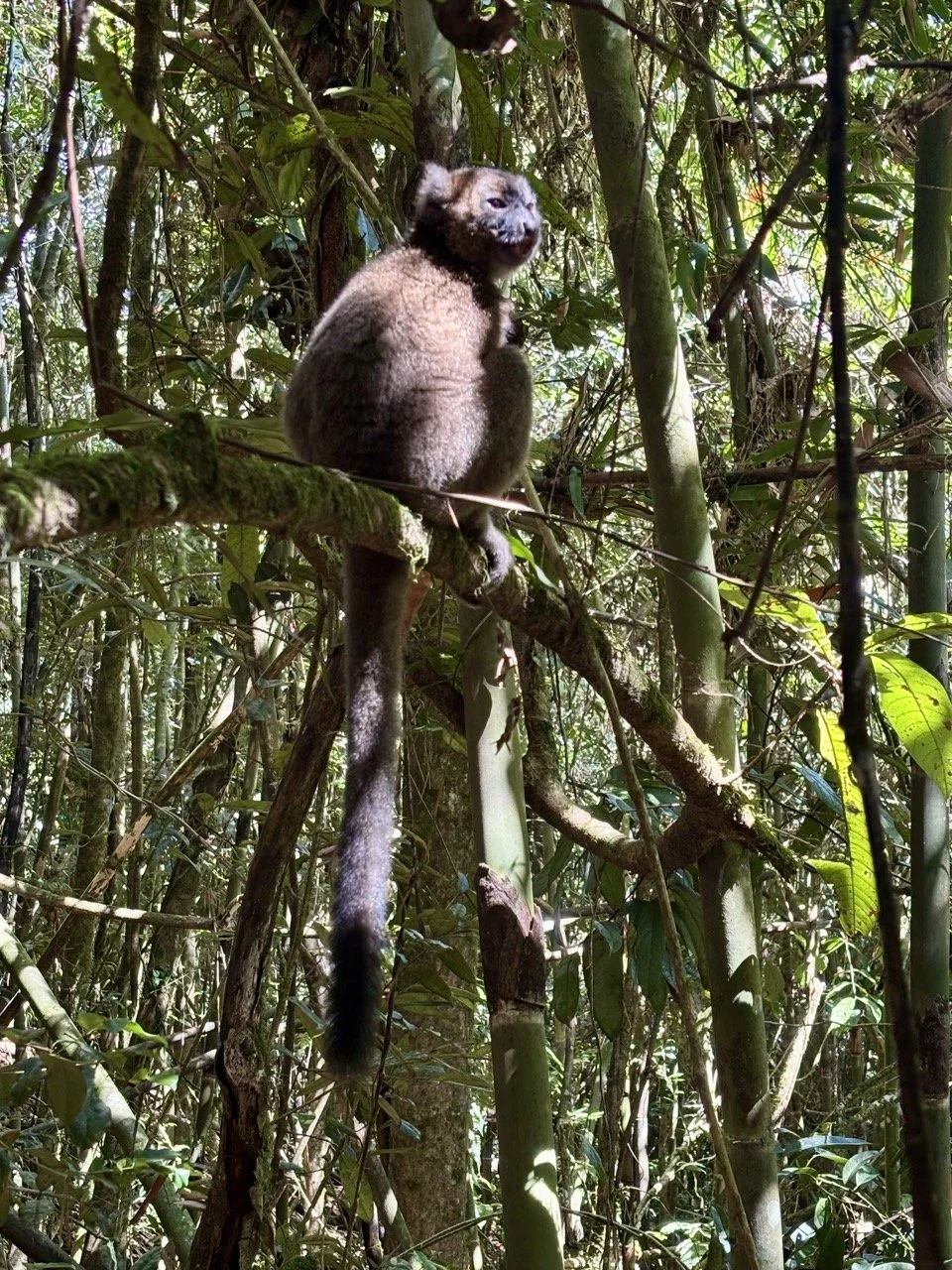
拍攝建議:拍到稀有的金竹狐猴(Golden Bamboo Lemur)或其他狐猴活動;70–200mm 長焦用於動物肖像,24–70mm 用於環境生態與林相。夜間導覽需帶高感鏡頭與手電(避免閃光)。Varibolomena & Waterfall(瀑布與河谷景觀)
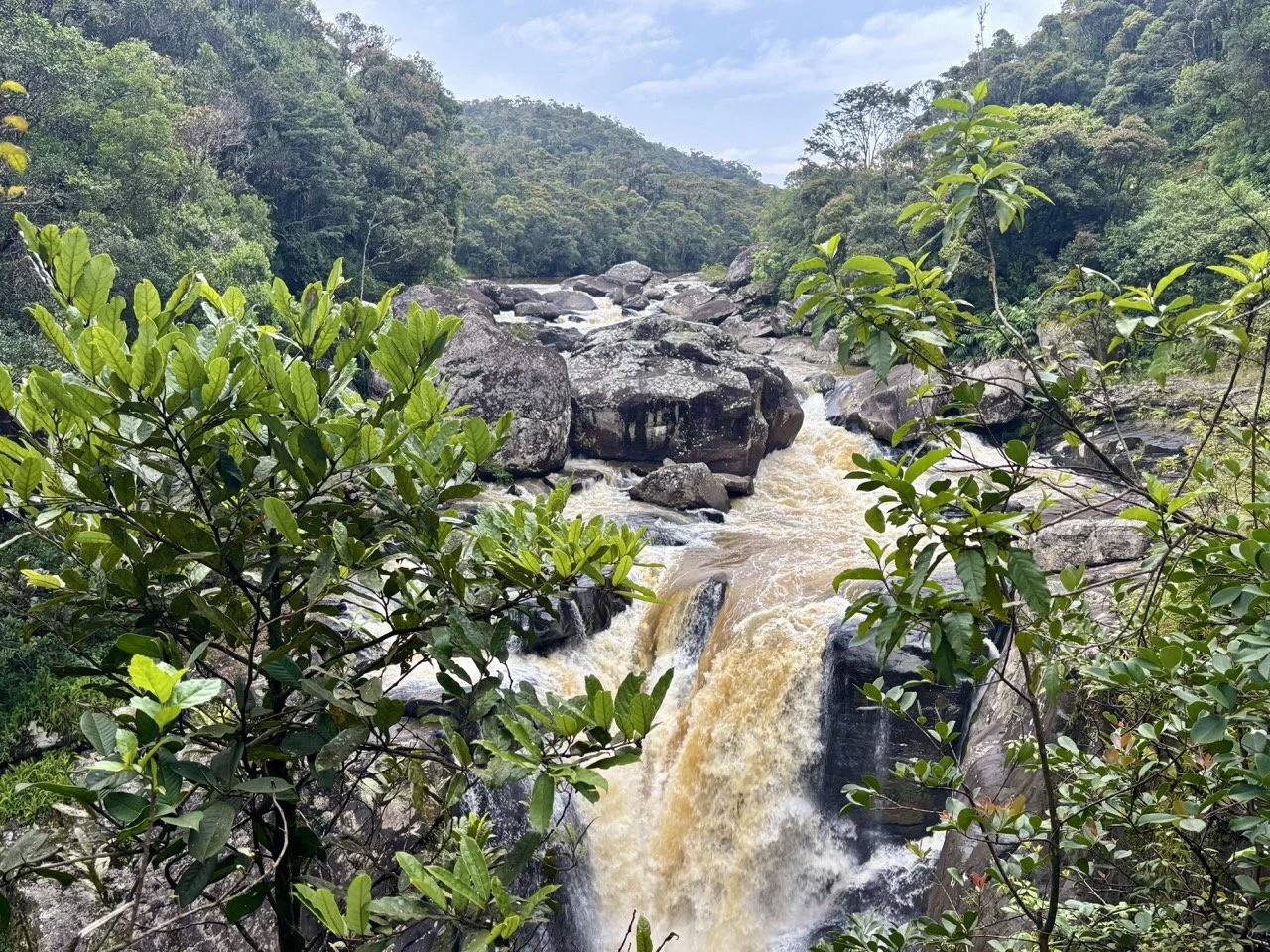
推薦原因與特色:雨林瀑布具動態前景與倒影,適合長曝光與廣角構圖。
拍攝建議:使用三腳架、ND 濾鏡做絲綢流水效果;留意濕滑岩面與防水保護。Thermal Springs(溫泉區)
推薦原因與特色:地熱泡湯與霧氣氛圍,清晨或雨後能拍出仙氣氛圍(不過請勿把攝影器材泡湯裡)。
拍攝建議:長焦壓縮景深記錄蒸氣與背景層次,或以人文角度拍攝泡湯場景(尊重隱私)。Local Market & Village Scenes(市場與村落人文)
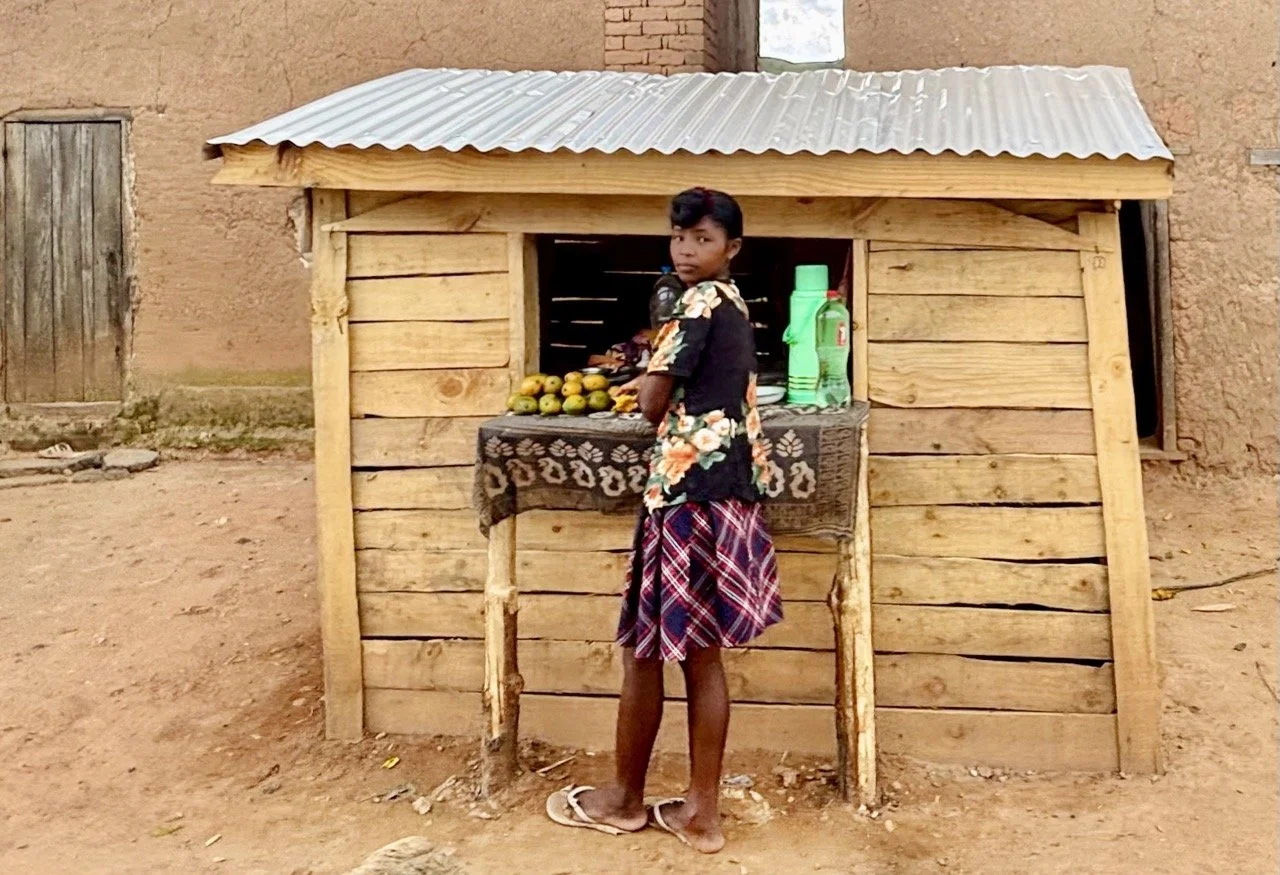
推薦原因與特色:色彩鮮明的熱帶水果、手工藝與當地小吃,適合補拍人文紀實。
拍攝建議:24–70mm 高靈活度鏡頭,拍人像前先用微笑與小禮物打招呼(我特別推薦帶些小糖果交換笑容,真的很管用)。Night Walk Hotspots(夜間觀察熱點)
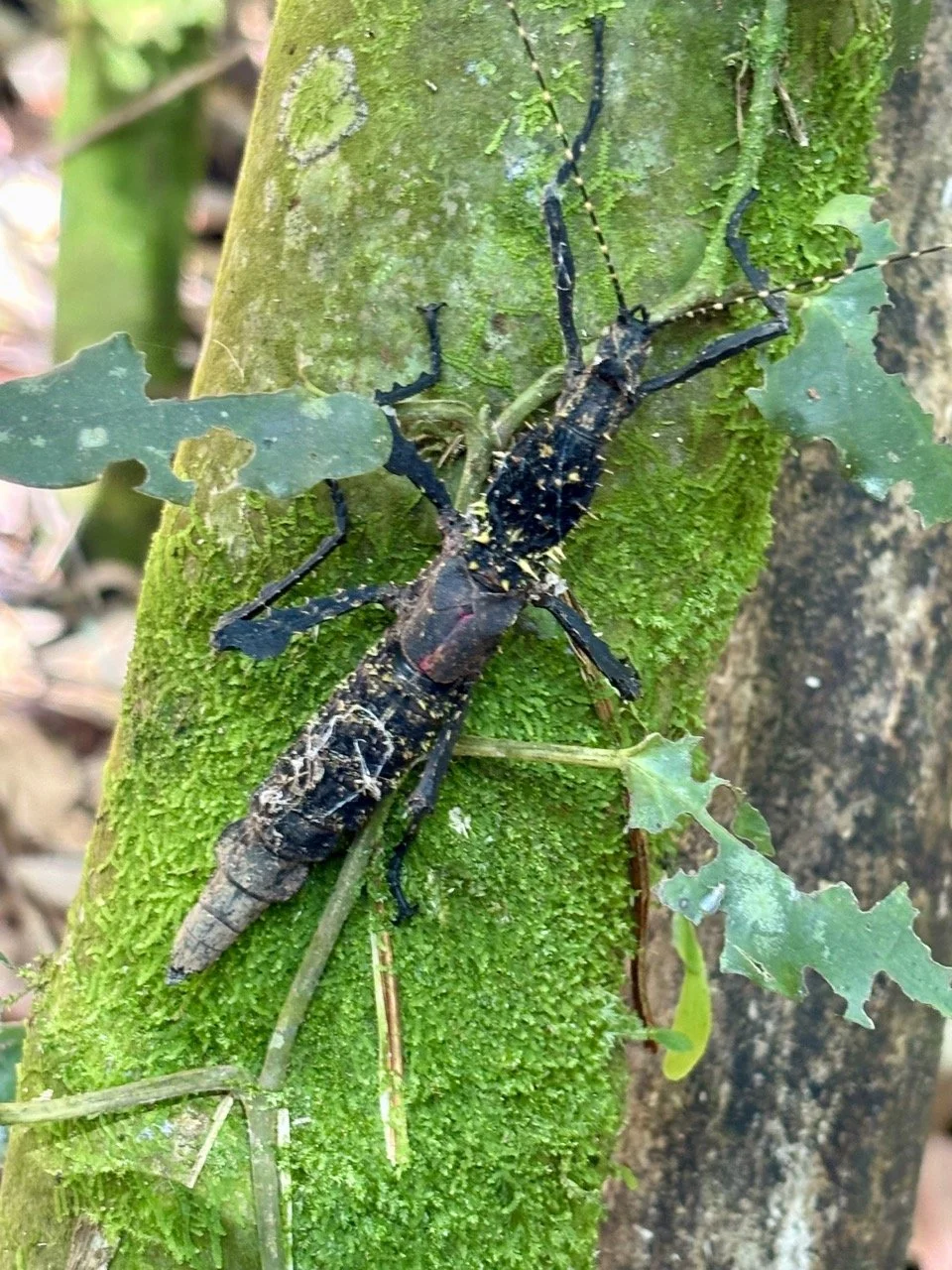
推薦原因與特色:夜間可見變色龍、夜猴與多種兩棲動物,是微距與低光攝影的好場域。
拍攝建議:使用微距鏡或 70–200mm,搭配小型 LED 柔光,避免強閃光驚嚇動物。
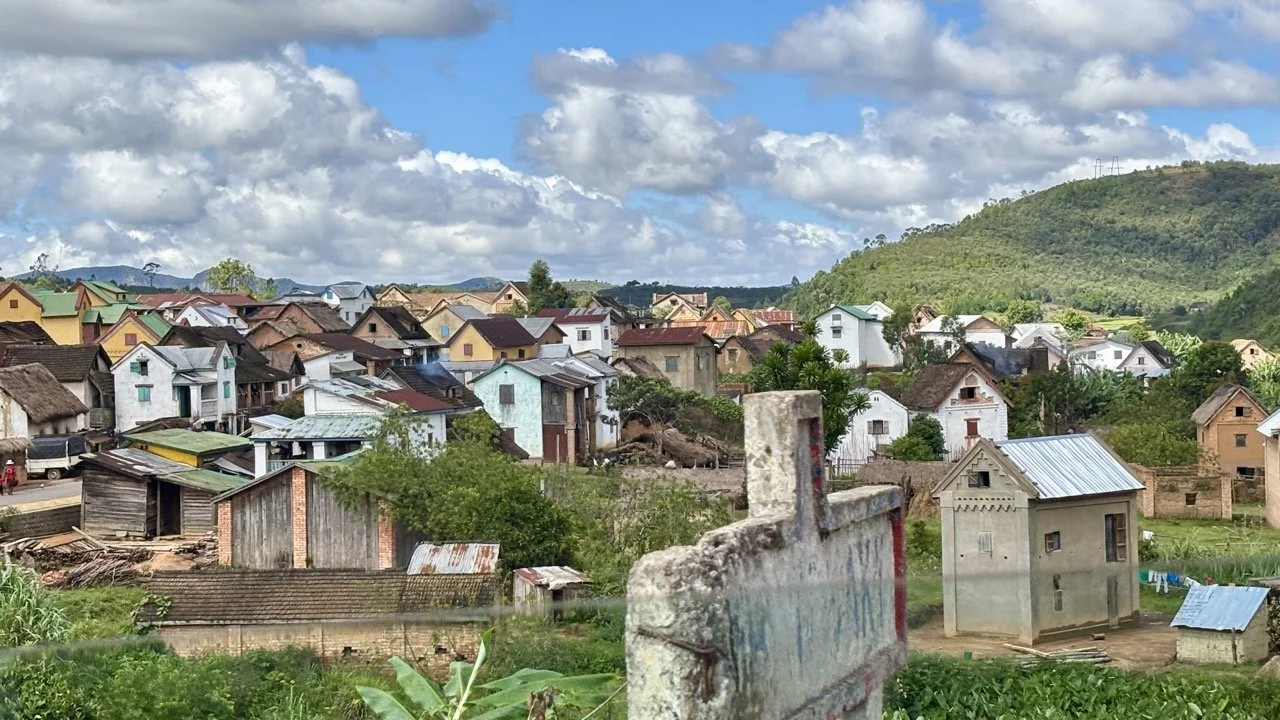
馬達加斯加特色文化深度導覽:葬禮慶典、南方服飾與在地手工產業
想像一個島嶼,文化既古老又充滿生命力——馬達加斯加正是如此。下面我把幾個讓我印象深刻(甚至感動到眼眶微濕)的在地習俗與產業,寫成容易上手又有趣的導覽:從令人驚訝的喚屍儀式,到南方男性帥氣的披布造型,再到河邊釀酒與木雕匠人的細活。讀完後你會更懂這片土地,也更想親自去聽、去看、去拍。
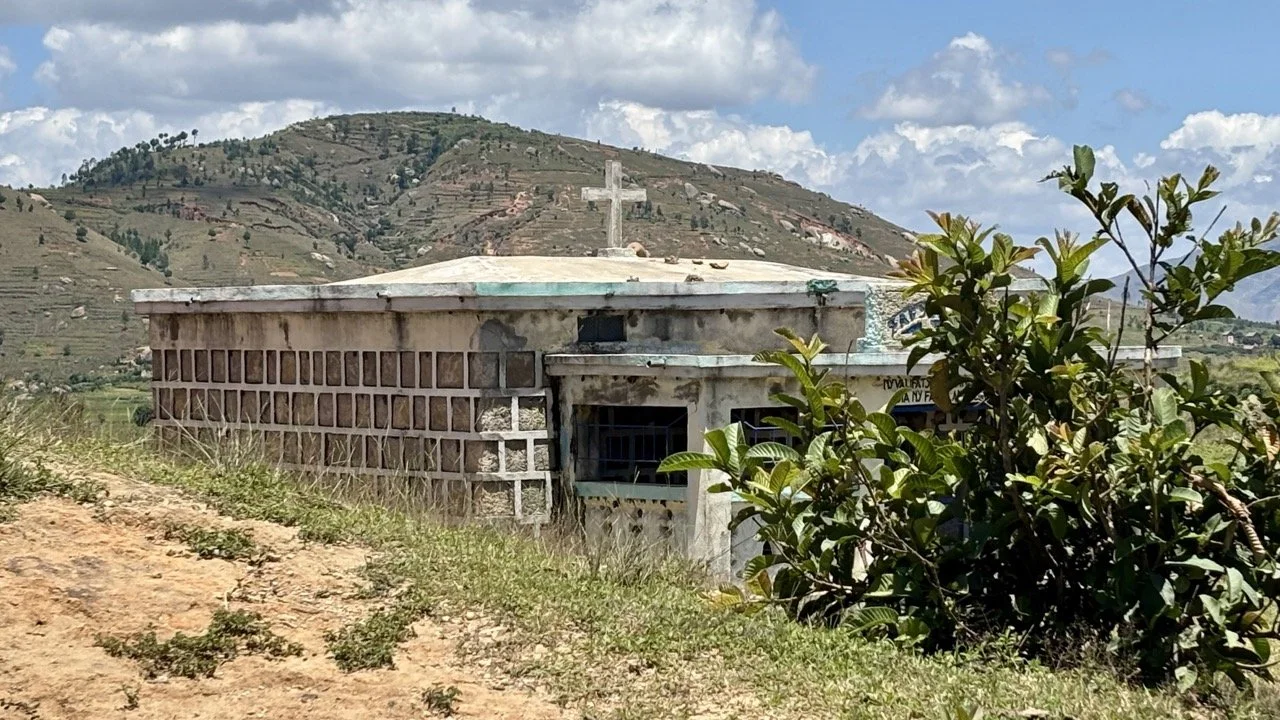
一、喚屍慶典:把祖先「挖出來」再熱鬧包裹(Famadihana 的文化意義)
在馬達加斯加部分高地社群,有一個名為 Famadihana(翻屍或喚屍)的特殊習俗——家族成員會在特定年份將先人遺骨從墳墓「挖出來」,清理、重新包裹新的布(antoho)並與家人一同跳舞、飲宴、敘舊。聽起來很驚悚?其實它是對祖先的尊敬與家庭連結的再確認。文化緣由源自對祖先的崇敬與相信先靈仍守護後代,透過這樣的儀式,生者表達感謝、求平安,祖先也被「更新裝扮」,好像結婚換禮服般莊重又溫馨。
儀式過程通常包含:家族集合、音樂與舞蹈、長者講話、把遺骨取出並淨化、換上新布、全家團聚的宴席與跳舞。整個場面既莊嚴又充滿人情味——我在現場看到孩子抱著曾祖的骨頭唱歌,心裡真是又驚又感動(好吧,也有點落淚)。
然而,全球化、基督教與伊斯蘭教影響、城鎮化與土地使用壓力,使得這習俗在年輕一代逐漸少見;未來的存續面臨挑戰,可能會慢慢消失或改變成更「輕量」的紀念活動。若你有機會遇到 Famadihana,請用尊重的心去觀察與學習——拍照前一定要先徵得同意,帶著敬意比快門更重要。
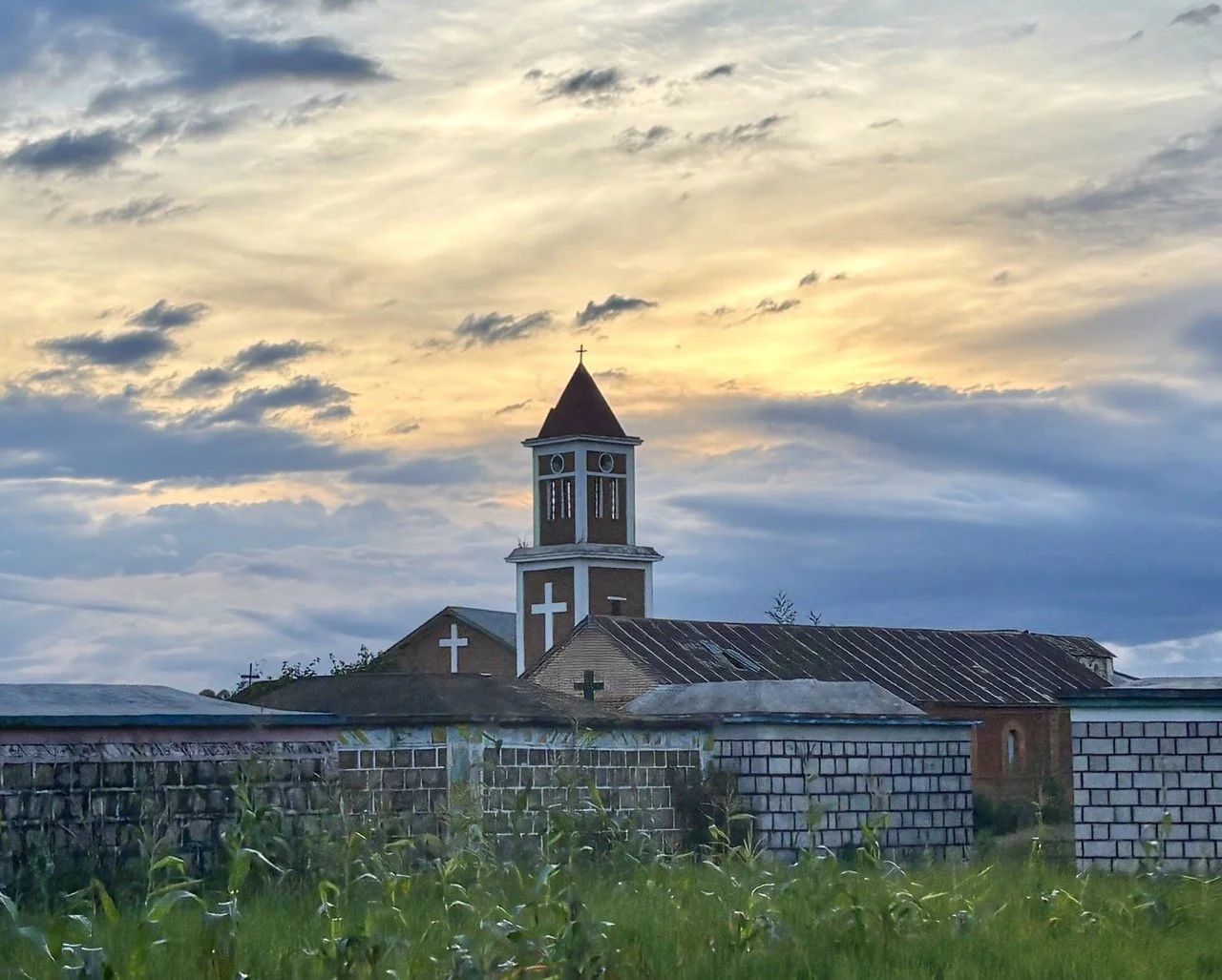
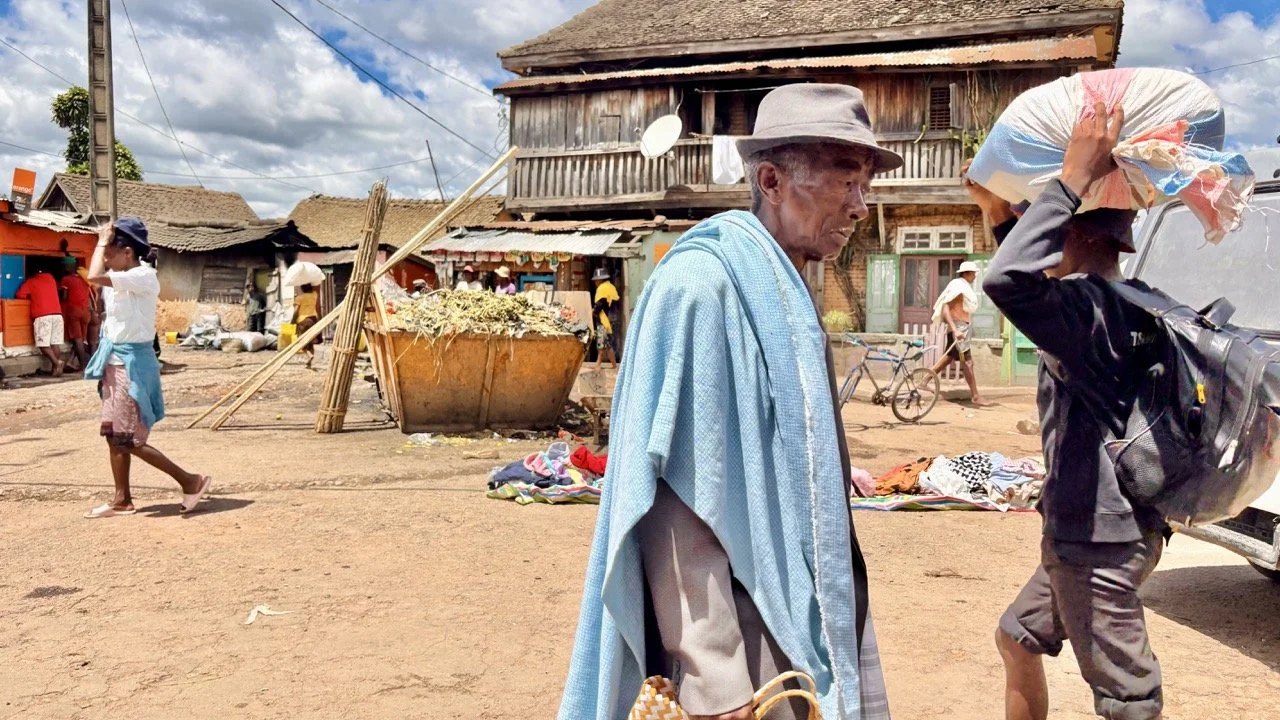
二、南方族群的傳統服飾:男子的帽子、披布與手杖;女子的頭飾與裹腹(服裝與象徵)
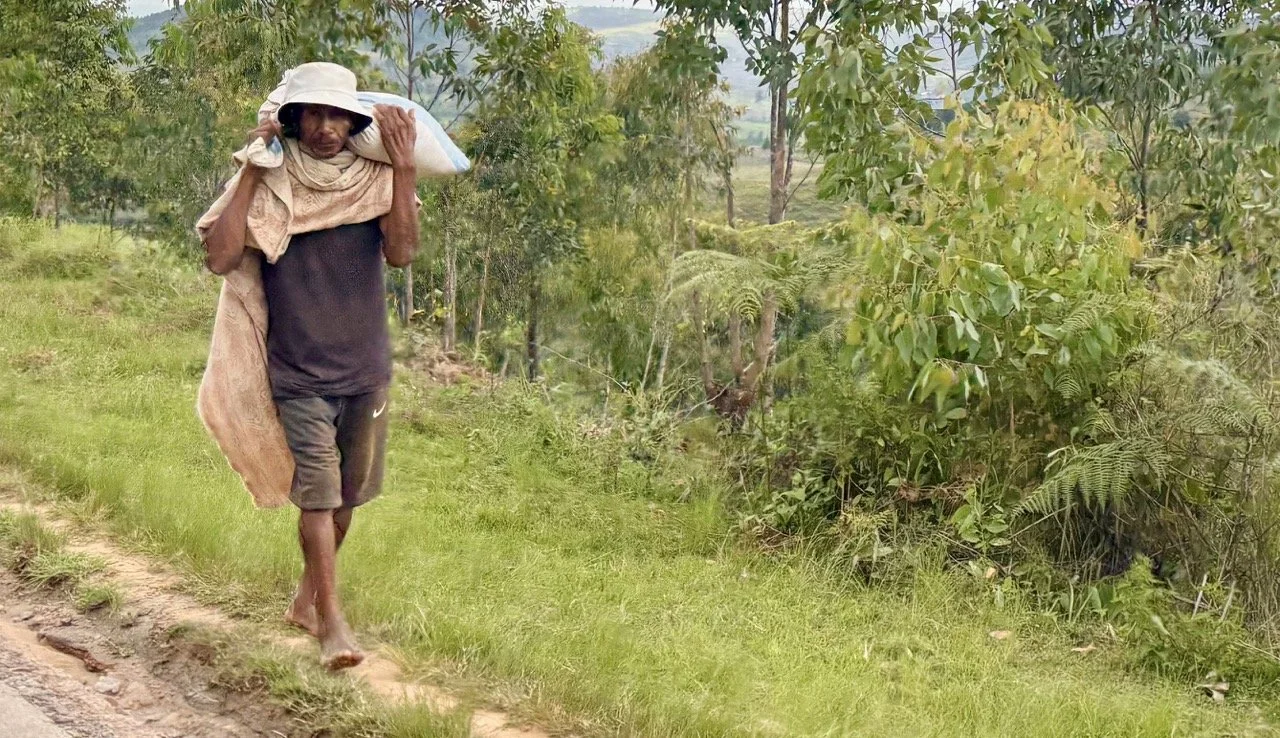
在馬達加斯加南部,我喜歡觀察當地男性的傳統穿戴:他們戴著特別的帽子,披著長長的布料,手上常握著一根棍子。這套服飾既實用又象徵尊嚴——帽子遮陽擋雨,披布可在需要時變成披風或睡蓆,手杖則是地位與成年禮的象徵(也是走山路的好幫手)。女性也有其獨特裝扮:頭巾、包裹腹部的布(像是一種傳統裹裙)既是美觀也是保護之用,代表婚姻、母職或族群身份。
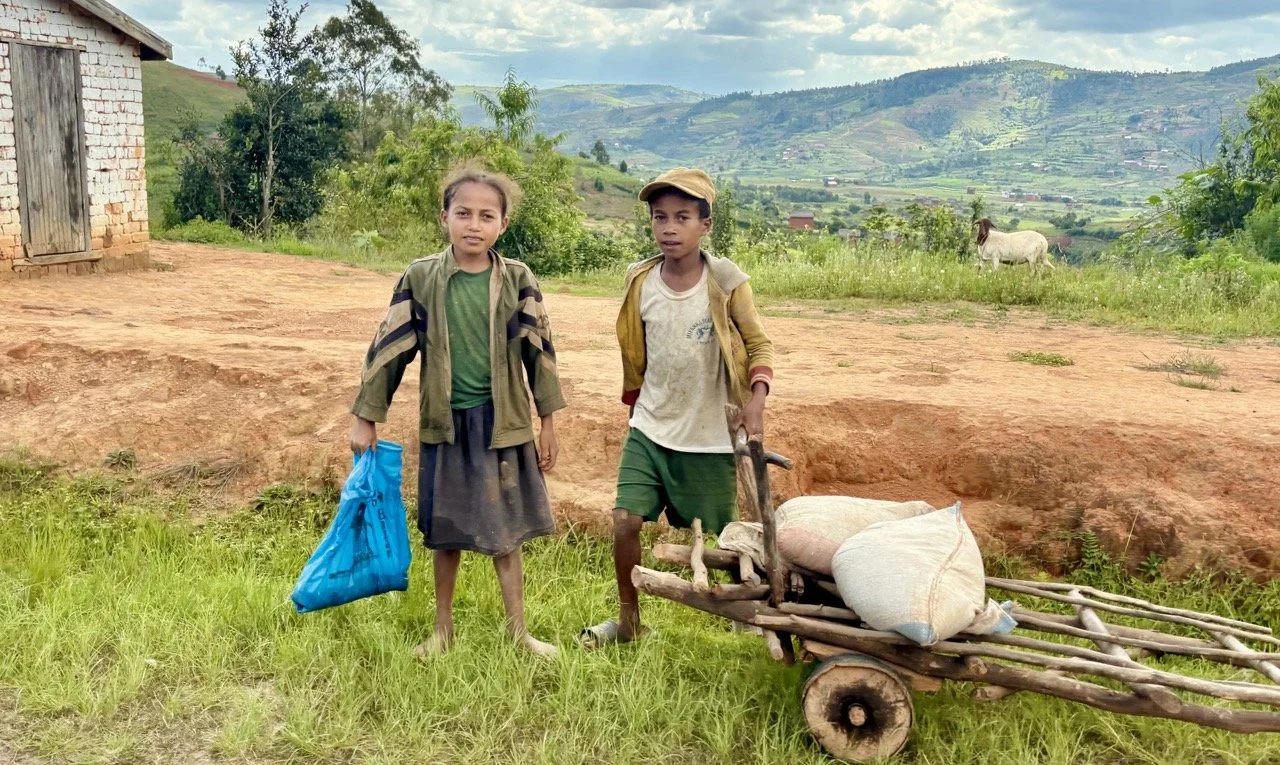
服裝的緣由很多時候和環境、生產方式與社會結構有關:乾熱的南部地帶需要遮蔽與通風;布料顏色與圖紋常含族群識別或家族符號;在祭典或儀式中,特定顏色和配飾更具有文化意義。個人感受?我特別喜歡看到當地長者那種把一條布裹出萬種風情的功力,既實用又像穿上故事。對攝影師來說,這些服飾是絕佳的人像題材,但務必以尊重和溝通為前提——一句微笑與一句「我可以拍一張嗎?」往往比最好的構圖還有效。
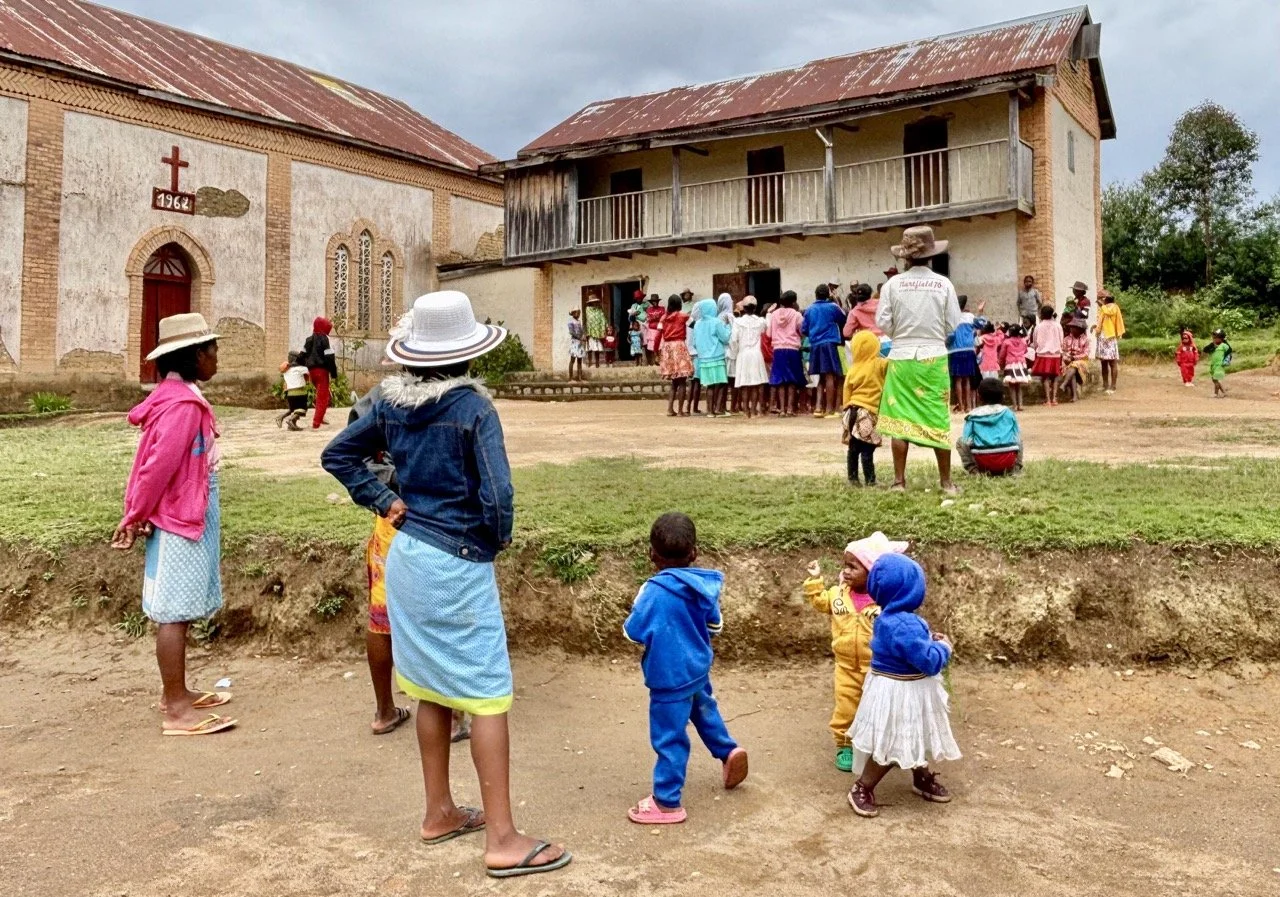
三、南方的在地產業:與生活經濟
南部社區的日常,不只是穿戴與祭儀,還有許多手作與小型工業支撐著生活:
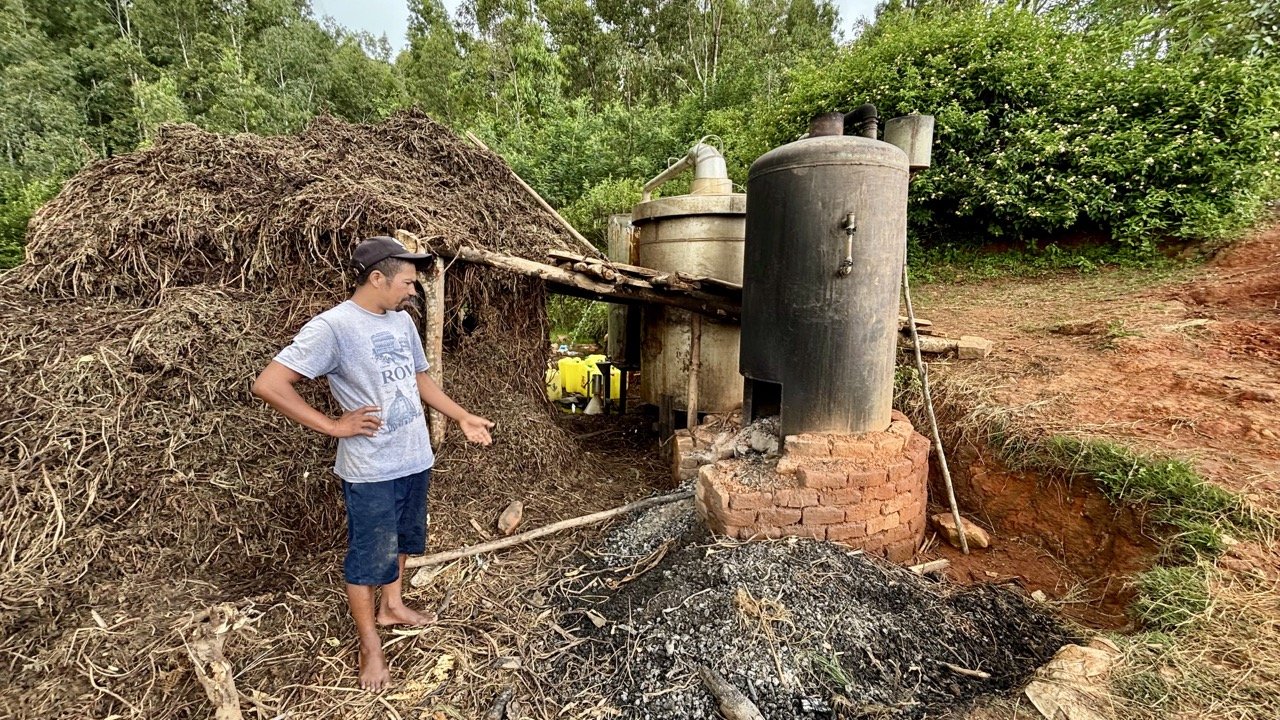
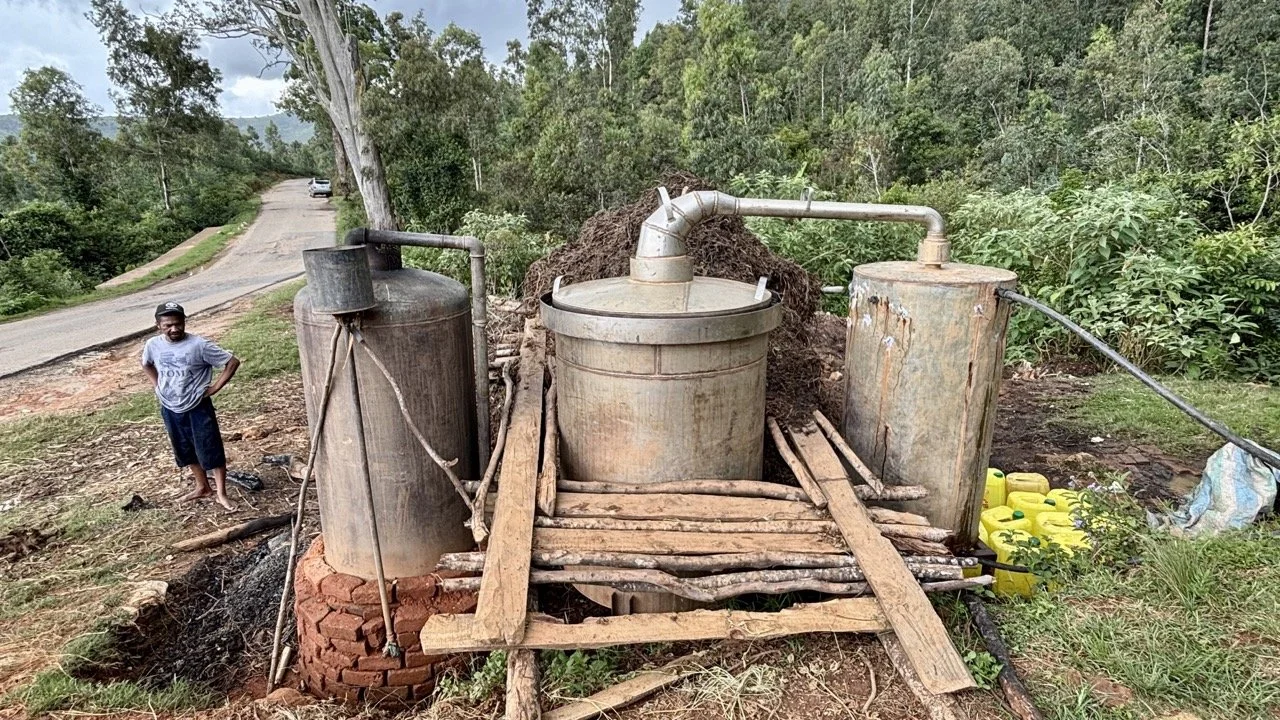
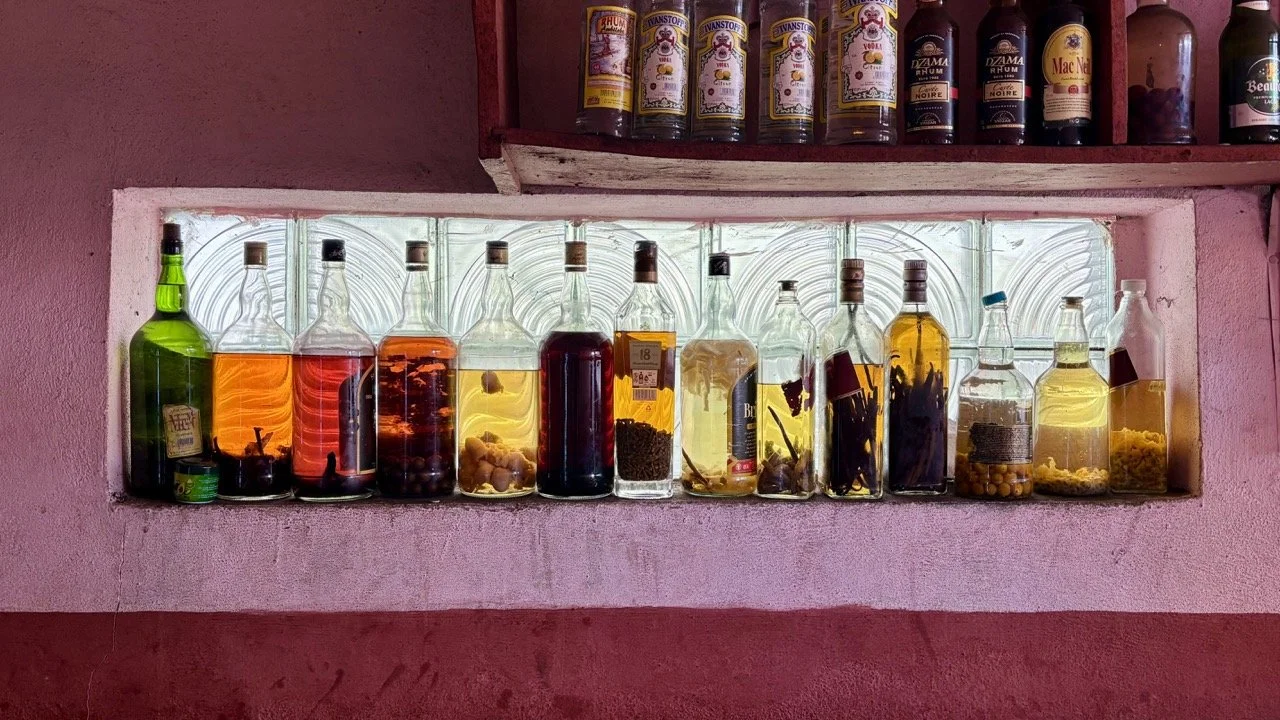
河邊釀酒與蒸餾(local distillation & brewing):在河岸或村落邊,傳統的發酵與蒸餾技術造就了地方性的烈酒與果酒(有點像我們的「家釀小酒」,只是多了熱帶風味)。這些酒既是節慶飲品也是社交媒介(結婚、喪禮、慶典都會出現),酒的製法常結合當地農作物與季節性水果。提醒:這類小作坊安全與衛生狀況不一,嘗試前可問清楚來源與做法(好奇心要有安全底線)。
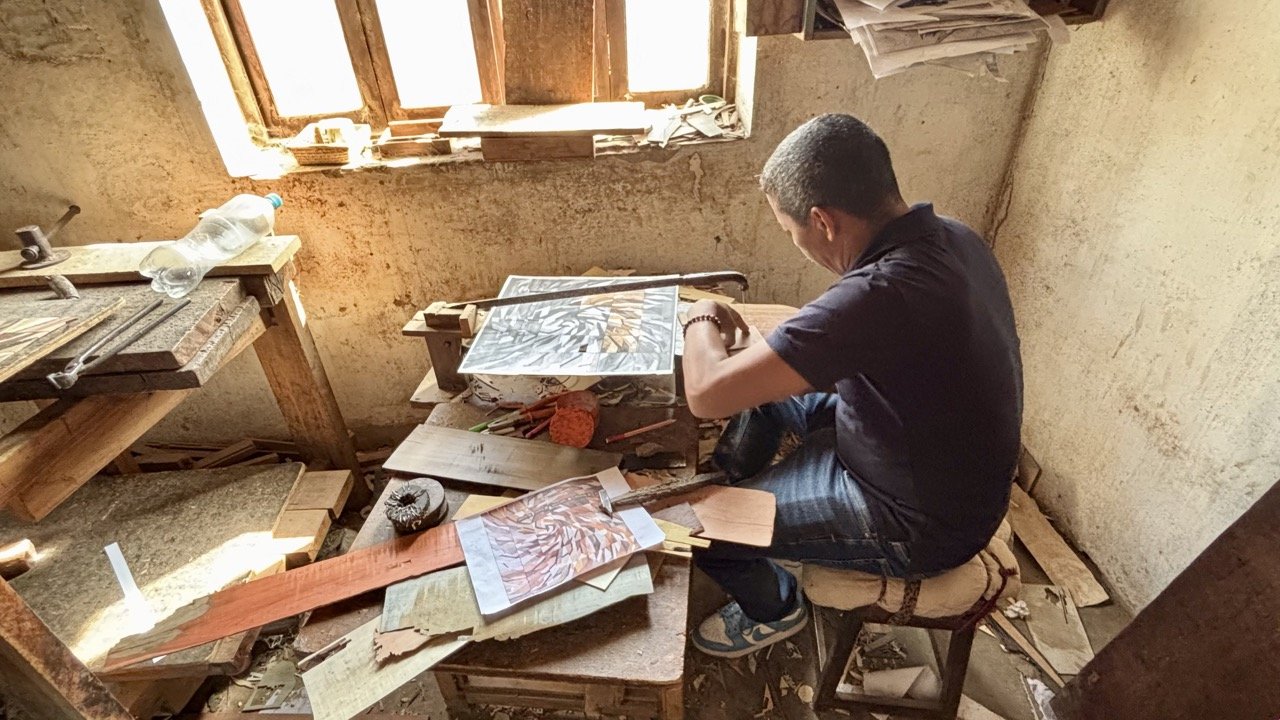
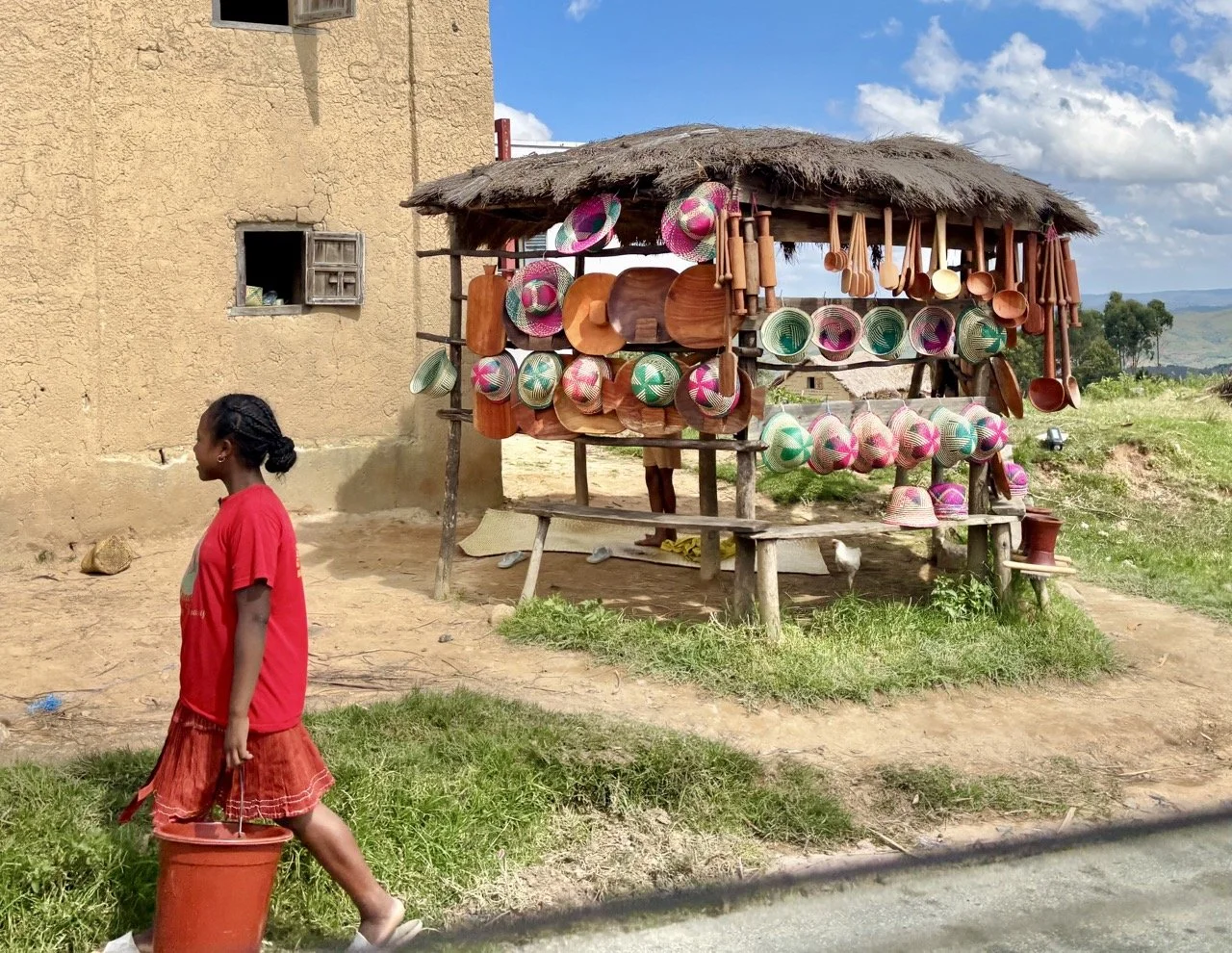
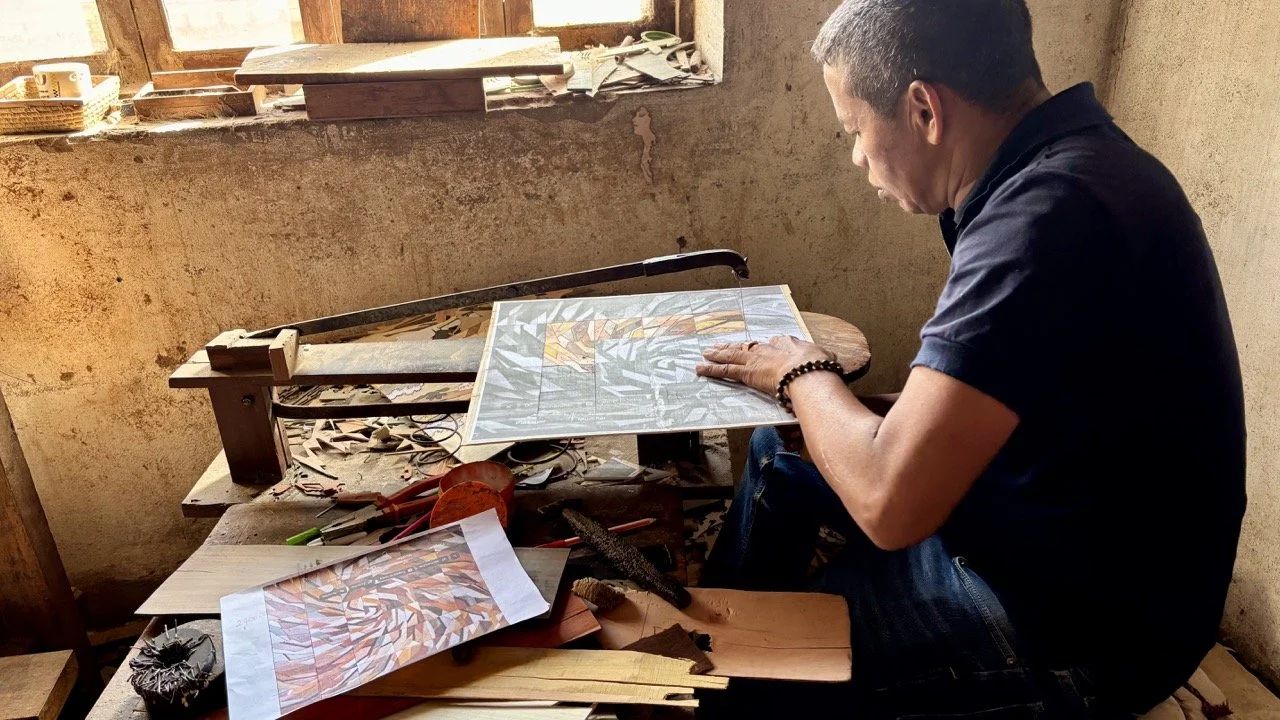
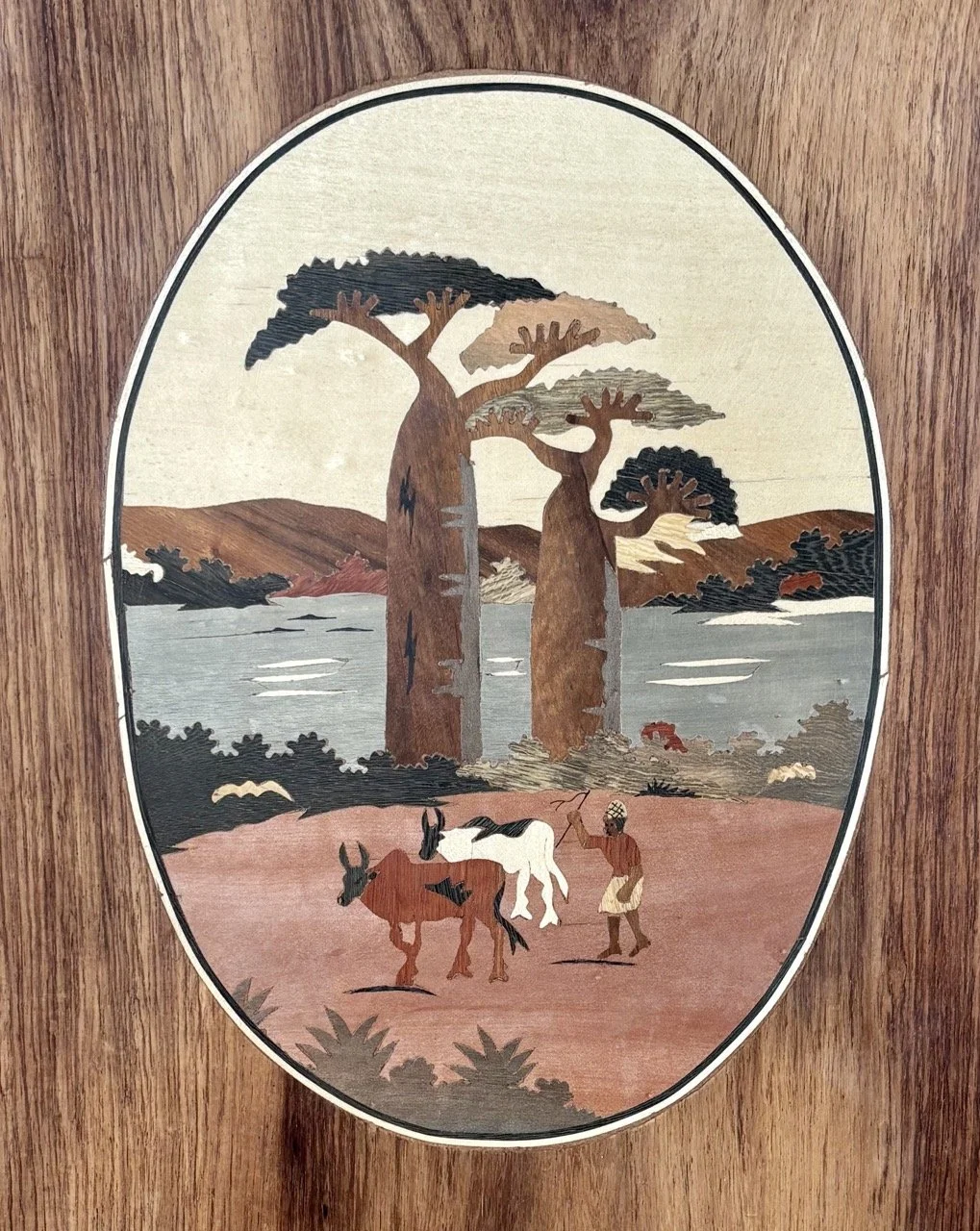
木雕與手工業(wood carving & crafts):精緻的木雕、家具與器皿,反映出當地對樹木材料的熟悉與巧手技藝。遊客常買到雕刻的祖先面具、動物造型或實用器皿,作為文化紀念。這些手工藝往往由家族傳承,買一件代表支持在地手工經濟,也把一段故事帶回家。
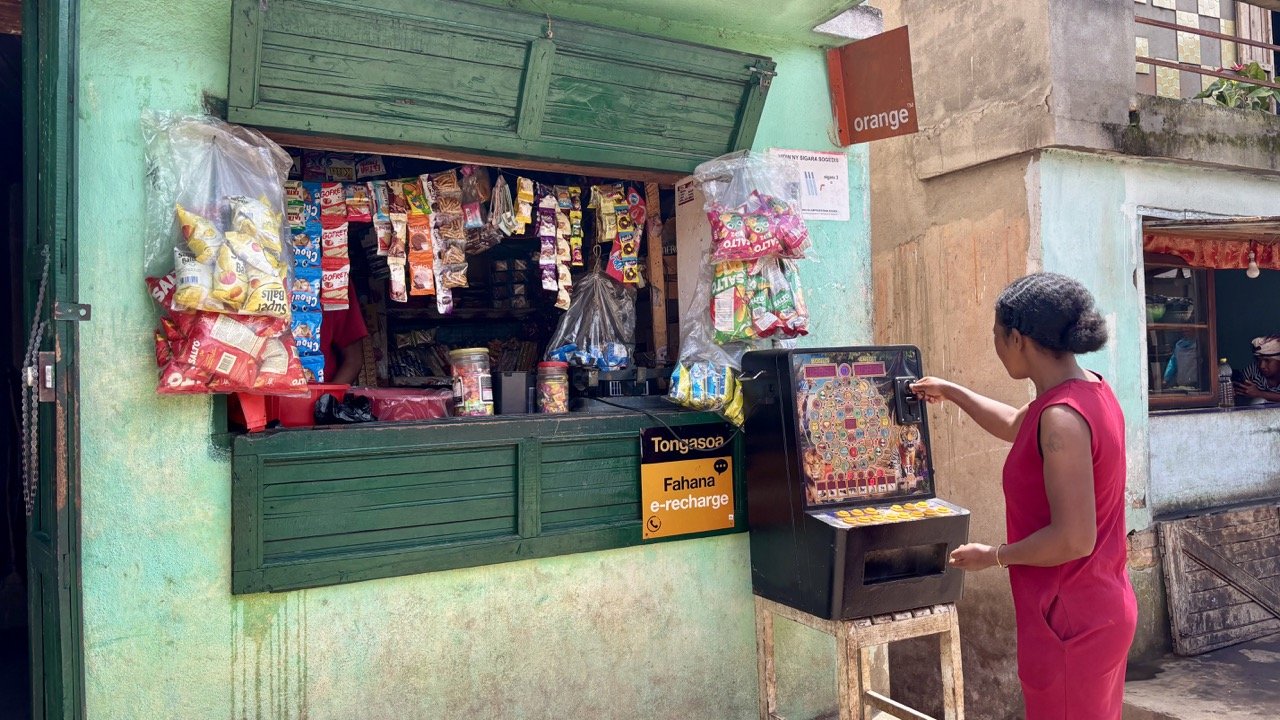
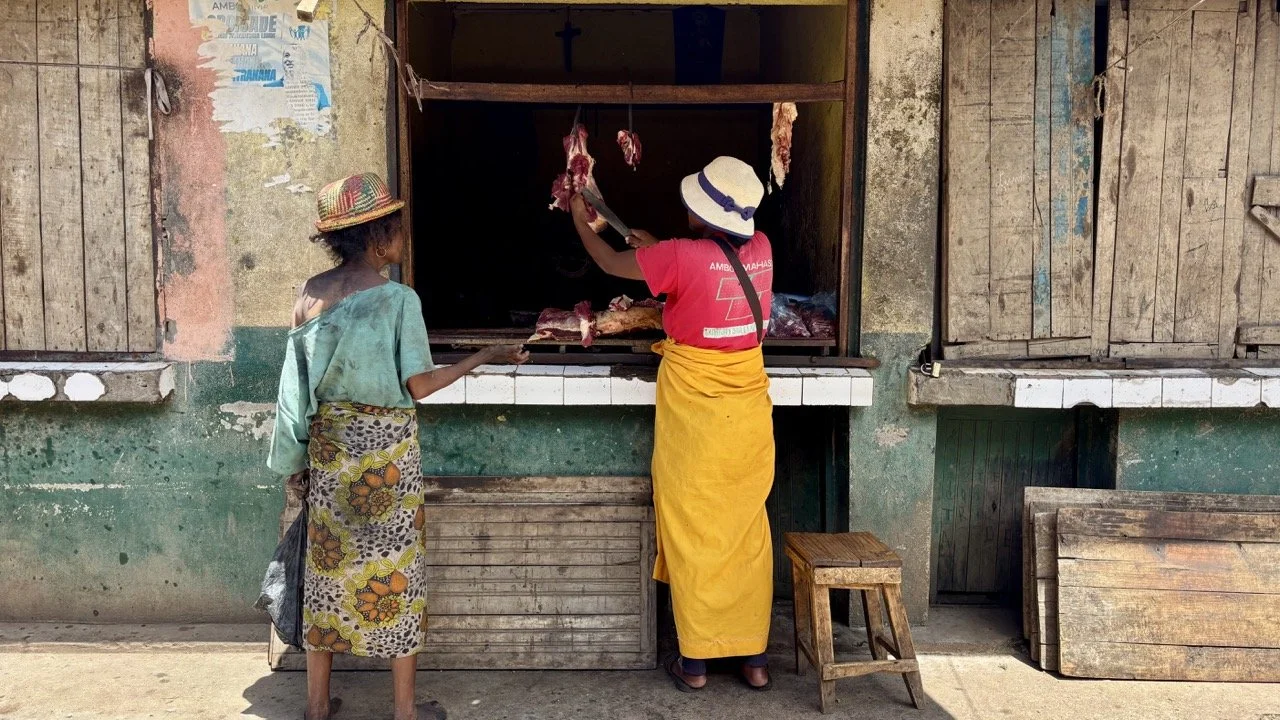
小型農業與市場:南部沿河地帶也以小農為主,市集上可以看到當地的調味料、乾果與手工食品,是攝影與味覺探索的好去處。
個人感受是:在河邊看到老人家把當年祖傳蒸餾法教給小孫子,那種「手藝代代傳」讓我非常感動。別忘了:買一件手工木雕,不只是購物,也是對文化的支持與認同。
結語
馬達加斯加的文化像一道層次豐富的炖菜:有傳統、有儀式、有手藝,還有突如其來讓人笑出聲的小插曲(例如我第一次嘗試當地酒,結果比我想像中烈很多——天哪)。如果你真的想深入了解這些文化,來以前先準備好好奇心、尊重心與一點耐心。
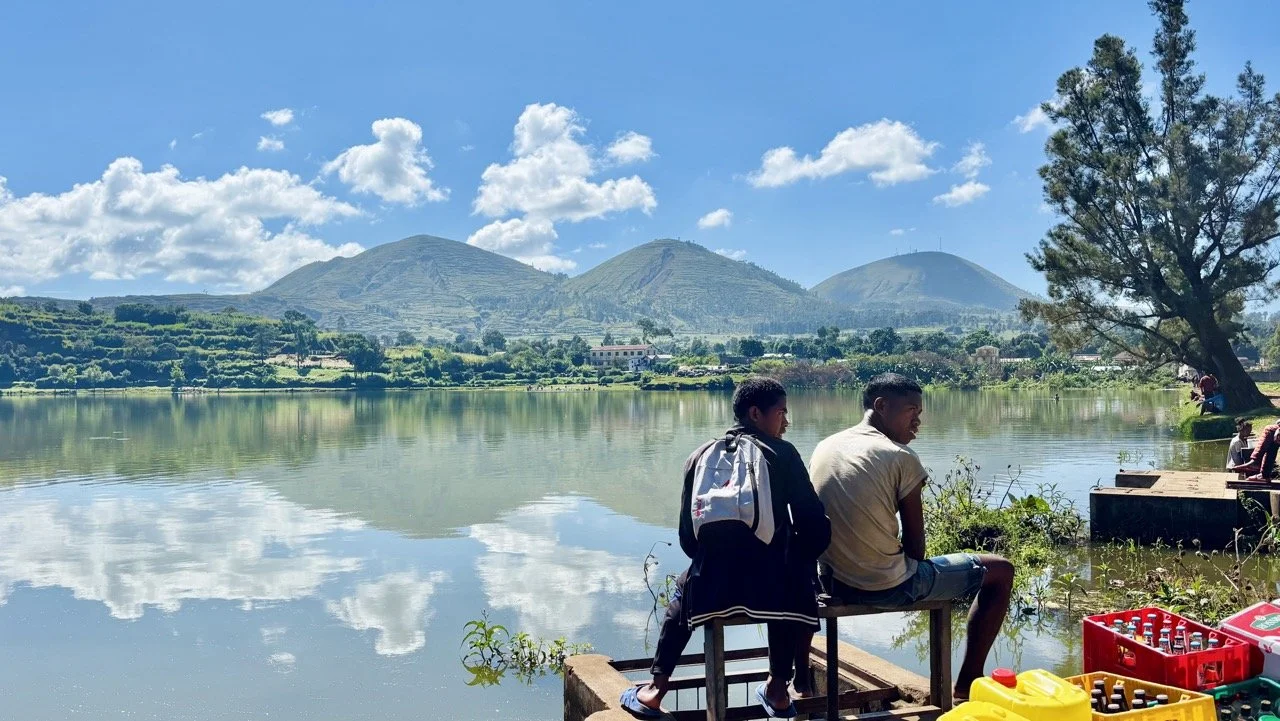
拉努馬法納/馬達加斯 1–3 天行程規劃
1日精華(適合短停)
07:00 抵達 Ranomafana → 07:30 國家公園清晨導覽(追蹤狐猴) → 12:00 午餐於鎮上小館 → 14:00 瀑布與溫泉區散策 → 18:30 夜間導覽(夜行性生物拍攝) → 20:30 回旅館整理照片。
實用建議:清晨導覽前請先與導遊約好「靜音拍攝」規則;備好乾燥袋與備用電池。
2日推薦(較完整)
Day1:早晨國家公園導覽 → 下午村落與市場人文拍攝 → 夜間微距導覽。
Day2:全天 Maromizaha 或附近次生林徒步(較多鳥類與變色龍),傍晚瀑布長曝與日落光線。
3日深度(攝影師方案)
Day1:清晨至中午國家公園狐猴追蹤(專注動物行為) → 下午市場人文與溫泉區。
Day2:全天遠足拍攝微生態與鳥類 → 夜間長曝與微距。
Day3:補拍收集與在地交流(手作、導遊訪談),整理備份並離開。
交通方式
抵達:多數旅客從首都塔那那利佛(Antananarivo)搭乘內陸航班或長程巴士到 Fianarantsoa,再轉車前往 Ranomafana(約 1–2 小時車程)。也可直接包車從周邊城市前往。
地面交通:地區道路以山路為主,雨季泥濘,建議包 4x4 或聘請當地司機導遊。若你像我一樣想少操心導航,包車是最省心的選擇(並可抓緊清晨/黃昏拍攝時段)。
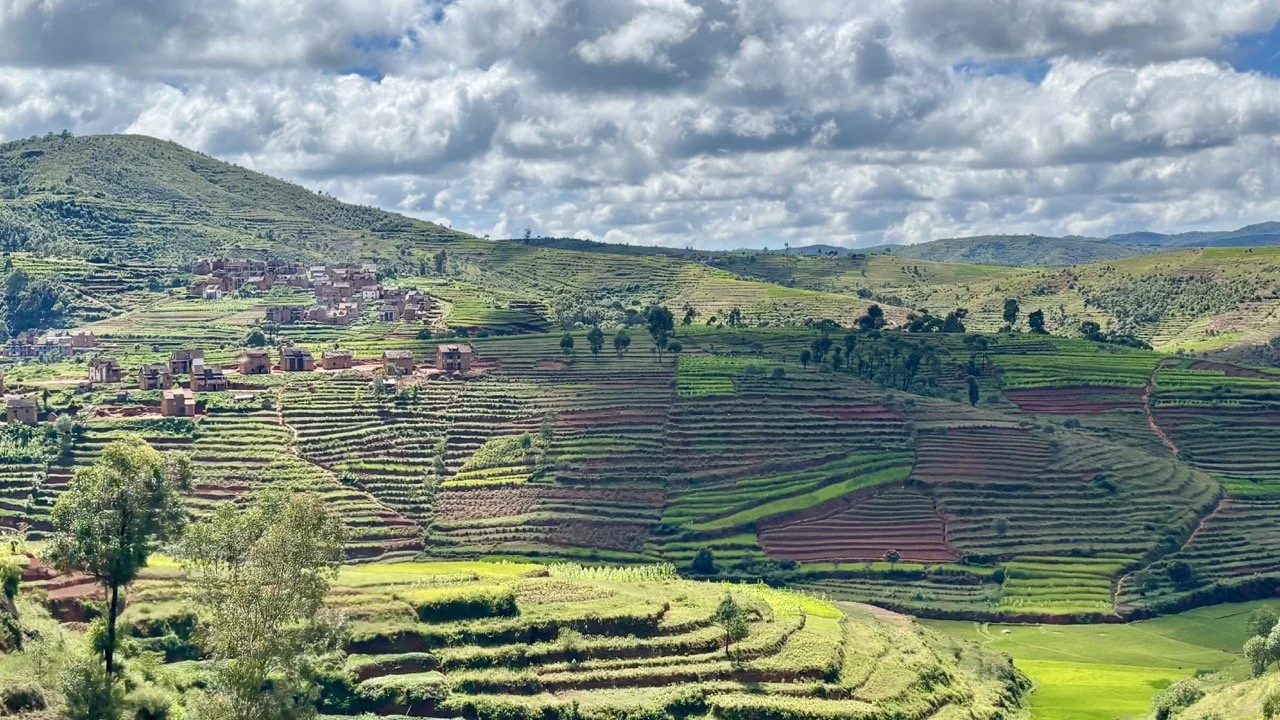
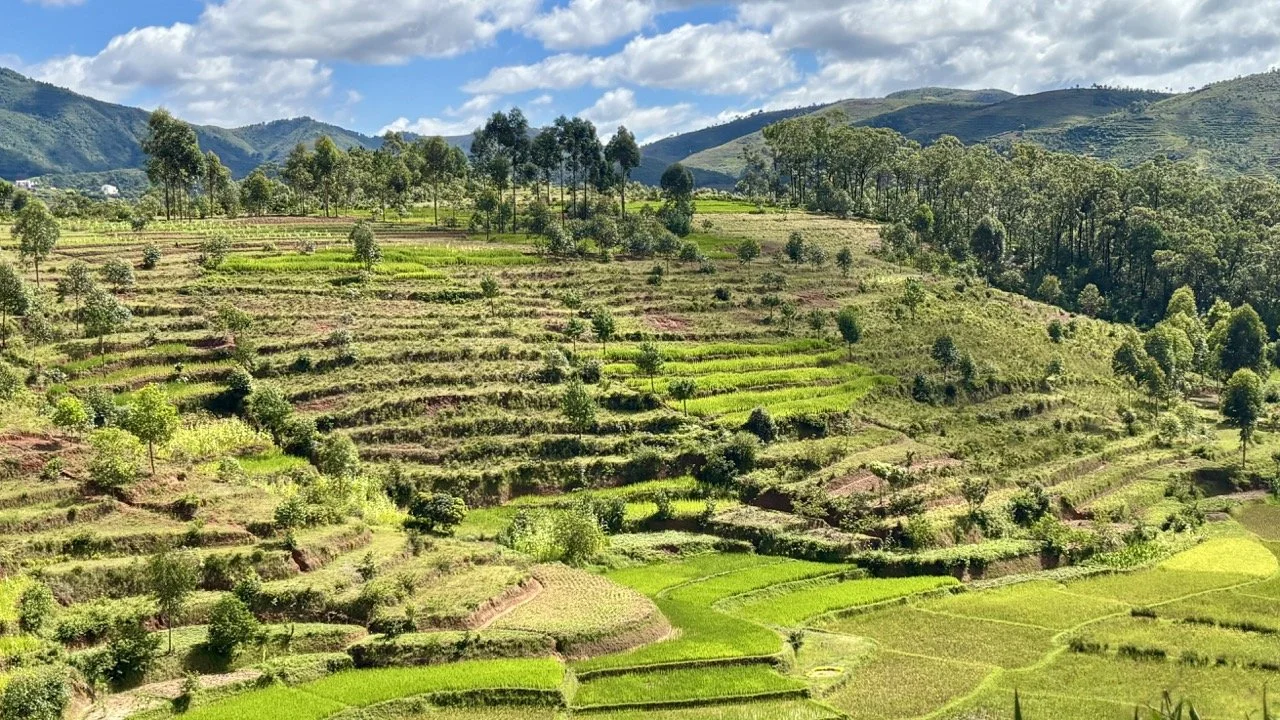
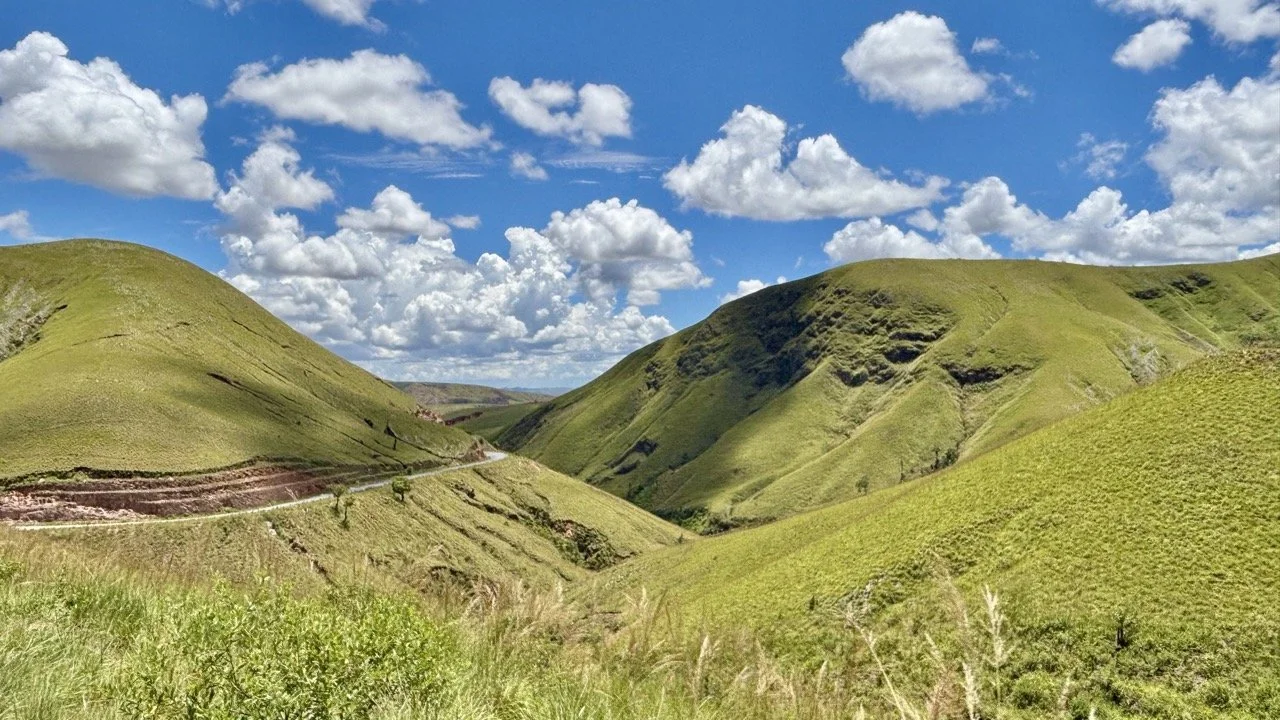
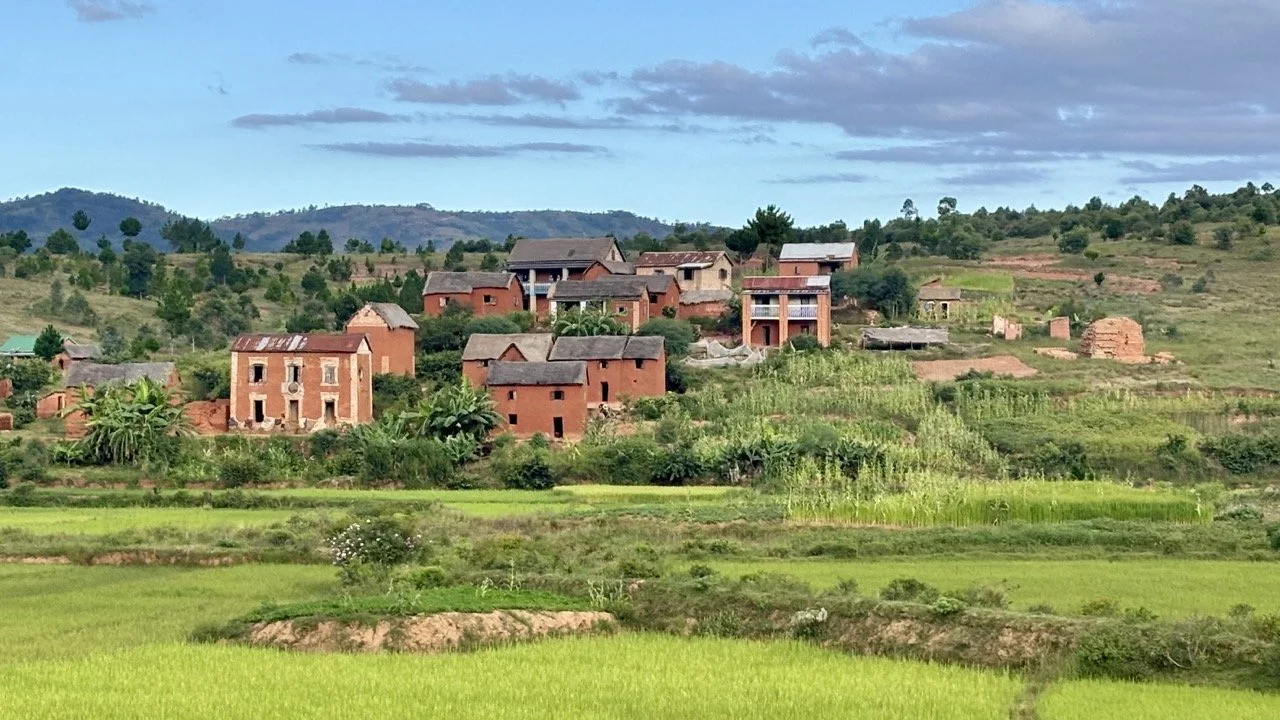
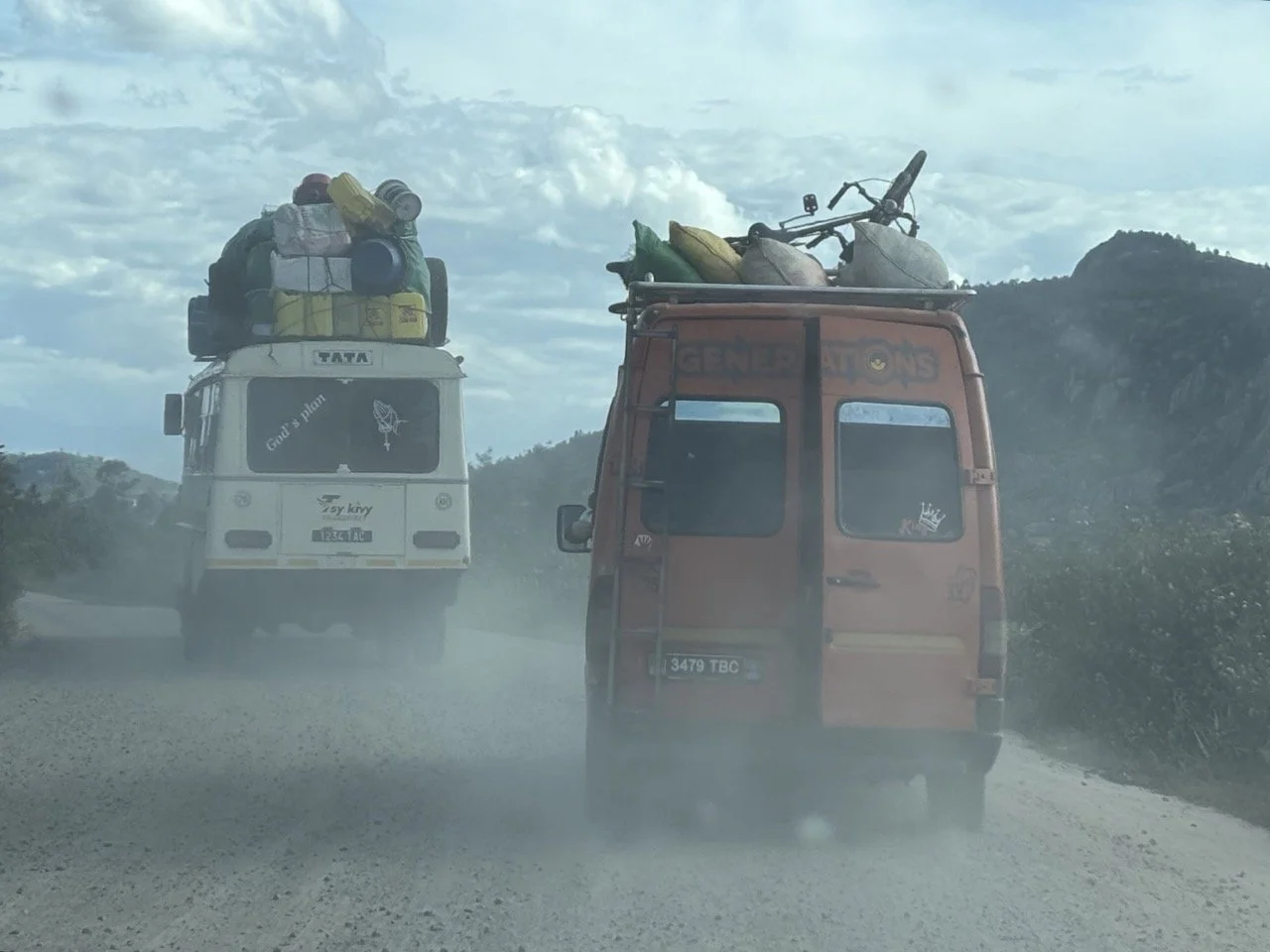
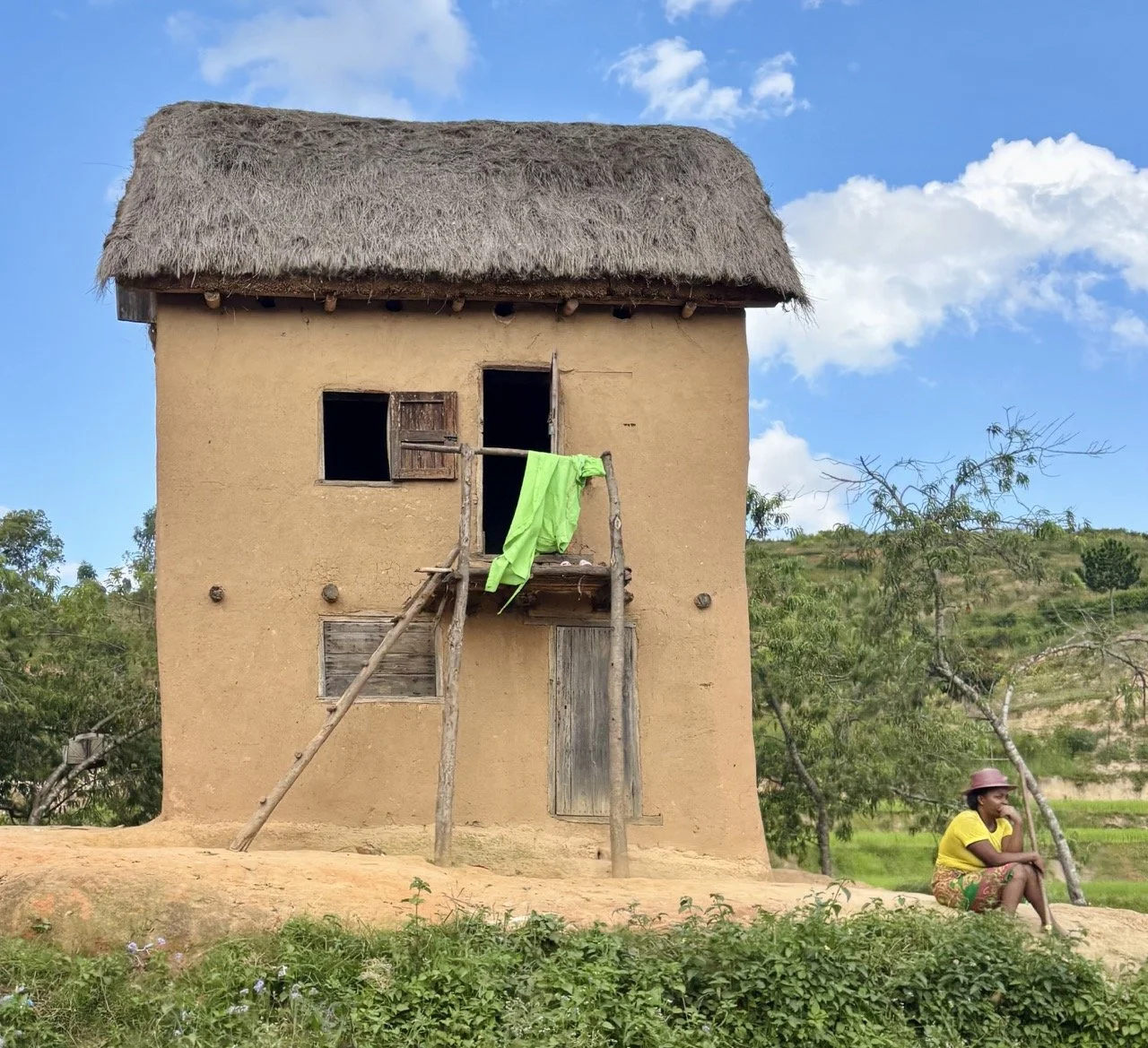
從 Antsirabe 開車往 Ranomafana,是一段會讓你頻頻按下快門又忍不住放慢呼吸的路。這條路線穿越高原與山谷,沿途有層層梯田、熱鬧市集和手工煉鐵的工坊——每一處都像一幅生活畫。
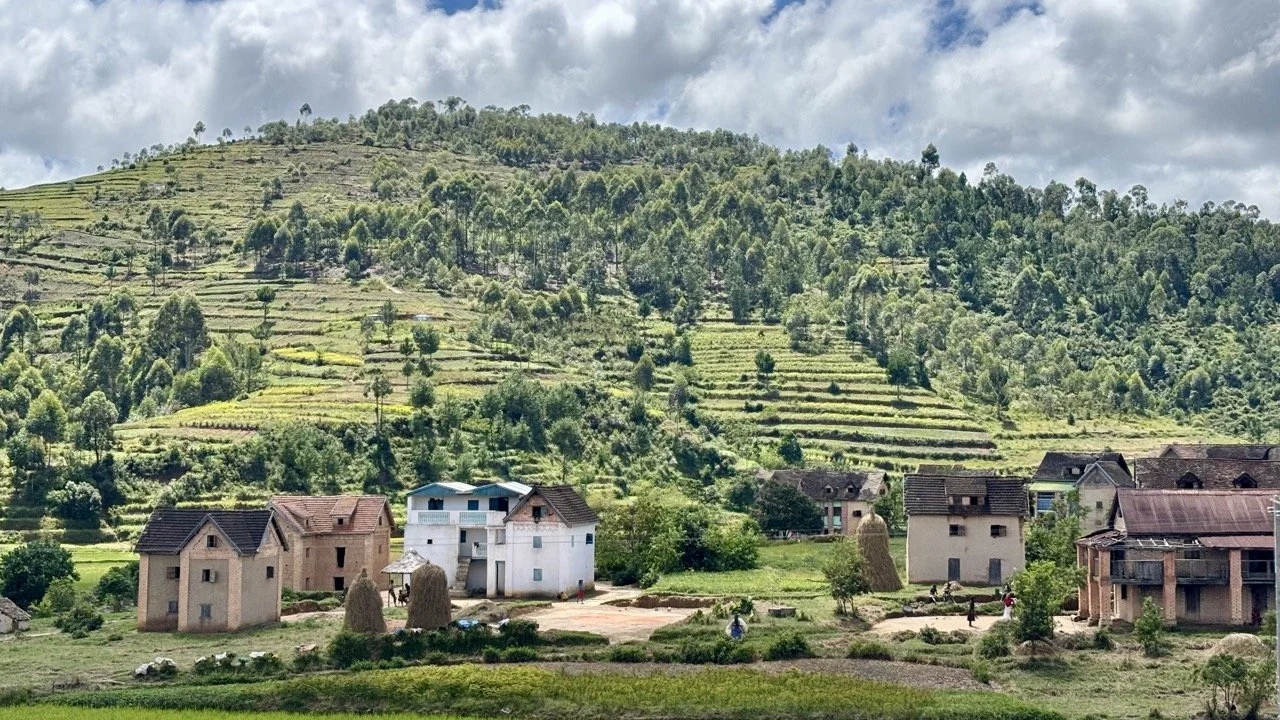
梯田與山坡田園
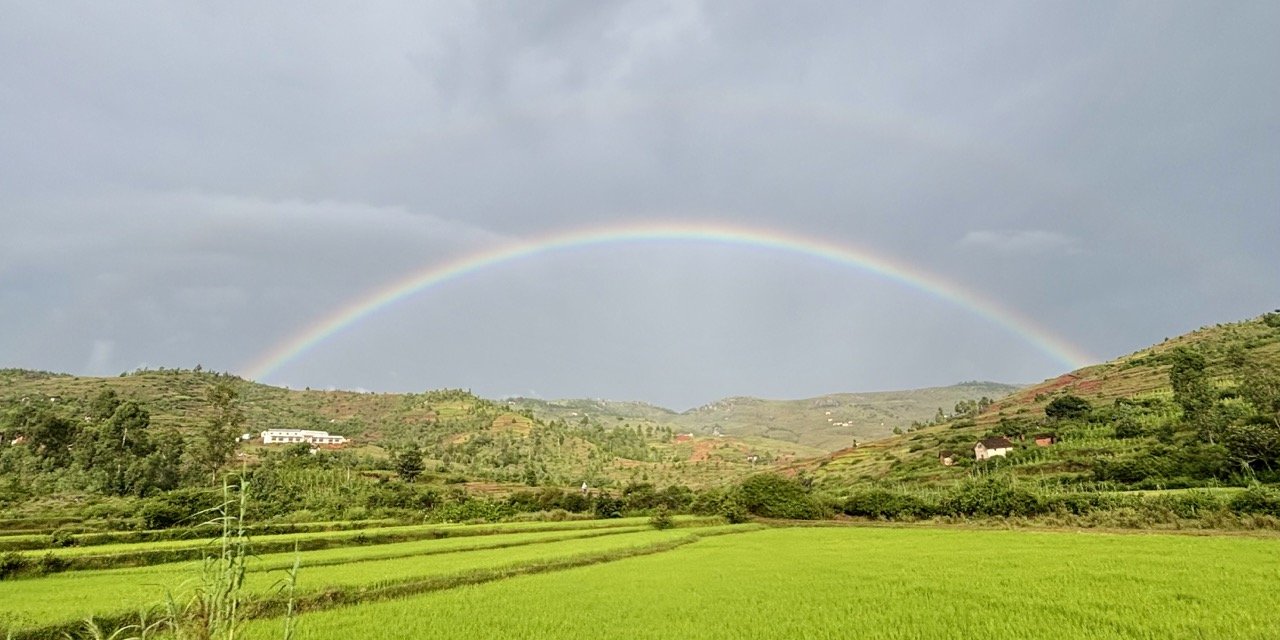
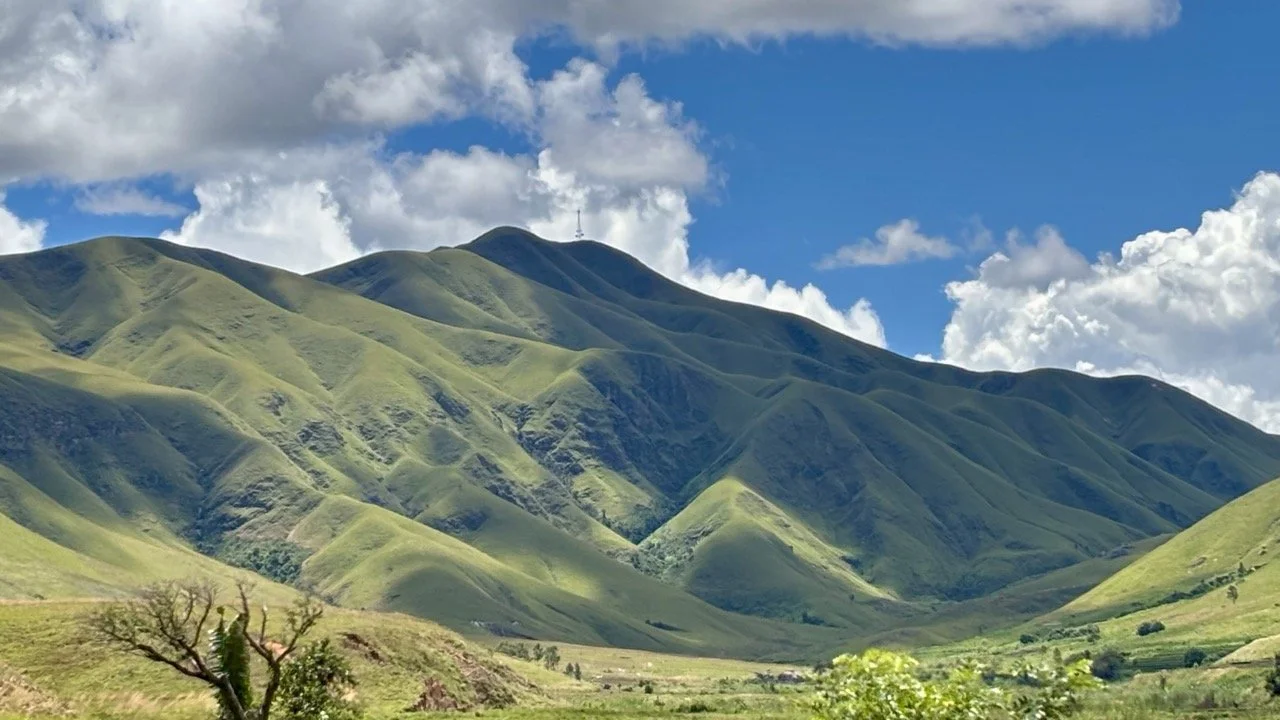
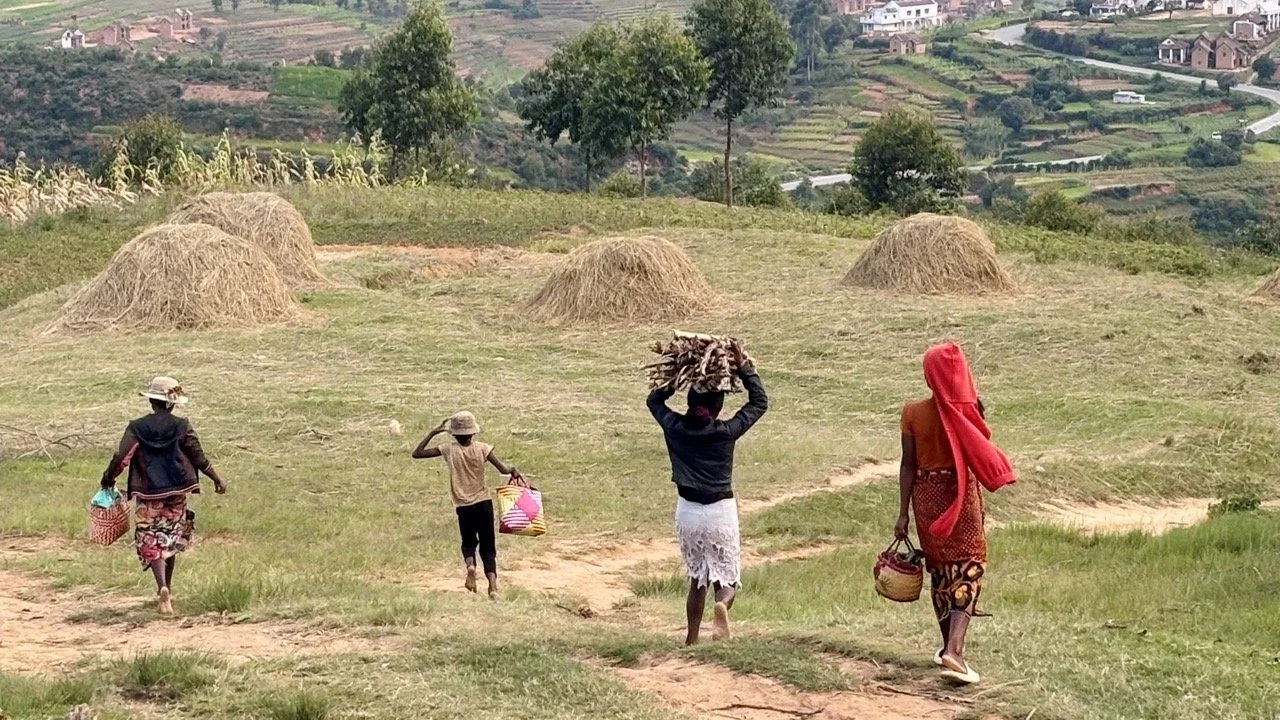
路邊的梯田像綠色階梯,把山坡一層層切成田,陽光時而灑落、時而被雲遮住,那種光影效果對攝影師簡直是免費的濾鏡。我特別推薦清晨或黃昏通過,柔和光線能讓稻田反光出金屬感的紋理。
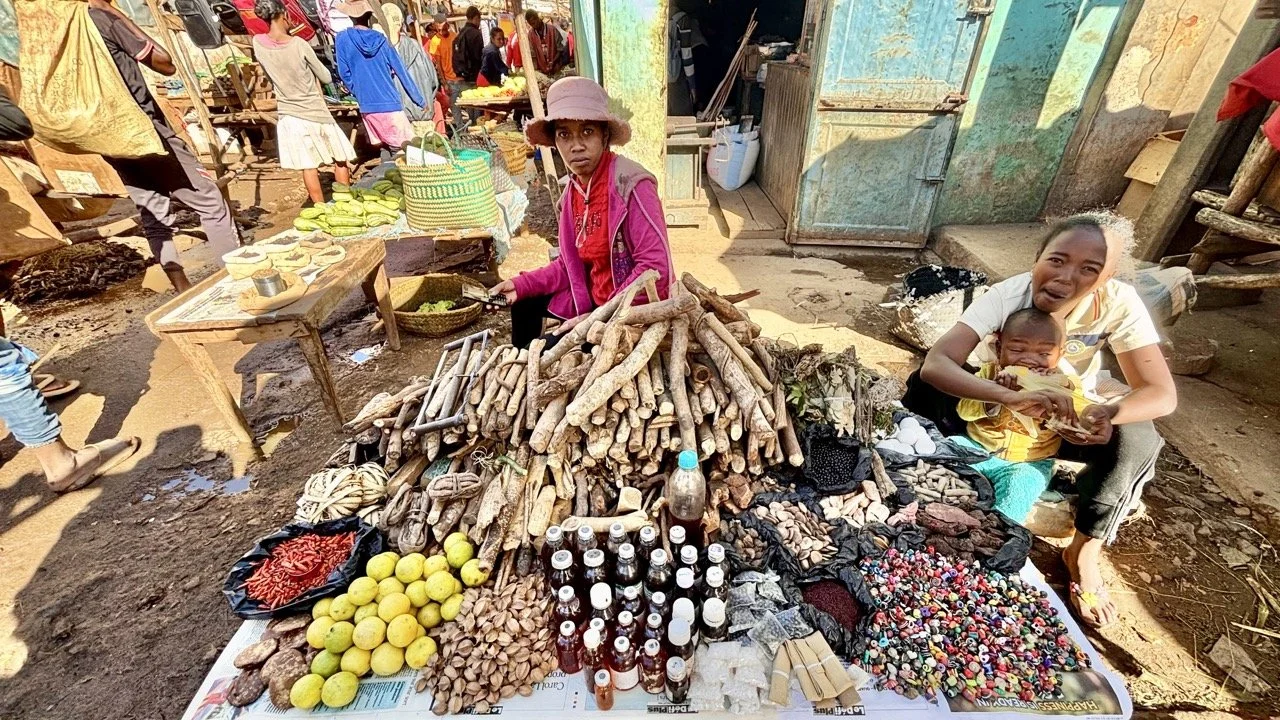
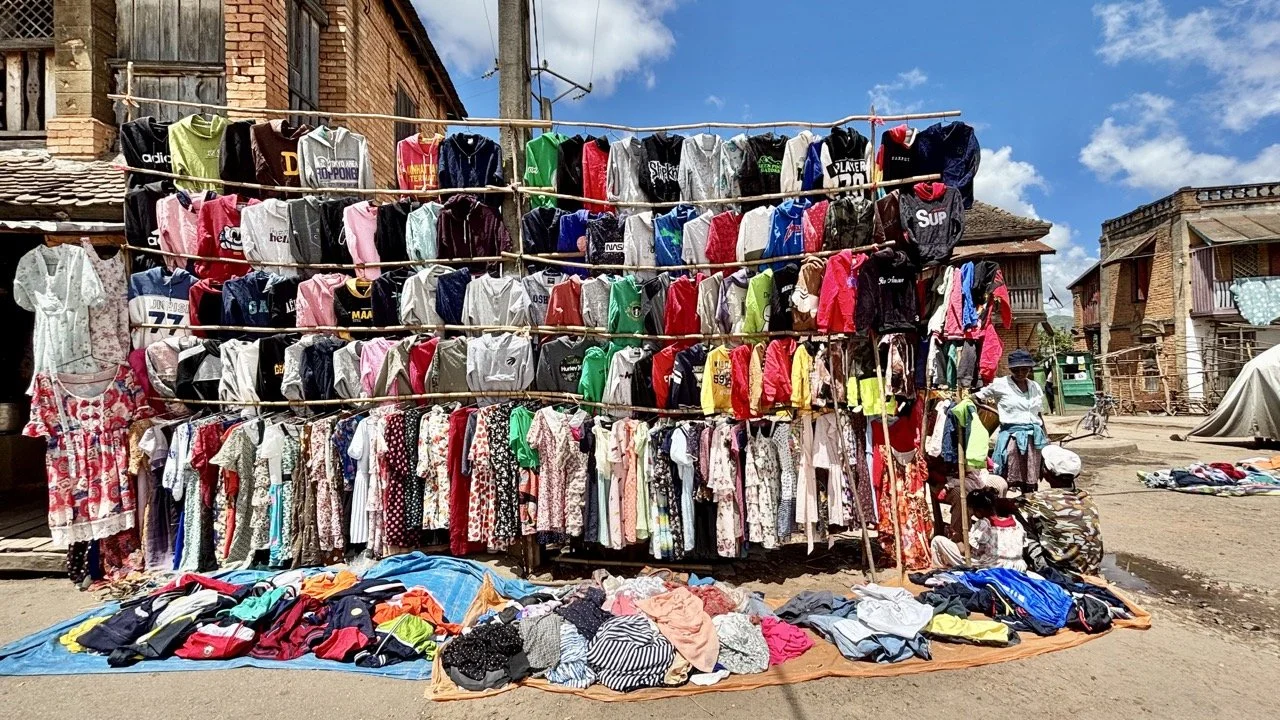
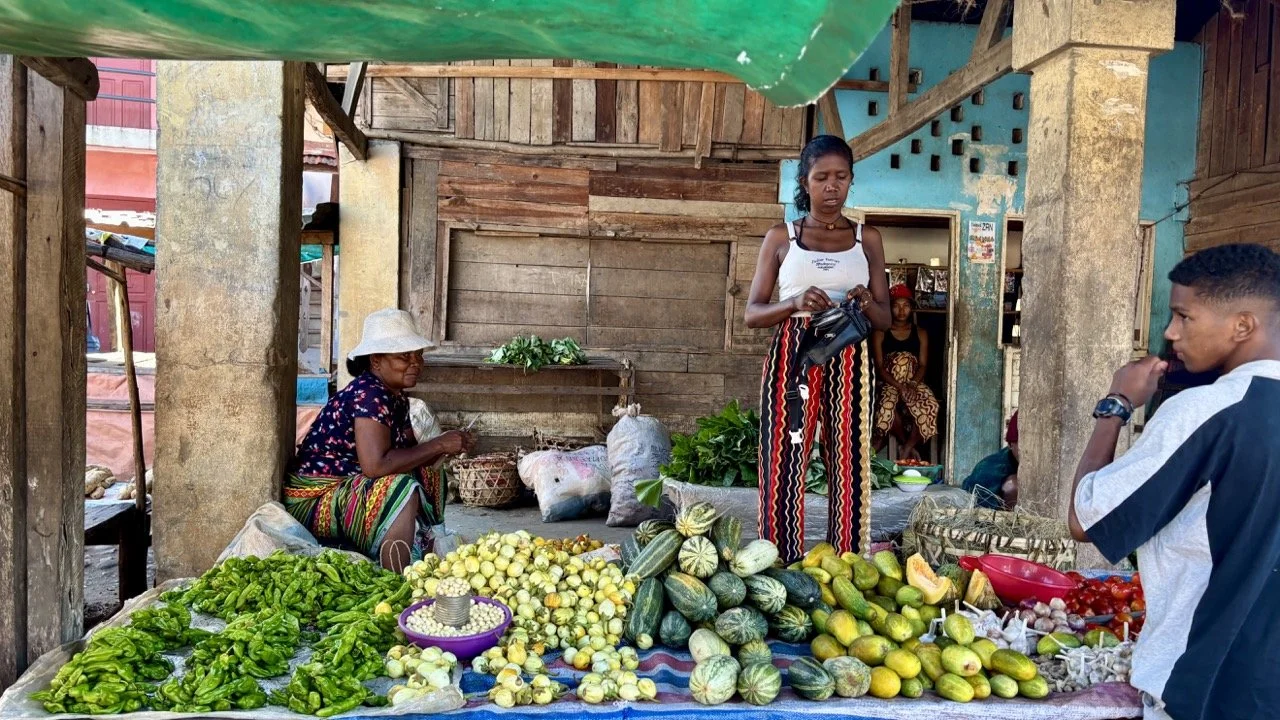
當地市集(Markets)
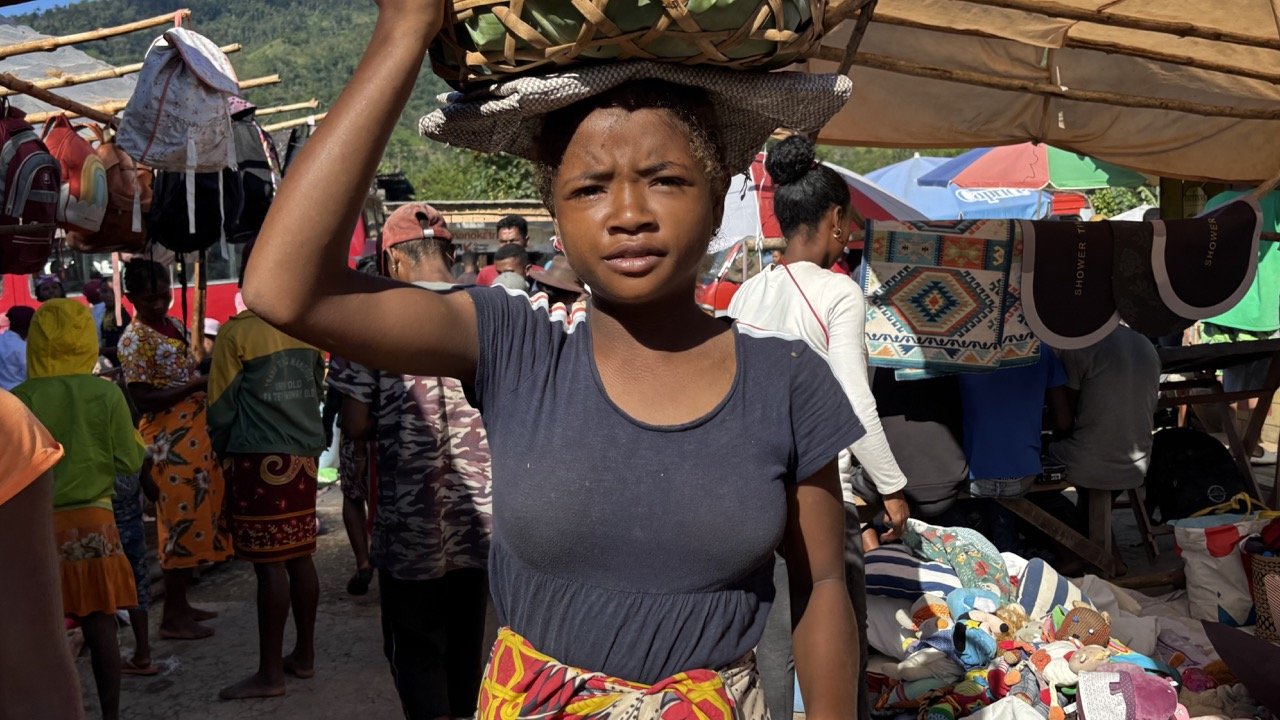
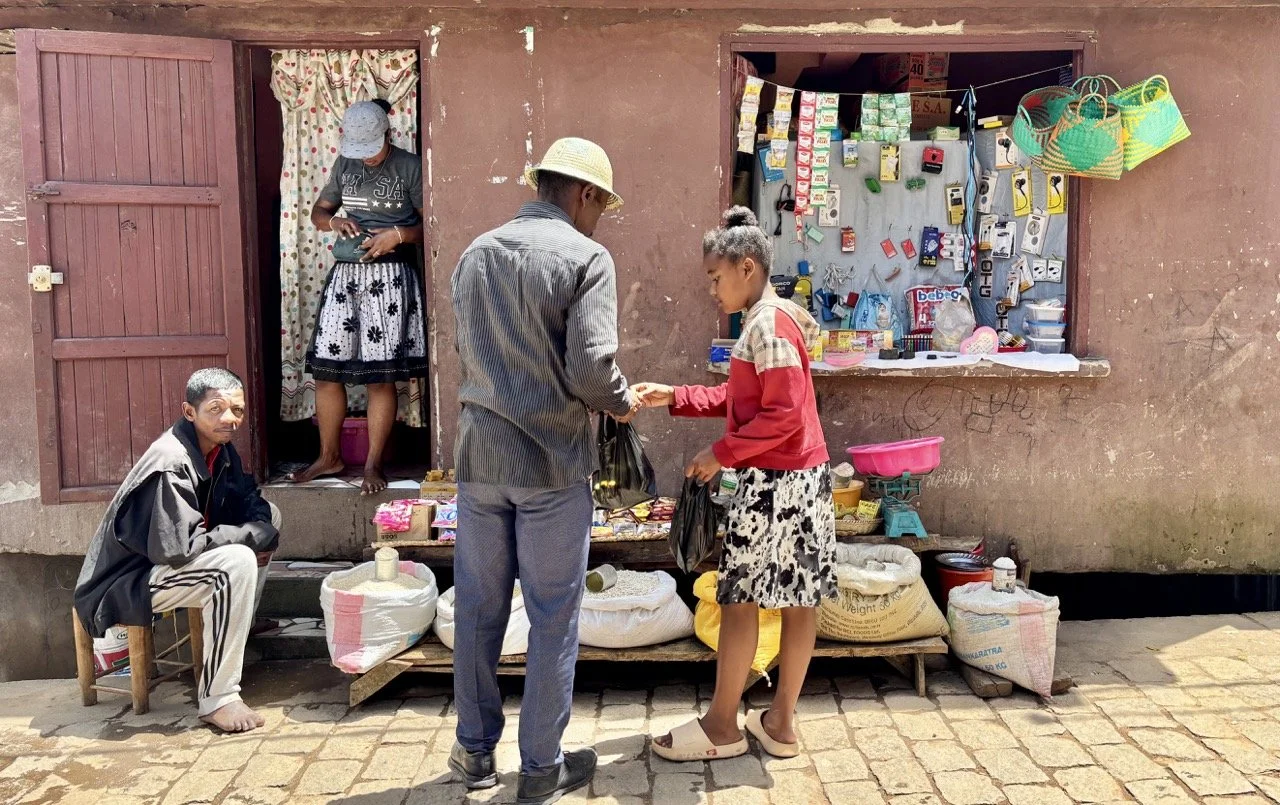
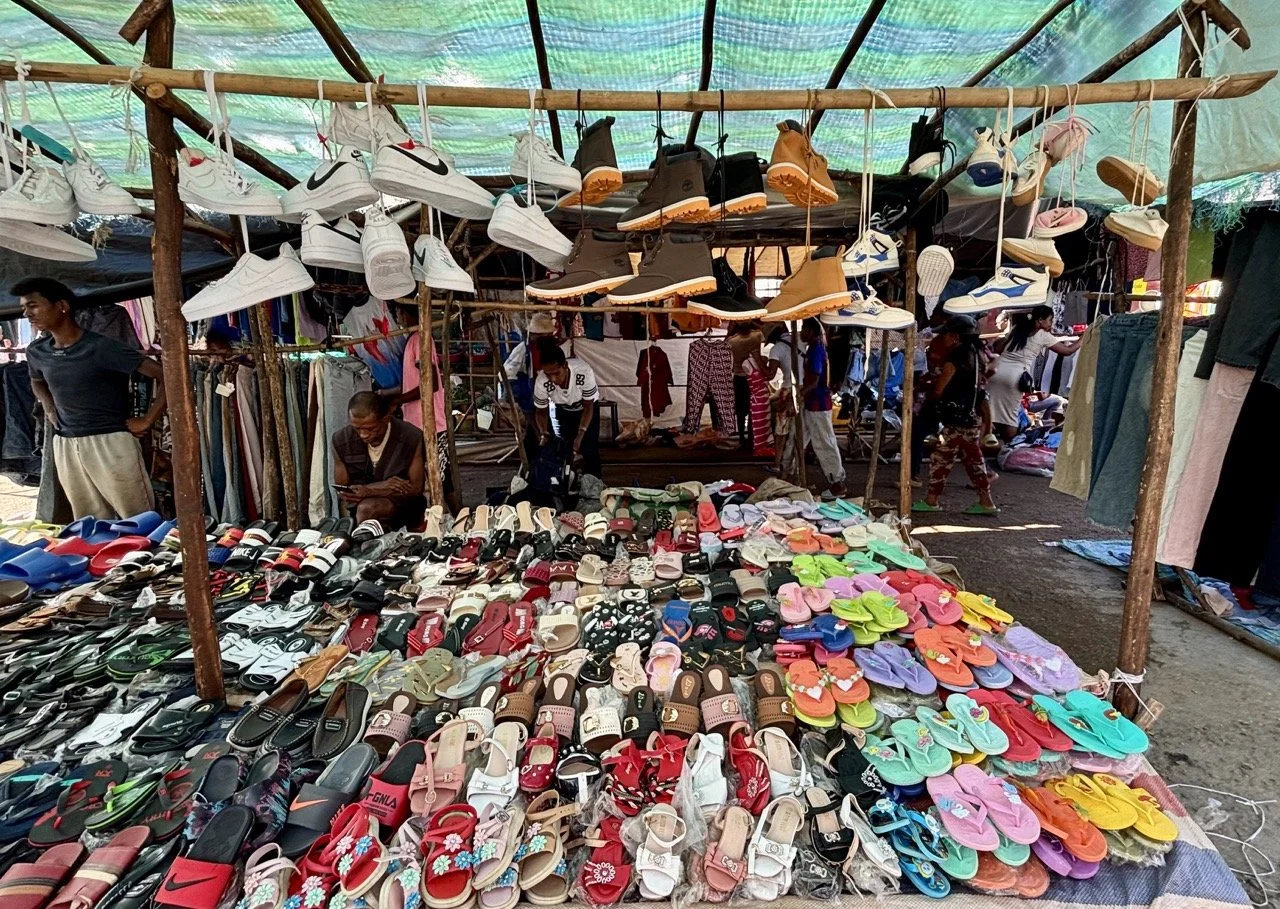
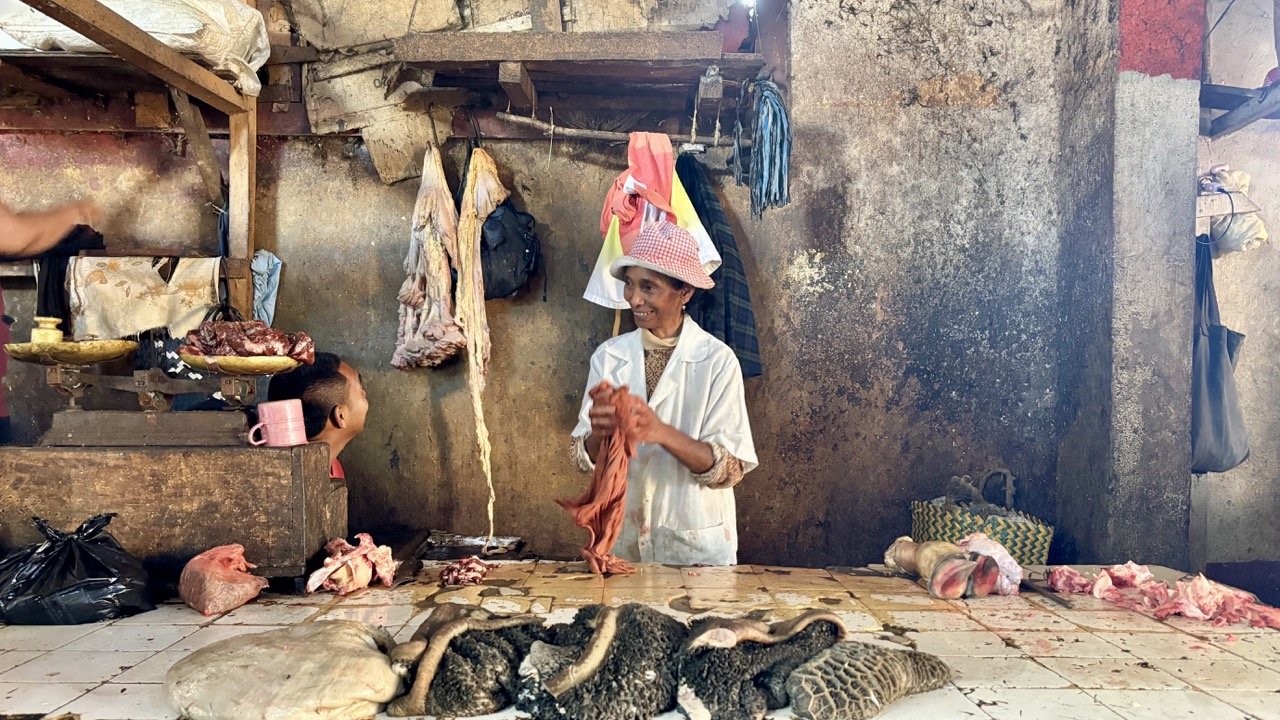
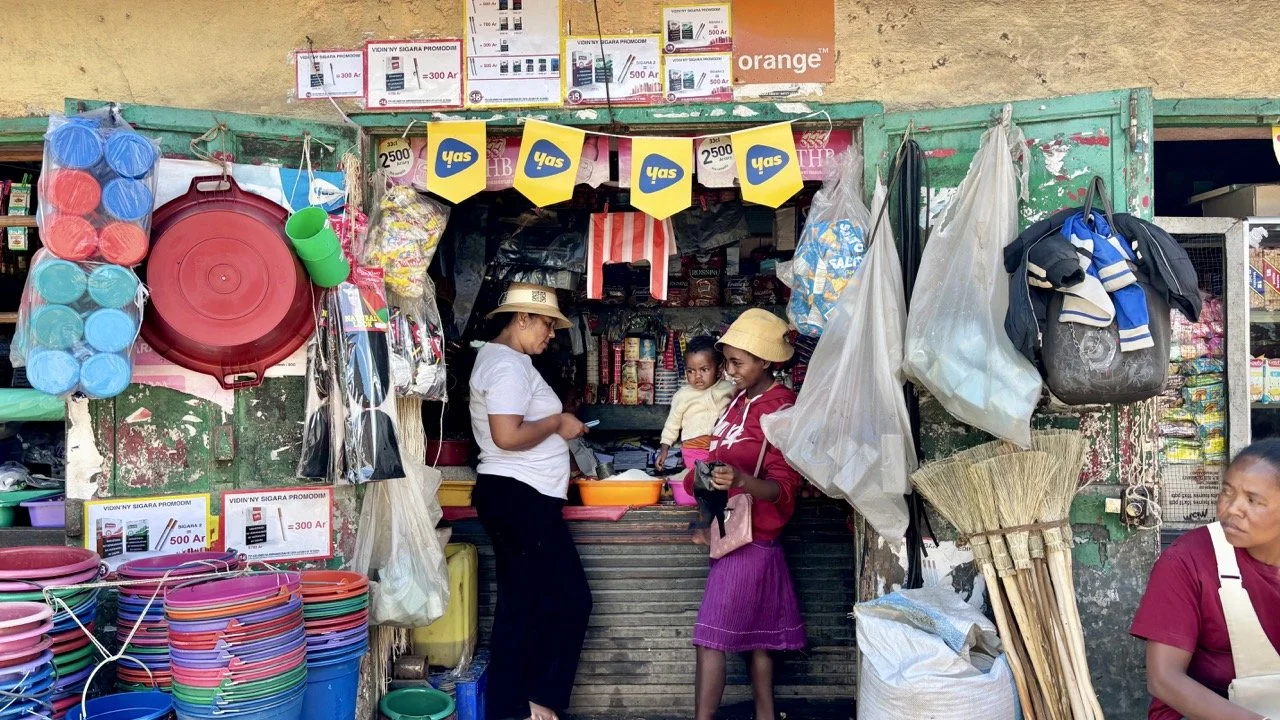
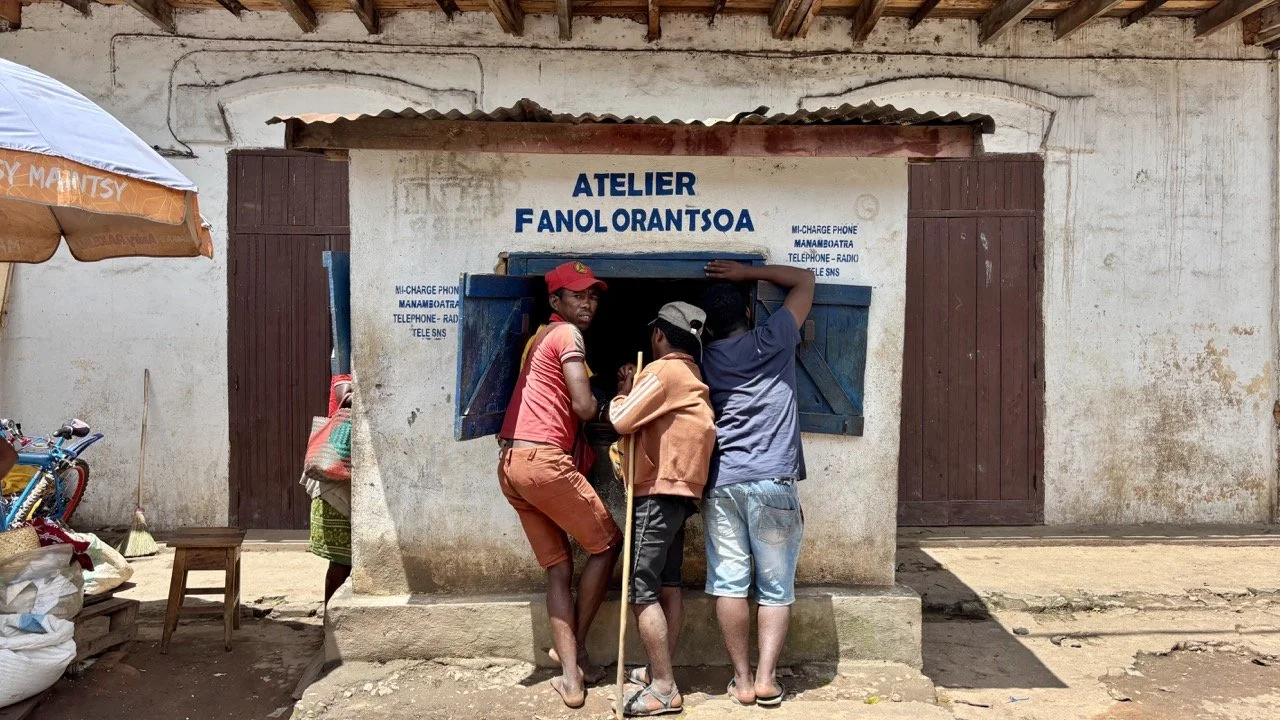
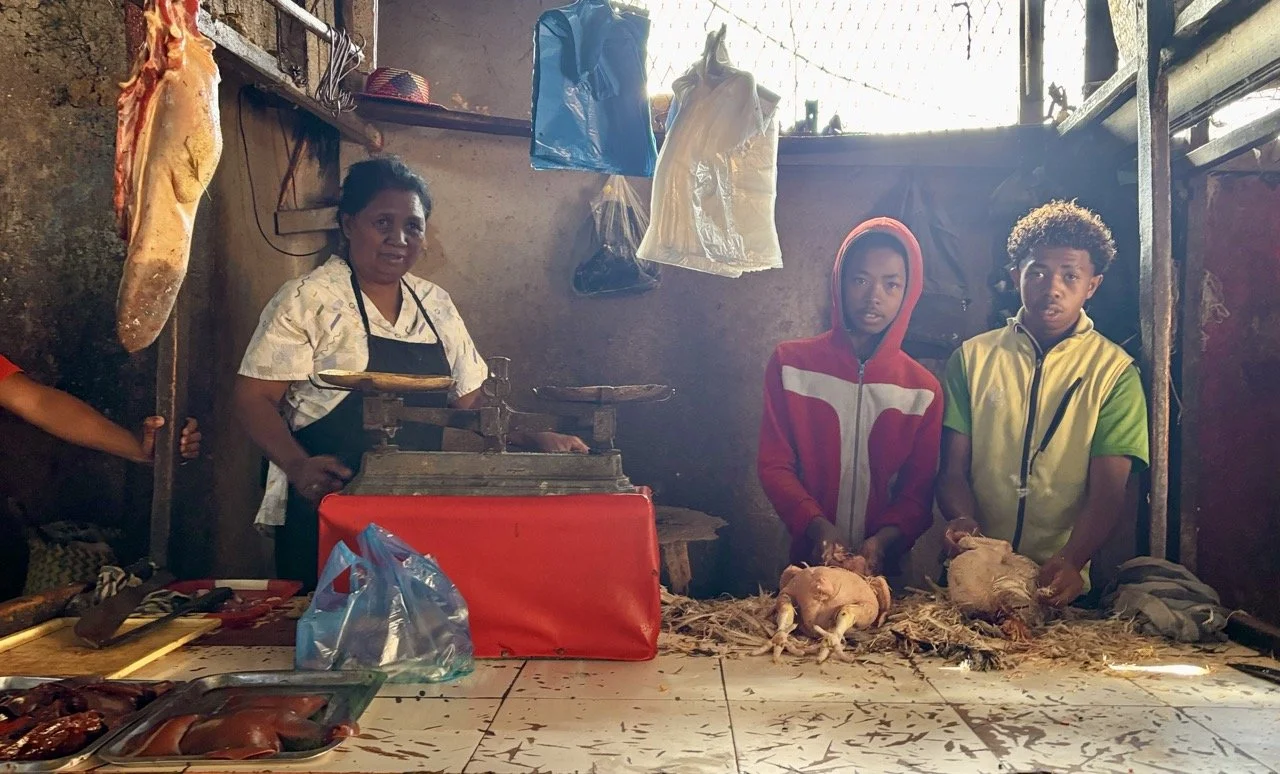
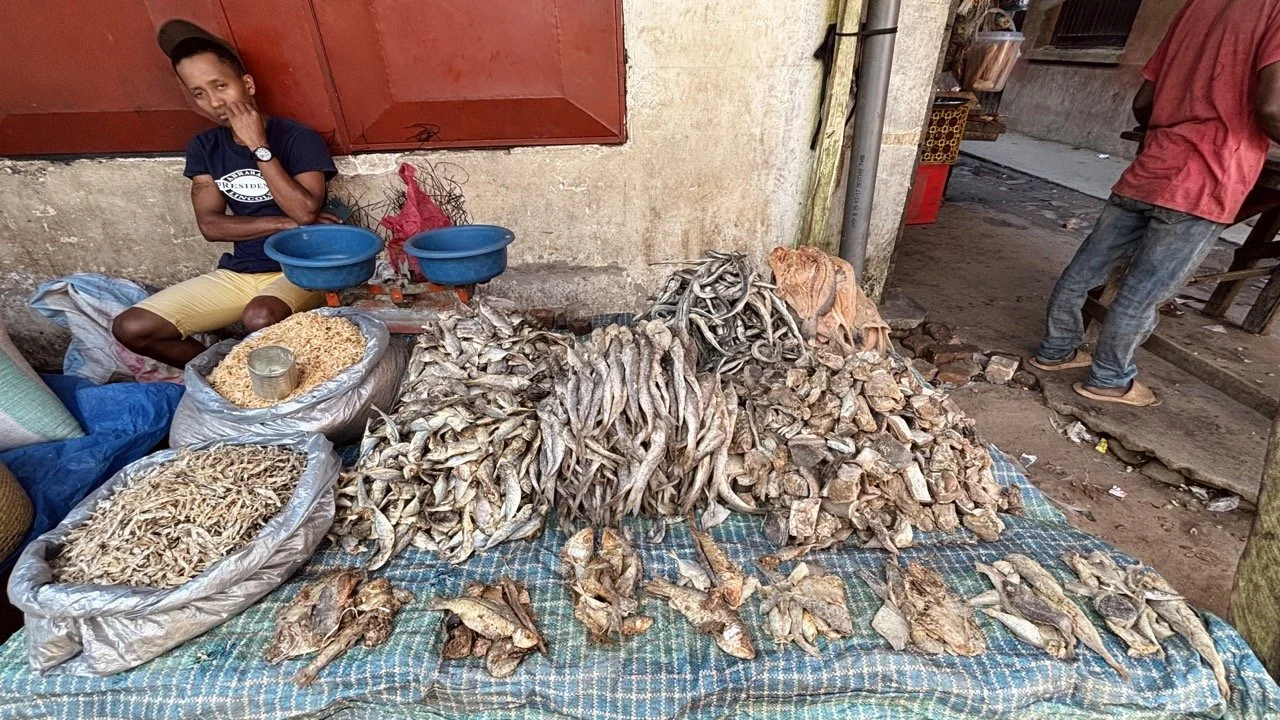
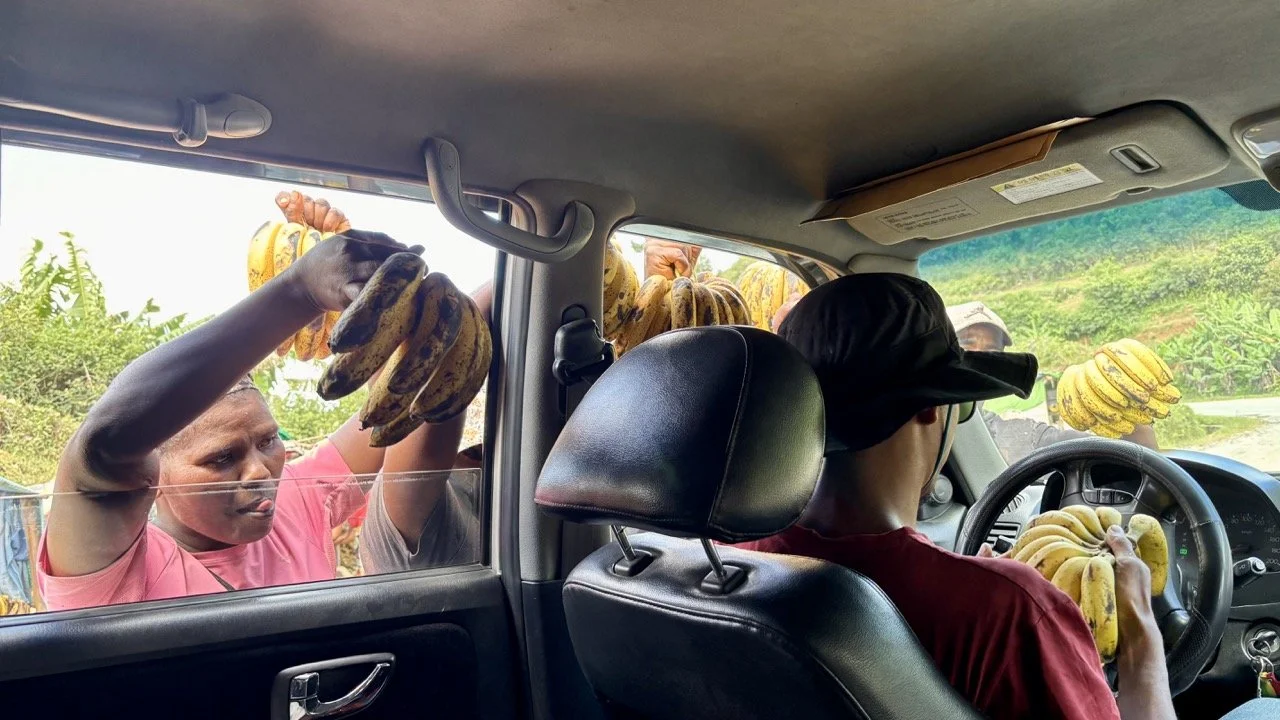
沿途會經過許多小鎮市集,這些市集是了解在地生活的最佳窗口:攤位上堆滿辣椒、香蕉、香料、手工編織籃與簡易工具。市集的色彩、叫賣聲與人情味,遠比任何觀光區的紀念品店更真實迷人。拍攝建議:用 24–70mm 捕捉環境人像與攤販互動,拍細節用 50mm 或 85mm 拍小販的手、蔬果與布料紋理。我個人特別喜歡黃昏市場的暖光——那天我買了一串烤玉米,好好吃啊!
煉鐵與傳統手作工坊(Blacksmith & Crafts)
在部分村莊,你會看到傳統鐵匠工坊:火爐燒得紅通通,鐵匠們敲打金屬、修理農具或做出簡單工具。這種現場感極強的畫面對紀實攝影很友善,也是理解農業社會如何自給自足的直觀案例。建議拍攝:長焦拉近打鐵瞬間的火花、低快門捕捉動態;同時間記得注意安全距離。說實在的,看他們專注的神情,我都想立刻學敲一鎚
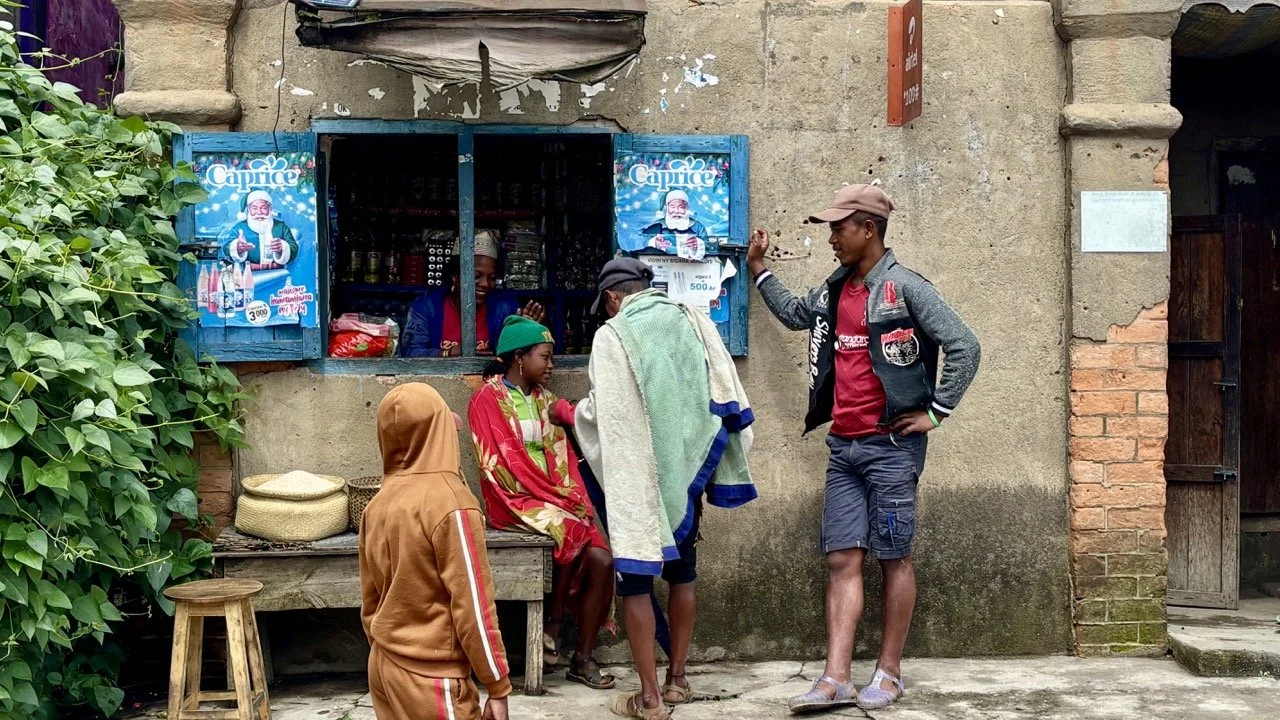
安齊拉貝人力三輪車一日遊
安齊拉貝(Antsirabe)是馬達加斯加第三大城市,瓦卡南卡拉特拉地區首府,被譽為「水源之城」。位於海拔 1,500 公尺的火山區,氣候涼爽、環境整潔優雅,擁有著名的溫泉和歷史悠久的火車站。該市是著名的避暑勝地和溫泉療養中心,展現出獨特的歐式與馬國融合風格。
主要景點: 市區內有許多歐式風格建築、壯麗的湖泊(如 Tritriva 湖)、當地火車站。
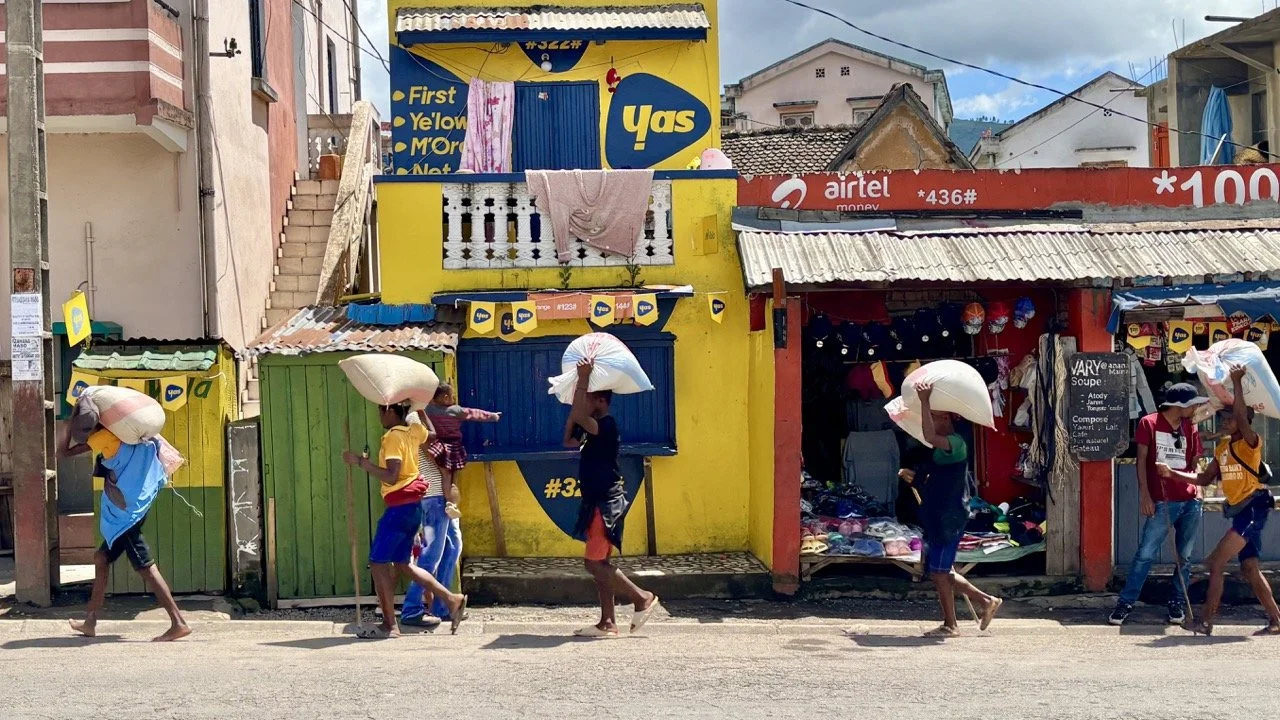
特色交通: 穿梭在街頭的彩色人力車(Pousse-pousse)是當地的標誌性特色。跳上一輛 tricycle,就像坐上慢速城市導覽車:風景近、故事多、還有司機專屬的本地八卦(我保證可信度 60%,娛樂值 100%)。
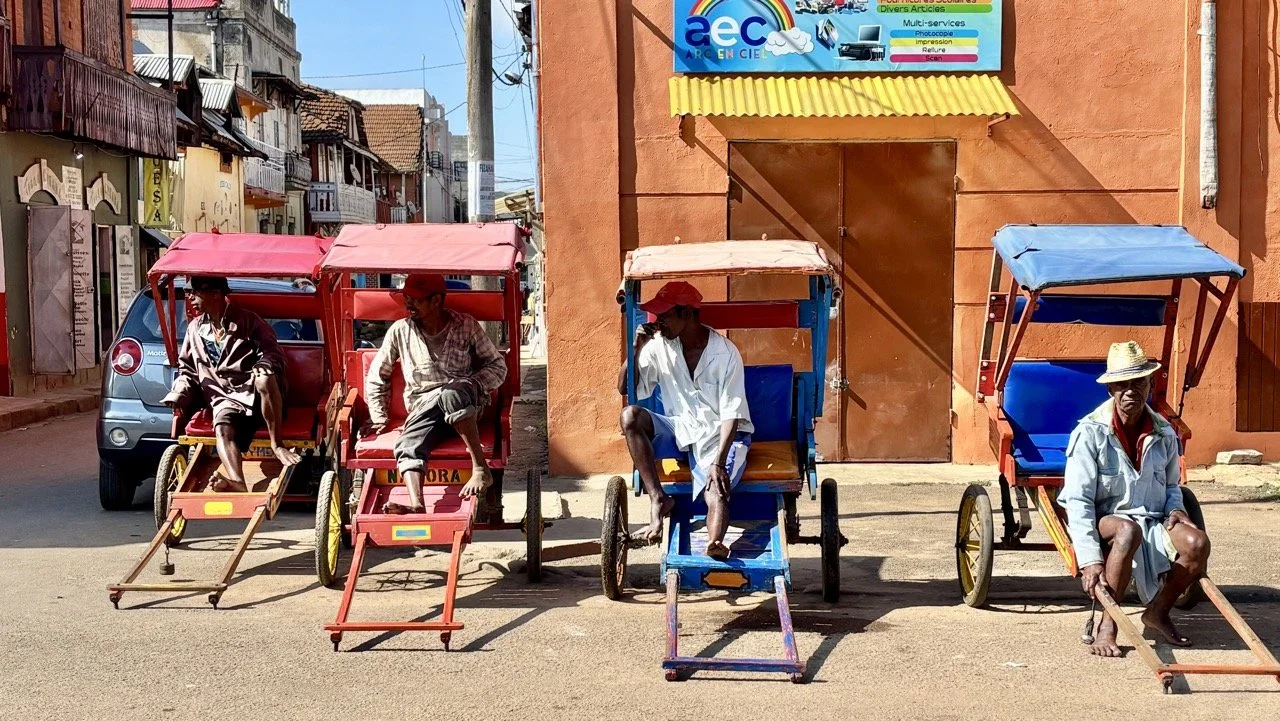
行程建議(完整一日路線) 早晨:市集(Local Market)巡禮
從安齊拉貝中心出發,先逛熱鬧的市集,拍攝當地人販售的蔬果與手工藝。24–70mm 最好用,畫面飽和、色彩豐富。
我特別推薦買一串烤玉米或熱帶水果,一邊吃一邊拍,這招常讓攤主破功給你超可愛表情。
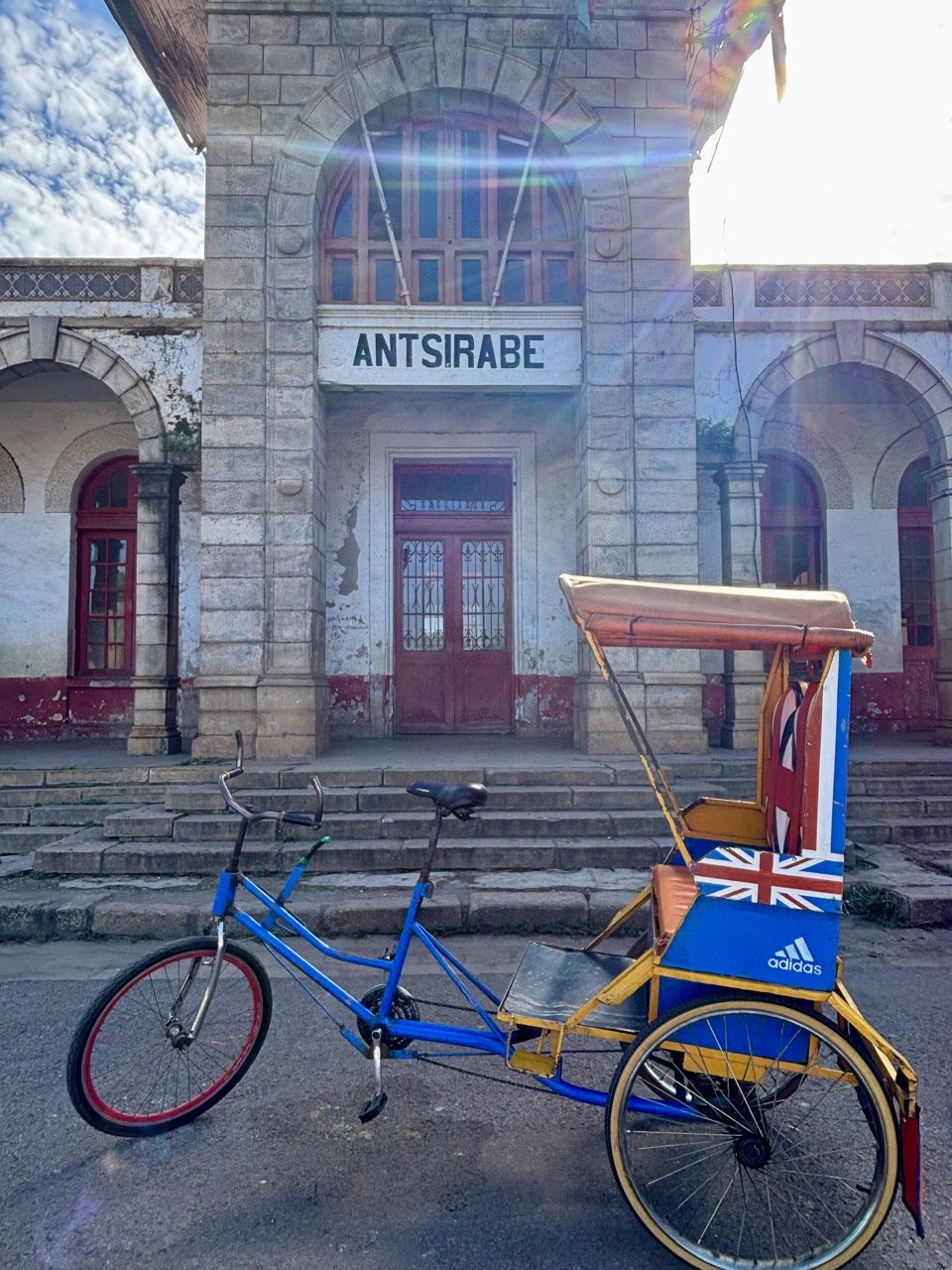
上午:老火車站(Train Station)外觀與工業感
安齊拉貝的火車站有殖民時代的遺風與鐵道氛圍,適合拍工業風格的街頭人文照。帶一支 50mm 定焦,抓街頭過客與站臺細節。
小貼士:火車班次和實際運營情況會變,拍外觀與老站房的紋理通常就很有味道。
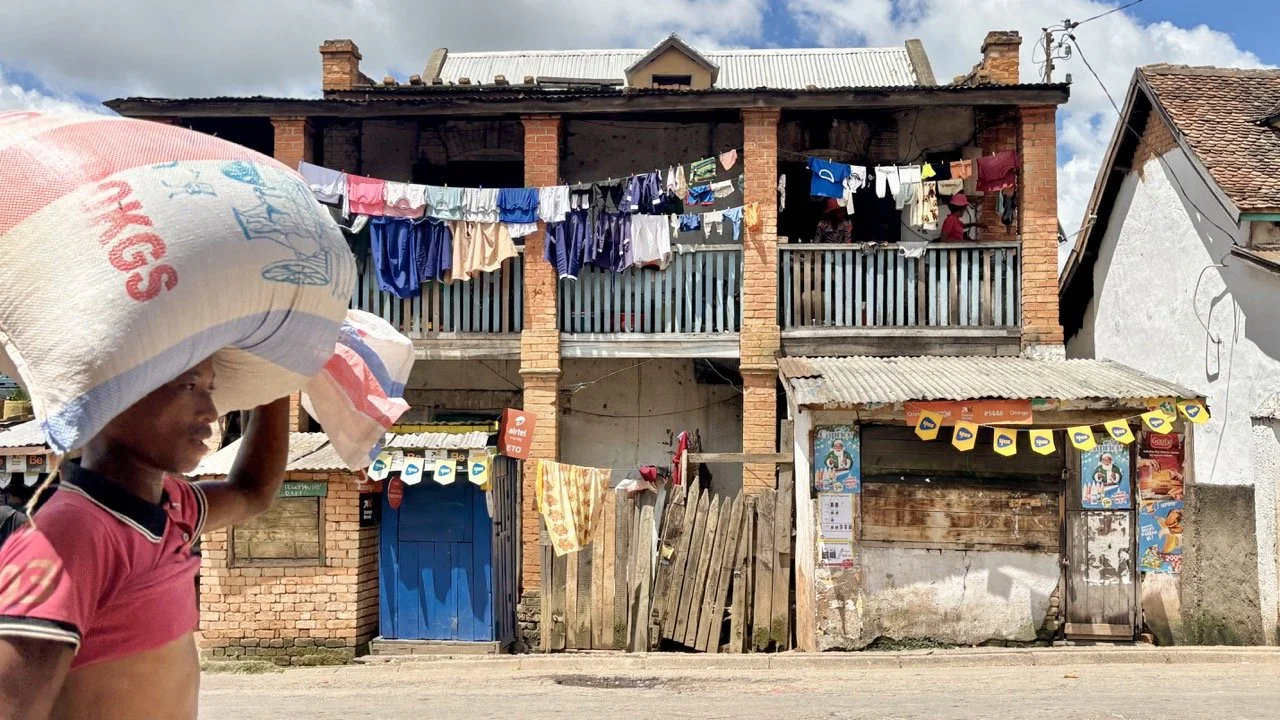
中午:教堂(Local Church)與午後光線
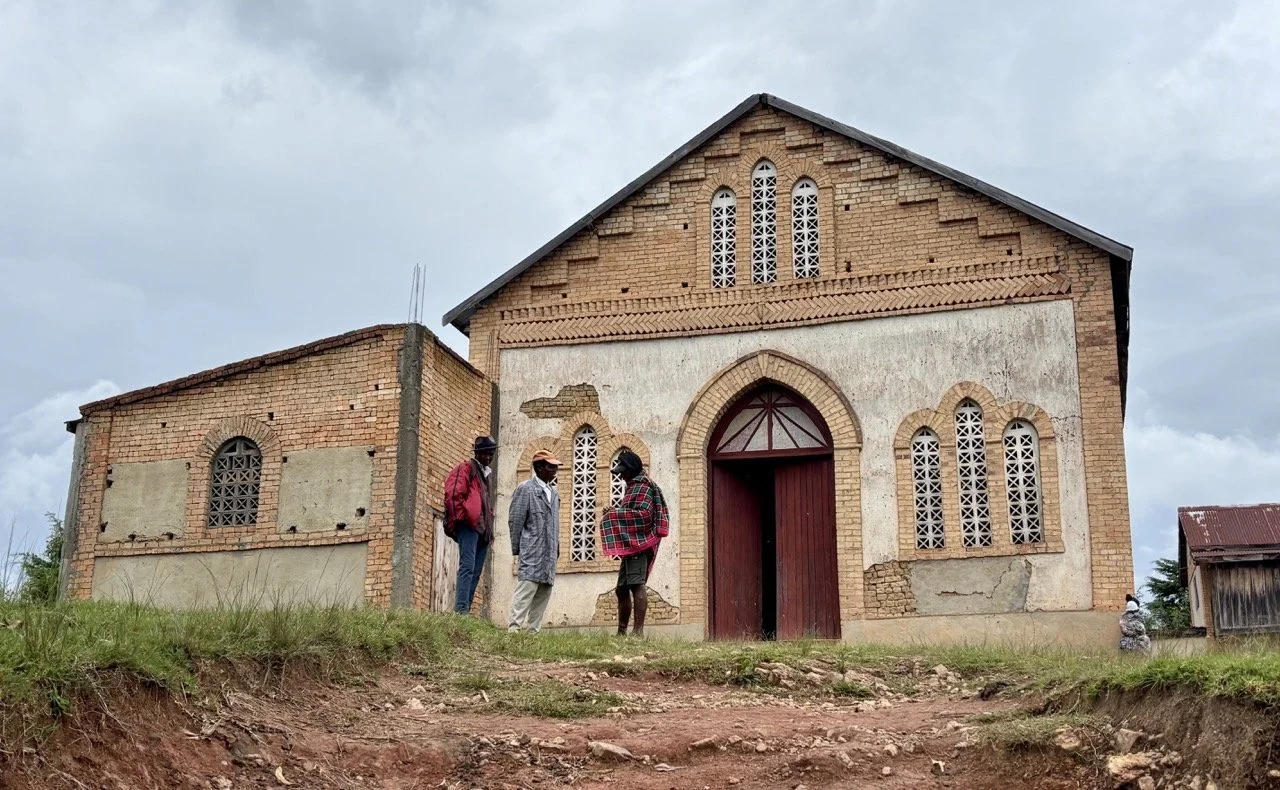
參訪市區教堂,教堂門口常是社區聚集的場所,適合拍攝當地人的生活瞬間。教堂前的光線在午後常帶有溫暖的陰影與對比,是拍人像的好背景。
我最喜歡在教堂廣場看孩童追逐與老人在長椅上編故事,真實又療癒。
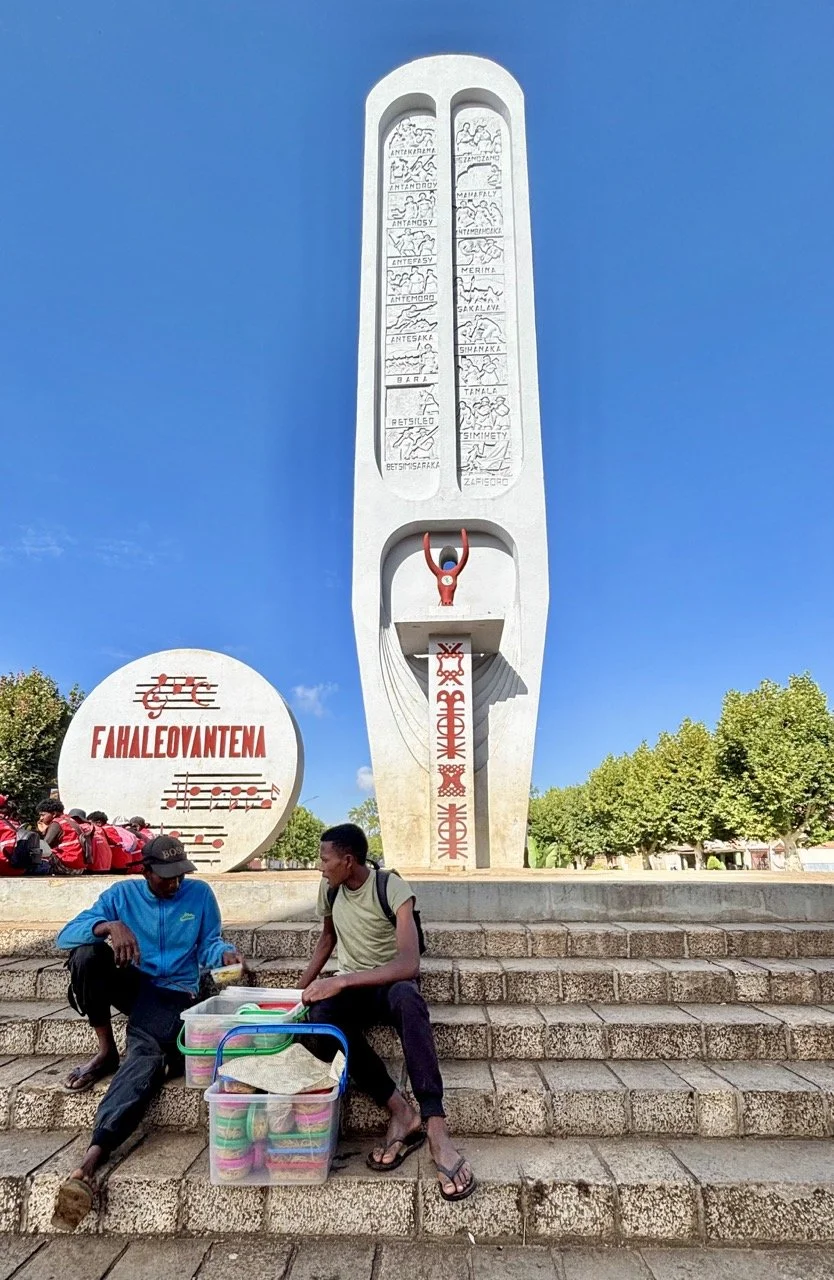
下午:紀念碑與城市步行(Monument & Stroll)
城市紀念碑或雕像常是當地歷史縮影,不妨在黃昏時分繞一圈,找角度讓背景的火紅天際與城市結合。
推薦用廣角+低角度,讓紀念碑在畫面中更具張力。
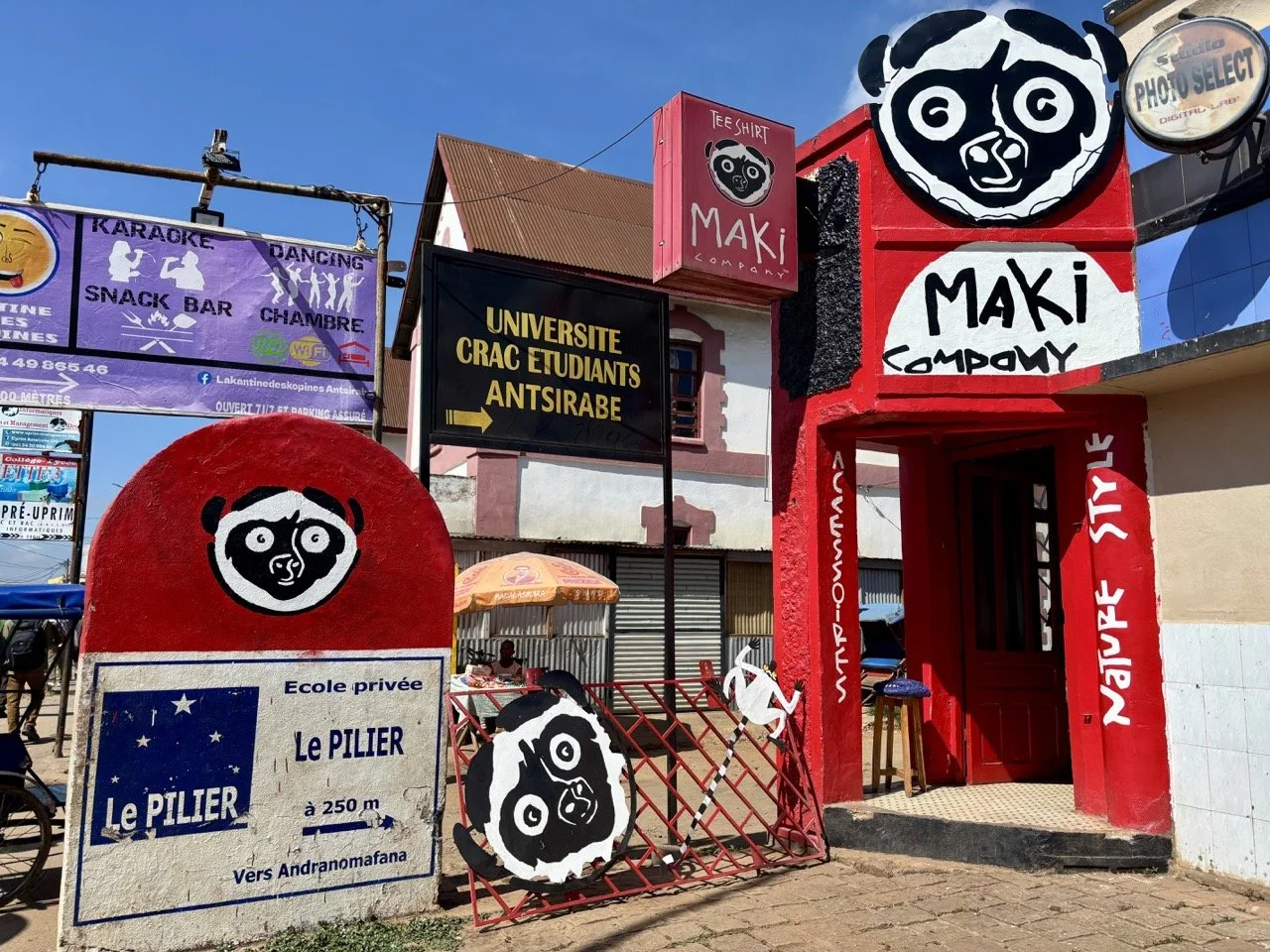
實用拍攝與旅遊小技巧(pousse‑pousse 專用)
請價前談好時數與地點(半日 / 一日),別忘了給小費。
安全第一:將相機背在前面、鏡頭蓋上,避免灰塵和車輛顛簸。
時間管理:早晨與黃昏最精彩;中午可能陽光太強不利拍攝。
與司機互動:pousse‑pousse 司機常是活地圖,他們知道隱藏小巷與拍照的秘密角落——多聽、多聊,你會發現人情味比導遊地圖更有料(而且司機通常很會擺姿勢入鏡,別忘了幫他拍幾張帥照回敬)。
若你想把這條路納入你的馬達加斯加行程,或想要我幫你安排導覽與在地司機,我很樂意把我信任的聯絡人私訊給你(保證不是只會推銷紀念品的那種)。走,我們慢慢拍,慢慢吃,慢慢聊。
住宿建議
生態旅館(Eco‑lodges):靠近公園入口,方便清晨出發,適合攝影師與生態愛好者。
中階旅館:鎮上選擇較多,價格友善且靠近餐飲與市場。
預訂建議:旺季或觀察季提前 1–2 個月預訂;想在馬達加斯加拍到稀有的金竹狐猴(Golden Bamboo Lemur)選擇靠近入口的住宿可省下 30–60 分鐘車程(這點我個人深有體會——早起總是赢在起跑線)。
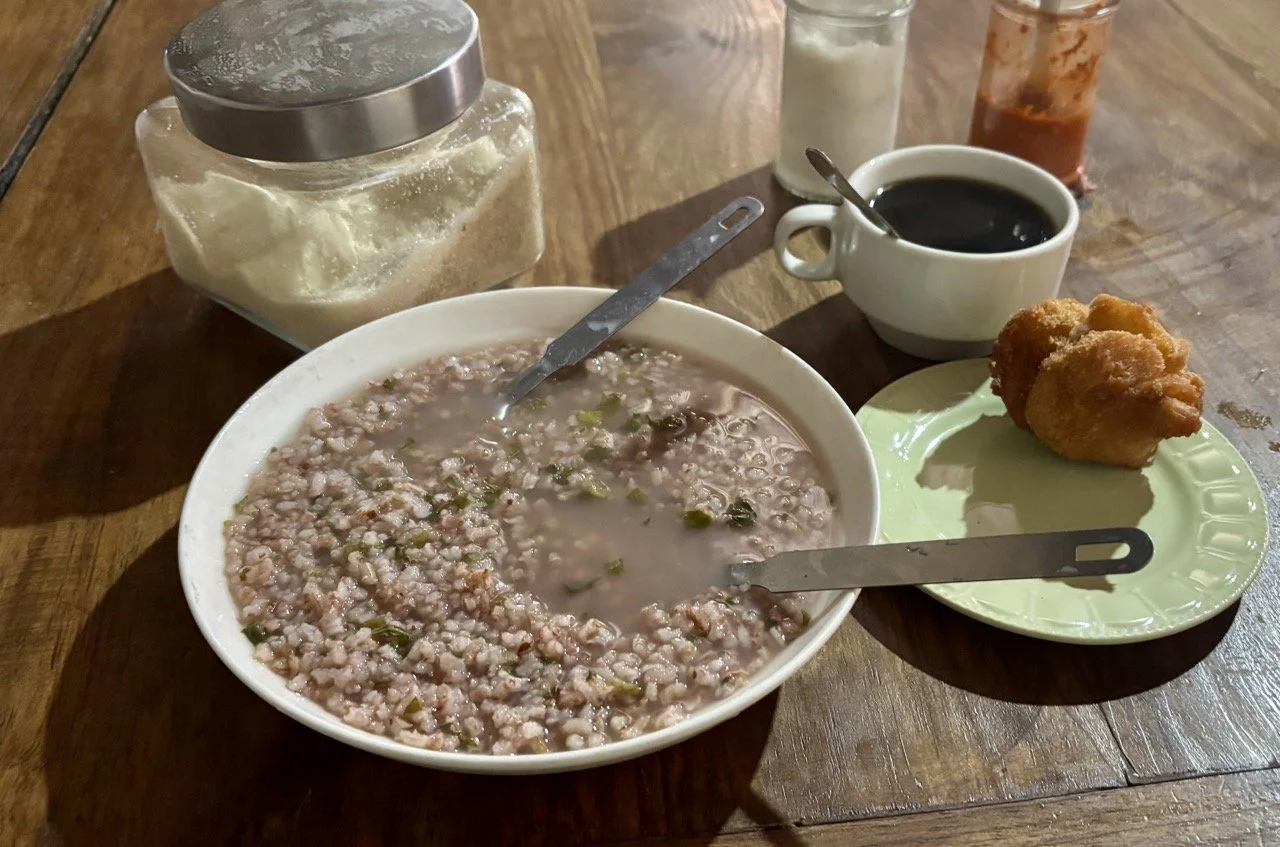
拉努馬法納/馬達加斯推薦餐廳與美食
Ranomafana(拉努馬法納)Top 3 餐廳推薦
Karibotel 餐廳(Karibotel Restaurant)
推薦原因:Ranomafana 區域較大的旅宿餐廳之一,位於山坡上可俯瞰村落與 Namorona 河谷,餐點穩定、適合旅途補給與整理照片時用餐。
必吃菜:當地風味套餐、新鮮魚或雞肉主菜、簡單法式融合菜。
價位範圍:約 €8–€25/人(視主菜與飲料)。
交通如何到達:位於 Ranomafana 鎮上或附近,若你住在國家公園周邊 lodge,多數旅館可安排接送;自駕或包車最方便。Le Grenat / Le Grenat Hotel 餐廳
推薦原因:小型飯店附設餐廳,口碑在地旅客與背包客都推薦,環境安靜適合用餐休息。
必吃菜:傳統馬達加斯加燉菜、當地鮮果甜點。
價位範圍:約 €6–€20/人。
交通如何到達:步行或短程計程車即可。建議先打電話確認營業時間(Ranomafana 的餐廳有時營業時間較彈性)。La Marmite(當地家庭式餐館)
推薦原因:在地風味、口味樸實、價格親民,適合想嚐當地料理(home‑style Malagasy food)的旅客。
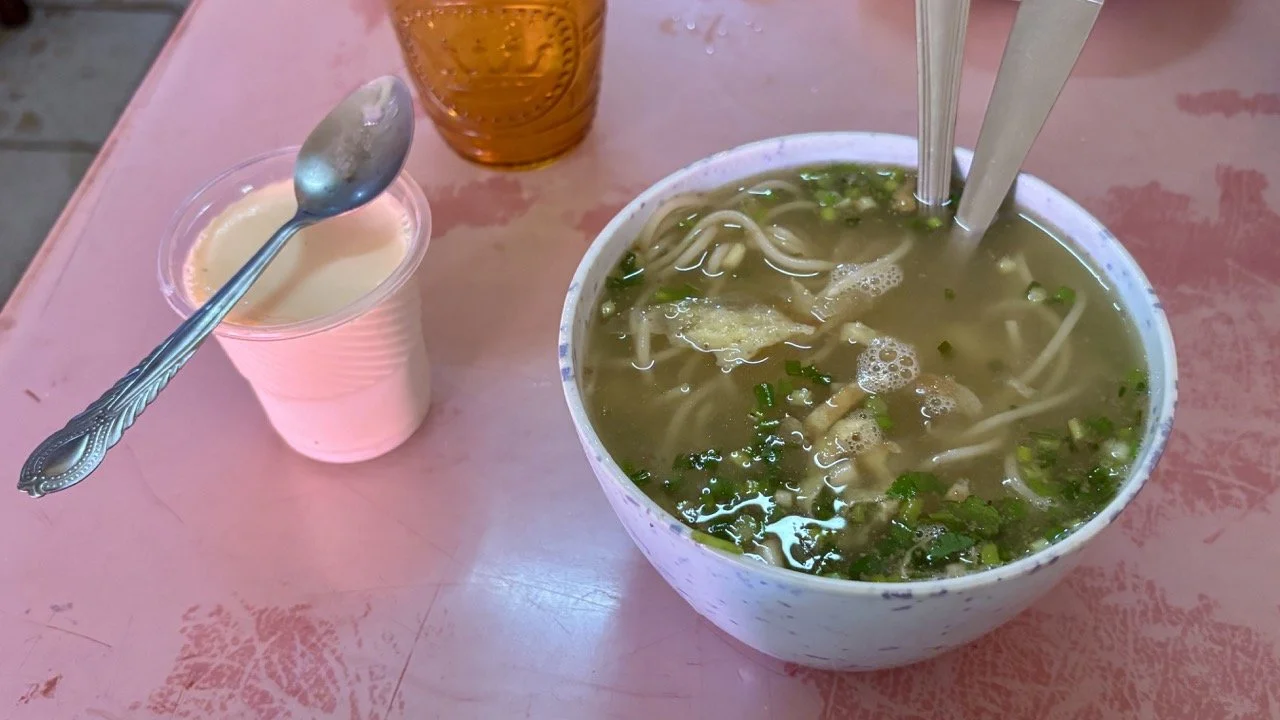
必吃菜:米飯配燉菜(romazava 類)、當地香料小菜、鮮果汁。
價位範圍:約 €3–€12/人。
交通如何到達:通常在鎮中心或主要道路邊,步行可達或短程車程。
Antsirabe(安齊拉貝)Top 3 餐廳推薦
Le Trianon(Le Trianon / Chez Dom Le Trianon)
推薦原因:Antsirabe 老牌餐廳,提供法式與馬達加斯加混合風味,環境舒適,是旅人喜愛的用餐點。
必吃菜:牛肉或 zebu 燉菜、式甜點、可頌或麵包(Antsirabe 歷來法式影響大)。
價位範圍:約 €8–€25/人。
交通如何到達:位於 Antsirabe 市中心,步行或 tuk‑tuk 可達;適合旅遊天數中途用餐。L'Insolite Antsirabe(L'Insolite)
推薦原因:氣氛好、設計感強,常有在地人與旅客混搭的舒適氛圍;是吃早午餐或輕食的好地方。
必吃菜:早午餐拼盤、咖啡、手工糕點。
價位範圍:約 €5–€18/人。
交通如何到達:市中心或步行可達區域,步行或短程計程車。La Cabane / Chez Cla(La Cabane "Chez Cla")
推薦原因:以炭烤與簡餐聞名,適合想吃熱食與當地口味的旅客。
必吃菜:炭烤雞、當地配菜與燒烤拼盤。
價位範圍:約 €6–€20/人。
交通如何到達:位於 Antsirabe 主街或靠近旅館區,可步行或短程車程到達。
小貼士:Ranomafana 鎮用餐選擇有限,外出前請確保備足零食或問旅館是否含晚餐(我個人常備能量棒來解救晚間拍攝饑餓)。
最佳旅行時間
乾季(5–10 月):道路較通行,拍攝條件穩定,是大多數旅客與攝影師的首選。
雨季(11–4 月):生態更豐富、蛙類與昆蟲活動旺盛,但部分道路或步道可能泥濘或封閉。若你熱愛微距與夜拍,雨季會讓你驚喜連連(我自己在雨季拍到過夢幻的露珠倒影,超愛!)。
預算建議
日均(中等旅遊):€40–€120/人(含住宿、導覽、餐飲與地面交通)。
省錢小技巧:合拼包車、選擇鎮中心經濟住宿、白天自備簡便餐盒以節省外食成本。
必備物品清單
文件:護照、旅遊保險、現金(當地貨幣 Ariary)。
衣物:防水外套、快乾衣、登山鞋、帽子。
攝影:70–200mm 長焦、24–70mm 標準、16–35mm 廣角、三腳架、偏光鏡、微距鏡或延伸管、備用電池與記憶卡、防潮袋。
其他:頭燈(夜遊必備)、驅蚊劑(DEET)、防曬、繃帶與消毒液。
攝影 Tips(專業拍攝建議)
動物拍攝倫理:保持距離、不餵食、不干擾棲息地,跟著導遊的路線走。
光線運用:林下光線變化大,早晨金色光與傍晚餘光是拍攝狐猴與鳥類的黃金時段。
夜間微距:帶高感鏡頭與可調光 LED,使用三腳架與遙控避免震動。
構圖技巧:把動物放在生境之中,廣角能呈現棲地與比例,人文題材可用 50–85mm 捕捉表情。
後製建議:保留自然色溫,適度增加局部對比以還原樹皮、羽毛與蛙殼細節。
拉努馬法納 馬達加斯加 FAQS(Ranomafana Madagascar FAQ)
Q1:拉努馬法納在哪裡?為什麼值得去?
(Where is Ranomafana and why visit?)
拉努馬法納國家公園(Ranomafana National Park) 位於 馬達加斯加東南部高地(Madagascar highlands),距離首都 塔那那利佛 Antananarivo 車程約一整天。這裡是著名的濕潤雨林保護區:
能近距離觀察多種 狐猴(lemurs)、變色龍、青蛙與特有鳥類
步道穿梭在雲霧森林與山丘之間,非常適合 熱帶雨林健行與自然攝影
一旁的 拉努馬法納村(Ranomafana village) 還有溫泉可泡,是南線 馬達加斯加國家公園路線 的亮點之一
Q2:怎麼從塔那那利佛到拉努馬法納?
(How do I get to Ranomafana from Antananarivo?)
前往 拉努馬法納國家公園 的典型路線:
包車+司機(private car with driver)
從 Antananarivo → Antsirabe → Fianarantsoa → Ranomafana,通常拆成 1–2 天行程
是最常見、也是最方便的 Madagascar travel 方式
長途巴士 taxi‑brousse
價格較低,但時間長、舒適度較差
多半需在 Fianarantsoa 轉車,再搭當地交通到 拉努馬法納村
多數旅人會把 Ranomafana 排入 RN7 線路,與 Antsirabe、Fianarantsoa、Isalo National Park 一起走。
Q3:拉努馬法納什麼時候去最好?
(When is the best time to visit Ranomafana Madagascar?)
拉努馬法納國家公園 屬多雨山區,一年四季都可能下雨,但:
5–10 月較乾爽季節
步道泥濘較少,被視為 best time to visit Ranomafana
適合長時間健行與安排多天 Madagascar wildlife trip
11–4 月雨季
雨勢較頻繁,森林更翠綠,適合喜歡雨林氛圍與多雲霧景色的攝影者
無論何時造訪,建議準備防水外套、防水相機包與抓地力佳的登山鞋。
Q4:拉努馬法納可以看到哪些動物?
(What wildlife can I see in Ranomafana National Park?)
在 Ranomafana National Park 最受歡迎的動物包括:
金竹狐猴(Golden Bamboo Lemur)、其他竹狐猴與多種狐猴
各式變色龍、壁虎、青蛙與馬達加斯加特有爬蟲
豐富的雨林鳥類,非常適合 birdwatching in Madagascar
想提升動物出現機率,可以安排清晨健行與夜間導覽,並與當地導遊保持良好溝通。
Q5:拉努馬法納需要請導遊嗎?
(Do I need a guide in Ranomafana?)
在 拉努馬法納國家公園,聘請當地認證導遊是強制規定也是巨大優勢:
導遊熟悉動物習性與棲地,能幫你找到隱藏在樹上的狐猴與小型爬蟲
能協助選擇適合你體力與時間的步道,提升整體 Madagascar rainforest experience
也能分享當地文化與保育故事,讓旅程更有深度
Q6:在拉努馬法納應該待幾天?
(How many days should I spend in Ranomafana?)
建議 至少 2–3 天:
1 天:短程步道+村莊周邊散步
2 天:白天健行+夜間導覽各一次,完整體驗 Ranomafana wildlife
3 天以上:適合自然與攝影愛好者,能嘗試不同路線與光線條件
搭配整體 Madagascar itinerary,多數人會在 Ranomafana 停留 2–3 晚。
Q7:拉努馬法納附近有溫泉嗎?住宿如何?
(Is there a hot spring in Ranomafana and what about accommodation?)
溫泉:
「Ranomafana」在馬拉加西語中意為「熱水」,村裡有溫泉池與游泳池,是結束雨林健行後放鬆的好地方。
住宿(Ranomafana accommodation):
以中小型 lodge、簡單飯店與 guesthouse 為主
高檔度假村選擇不多,但多數旅館都有基本熱水與餐廳
旺季建議提早預訂,尤其是熱門的 Madagascar national park lodges。
Q8:去拉努馬法納與馬達加斯加需要注意什麼安全與健康問題?
(What about safety and health for Ranomafana and Madagascar travel?)
健康:
出發前諮詢醫師,了解 瘧疾、登革熱與疫苗 建議
準備防蚊液、長袖衣褲與基本藥品,是前往 Madagascar rainforest 的基本配備
安全:
村莊與國家公園周邊對旅客通常友善,但仍需留意財物
夜間行走帶手電筒,尊重在地社群與導遊指示
妥善準備後,拉努馬法納 馬達加斯加旅遊 會是極具回報的雨林與野生動物體驗。
結語
Ranomafana 的雨林會讓你重新理解「野性美」是什麼:從吼叫的狐猴、到細緻的變色龍與夜間的微小生命,每次按下快門都有故事。想把這些景點與拍攝時段整成你專屬的 1–3 天行程,或需要可靠的在地導遊與包車司機聯絡方式?請留言你的出發日期、同行人數與攝影偏好(野生動物 / 微距 / 人文),我會回傳我這趟行程親測推薦的在地旅行社與司導聯絡資訊,幫你安排最順利又好拍的 Ranomafana 旅程!
延伸閱讀 :馬達加斯加完整旅遊攻略
關於作者|Toto Kuo
大家好,我是 Toto Kuo,來自台灣,目前定居在浪漫的 希臘聖托里尼。身為一名熱愛探索的攝影師與旅人,我曾以背包客的身分走遍 超過 80 個國家,並曾旅居 加拿大、紐約、巴黎,且在 4 個國家打工度假,用旅行的方式體驗世界的多元文化。目前,我與希臘先生在聖托里尼一起經營一家 希臘餐廳 Karma與 聖托里尼婚紗攝影工作室,同時把我最熱愛的攝影、旅行、美食與文化分享給更多人。無論是 希臘小島推薦、聖托里尼完整攻略、在地美食推薦、咖啡館探訪、旅遊攝影指南,和自由行的行程安排,我都會透過文字與影像帶你親身感受。如果你正準備來一趟 希臘跳島自由行,或者對聖托里尼婚紗攝影、旅遊攝影秘境、行程攻略有任何疑問,歡迎隨時與我聯絡。
====================
English Version
Ranomafana travel & photography guide — Top 5 photo spots, 1–3 day itineraries, dining tips and pro wildlife & night macro photography advice. Ask for local guide/driver recommendations.
TOC
5 Reasons Not to Miss Ranomafana
5 Interesting Facts
Top 5 Photo Spots
Unique Cultural Highlights of Madagascar: Exhumation Ceremonies, Southern Attire & Local River‑side Industries1–3 Day Itineraries
Getting There & Around:Antsirabe to Ranomafana is not just a transfer — it’s a living postcard.
Antsirabe Rickshaw One‑Day Tour
Where to Stay
Recommended Restaurants & Food
Best Time to Visit
Budget Tips
Packing Checklist
Photography Tips (Pro)
Ranomafana Madagascar FAQS(Ranomafana National Park FAQ)
Conclusion (ask for local guide/driver recommendations)
5 Reasons Not to Miss Ranomafana
Pristine rainforest and exceptional biodiversity — a must for wildlife photographers.
Night walks reveal rare nocturnal species and macro opportunities.
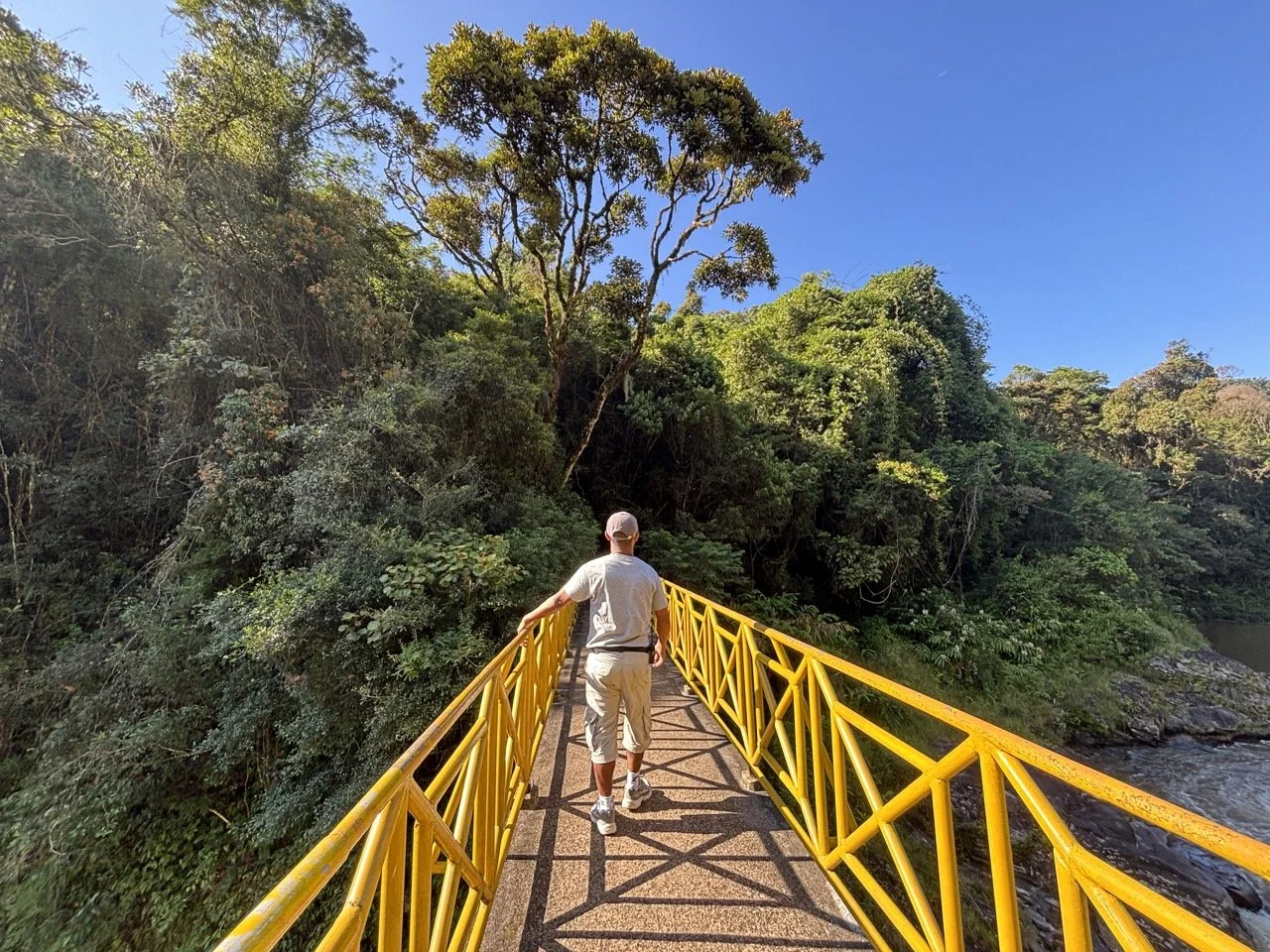
Varied trails for all fitness levels, from gentle river walks to full‑day hikes.
Authentic local culture and markets in Ranomafana town.
Dense photo opportunities (lemurs, chameleons, frogs, birds, and macro subjects).
5 Interesting Facts
Ranomafana means “hot water,” named for local thermal springs.
The park was established in 1991 and is a biodiversity hotspot.
Many new amphibian and insect records have been documented here.
Lemur calls echo through the valley at dawn — it’s like nature’s alarm clock.
Quick weather changes and post‑rain mist create dramatic photo conditions.
Ranomafana Madagascar Top 5 Photo Spots
Ranomafana National Park trails & wildlife observation points
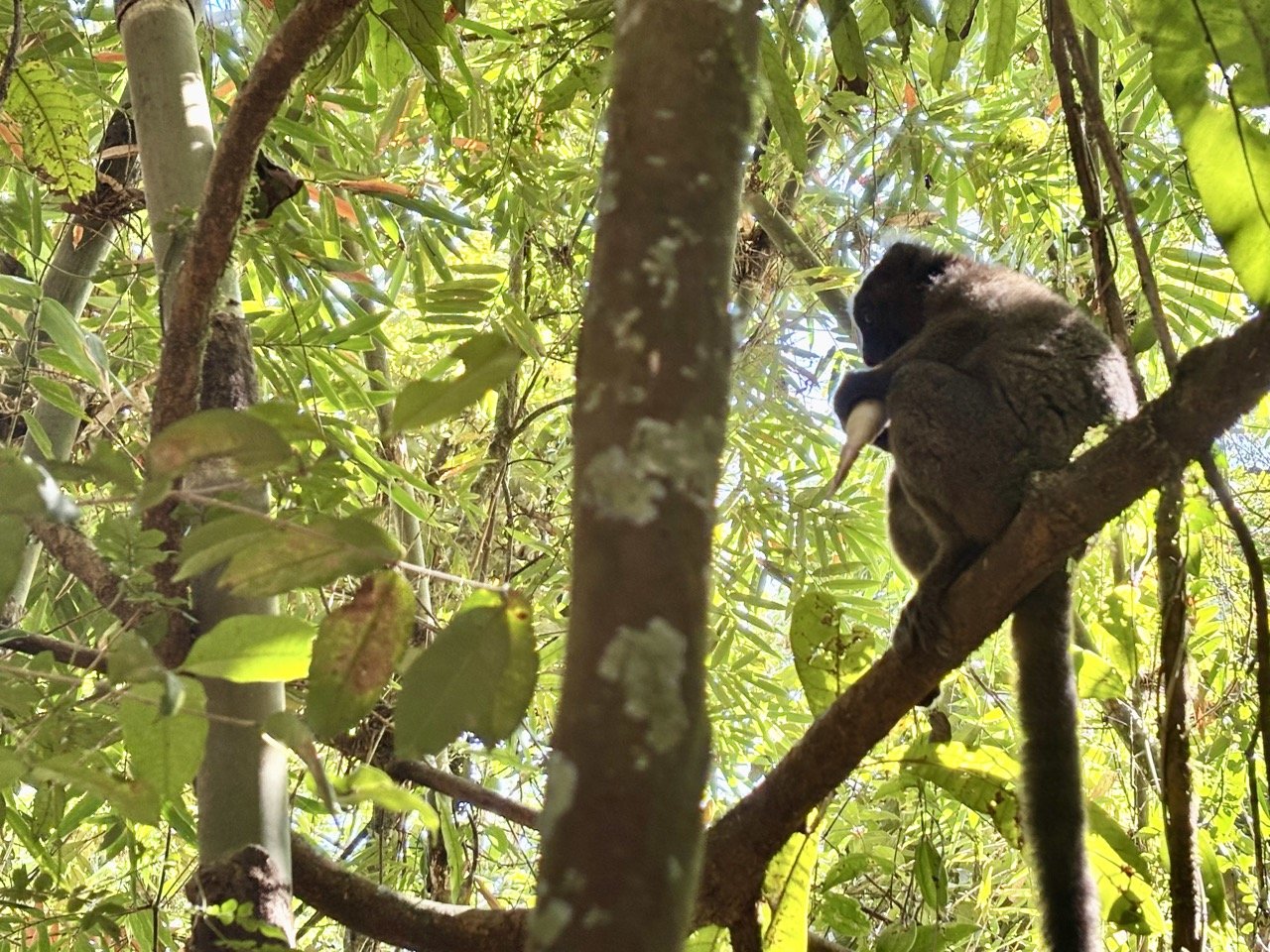
Why: Highest chance to see active lemurs and diverse fauna. Ranomafana has its own stars: rare Golden Bamboo Lemurs.
Photo tips: Early morning (06:00–09:00) for lemur activity; 70–200mm for portraits and 24–70mm for habitat context. Night walks need fast lenses and LED lights (no flash).Waterfalls & river valleys
Why: Dynamic foregrounds and long‑exposure opportunities.
Photo tips: ND filters and tripod for silky water effects; protect gear from spray.Thermal springs & misty pools
Why: Steam and atmospheric shots after rain make ethereal images.
Photo tips: Use telephoto compression to layer steam over background; avoid intrusive closeups of bathers.Local market & village life
Why: Colorful fruit stalls and community interactions provide human stories.
Photo tips: 24–70mm for environmental portraits; always ask before shooting people.Night walk hotspots (macro & nocturnal species)
Why: Unique frogs, chameleons and night lemurs.
Photo tips: Macro lens, tripod, remote shutter and small LED panels. Ethical shooting paramount.
Unique Cultural Highlights of Madagascar: Exhumation Ceremonies, Southern Attire & Local River‑side Industries
Madagascar’s culture is as vivid and layered as its landscapes. Below I’ve distilled (pun intended) three fascinating aspects I fell for—yes, I’m unabashedly smitten: the exhumation funerary rite, the proud traditional dress of the southern peoples, and the lively small‑scale industries that keep communities humming. Read on for cultural context, what to expect, and practical tips (plus my personal reactions and a touch of humor).
The exhumation ceremony (Famadihana): Digging up the past to celebrate the present
What it is: In some Malagasy highland communities, families periodically perform Famadihana—literally exhuming ancestors’ remains, rewrapping them in new shrouds, and celebrating with music, dance and feasting. Though it sounds shocking to many outsiders, it’s a deeply respectful ritual of ancestor veneration. The ritual reaffirms kin ties, offers thanks, and keeps the memory and protective presence of ancestors active within the family.
How it unfolds: Family gatherings, speeches and prayers, the careful removal and cleansing of bones, rewrapping in fresh cloth, followed by communal feasting and dancing. It’s solemn yet joyful—think of it as a very intimate, intergenerational family reunion with a formal dress code and precise choreography.
Why it matters: For Malagasy, it’s about continuity, reciprocity and social cohesion. For visitors, it’s a profound window into alternative ways humans remember and honor their dead.
Threats to survival: Modern religion, urban migration and land pressures mean Famadihana is less common among younger generations and may transform or fade. If offered the chance to observe, do so with humility—ask for permission, be discreet, and avoid intrusive photography.
My take: Watching a Famadihana made my throat tight with emotion—there’s something so honest about a community celebrating its ancestors. It’s part grief, part gratitude, part karaoke (well, not really karaoke), and entirely human.Southern dress codes: hats, wraps and the dignified staff
What you’ll see: In southern Madagascar, men often wear distinctive hats, draped cloths and carry a staff; women wear head wraps and fabrics that cover their midriffs. At first glance it looks theatrical—later you realize it’s practical, symbolic and elegant.
Why they dress this way: The clothing reflects climate (protection from harsh sun), social status, ritual roles and tribal identity. The staff sometimes signifies adulthood or authority; patterns and colors can identify family or village origins. Women’s wraps are multifunctional—modesty, carrying babies, and ceremonial symbolism.
Photographer’s tip & etiquette: These outfits are wonderful subjects for portraits. But ask first, offer a polite greeting, and sometimes a small token of appreciation is welcomed. I personally love how a simple length of cloth can be folded into a thousand styles—honestly, watching someone wrap a headscarf there is like watching an origami master at work.
My note: I think the men look absolutely regal—like desert kings who also happen to be excellent at walking on uneven ground.Southern industries: riverside distillation, winemaking, and wood carving
Riverside distillation & local brews: In many southern villages, traditional fermentation and distillation produce local spirits and fruit wines. These drinks play social roles at weddings and festivals and are intertwined with local agriculture. They’re rustic, occasionally potent, and often made with a passion that’s contagious—or alarming, depending on your tolerance. Tip: If sampling, ask about ingredients and production hygiene.
Wood carving & crafts: Skilled woodworkers carve masks, figures and practical household items. These crafts are both art and income for families; buying authentic pieces helps sustain local artisans. Look for quality, ask the story behind a piece, and bring cash for fair purchases.
Agricultural markets: The riverside markets are full of spices, dried fruits and culinary curiosities—great for food photography and taste testing. I once tried a local snack that looked suspiciously like a potato but tasted like celebration; that’s Madagascar for you.
My feeling: Watching an elder show a grandchild the exact notch to carve on a animal’s ear—knowing that skill has saved meals for generations—moved me deeply. It’s the kind of quiet dignity you don’t always find in glossy travel brochures.
Final thoughts & practical notes
Madagascar’s cultural tapestry is complex, beautiful and occasionally bewildering—much like my attempts to pronounce the local greetings correctly (I fail spectacularly, but people forgive with smiles). If you want to experience Famadihana, southern dress, or meet the woodcarvers and distillers, I can help arrange respectful visits with vetted local guides. Leave your travel dates and interests and I’ll share contacts who won’t sell you a “genuine ancient relic” that’s really a very convincing laminate.
Ranomafana Madagascar 1–3 Day Itineraries
1‑Day Quick: Morning Ranomafana park guide → Lunch in town → Afternoon waterfall → Night walk.
2‑Day Recommended: Day1 lemur tracking + market & night macro; Day2 Maromizaha or Mantadia full‑day hike.
3‑Day Photographer Plan: Day1 intensive lemur and behavior shoots; Day2 deep forest & waterfall sessions; Day3 private reserve or cultural portraits + backup.
Getting There & Around
Most travelers connect via Antananarivo to Fianarantsoa, then by road to Ranomafana. Private transfers or hires recommended for photographers needing schedule control. 4x4 useful in wet season.
Discover Madagascar’s Soul Road: Antsirabe to Ranomafana Scenery
Antsirabe → Ranomafana Scenery: Rice Terraces & Blacksmiths
The drive from Antsirabe to Ranomafana is one of Madagascar’s most soulful routes. Rolling hills become tiered rice terraces, clouds scatter like confetti in the morning light, and roadside blacksmith workshops clink with the rhythm of local life. For photographers and slow travelers, it’s pure visual candy. I personally recommend traveling this stretch at dawn or dusk — the soft light turns puddled terraces into mirrors and gives the landscape a painterly quality. Bring a wide angle (16–35mm) for the sweeping terraces and a 24–70mm for capturing farmers and on‑the‑move portraits. Pro tip: say “hello” before shooting — and maybe offer a little treat; I got the friendliest smiles by offering a piece of chocolate.
Blacksmith Workshops & Sparks
Tiny roadside forges provide gritty, kinetic subjects: red coals, hammer strikes, sparks flying. Use a telephoto (70–200mm) to frame action and a faster shutter if you want to freeze the sparks. Be mindful of safety and keep a respectful distance. I remember watching an elderly blacksmith teach his grandchild; the scene made my eyes sting (in a good way). It’s honest, generational craft—perfect for documentary shots.
Antsirabe Rickshaw One‑Day Tour: Market, Train Station, Church & Monument
Antsirabe’s pousse‑pousse are like tiny, charming time machines. Hire a pousse‑pousse for a day and you get local transport, a sociable guide and a steady stream of photography moments.
Suggested One‑Day Route
Morning — Local Market
Start at the bustling Antsirabe market. The colors and textures of produce, fabrics and street life are irresistible. Use 24–70mm to shoot environment portraits and 50–85mm for tighter details. Eat a grilled corn — walking and snacking is encouraged.
Late Morning — Train Station (Architectural & Industrial Vibe)
Visit the historic train station for industrial textures and colonial architecture—great for moody black‑and‑white shots or intimate detail work. A 50mm prime captures the character well.
Noon — Church & Afternoon Light
The town church square is a great place to observe daily life. Afternoon side light gives beautiful falloff for portraits of locals and children playing nearby.
Afternoon — Monument & Lakeside Stroll
Finish the pousse‑pousse loop at a local monument or the nearby lake (Tritriva/Andraikiba if reachable). Low‑angle wide shots during golden hour work wonders.
Practical Tips & Etiquette for Pousse‑Pousse Tours
Negotiate price and time upfront; tip the driver if they help you while shooting.
Keep equipment secure; the ride can be bumpy.
Best light: morning and late afternoon; mid‑day can be harsh.
Bring small change for market vendors and a polite smile — it goes far.
Closing Remarks
If travel were a recipe, this route would be the slow‑cooked, family‑style dish: loaded with flavor, a little rustic, and immensely comforting. I particularly recommend taking your time between Antsirabe and Ranomafana — hop off, talk to a farmer, watch a blacksmith, ride a pousse‑pousse, and let the place seep into your camera and memory. Want me to help book a pousse‑pousse guide or local driver I trust? Drop your dates and trip style in the comments and I’ll DM you solid contacts — no cheesy souvenir salespeople included.
Ranomafana Madagascar Where to Stay
Eco‑lodges close to the park entrance (best for dawn starts).
Mid‑range hotels in town for convenience and dining options. Book ahead during peak seasons.
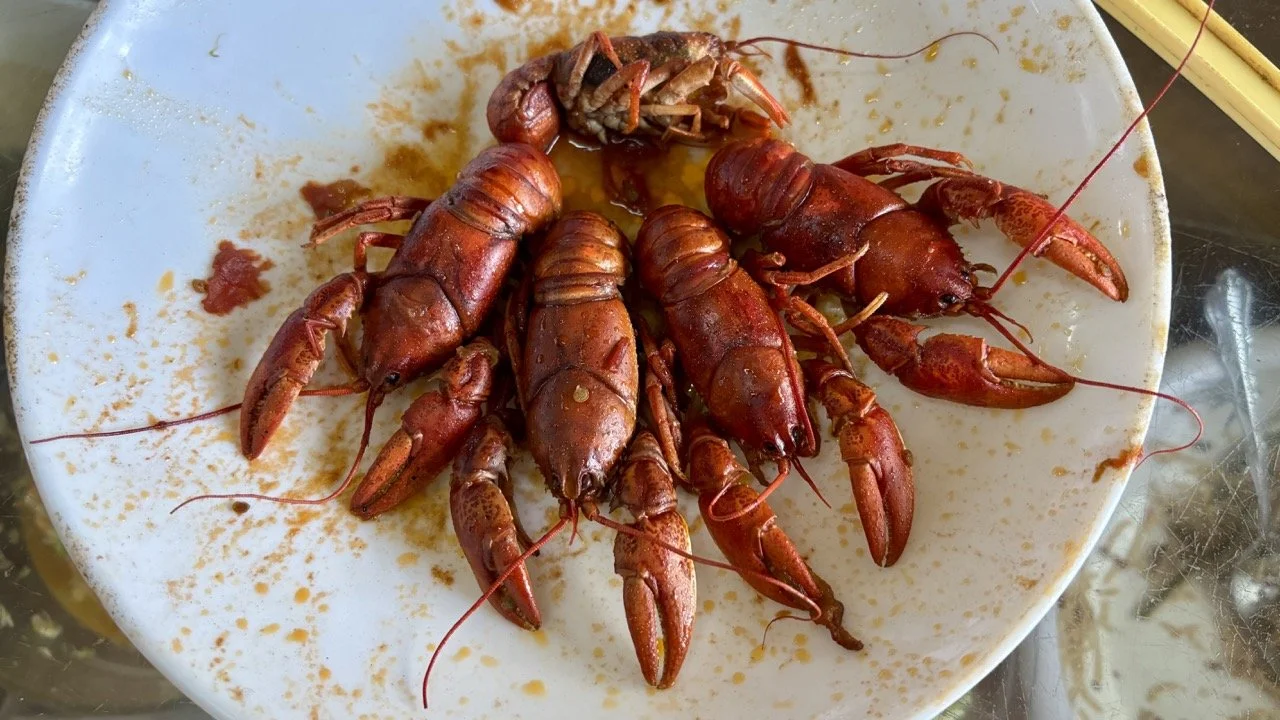
Ranomafana Top 3 Recommended Restaurants & Food
Karibotel Restaurant
A reliable lodge restaurant with panoramic views over Ranomafana village and the Namorona valley. Must‑try: set menus, fresh fish or grilled chicken. Price: approx. €8–€25 per person. Best reached by car/transfer; many lodges include transport.Le Grenat Restaurant
Hotel restaurant favored by travelers for steady local dishes and a calm dining ambience. Try local stews and fresh fruit desserts. Price: €6–€20. Reachable by walking or short taxi.La Marmite
A homely, budget‑friendly spot for authentic Malagasy home cooking: stews, rice dishes and fresh juices. Price: €3–€12. Usually walkable from town center.
Antsirabe Top 3 Recommended Restaurants & Food
Le Trianon
A classic Antsirabe restaurant with French‑Malagasy fusion cuisine. Must‑try: zebu stews, pastries and desserts. Price: €8–€25. Located in town center, walkable or a short tuk‑tuk ride.L'Insolite
Stylish café & bistro in Antsirabe popular for brunch and pastries. Try the brunch platters and excellent coffee. Price: €5–€18.La Cabane "Chez Cla"
Known for charcoal grilled dishes and hearty local meals. Must‑try: grilled chicken and mixed BBQ platters. Price: €6–€20.
Ranomafana Madagascar Best Time to Visit
Dry season (May–Oct): best for trails and stable light.
Wet season (Nov–Apr): excellent for microfauna and lush green scenes; roads may be challenging.
Budget Tips
Daily mid‑range budget: approx €40–€120 per person.
Save by sharing vehicles, choosing town lodging and combining tours.
Packing Checklist
Passport, insurance, local currency.
Rain jacket, hiking boots, headlamp.
Camera gear: wide, standard, telephoto, tripod, polarizer, macro lens, spare batteries, dry bags.
Insect repellent (DEET), first aid.
Photography Tips (Pro)
Respect wildlife and follow guides.
Use silent mode and burst shooting for lemurs.
Night macro: small LED & tripod; avoid bright flash.
Back up daily and keep batteries warm.
Ranomafana Madagascar FAQS(Ranomafana National Park FAQ)
Before you finalize your Madagascar travel plans, it’s helpful to understand the basics of Ranomafana National Park, one of the country’s top destinations for rainforest hiking, lemur watching and wildlife photography.
Q1: Where is Ranomafana and why is it worth visiting?
Ranomafana National Park lies in the southeastern highlands of Madagascar, a full day’s drive from Antananarivo. It’s one of the best places in Madagascar to:
See multiple species of lemurs in the wild
Walk through misty rainforest trails with waterfalls and steep valleys
Combine nature with a local hot‑spring village, making it a key stop on any Madagascar national parks itinerary
Q2: How do I get to Ranomafana from Antananarivo?
To reach Ranomafana Madagascar, most travelers follow the RN7 and then turn east:
Private car with driver:
Antananarivo → Antsirabe → Fianarantsoa → Ranomafana
The most comfortable way to organize an independent Madagascar trip
Taxi‑brousse (local buses):
Cheaper but slower and less predictable
Usually involves a change in Fianarantsoa and then local transport to Ranomafana village
Ranomafana is often combined with Antsirabe, Fianarantsoa and Isalo National Park along the classic RN7 route.
Q3: When is the best time to visit Ranomafana Madagascar?
Because of its humid mountain climate, Ranomafana National Park can be rainy at any time, but:
May–October (drier months):
Often considered the best time to visit Ranomafana
Trails are less muddy and it’s more comfortable for long hikes and wildlife watching
November–April (rainier months):
More frequent showers but very lush scenery, which many Madagascar photographers love
Good rain gear and sturdy footwear are essential no matter when you go.
Q4: What wildlife can I see in Ranomafana National Park?
Ranomafana is a biodiversity hotspot and a highlight of Madagascar wildlife travel:
Several species of lemurs, including the rare Golden Bamboo Lemur
Chameleons, geckos, frogs and countless insects
Endemic birds, making it a rewarding destination for birdwatching in Madagascar
Early morning hikes and guided night walks significantly increase your chances of memorable sightings.
Q5: Do I need a guide in Ranomafana?
Yes—using a local guide in Ranomafana National Park is required and highly beneficial:
Guides know where lemurs and other animals are likely to be
They help choose routes that match your fitness and available time
Their knowledge of the forest and conservation adds depth to your Madagascar travel experience
Q6: How many days should I stay in Ranomafana?
A good rule of thumb for Ranomafana Madagascar is:
2–3 days / nights
One or two daytime hikes on different trails
At least one guided night walk to see nocturnal species
Time to relax in the village and, if you like, visit the hot springs
This fits well within a longer Madagascar itinerary along the RN7.
Q7: What accommodation and hot‑spring options are there in Ranomafana?
Accommodation:
A mix of small hotels, eco‑lodges and guesthouses in and around Ranomafana village
Facilities are basic to mid‑range, with some offering great views over the forest
Hot springs:
The name “Ranomafana” means “hot water” in Malagasy
There are pools where you can enjoy a soak after a day in Ranomafana National Park
Q8: What should I know about health and safety for Ranomafana and Madagascar travel?
Health:
Consult a travel doctor about malaria, dengue and vaccines before your Madagascar trip
Bring insect repellent, long‑sleeved clothing and a small first‑aid kit
Safety:
Villages around Ranomafana are generally friendly, but keep an eye on your belongings as you would anywhere
Use a headlamp or flashlight at night and follow guide instructions on the trails
With realistic expectations and good preparation, Ranomafana Madagascar offers some of the most rewarding rainforest and wildlife experiences in Africa, making it a highlight of any Madagascar travel itinerary.
Conclusion
Ranomafana is a rainforest playground for photographers and nature lovers. Want curated 1–3 day itineraries, or trusted local guides and drivers I used on my trip? Leave your travel dates, group size and shooting priorities (wildlife / macro / portrait) in the comments and I’ll send contact details and a tailored plan to help you capture Ranomafana’s wild magic.
Further Reading: A Complete Travel Guide to Madagascar
About the Author | Toto Kuo
I’m Toto Kuo, a Taiwan-born photographer and traveler now based in Santorini, Greece. After exploring 80+ countries and living abroad in Canada, New York, and Paris, I settled in Oia, where I run Karma Greek Restaurant and a Santorini wedding photography studiowith my Greek husband.
Here I share my passions for photography, travel, food, and culture — from Greek islands travel guides and Greek island hopping tips to local food recommendations and secret photo spots. If you’re planning a trip to Santorini or looking for wedding photography inspiration, I’d love to help you capture the island’s magic.
